Artwork
Erysichthon selling his daughter
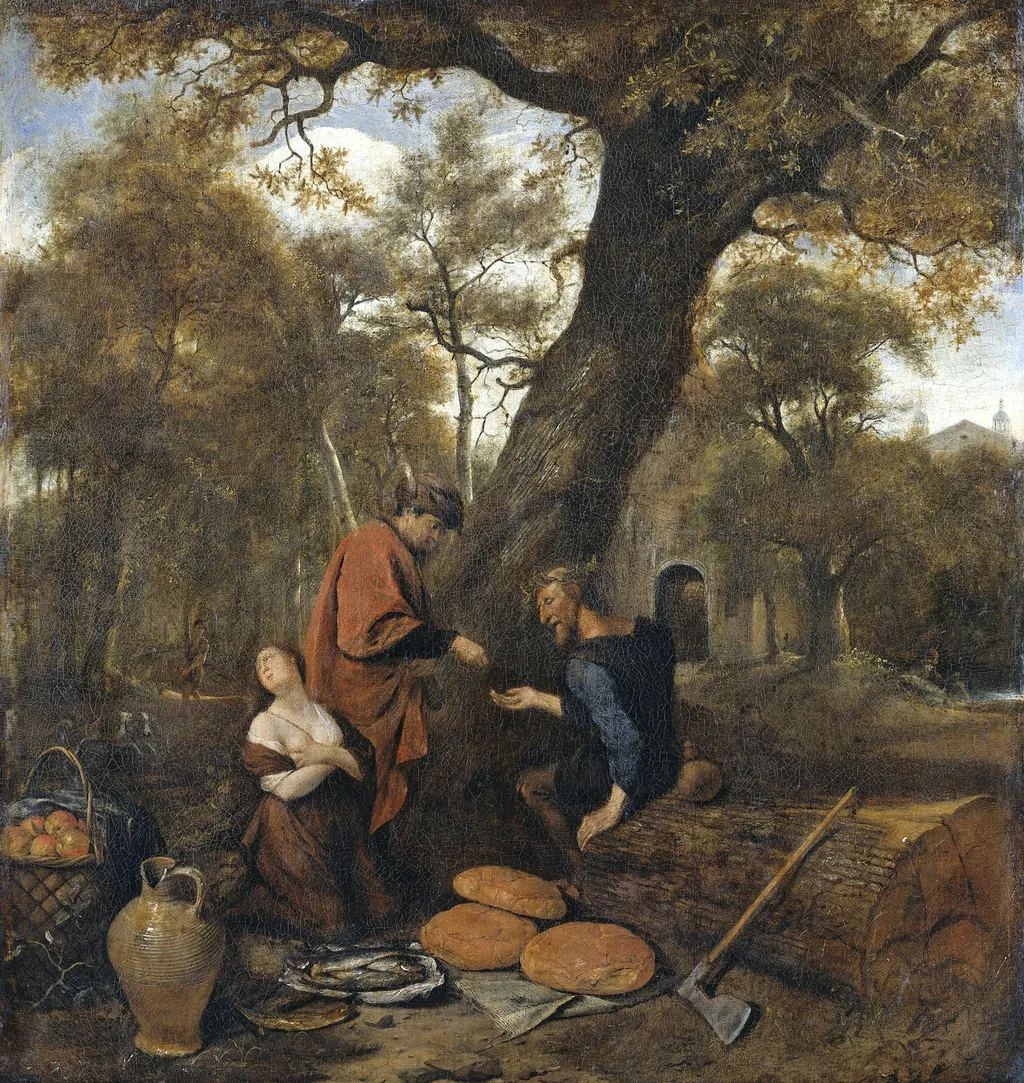
Erysichthon selling his daughter is an oil painting by Jan Steen. It dates from 1650 and is held in the collection of the Rijksmuseum.
About this work
Overview
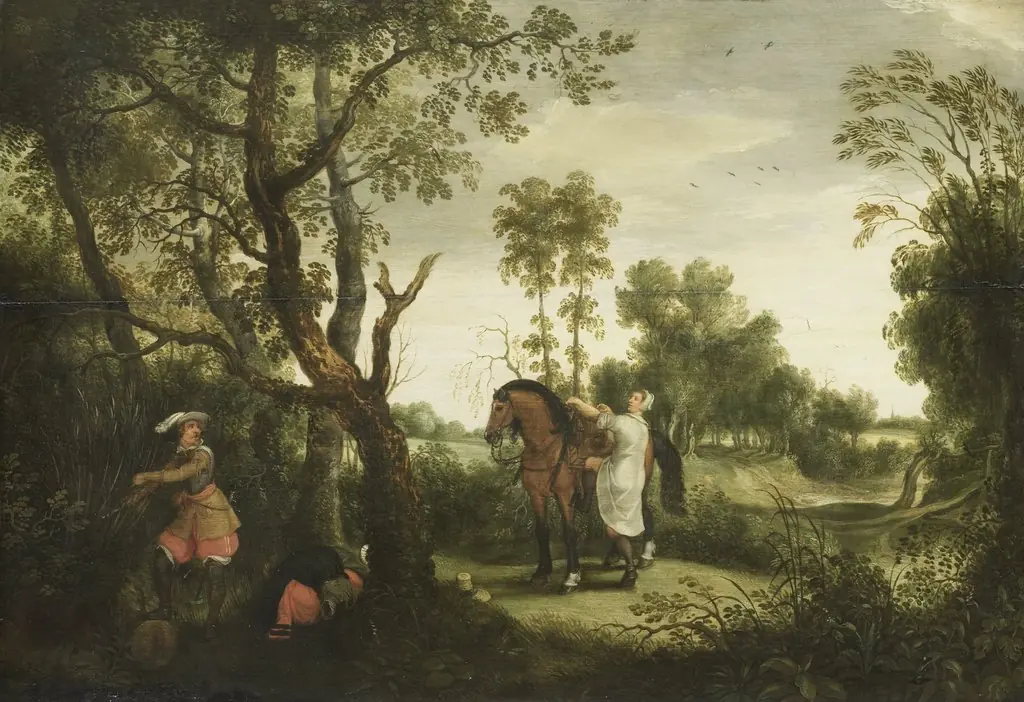
Created around 1650, this oil on canvas by Jan Steen portrays a scene from the myth of Erysichthon of Thessaly. The composition is set beneath a prominent tree and includes several domestic objects, such as a basket of fruit, a jug, and a hatchet. The work is part of the Rijksmuseum’s collection and exemplifies Steen’s engagement with classical narratives.
Subject & Meaning
The painting visualises the moment when Erysichthon, a figure condemned for desecrating a sacred tree, is shown in the company of a woman and another man. The gestures— the woman’s downward glance and crossed arms, the seated man’s outstretched hands—suggest a transaction or negotiation, echoing the myth’s theme of loss and punishment.
Technique & Style
Steen employs chiaroscuro to model forms, with illumination arriving from the left, casting deep shadows that enhance spatial depth. The textures of the red cloak, blue shirt, and surrounding foliage are rendered with meticulous brushwork, revealing the artist’s skill in depicting fabric and natural elements within a coherent interior‑exterior setting.
History & Provenance
Attributed to the mid‑seventeenth century, the canvas has remained in the Netherlands, eventually entering the Rijksmuseum’s holdings. Its attribution to Jan Steen aligns with the artist’s known practice of integrating genre details into mythological subjects, a characteristic that aids its identification and scholarly placement.
Own this work as a print
Artist & collection
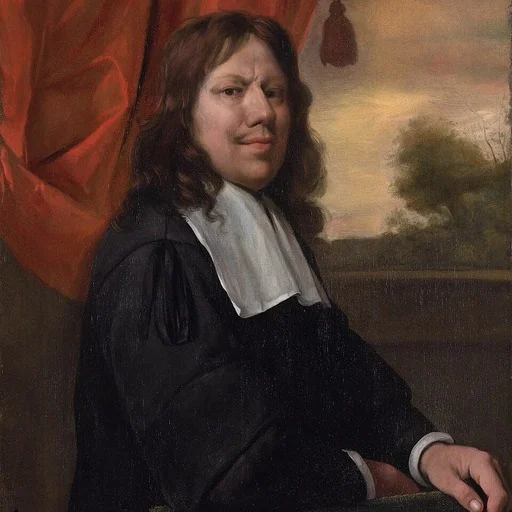
Artist
Jan Havickszoon Steen was a Dutch Golden Age painter, one of the leading genre painters of the 17th century.

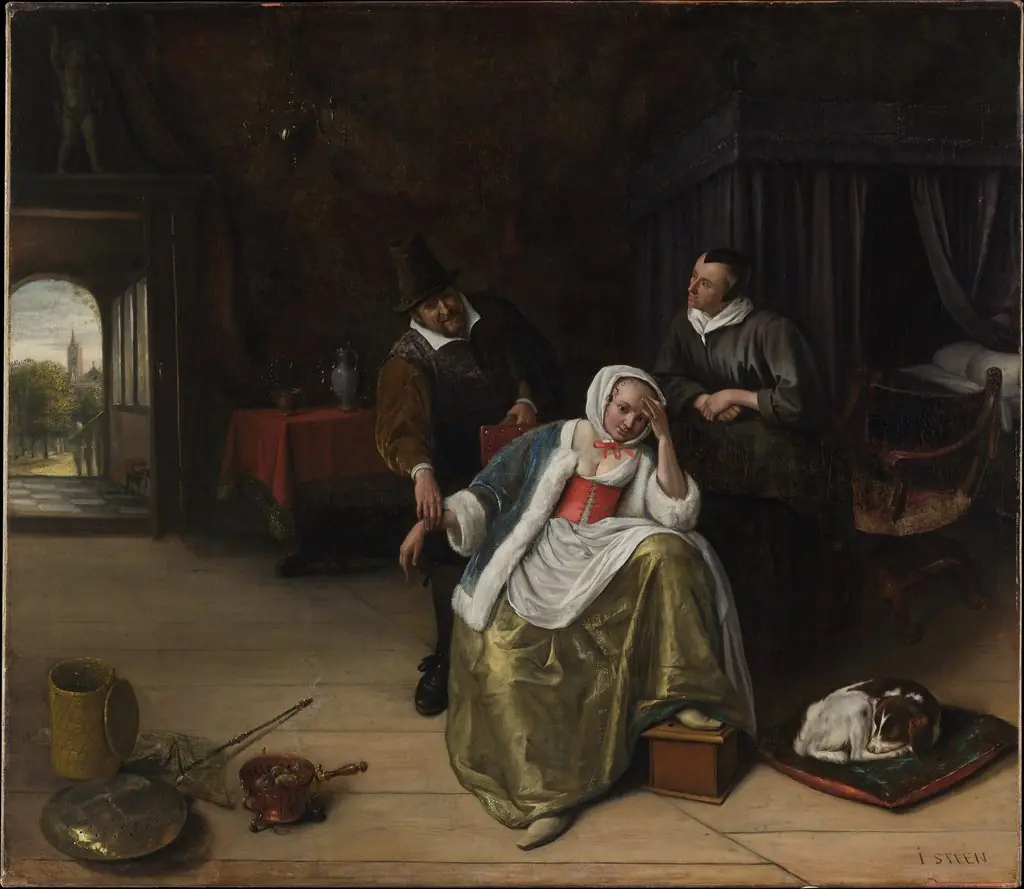 Paintings of physicians by Jan Steen
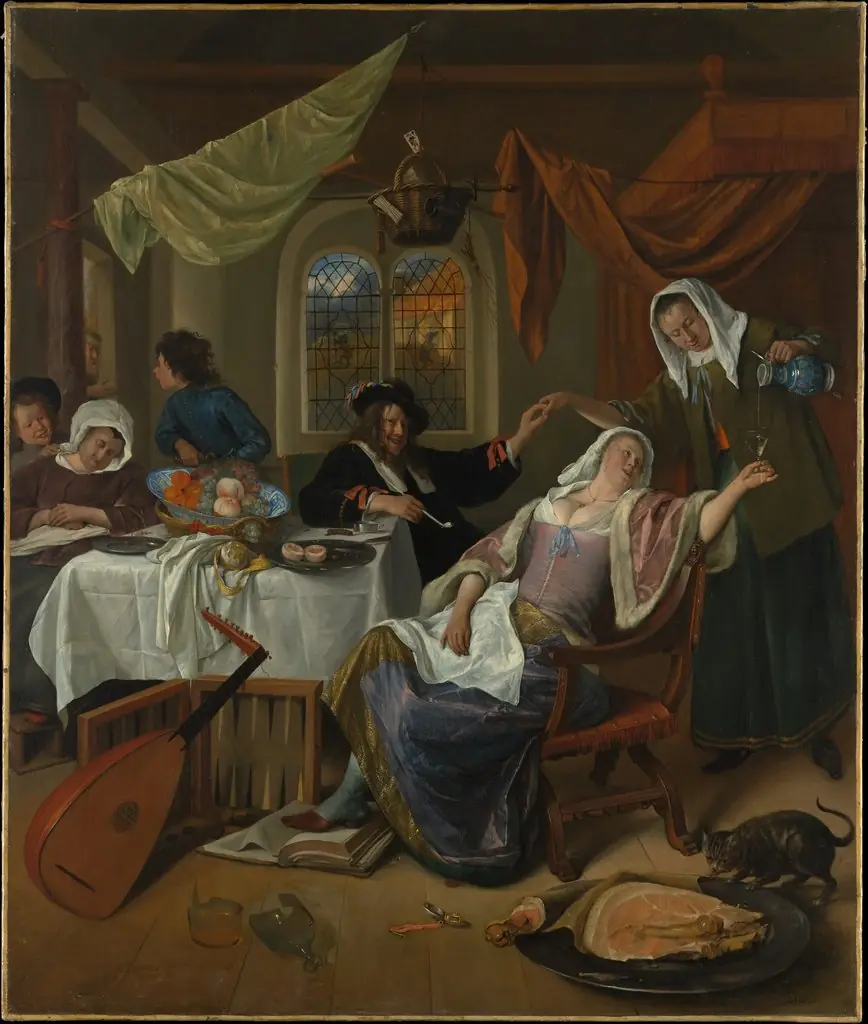 The Dissolute Household
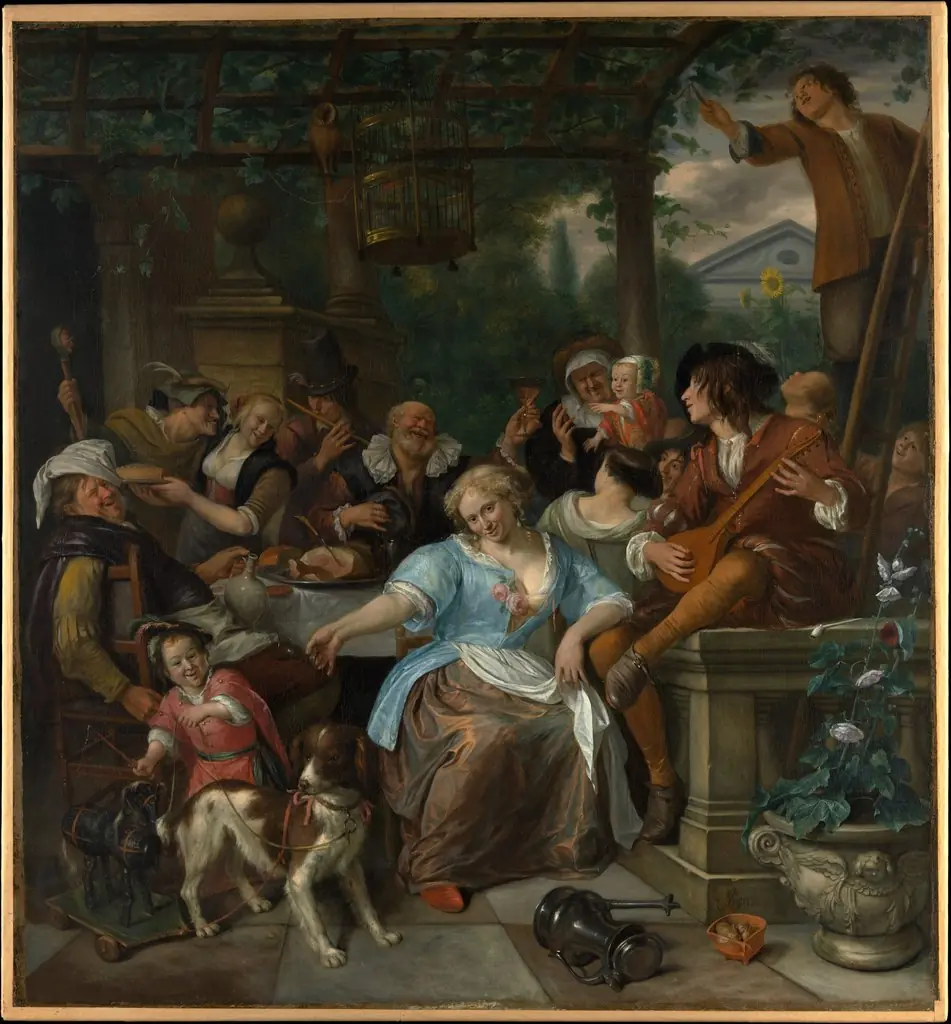 Merry Company on a Terrace
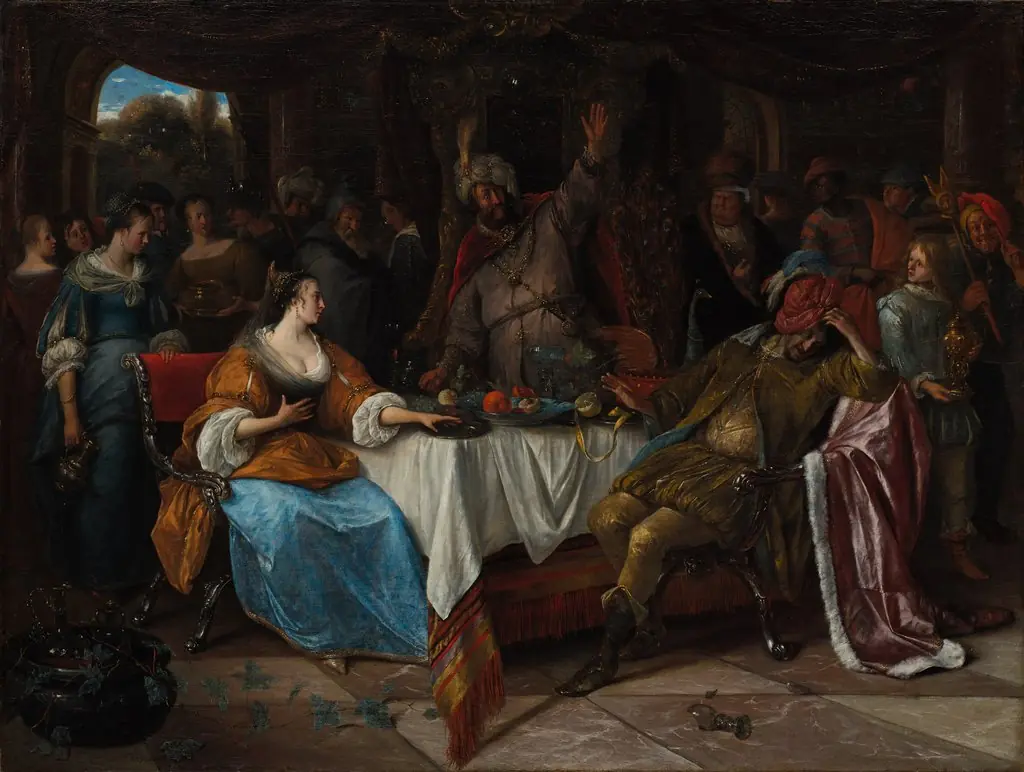 Esther, Ahasuerus, and Haman
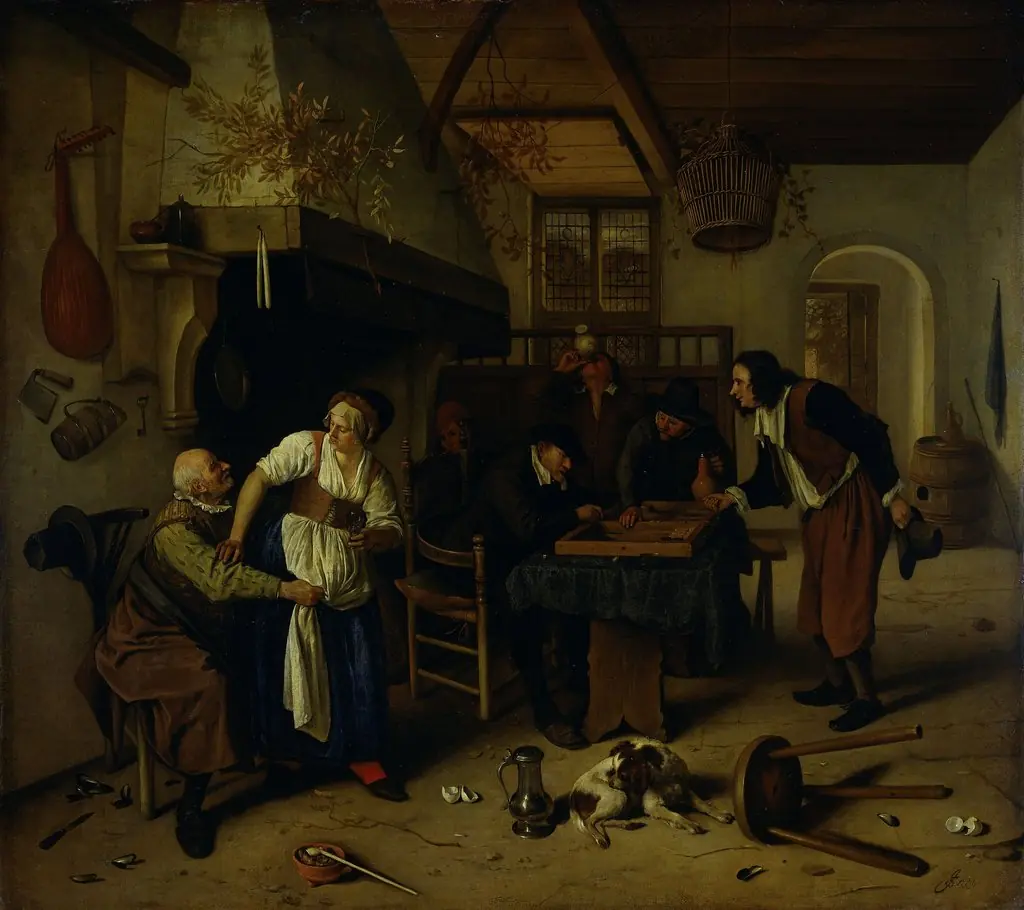 Interior of an inn with an old man amusing himself with the landlady and two men playing backgammon, known as 'Two kinds of games'
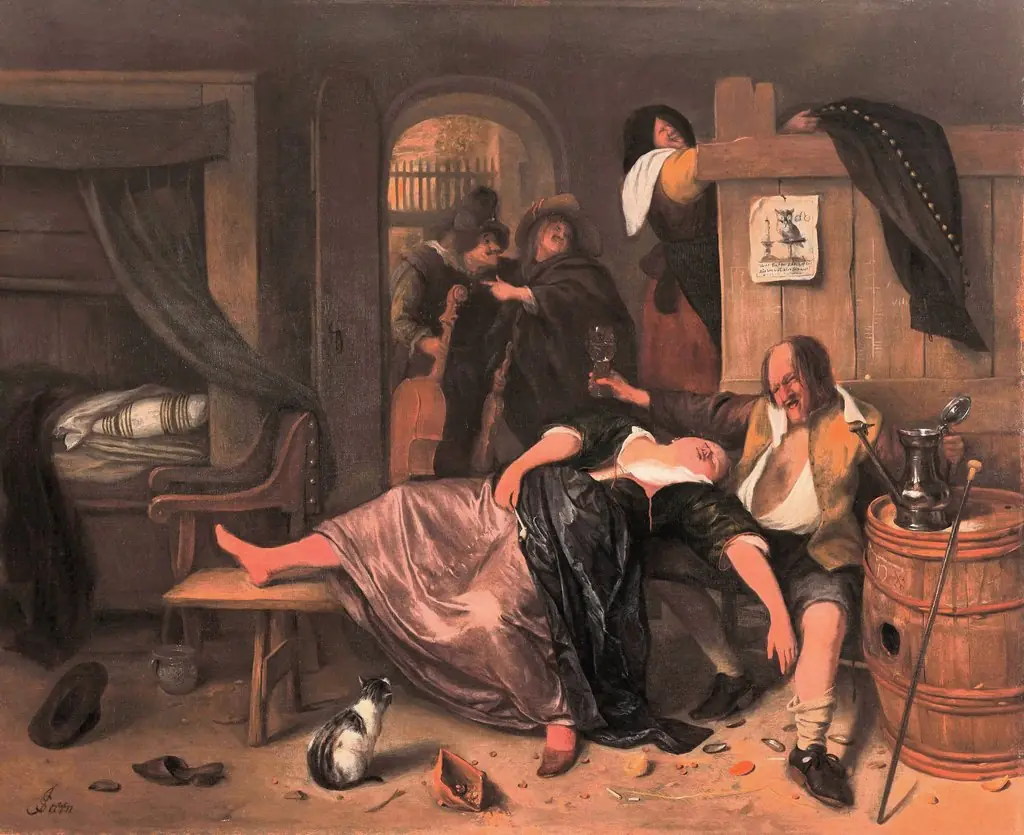 The Drunken Couple
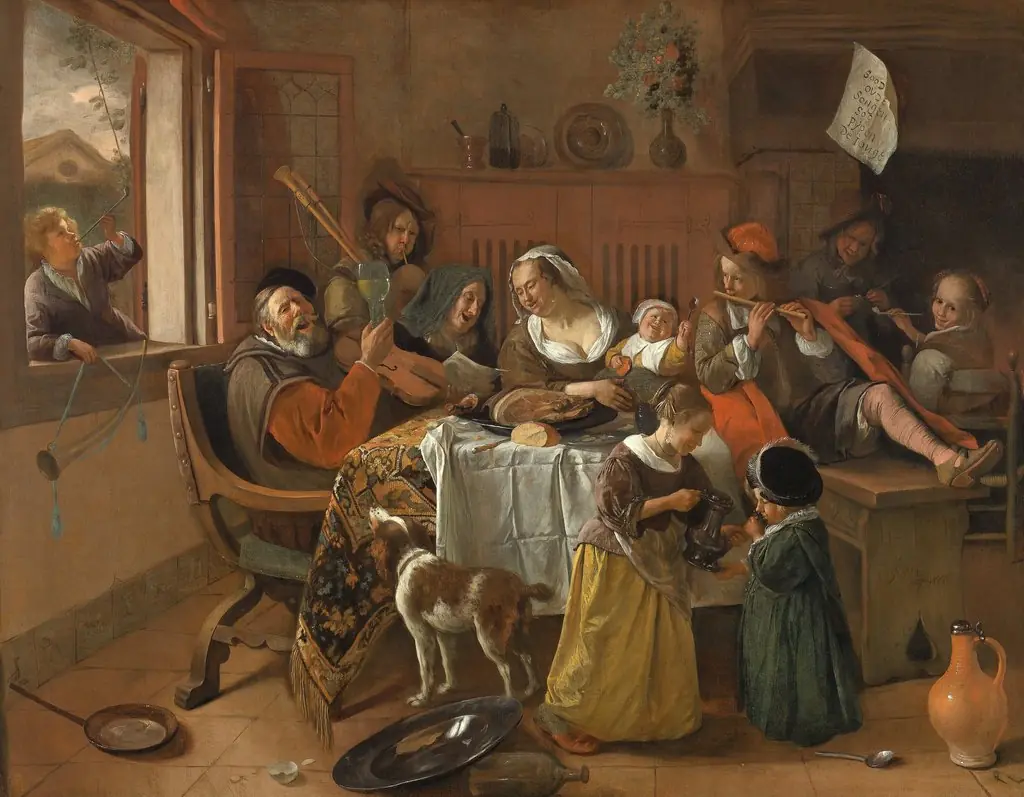 The Happy Family
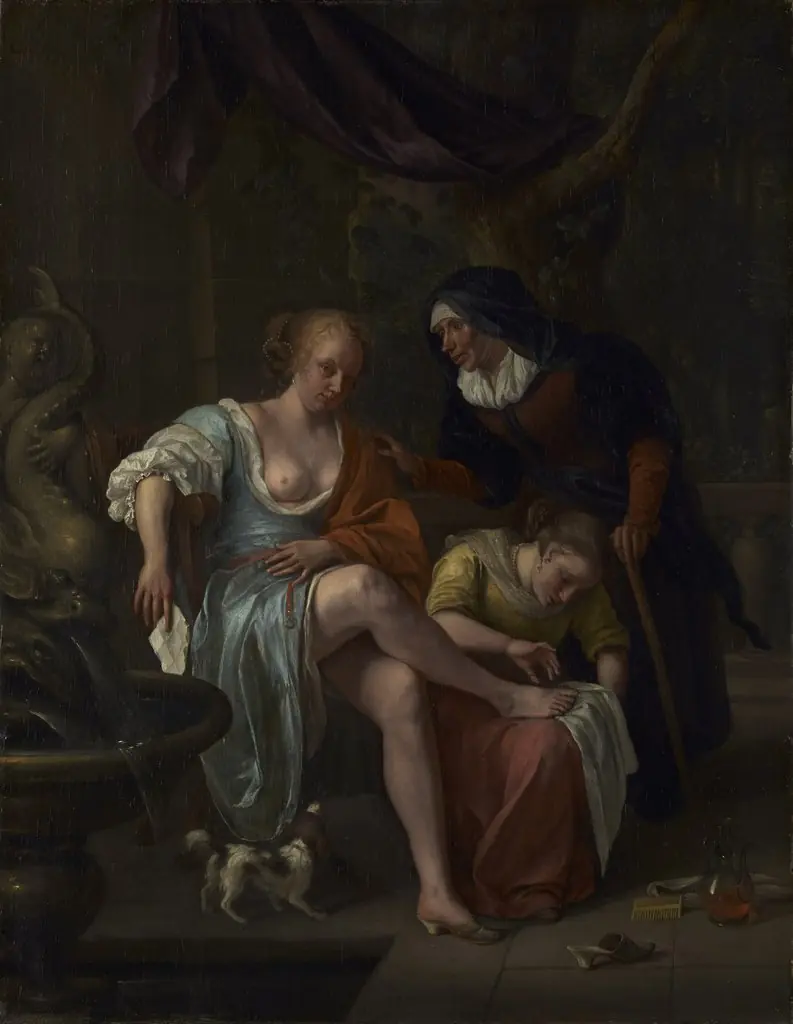 Bathsheba after the Bath