Artwork
Village Wedding
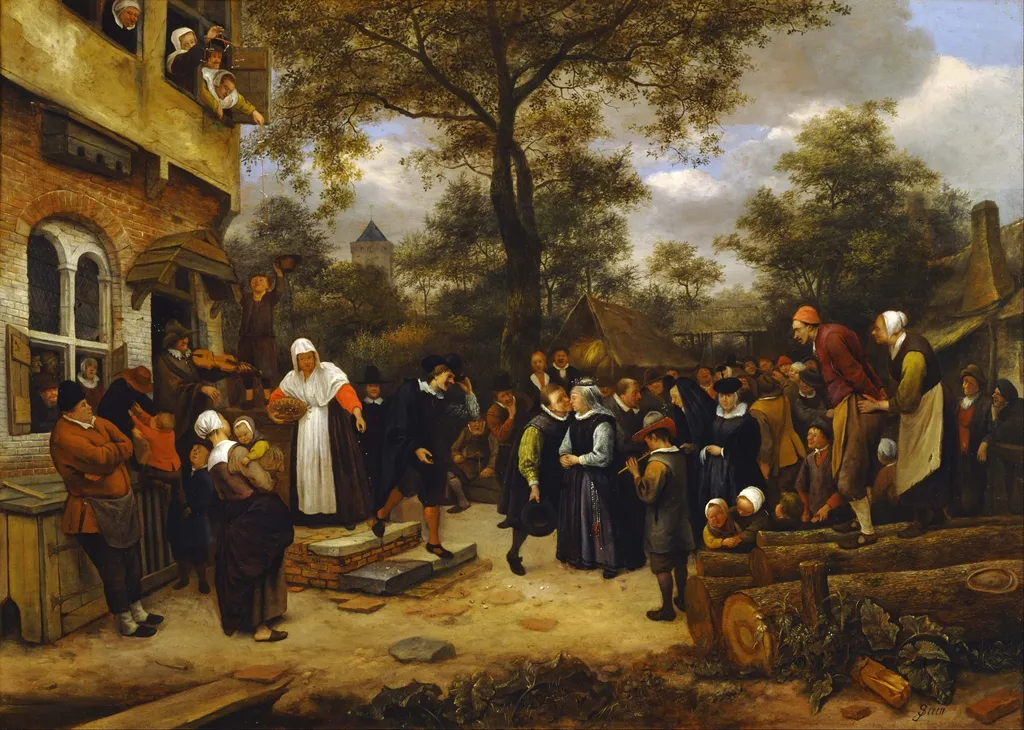
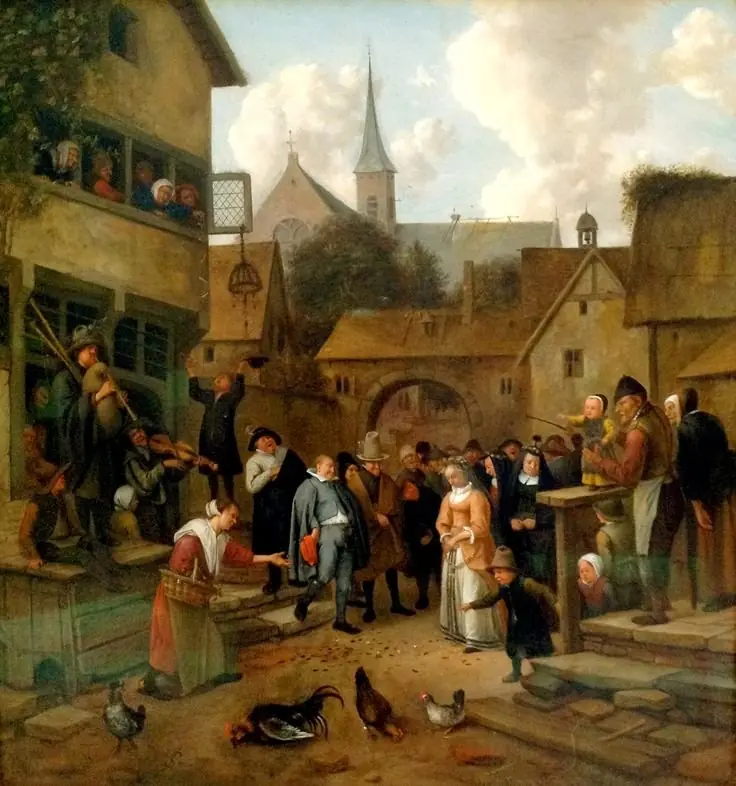
Village Wedding is an oil painting by the Dutch Golden Age artist Jan Steen. It dates from 1650 and is held in the collection of the National Museum of Western Art.
About this work
Overview
Village Wedding is a 17th-century oil painting by Dutch master Jan Steen, circa 1650, currently housed at the National Museum of Western Art. The work depicts a vibrant outdoor wedding scene.
Subject & Meaning
At the painting's core is a newlywed couple, distinguishable by their somber attire and the bride's white headscarf, surrounded by a joyful, diverse crowd. The scene conveys the communal celebration of marriage.
Technique & Style
Steen's characteristic use of oil paint captures the dynamic interplay of light and color, bringing vitality to the varied activities of the guests, from musicians to dancers, amidst a suggested village backdrop.
History & Provenance
Created around 1650, the painting's early history is not detailed in the provided sources, but it is now part of the collection at the National Museum of Western Art.
Context
Reflecting 17th-century Dutch societal values, the painting highlights the importance of communal gatherings and the role of marriage within the community, set against a typical Dutch village landscape.
Legacy
As a work by Jan Steen, Village Wedding contributes to the artist's reputation for capturing everyday Dutch life with warmth and detail, influencing subsequent depictions of domestic and social scenes in art.
Own this work as a print
Artist & collection
Artist
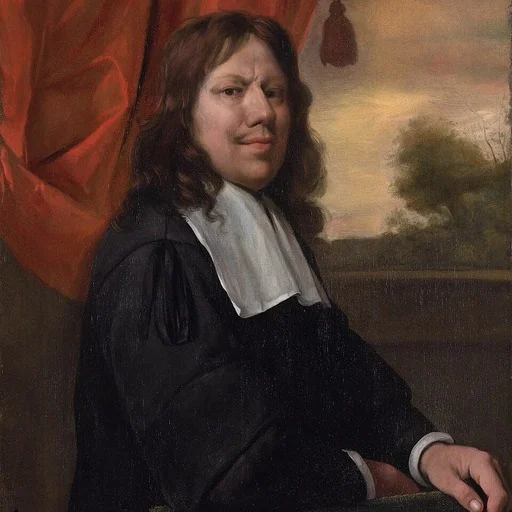
Jan Havickszoon Steen was a Dutch Golden Age painter, one of the leading genre painters of the 17th century.

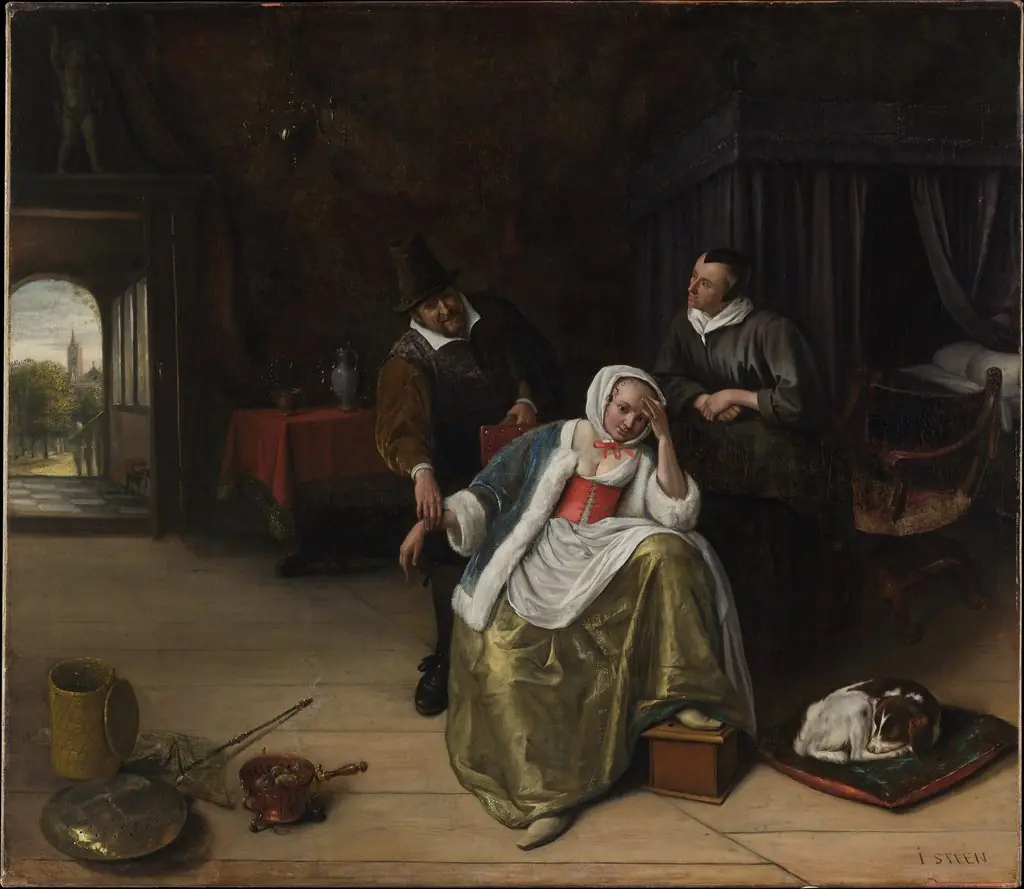 Paintings of physicians by Jan Steen
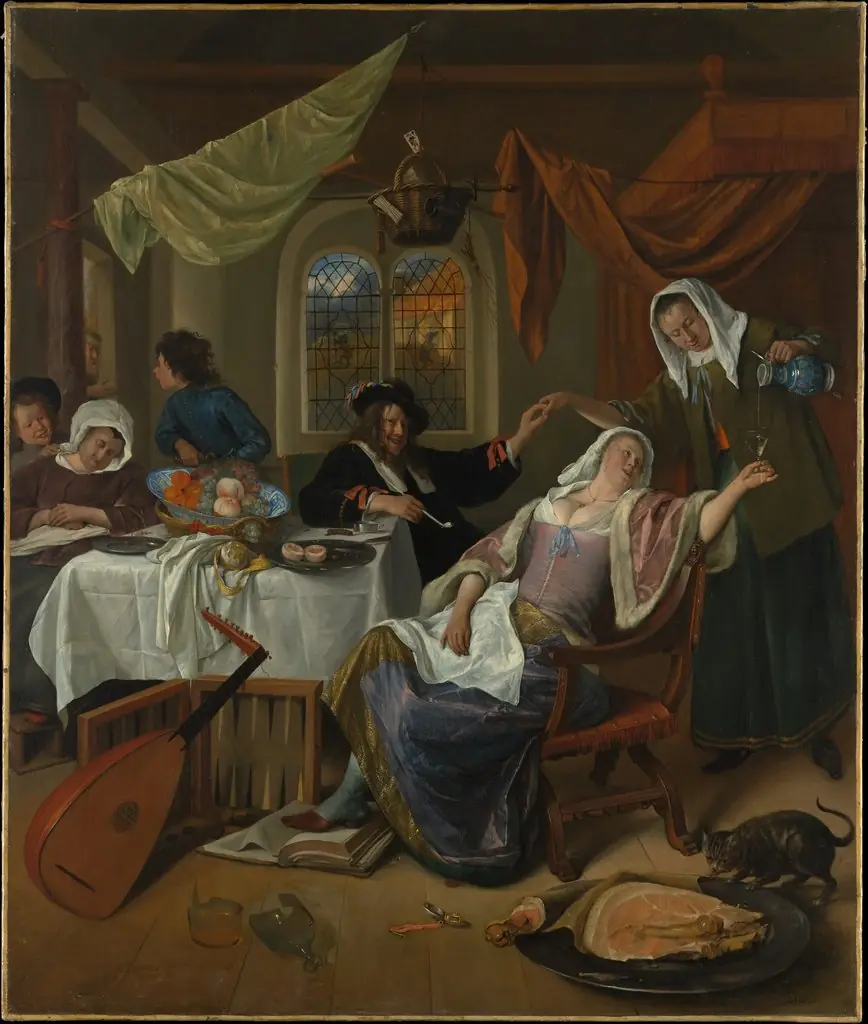 The Dissolute Household
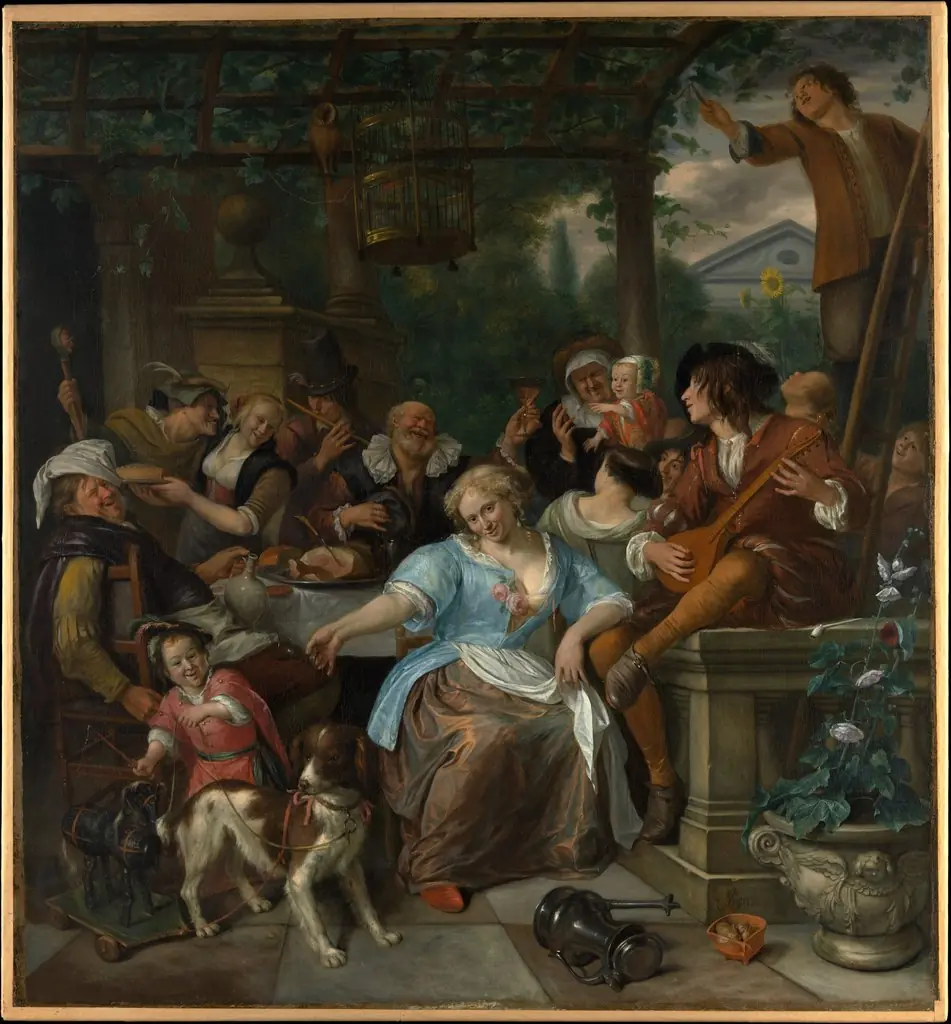 Merry Company on a Terrace
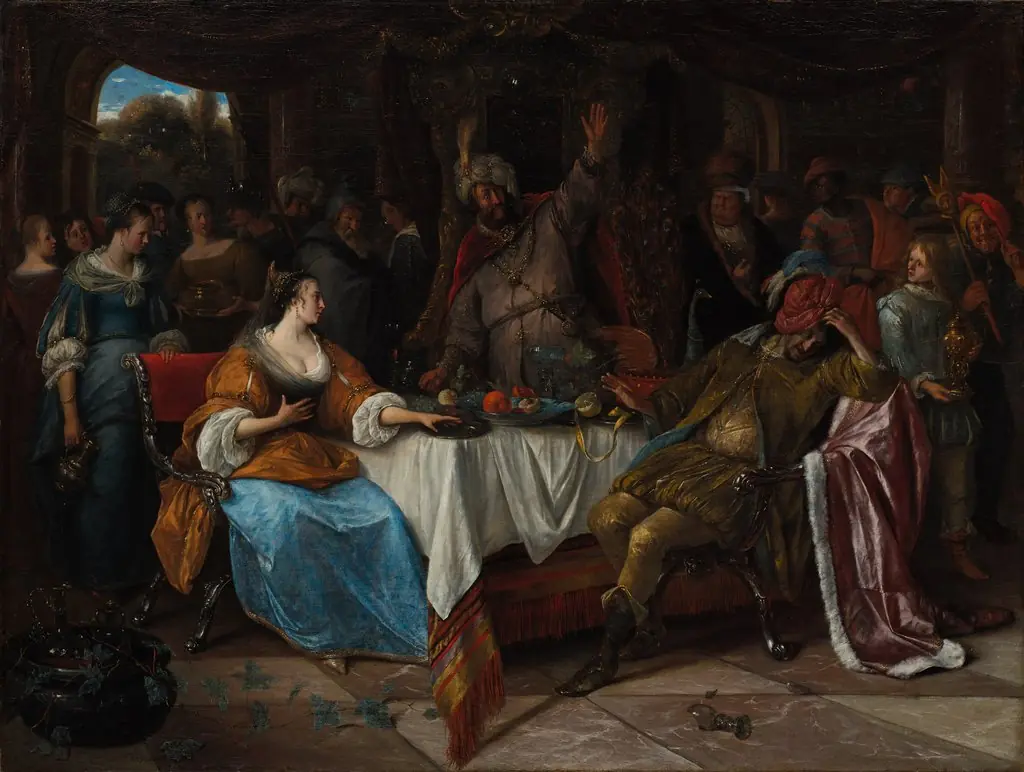 Esther, Ahasuerus, and Haman
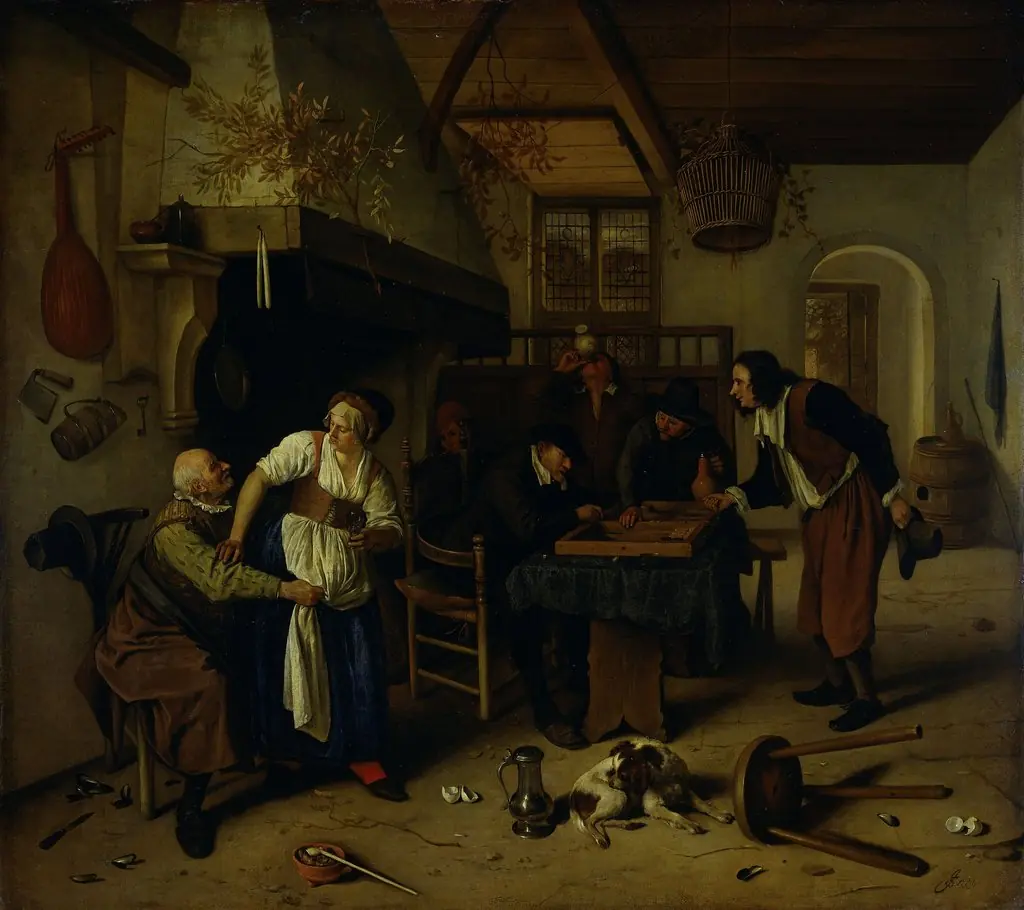 Interior of an inn with an old man amusing himself with the landlady and two men playing backgammon, known as 'Two kinds of games'
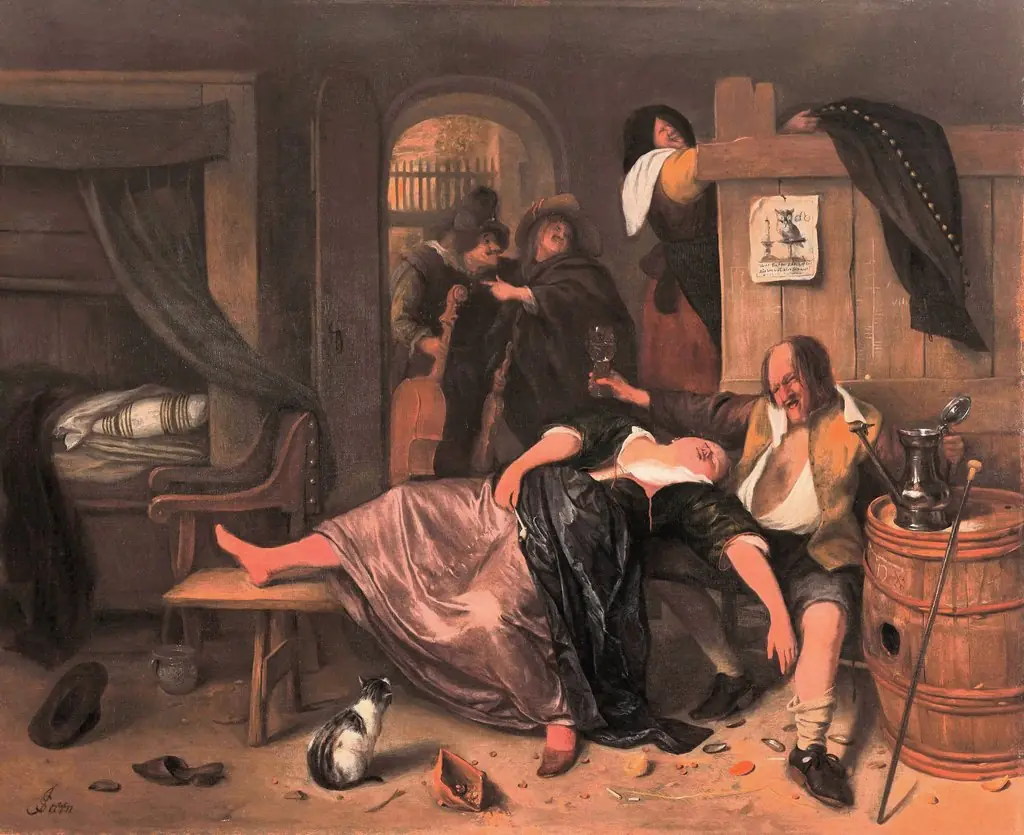 The Drunken Couple
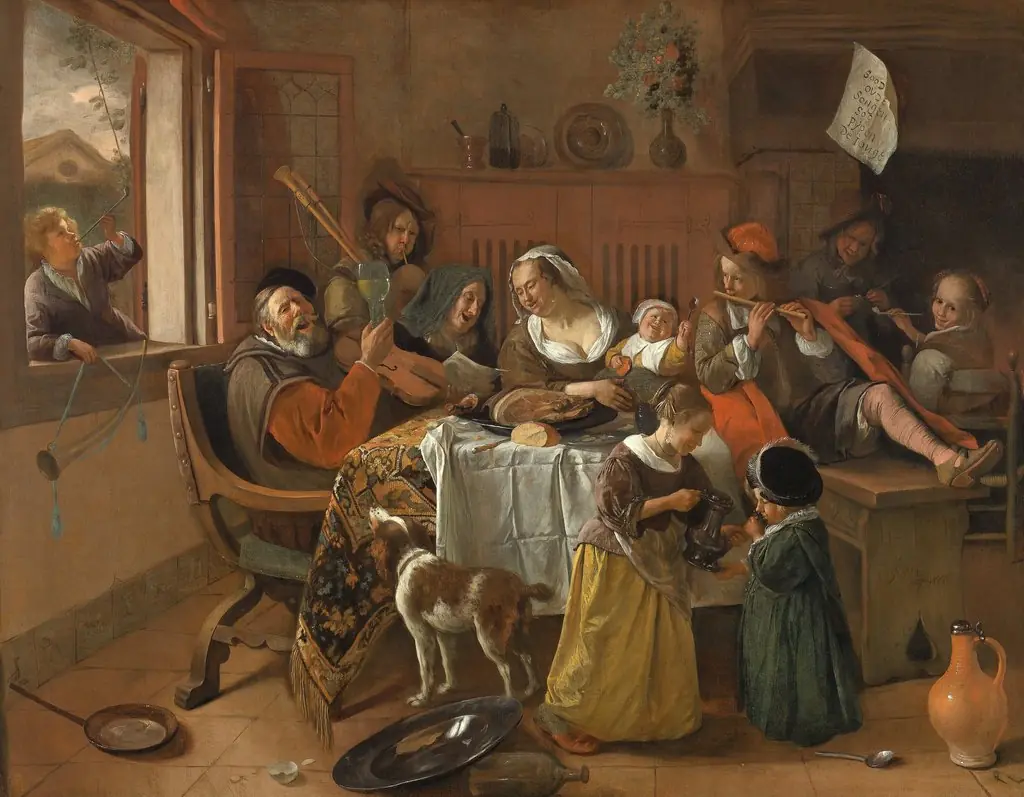 The Happy Family
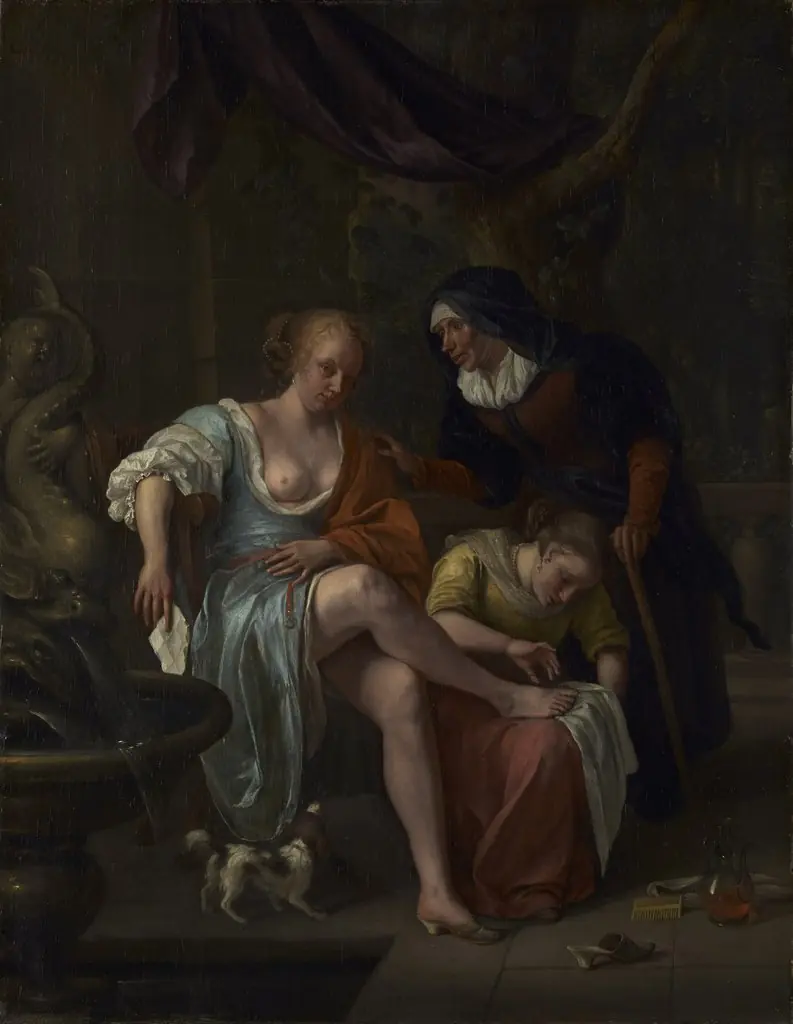 Bathsheba after the Bath