Artwork
Rivierlandschap
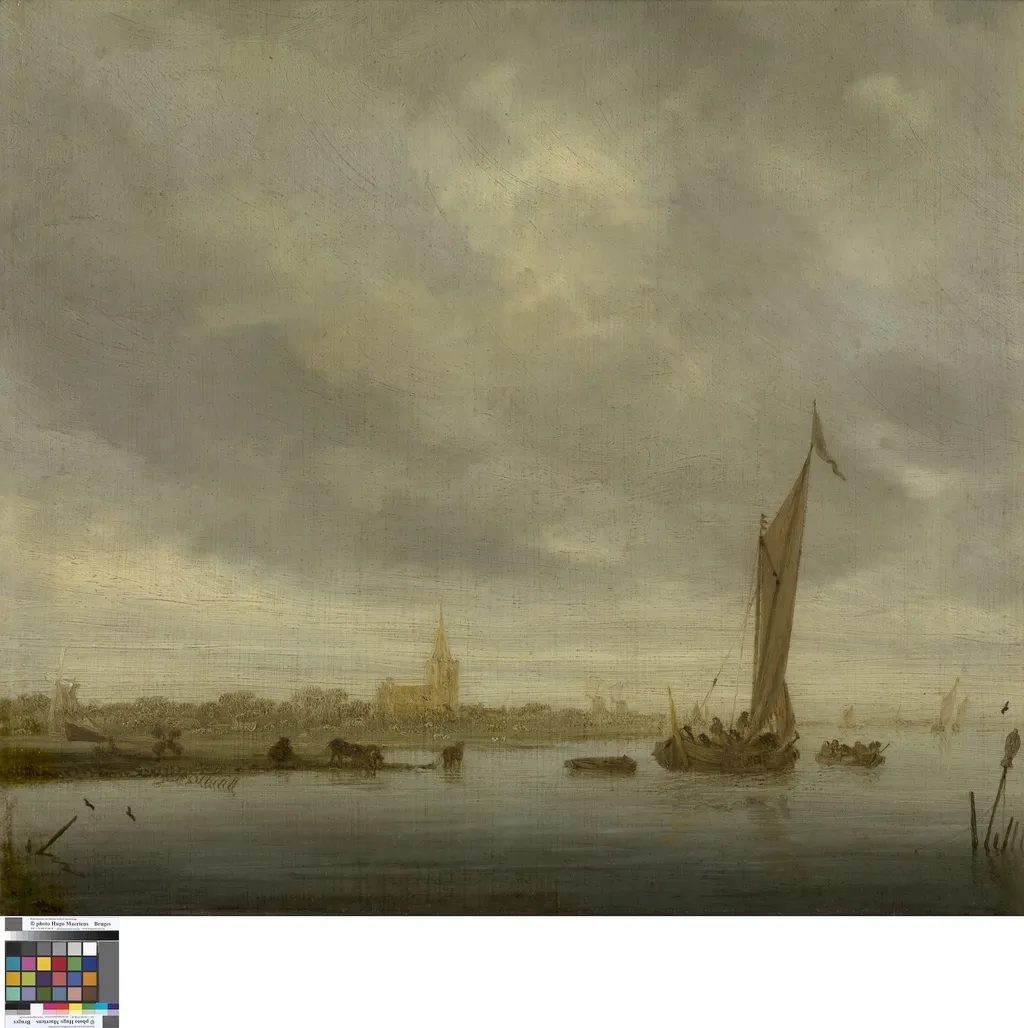
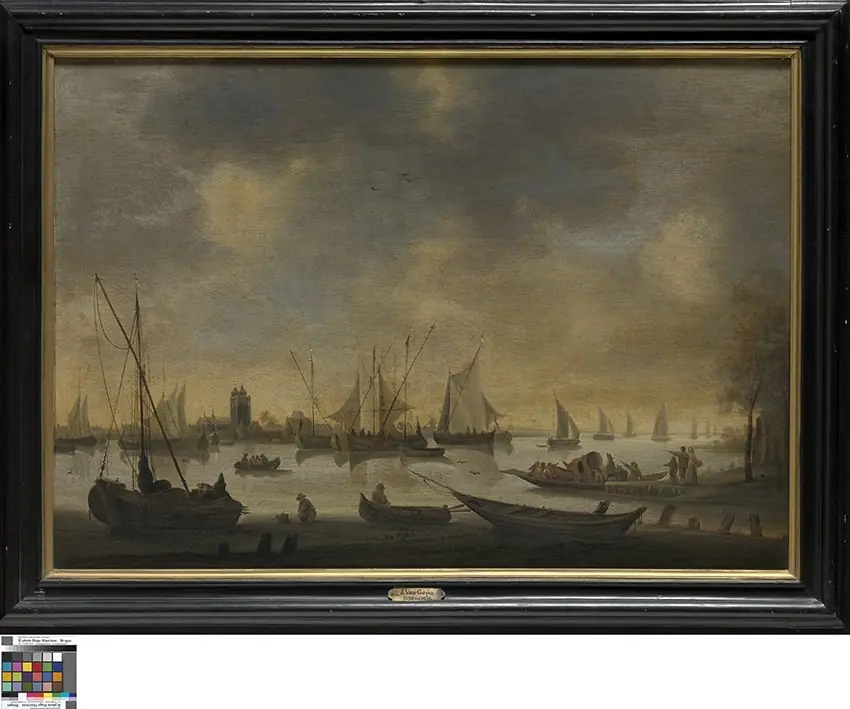
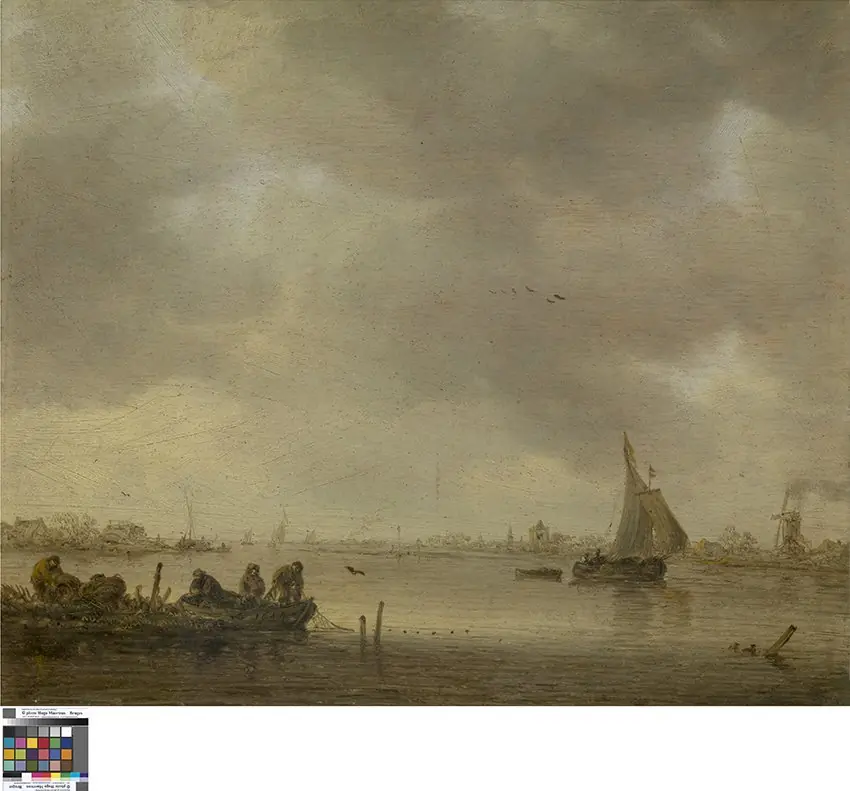
Rivierlandschap is an oil painting by the Dutch Golden Age artist Jan van Goyen. It dates from 1644 and is held in the collection of the Groeningemuseum.
About this work
Overview
The painting is part of the Groeningemuseum’s permanent collection, where it continues to represent the quiet lyricism of 17th-century Dutch landscape art.
Painted in 1644, *Rivierlandschap* is an oil-on-canvas landscape by Jan van Goyen, a central figure in Dutch Golden Age painting. The work exemplifies his focus on quiet, everyday natural scenes rather than grand narratives. Its subdued palette and atmospheric perspective reflect the artist’s signature style, emphasizing mood over detail. The painting is part of the Groeningemuseum’s permanent collection, where it continues to represent the quiet lyricism of 17th-century Dutch landscape art.
Subject & Meaning
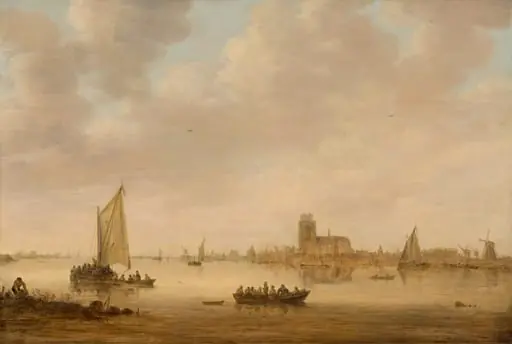
The scene portrays a tranquil river or lake, with a single sailboat gliding across the water under a soft, overcast sky. A distant church steeple anchors the horizon, suggesting human presence without intrusion. The composition avoids drama, instead inviting contemplation of ordinary rural life. Van Goyen’s choice of elements—water, sky, architecture, and a solitary vessel—conveys harmony between nature and human habitation, rooted in the Dutch appreciation for measured, unembellished reality.
Technique & Style
Van Goyen employed broad, economical brushwork to suggest texture and movement, particularly in the sky and water. His limited palette of grays, browns, and muted greens creates a cohesive tonal harmony. Light is diffused and subtle, modeling forms without harsh contrasts. The sailboat, rendered with slightly sharper definition, draws the eye naturally through the composition, demonstrating his mastery of spatial depth through atmospheric recession rather than linear perspective.
History & Provenance
Created during the height of van Goyen’s career, *Rivierlandschap* was likely produced for a private collector in the Dutch Republic, where landscape painting was in high demand. The work entered the Groeningemuseum’s collection in the 19th century, following the museum’s broader acquisition of Flemish and Dutch works from regional estates. Its continuous presence in institutional hands since then underscores its recognized significance within the regional artistic tradition.
Context
In mid-17th-century Holland, landscape painting flourished as a reflection of national identity and civic pride. Van Goyen’s works, including this one, responded to a market eager for depictions of familiar terrain—rivers, dunes, and villages—rather than idealized or foreign vistas. His approach, emphasizing atmosphere and light over narrative, aligned with broader trends in Dutch art that valued observation and restraint over theatricality.
Legacy
Van Goyen’s influence extended to later landscape painters who adopted his tonal methods and compositional restraint. *Rivierlandschap* remains a representative example of how Dutch artists transformed mundane scenery into evocative, emotionally resonant images. While not widely exhibited outside Belgium, the painting continues to inform scholarly understanding of early landscape conventions and the quiet aesthetic values of the Dutch Golden Age.
Own this work as a print
Artist & collection
Artist
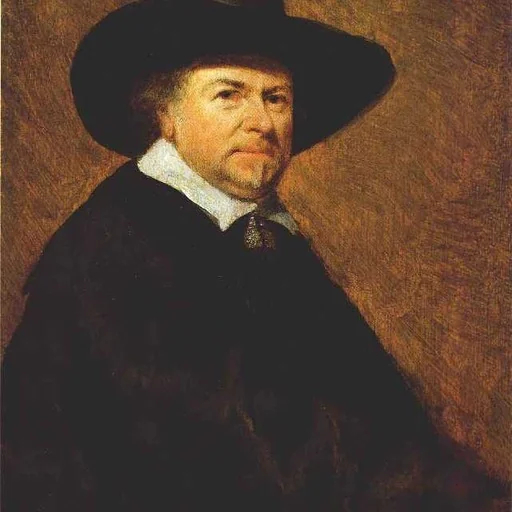
Jan Josephszoon van Goyen (Dutch pronunciation: ; 13 January 1596 – 27 April 1656) was a Dutch landscape painter.

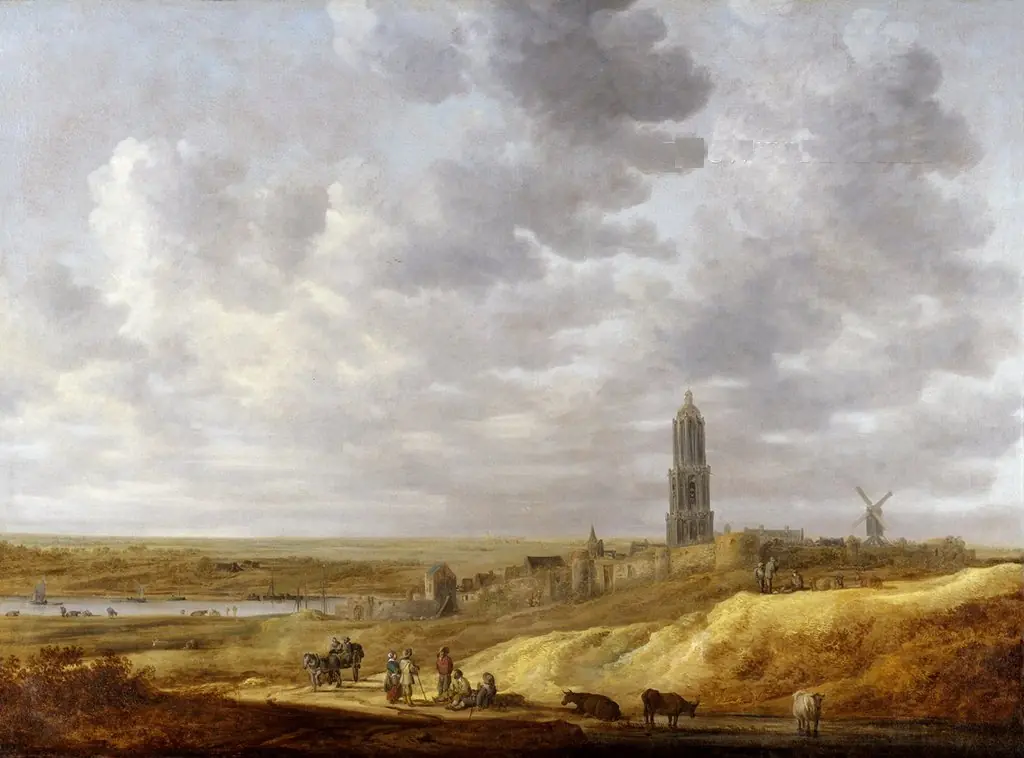
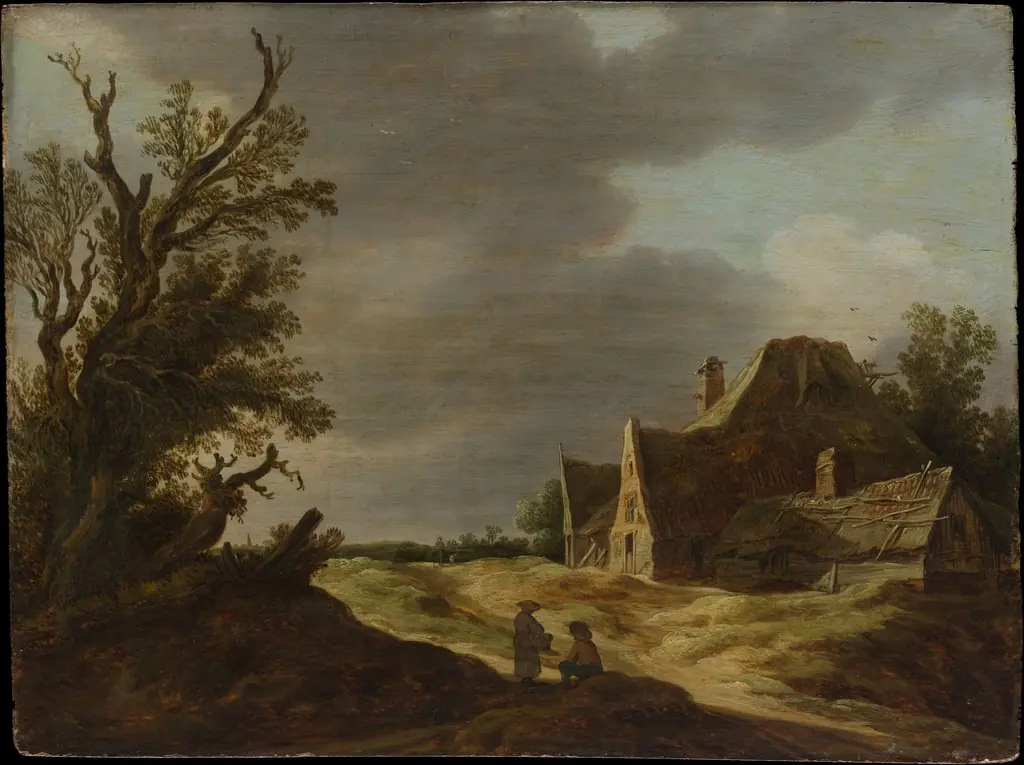
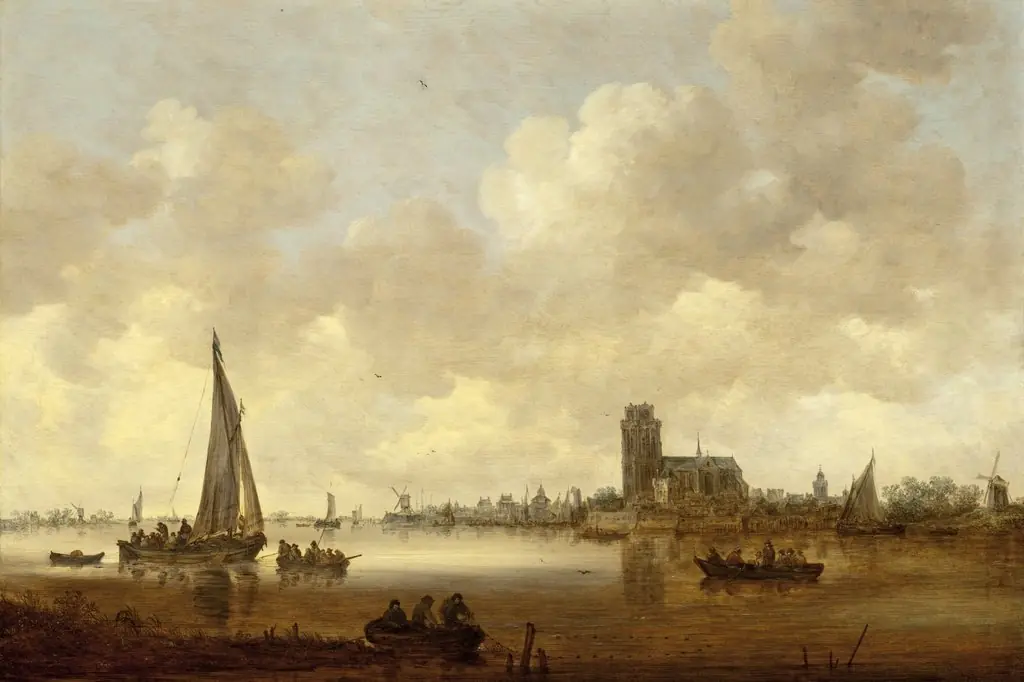 View of Dordrecht
 Rivierlandschap
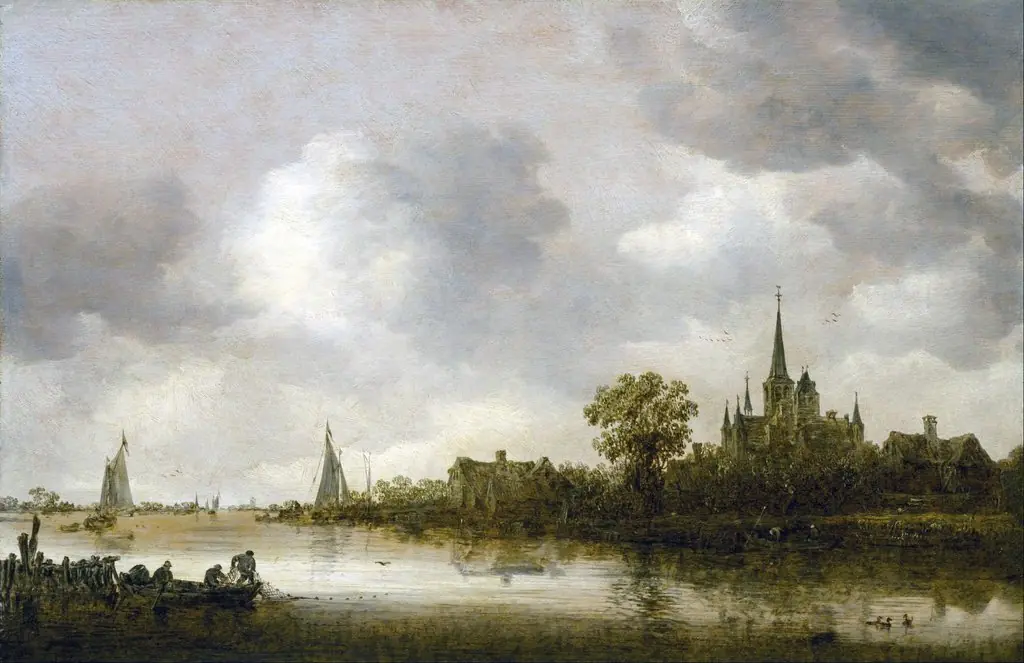 River Landscape with a Church in the Distance
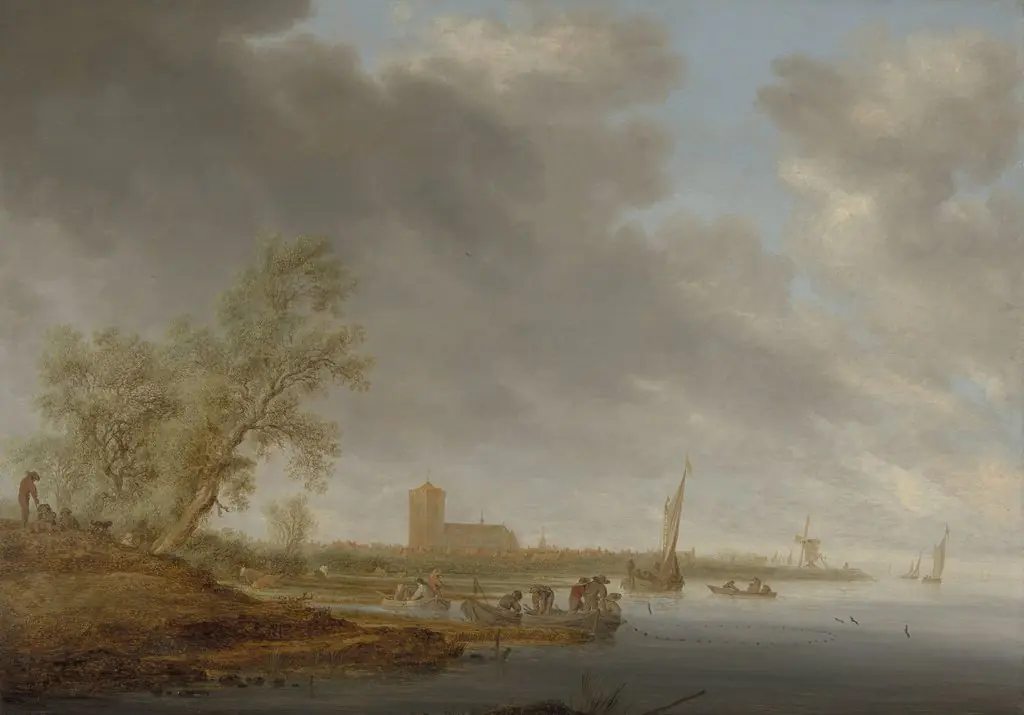 River Landscape with a View of Naarden
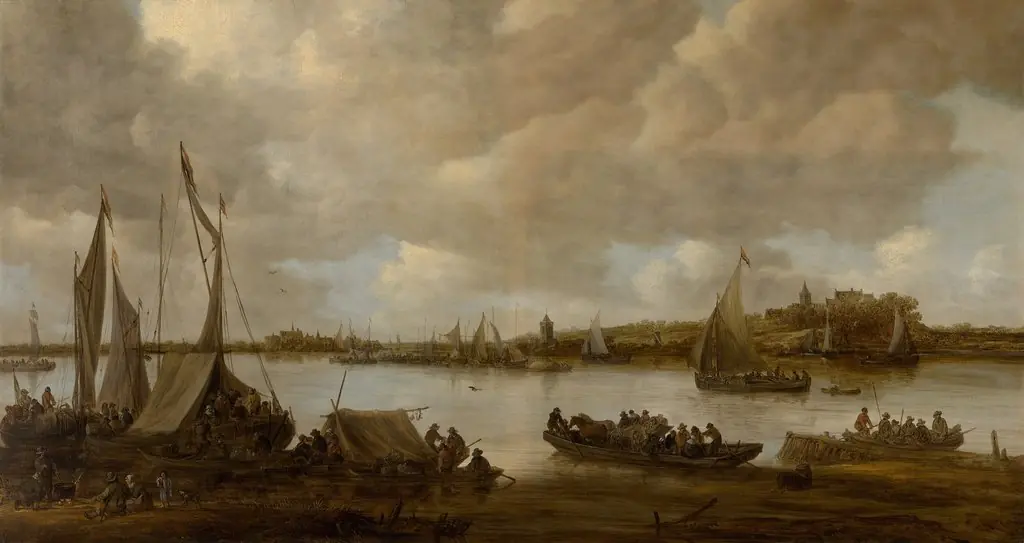 View of the Rhine near Hoog-Elten
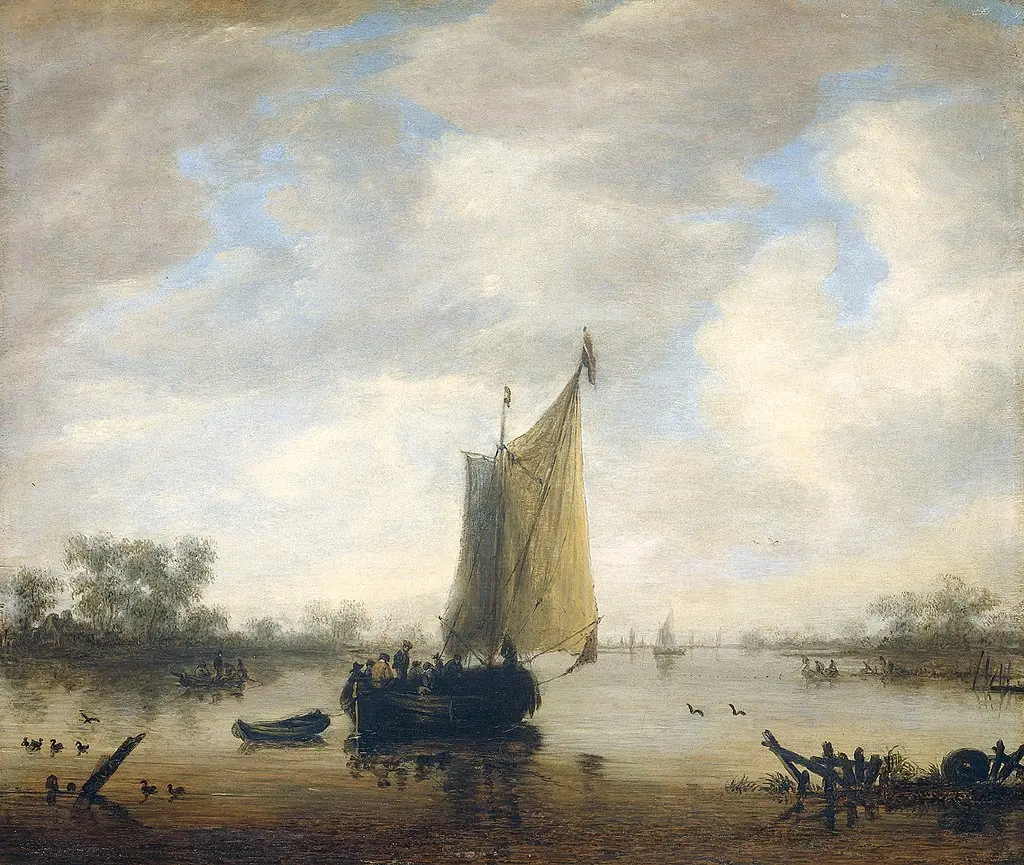 River view
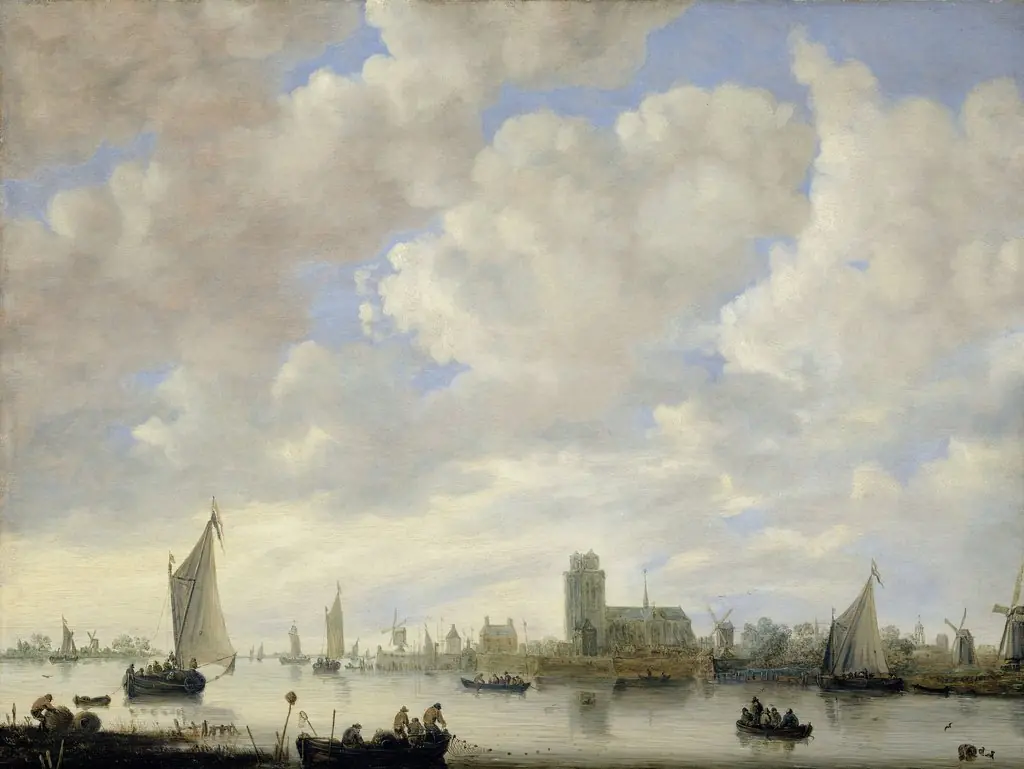 View of the Merwede off Dordrecht
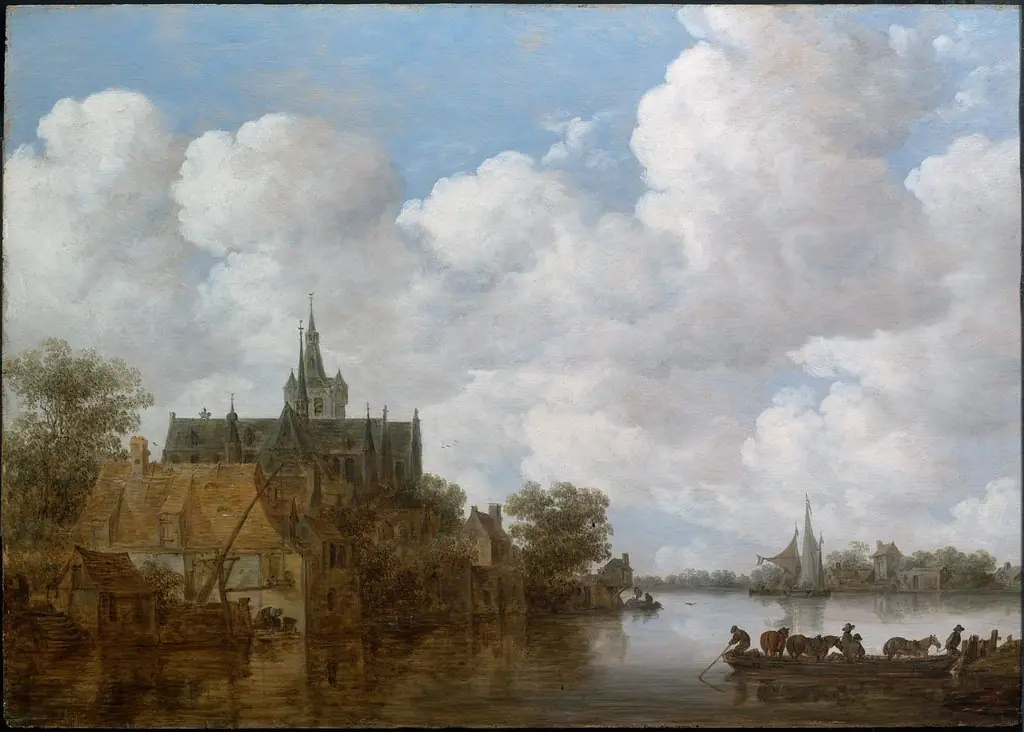 River Landscape with a Ferry and a Church
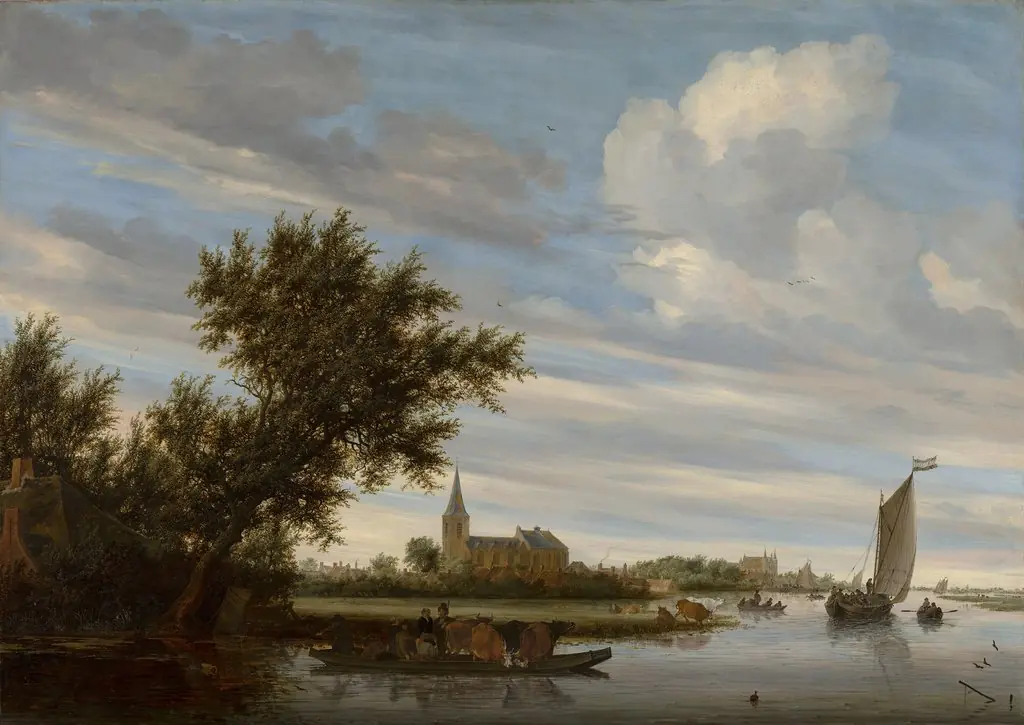 River View with Church and Ferry
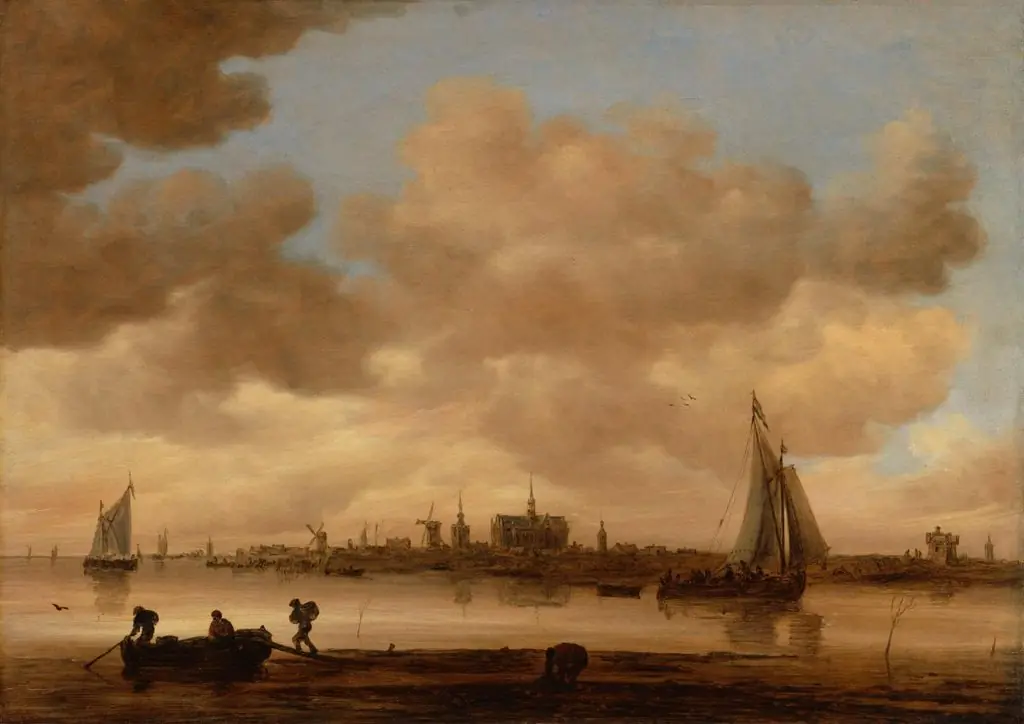 Blick über den Fluss auf Goes
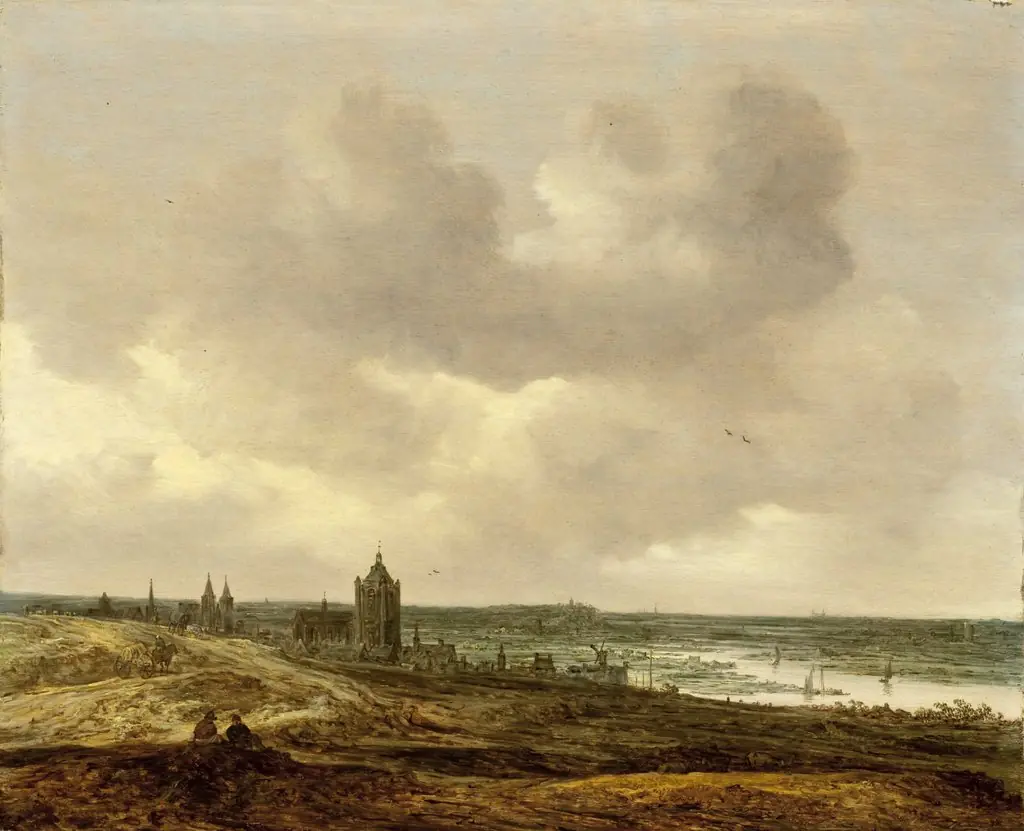 View of Arnhem
 Rivierlandschap