Artwork
The Four Continents: Asia
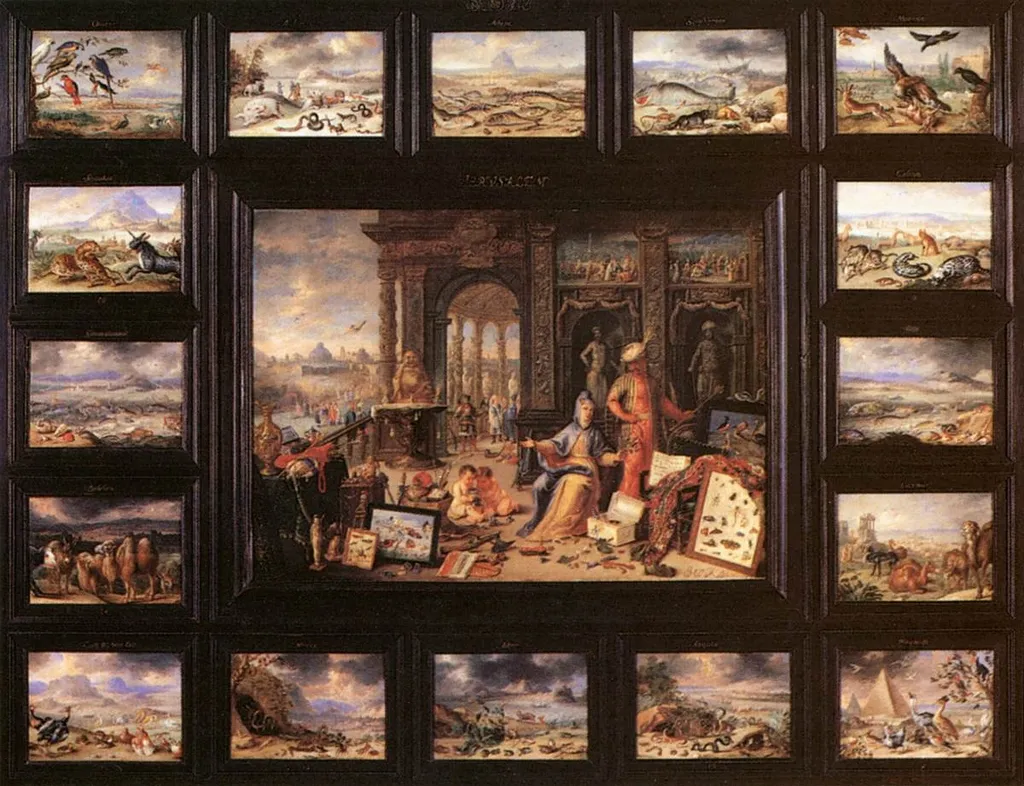
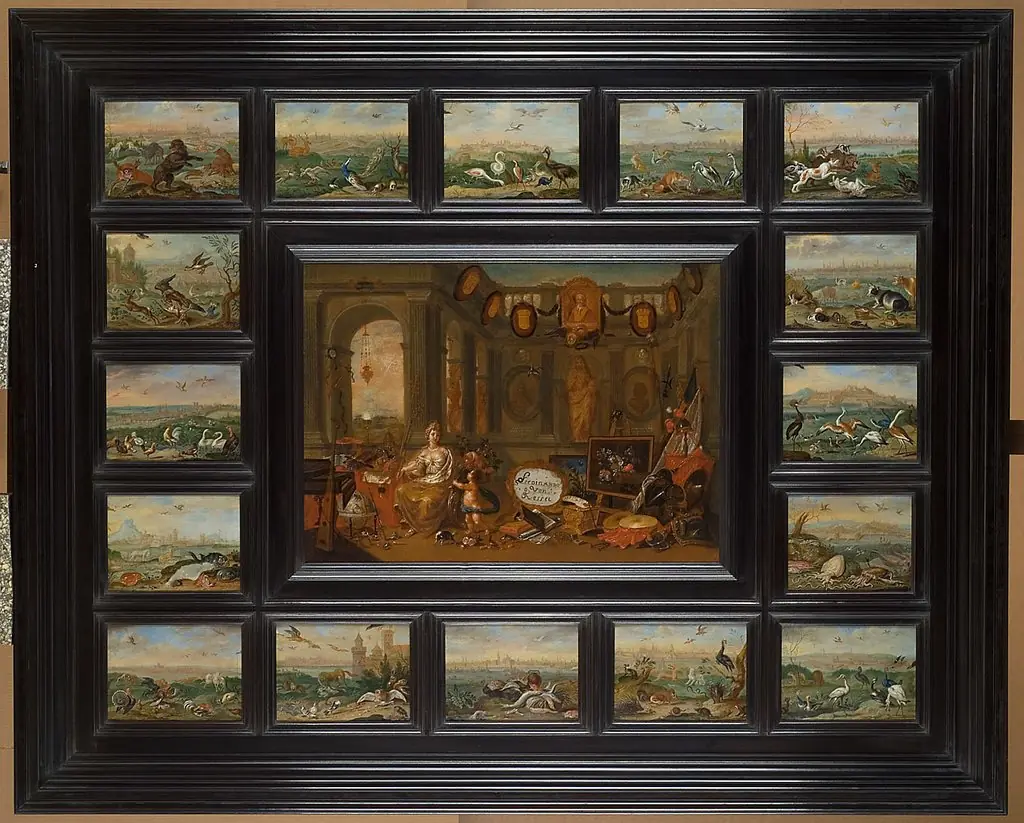
The Four Continents: Asia is an oil painting by the Barbizon school artist Jan van Kessel the Elder. It dates from 1666 and is held in the collection of the Bavarian State Painting Collections.
About this work
Overview
The Four Continents: Asia is a 1666 oil painting by Jan van Kessel the Elder, a Flemish artist known for his diverse output in still lifes, landscapes, and allegorical works. The piece is part of the Alte Pinakothek's collection.
Subject & Meaning
The painting allegorically represents the continent of Asia through a regally adorned woman surrounded by exotic objects, maps, and globes, symbolizing the continent's wealth and geographic identity.
Technique & Style
Characterized by vivid colors, intricate textures, and detailed patterns, the work reflects Kessel's Flemish heritage, influenced by his grandfather Jan Brueghel the Elder, though the attribution to the Barbizon school may be misleading given the chronological and stylistic discrepancies.
History & Provenance
Created in 1666, the painting is now housed in the Alte Pinakothek. Note: The mentioned Barbizon school affiliation is likely incorrect, as this movement emerged later, in the 19th century.
Context
While often associated with the Barbizon school, this alignment is chronologically inconsistent. Instead, the piece fits within the broader context of 17th-century Flemish allegorical painting, emphasizing exoticism and global awareness.
Legacy
The Four Continents: Asia contributes to the artistic legacy of Jan van Kessel the Elder, showcasing his ability to blend symbolism with meticulous detail, appealing to viewers interested in 17th-century Flemish art and allegorical themes.
Artist & collection
Artist
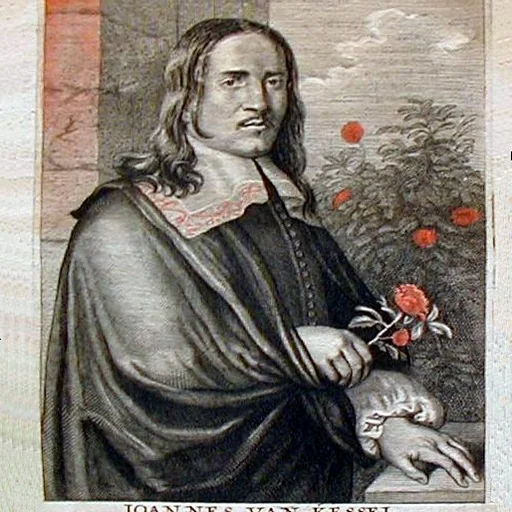
Jan van Kessel the Elder or Jan van Kessel (I) (baptized 5 April 1626, Antwerp – 17 April 1679, Antwerp) was a Flemish painter active in Antwerp in the mid-17th century.

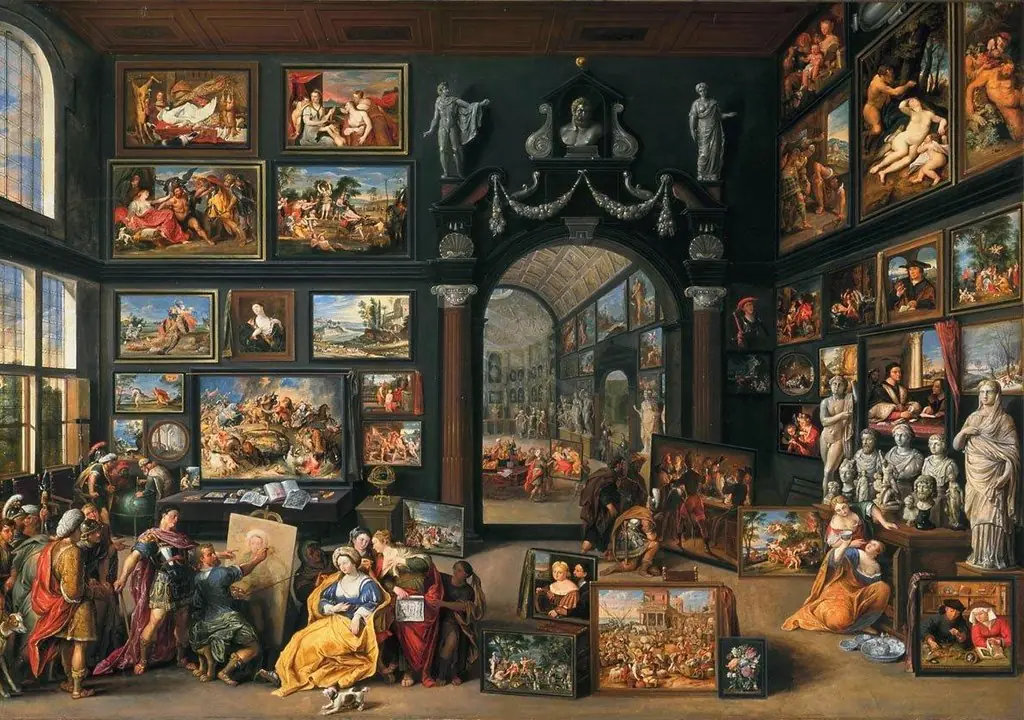 Appelles painting Campaspe
 Europa
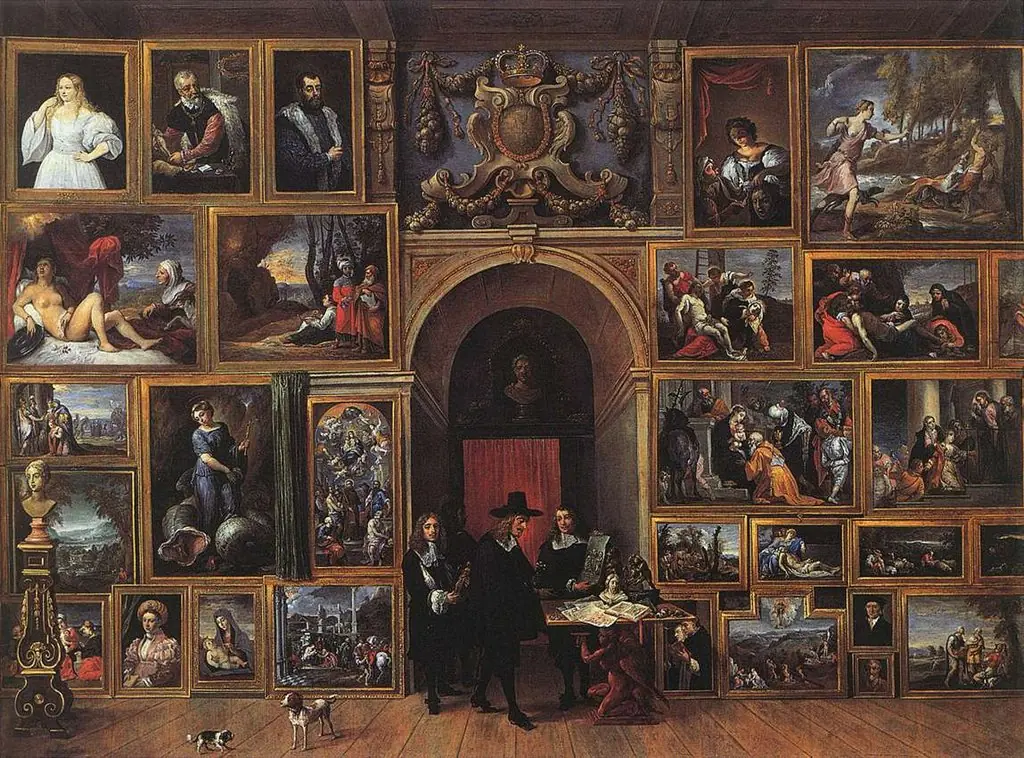 Archduke Leopold Wilhelm of Austria in his Gallery
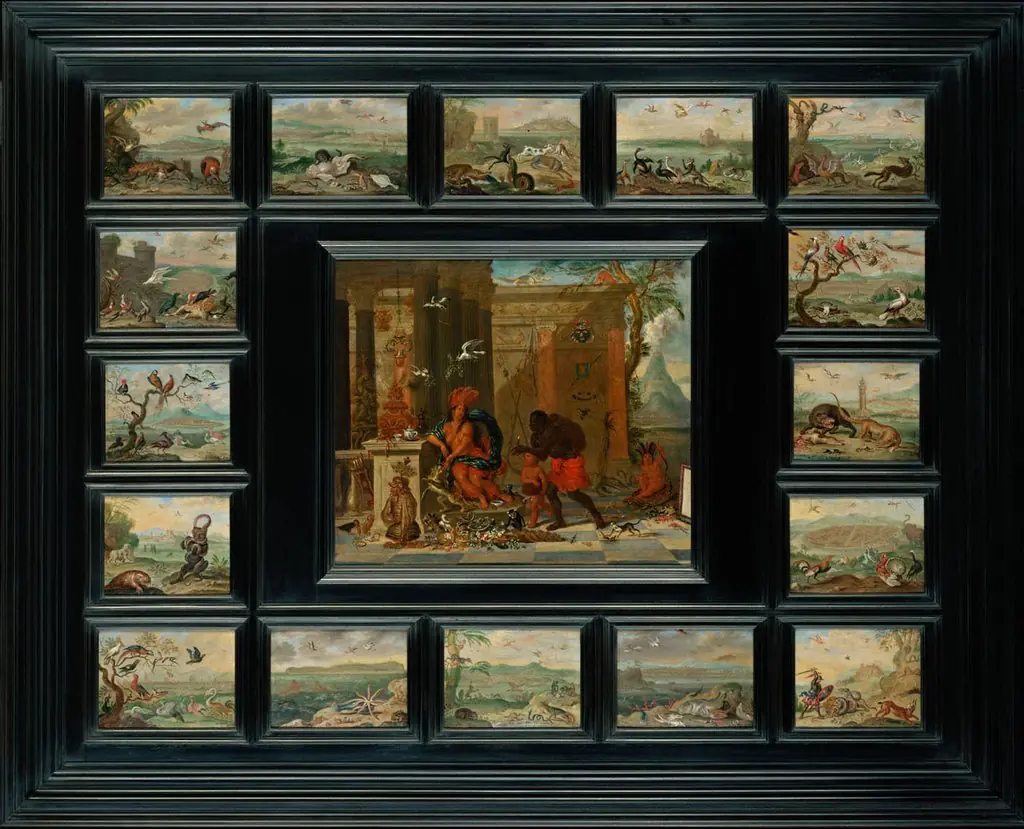 Amerika und andere Ansichten
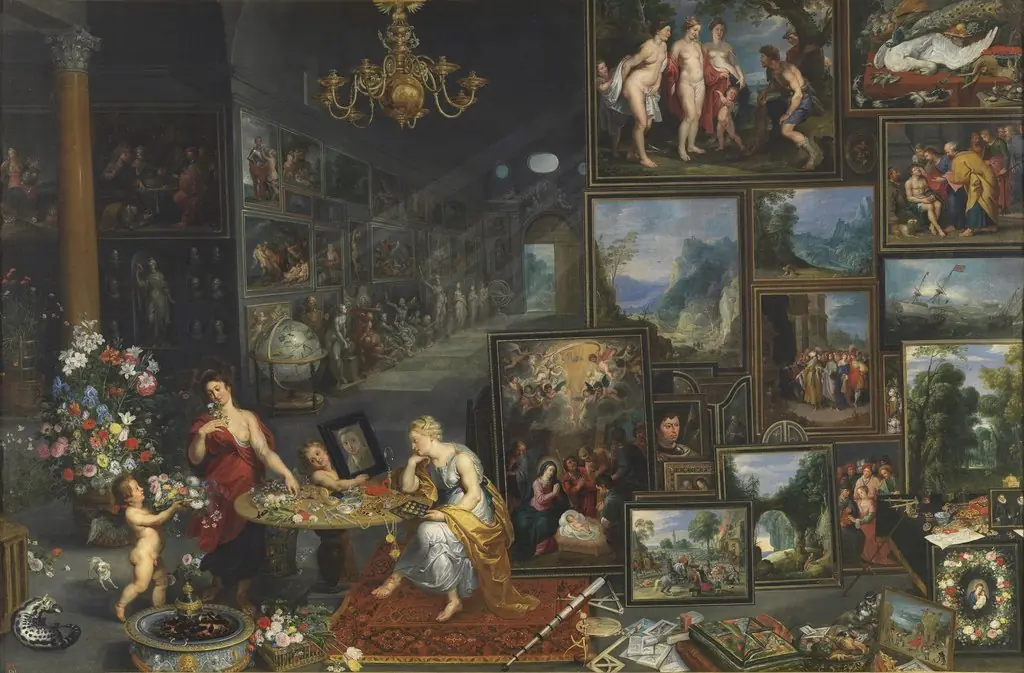 Allegory of Sight and Smell
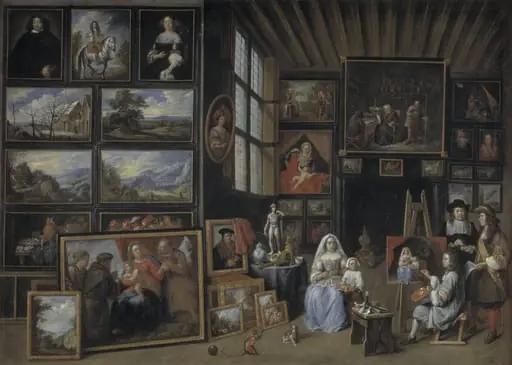 A Picture Gallery with an Artist Painting a Woman and a Girl. Allegory of the Art of Painting
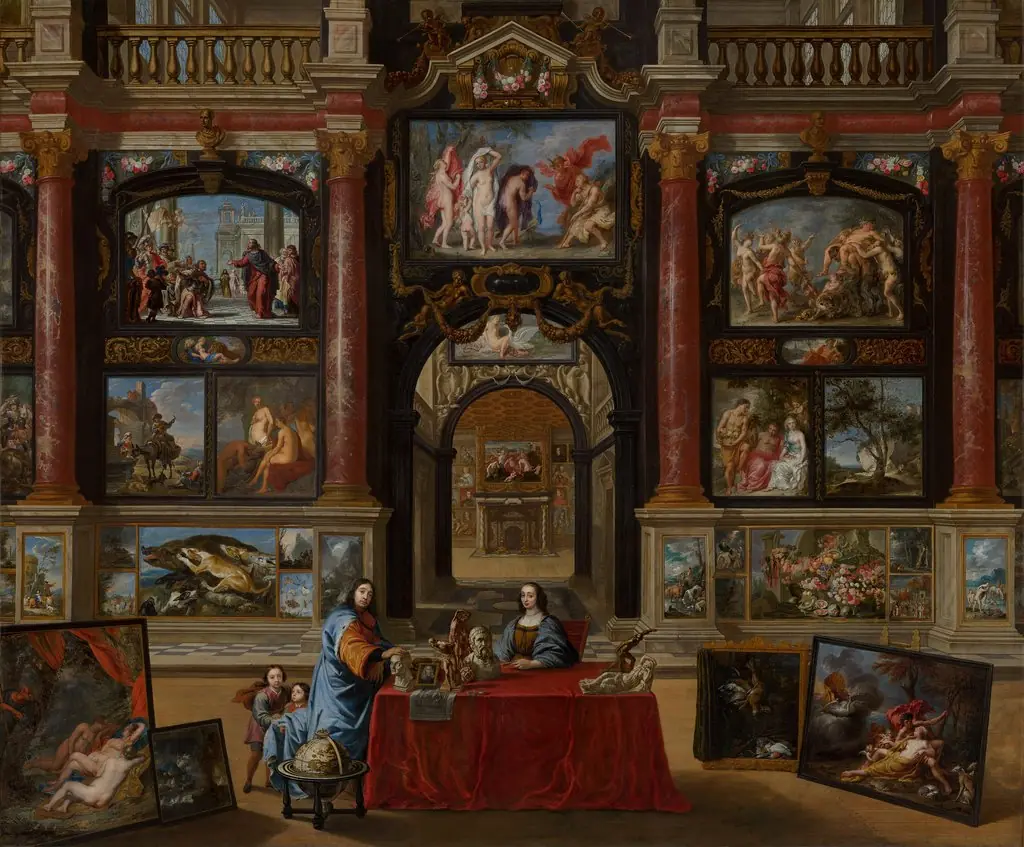 Intérieur avec personnages devant une collection de peintures
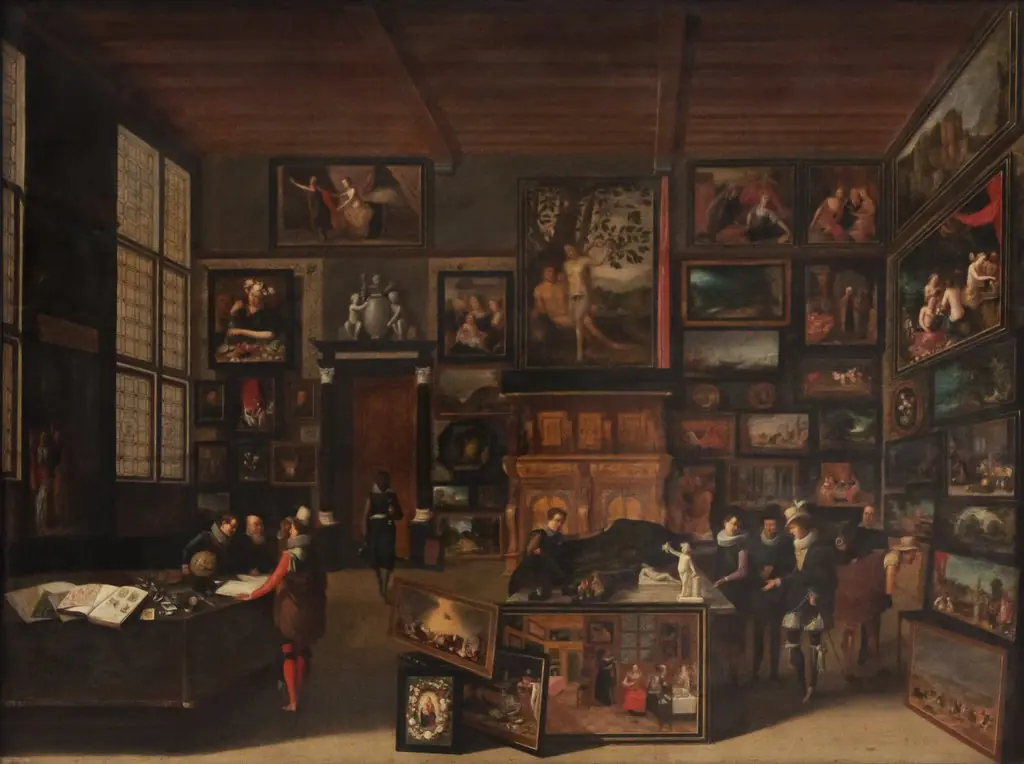 The Art Gallery of Jan Snellinck
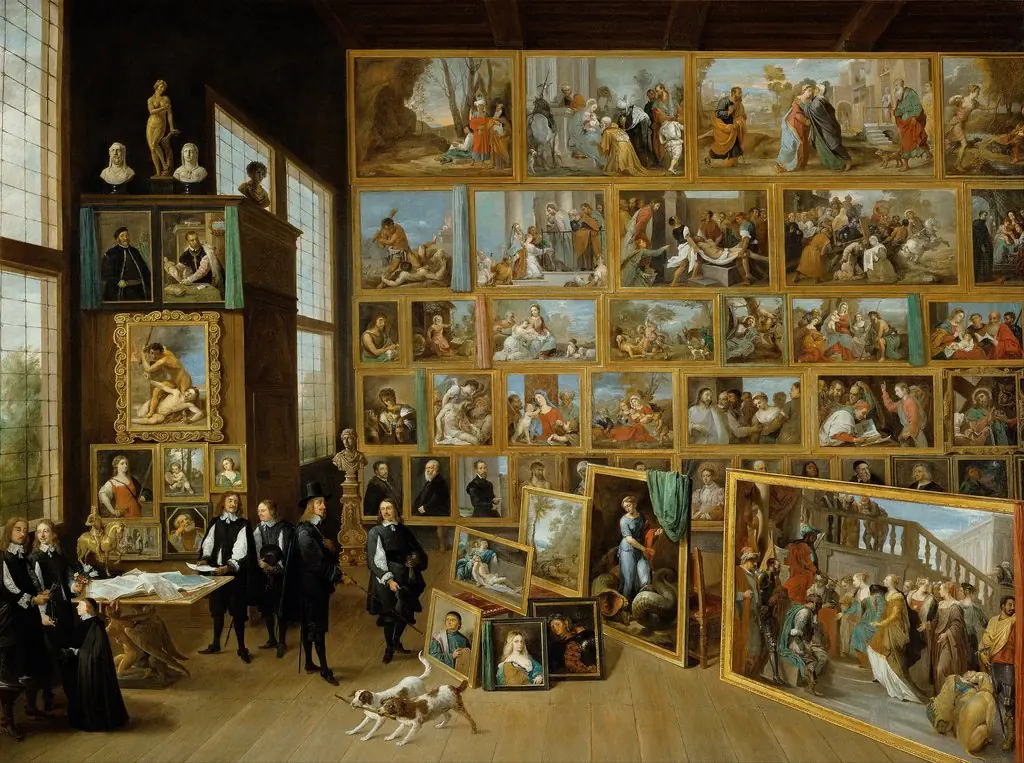 Archduke Leopold Wilhelm in his Gallery in Brussels
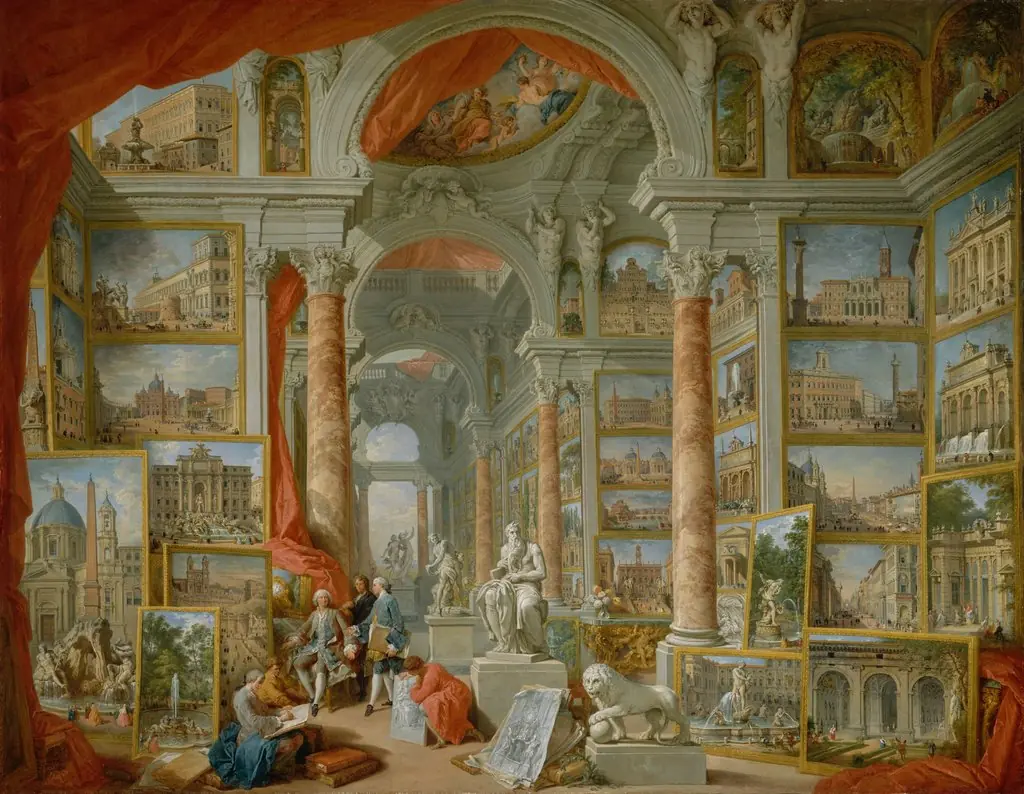 Modern Rome