Artwork
Boaz and Ruth
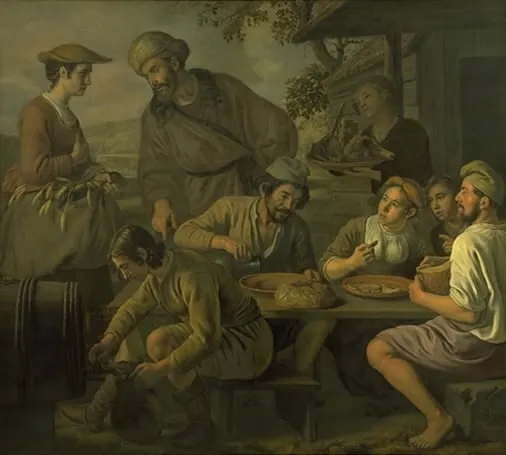
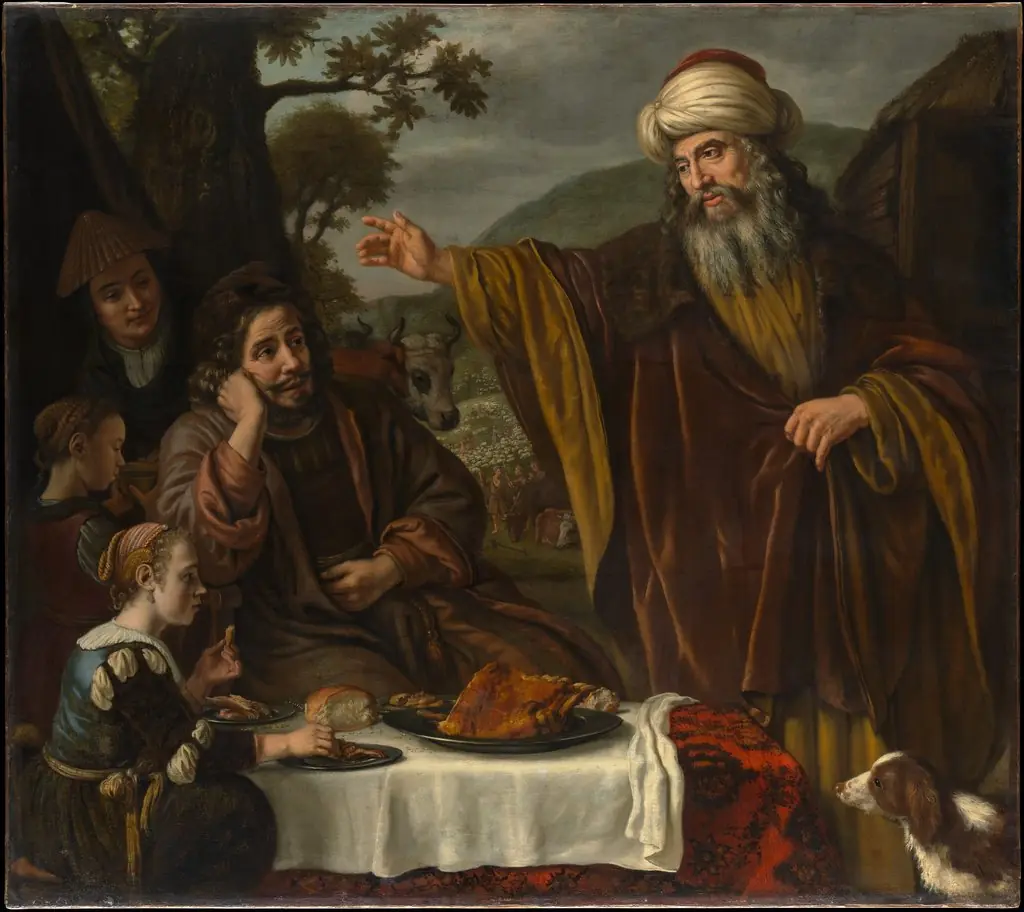
Boaz and Ruth is an oil painting by the Dutch Golden Age artist Jan Victors. It dates from 1655 and is held in the collection of the Statens Museum for Kunst.
About this work
Overview
Jan Victors, a Dutch painter of the mid‑17th century, completed the oil work *Boaz and Ruth* in 1655. Executed in the tradition of Dutch history painting, the canvas presents a domestic biblical scene rendered with the restrained palette and compositional balance typical of the period.
Subject & Meaning
The composition illustrates the Old Testament narrative of Boaz and Ruth, focusing on a modest gathering around a table. A standing male figure presides over a seated woman and child, suggesting themes of hospitality, protection, and the social bonds that underlie Ruth’s integration into Boaz’s household.
Technique & Style
Victors employs chiaroscuro to model the figures, allowing light to illuminate faces while deeper shadows recede, thereby creating spatial depth. The warm, earthy tones and careful handling of oil paint convey the intimacy of an indoor setting, while the arrangement of bread and a basket adds a still‑life element that reinforces the scene’s everyday realism.
History & Provenance
The painting has remained in public collections and is currently housed in the Statens Museum for Kunst in Copenhagen. Its provenance reflects the artist’s reputation for biblical subjects within the Calvinist artistic climate, which favored narrative clarity over overtly devotional iconography.
Context
Victors worked in a milieu heavily influenced by Rembrandt, adopting similar approaches to light and human expression. His focus on biblical episodes without depictions of Christ, angels, or nudity aligns with the Dutch Calvinist preference for modest, scripturally grounded imagery during the Golden Age.
Artist & collection
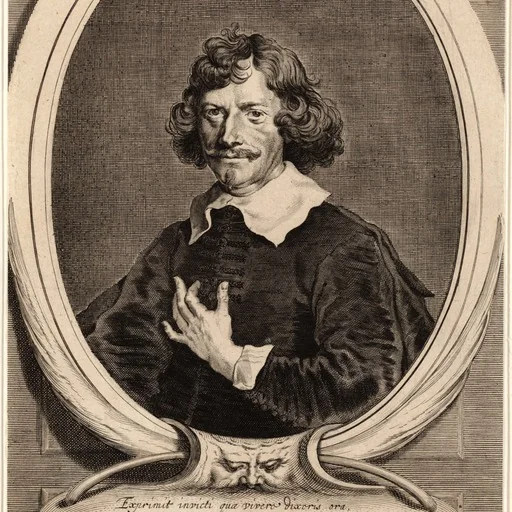
Artist
Jan Victors (or Fictor; 1619 – 1676) was a Dutch Golden Age painter mainly of history paintings of Biblical scenes, with some genre scenes.