Artwork
Alicia Boylston
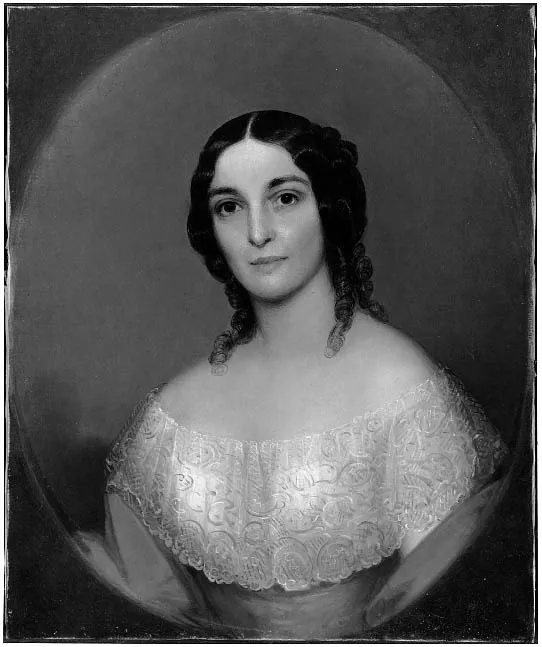
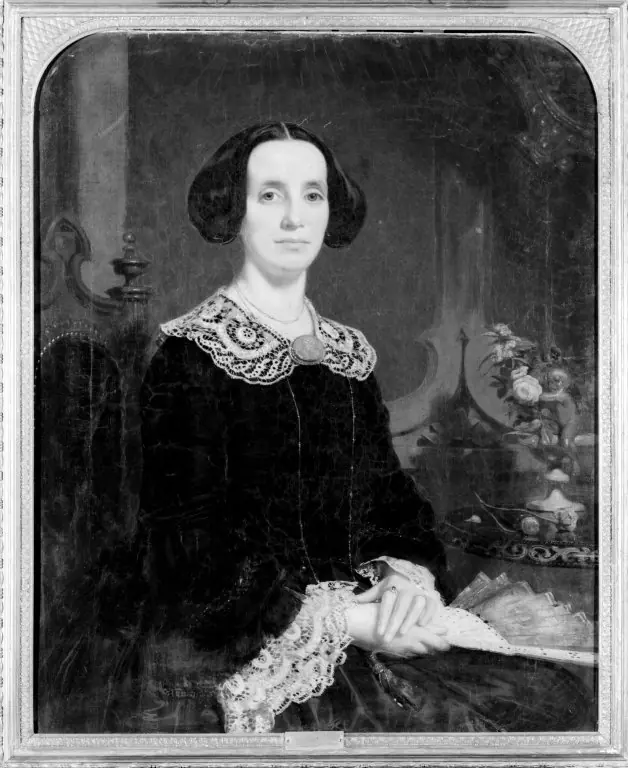
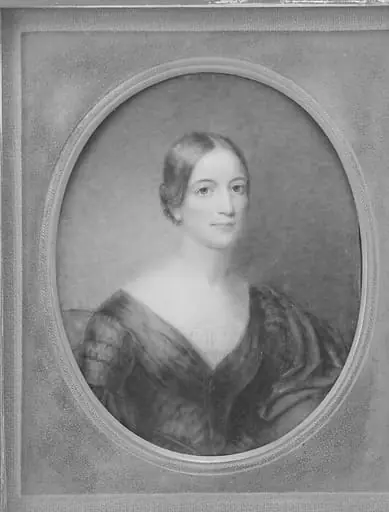
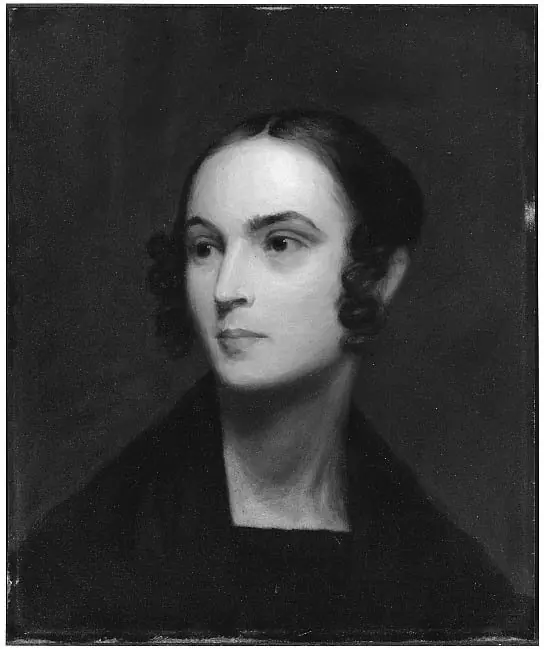
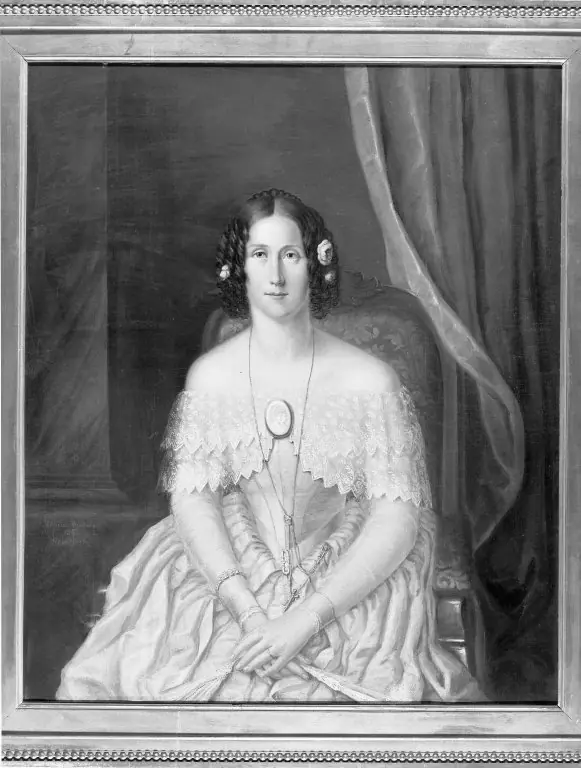
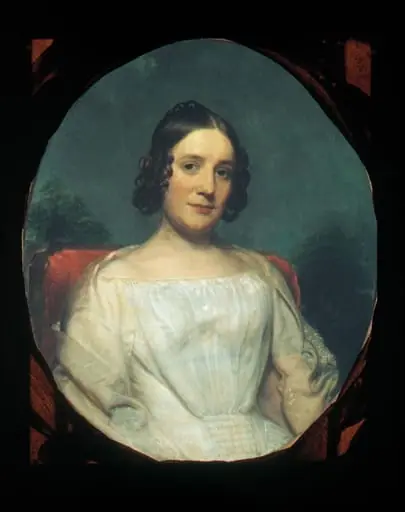
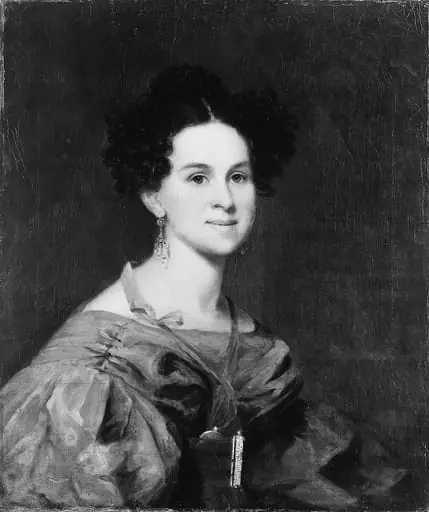
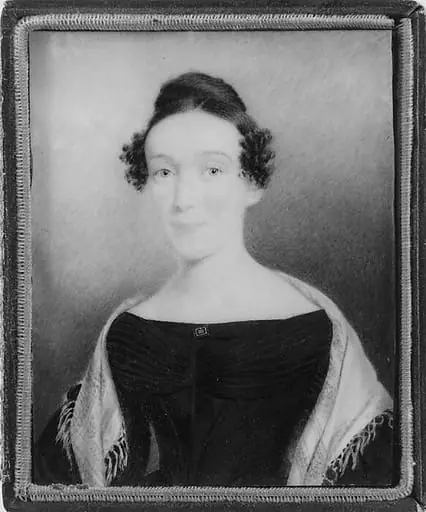
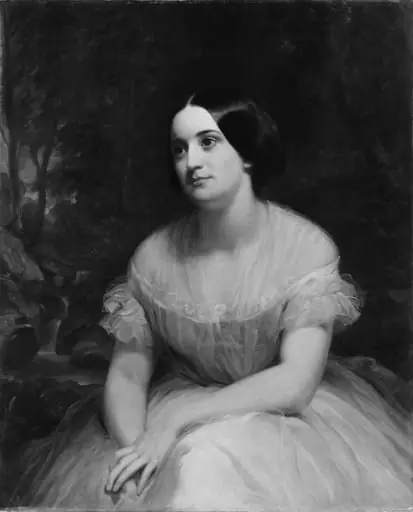
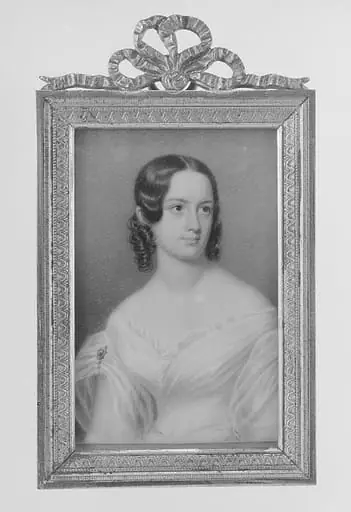
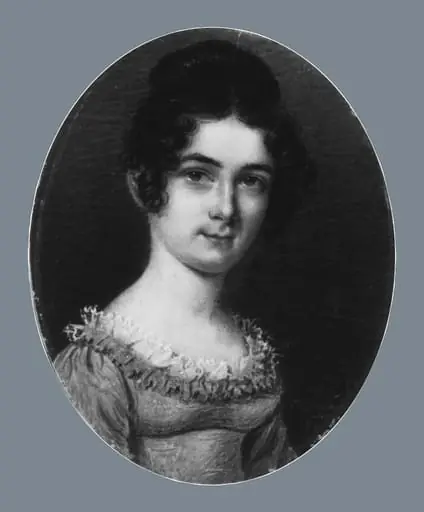
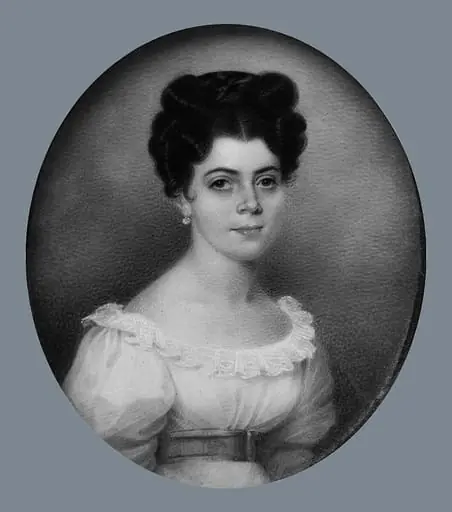
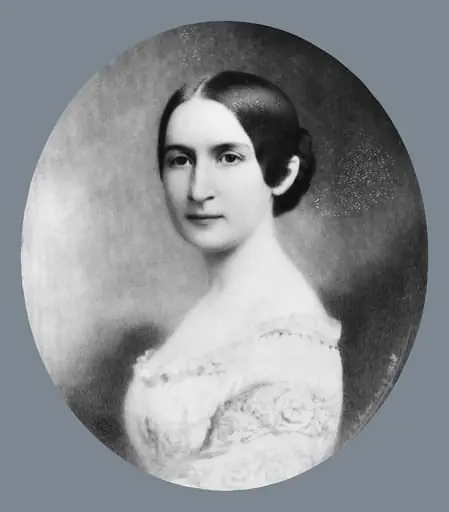
Alicia Boylston is an oil painting by Jane Stuart. It dates from 1860 and is held in the collection of the Museum of Fine Arts Boston.
About this work
Overview
Jane Stuart, daughter of the renowned Gilbert Stuart, pursued portraiture professionally after her father’s death, sustaining her family through her art.
Alicia Boylston is an oil portrait painted circa 1860 by Jane Stuart, an American artist known for her intimate portraiture. The work captures a young woman in formal attire, rendered with careful attention to texture and light. Jane Stuart, daughter of the renowned Gilbert Stuart, pursued portraiture professionally after her father’s death, sustaining her family through her art. The painting resides in the Museum of Fine Arts, Boston.
Subject & Meaning
The sitter, Alicia Boylston, is depicted with quiet composure, her gaze turned away from the viewer, suggesting introspection or a momentary pause. Her attire—a white lace-trimmed dress and braided dark hair—reflects mid-19th-century feminine elegance, likely chosen to convey social refinement. The painting serves as both a personal likeness and a cultural artifact, embodying the values of decorum and domestic grace prevalent among the period’s upper-middle class.
Technique & Style
Stuart employed oil paint to achieve subtle gradations of light and shadow, particularly in the rendering of lace and fabric folds. The dark, unmodulated background isolates the figure, focusing attention on her form and clothing. Delicate brushwork captures the texture of the dress and hair, while the absence of overt chiaroscuro suggests a restrained, naturalistic approach rather than dramatic contrast. The composition emphasizes clarity and quiet dignity over theatricality.
History & Provenance
Jane Stuart, trained by her father Gilbert Stuart, established herself as a professional portraitist in Boston and later in Newport, Rhode Island, where she became the first woman to practice portrait painting. Alicia Boylston was painted during this period of professional consolidation. The work entered the Museum of Fine Arts, Boston’s collection through documented acquisition, preserving its connection to both the Stuart artistic lineage and the history of women in American art.
Context
In the mid-1800s, women artists faced limited institutional support but often found avenues in portraiture, a field considered socially acceptable. Jane Stuart’s career exemplifies how familial training enabled women to enter professional art circles. The portrait of Alicia Boylston reflects the domestic and aesthetic ideals of the era, where personal likeness served as both record and social statement within elite circles.
Legacy
Jane Stuart’s body of work, including Alicia Boylston, contributed to the recognition of women as professional portraitists in 19th-century America. Her persistence in maintaining a studio after her father’s death challenged gender norms in the art world. The painting remains a quiet testament to the quiet resilience of female artists navigating a male-dominated profession through skill, discipline, and familial legacy.
Artist & collection
Artist
Jane Stuart (1812 – April 27, 1888) was an American painter, best known for her miniature paintings and portraits, particularly those made of George Washington.