Artwork
Monte Pincio, Rome
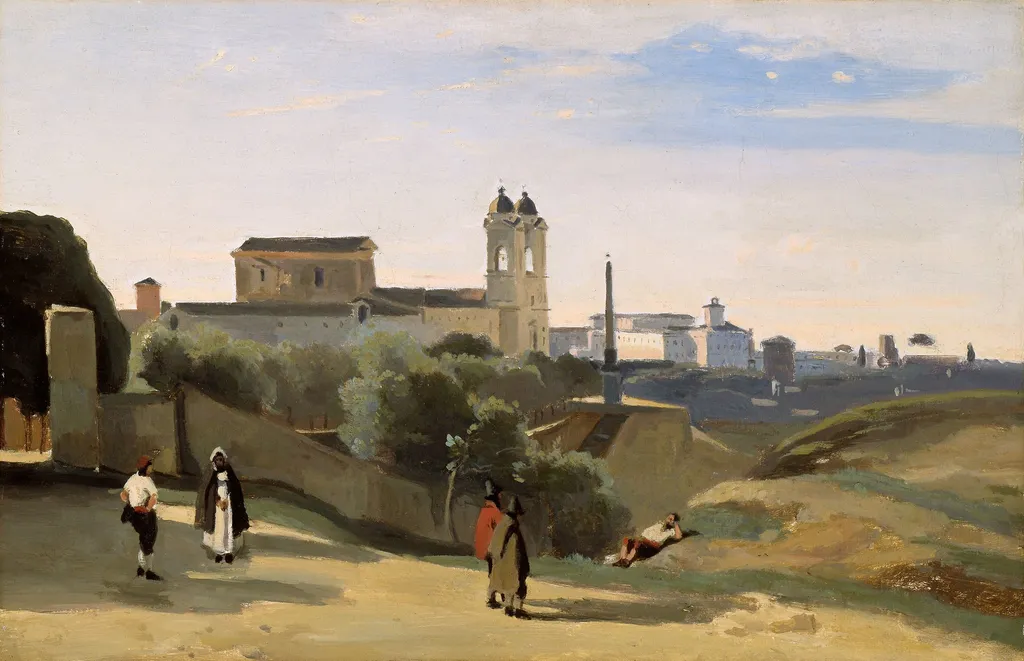
Monte Pincio, Rome is an oil painting by the Barbizon school artist Jean Baptiste Camille Corot. It dates from 1840 and is held in the collection of the Art Institute of Chicago.
About this work
Overview
The work captures a quiet view of the hill overlooking Rome, reflecting his interest in outdoor observation and the subtle effects of daylight.
Jean-Baptiste-Camille Corot painted *Monte Pincio, Rome* in 1840 using oil on canvas. The work captures a quiet view of the hill overlooking Rome, reflecting his interest in outdoor observation and the subtle effects of daylight. Though rooted in classical landscape traditions, the painting anticipates the naturalism later associated with the Barbizon School, emphasizing atmosphere over idealized composition.
Subject & Meaning
The scene portrays a tranquil promenade on Monte Pincio, with figures strolling along a winding path beneath trees and distant architecture. No grand narrative is present; instead, the focus lies in the quiet rhythm of daily life. Corot’s choice of a modest, unremarkable moment suggests an appreciation for the poetic potential of ordinary experience within a familiar urban landscape.
Technique & Style
Corot employed soft brushwork and a restrained palette to convey the hazy quality of Roman light. He layered thin glazes to build depth, allowing underlying tones to subtly influence the surface. The interplay of light and shadow is gentle, avoiding dramatic contrast; instead, it suggests the diffuse glow of late afternoon, enhancing the painting’s contemplative mood.
History & Provenance
Painted during Corot’s second visit to Italy, the work emerged from his practice of sketching on-site and refining compositions in the studio. It entered the Art Institute of Chicago’s collection in the early 20th century, where it remains as part of a broader grouping of 19th-century European landscapes that reflect the artist’s influence on later generations.
Context
In the 1840s, French artists increasingly turned to direct observation of nature, moving away from academic idealism. Corot’s work in Rome aligned with this shift, blending classical composition with fresh, observational detail. His approach influenced younger painters who would later form the Barbizon School, helping to lay groundwork for Impressionism’s focus on transient light and everyday subjects.
Legacy
Corot’s *Monte Pincio, Rome* exemplifies a transitional moment in landscape painting, where emotional tone and atmospheric nuance began to outweigh historical or mythological content. Its quiet realism resonated with later artists seeking to capture the sensory experience of place, contributing to the evolution of modern landscape practice in the decades that followed.
Own this work as a print
Artist & collection
Artist
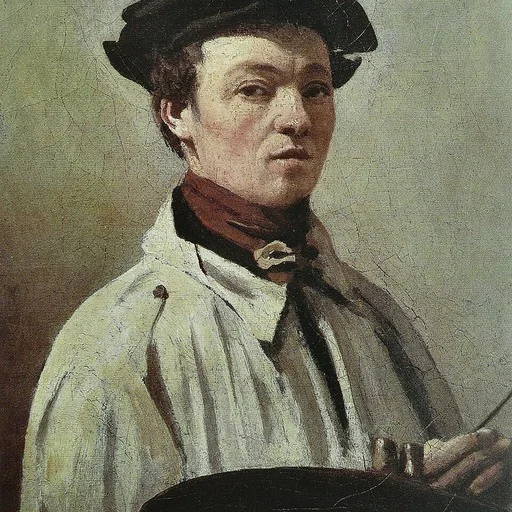
Jean-Baptiste-Camille Corot (UK: KORR-oh, US: kə-ROH, kor-OH; French: ; 16 July 1796 – 22 February 1875), or simply Camille Corot, was a French landscape and portrait painter as well as a printmaker in etching.

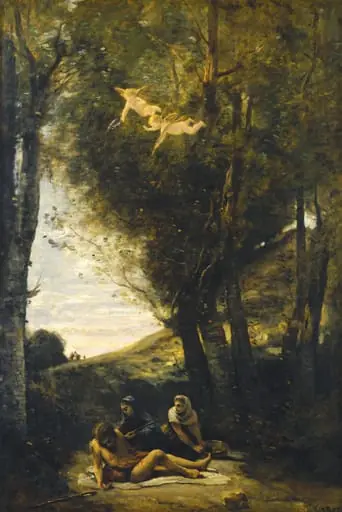
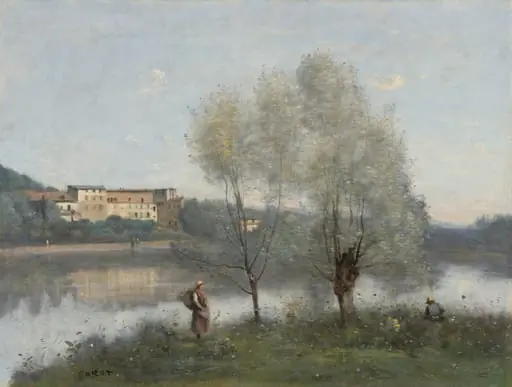
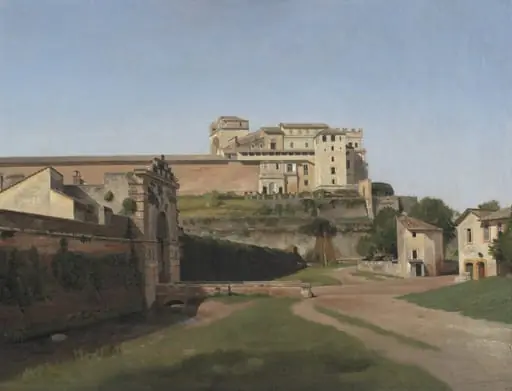 Porta Angelica and Part of the Vatican
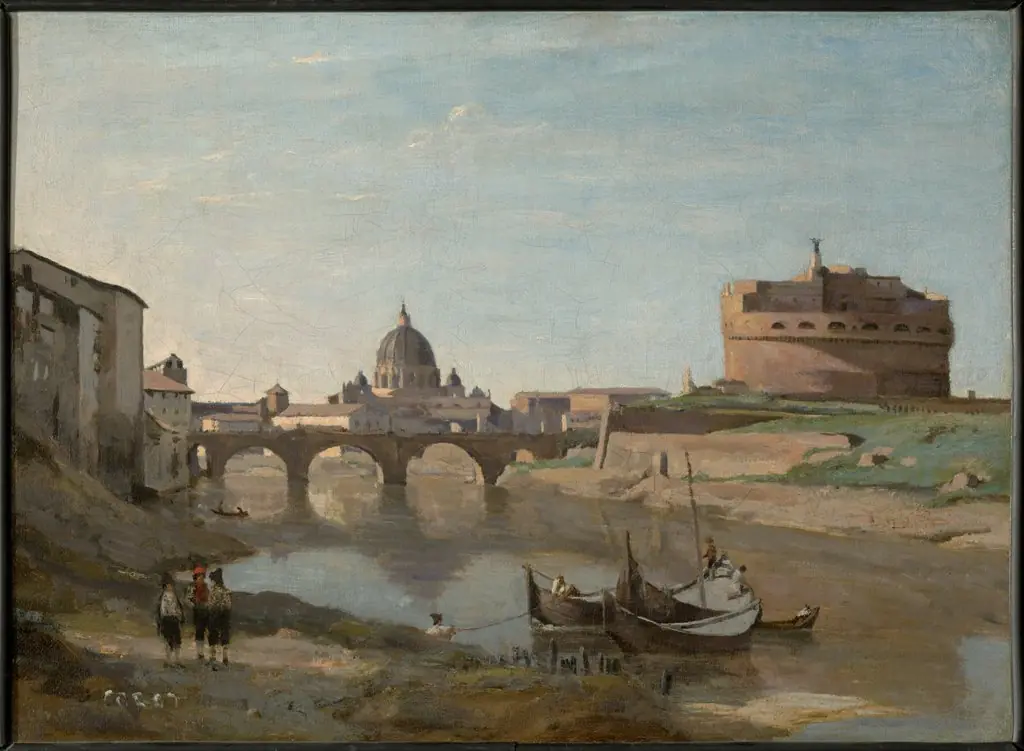 Castel Sant'Angelo, Rome
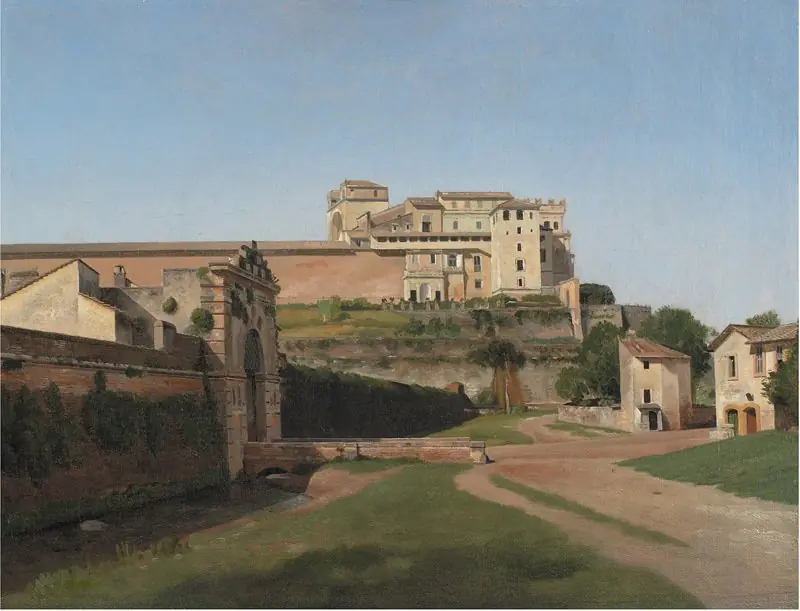 Porta Angelica and Part of the Vatican
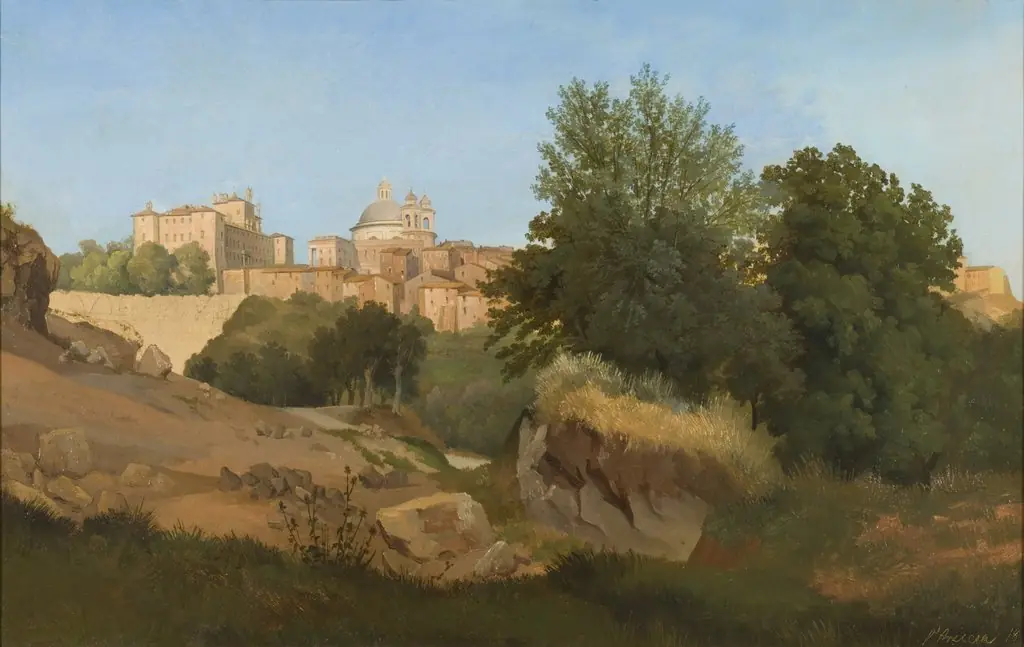 View of Ariccia
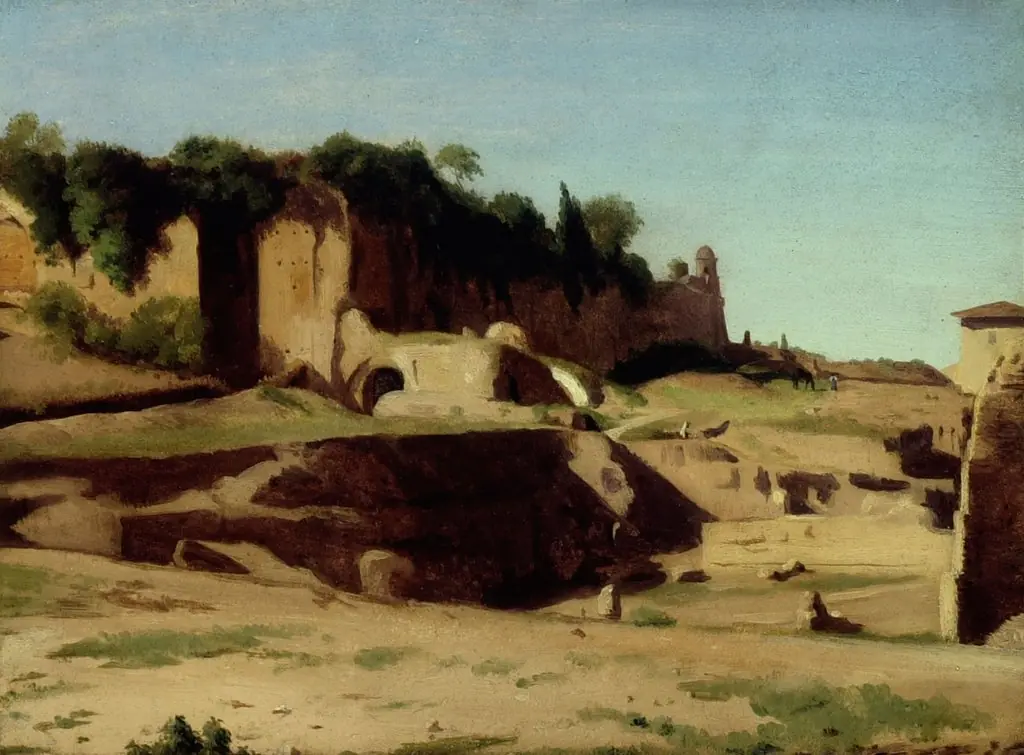 The Imperial Palace on the Palatine, Rome
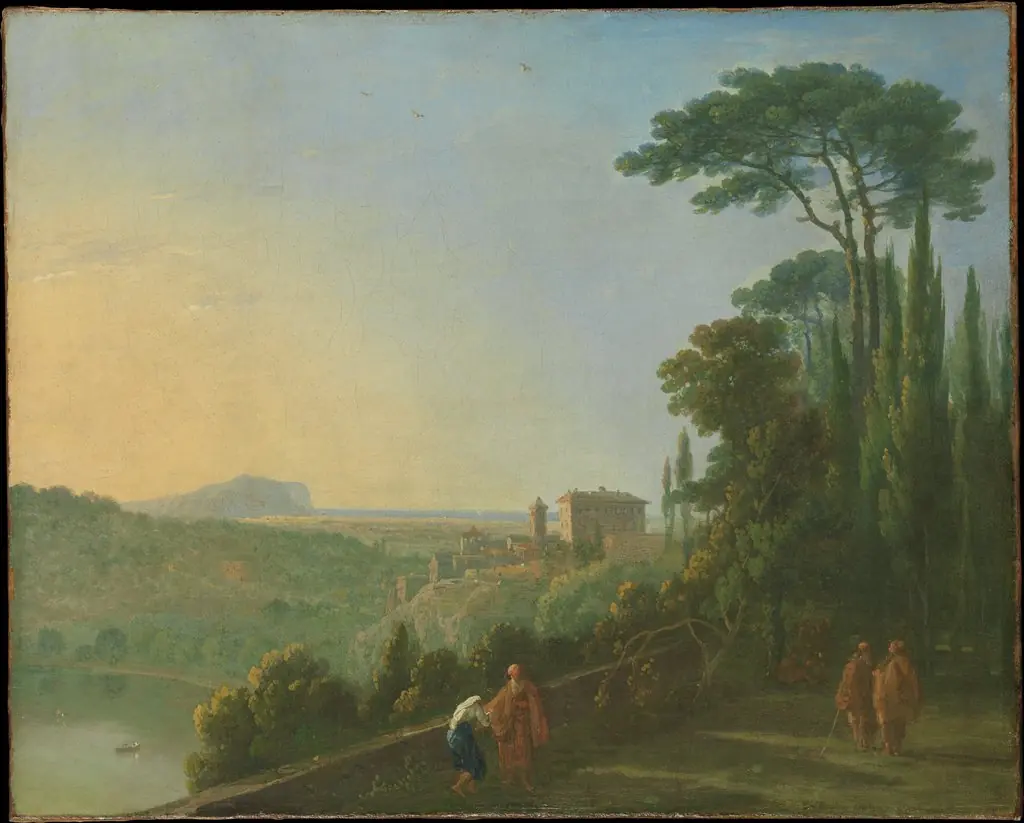 Lake Nemi and Genzano from the Terrace of the Capuchin Monastery
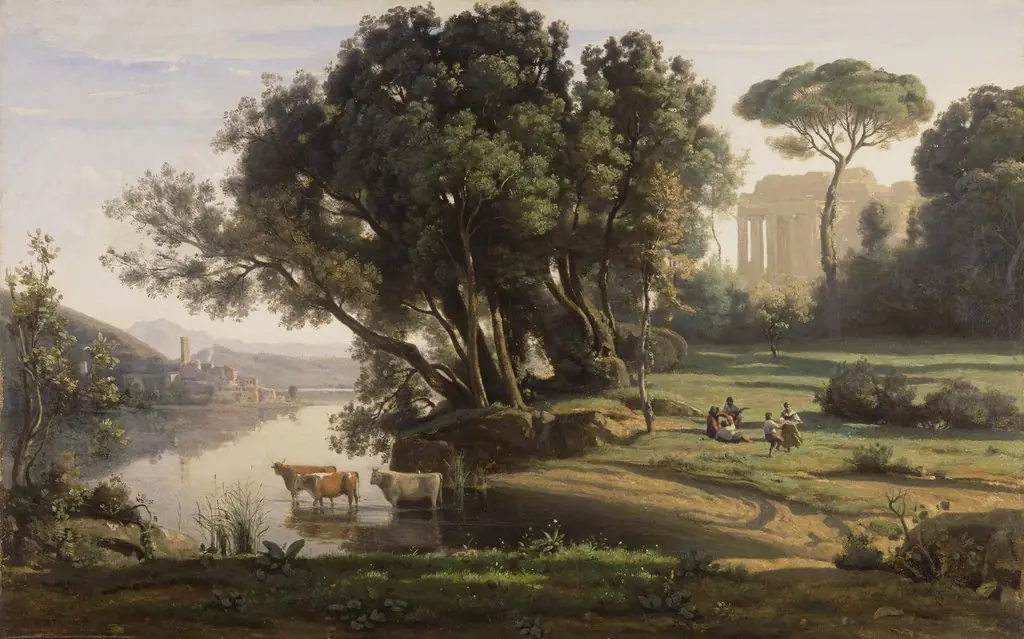 Italian Landscape
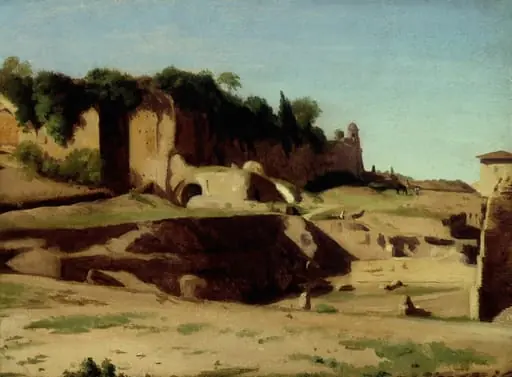 The Imperial Palace on the Palatine, Rome
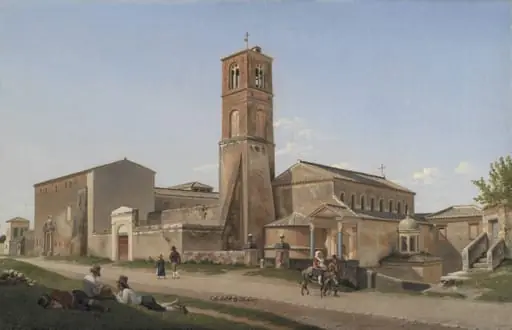 Sant'Agnese fuori le mura, Rome