Artwork
Portrait of Auguste Gabriel Godefroy
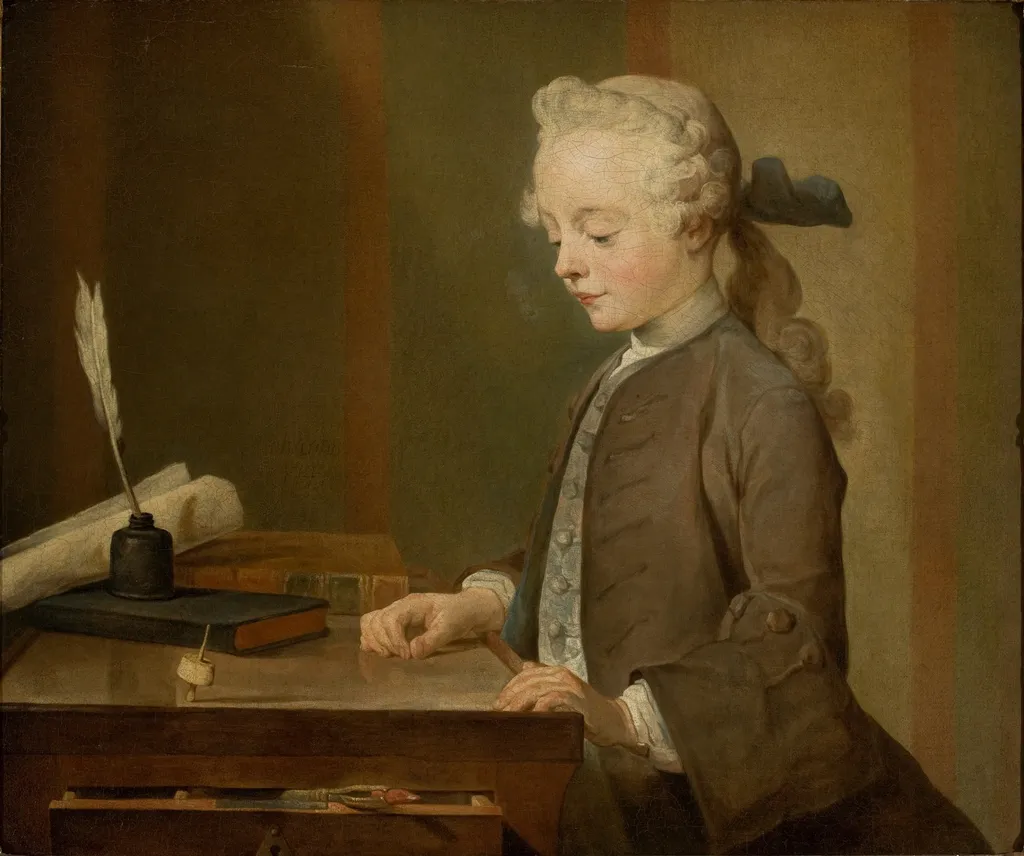
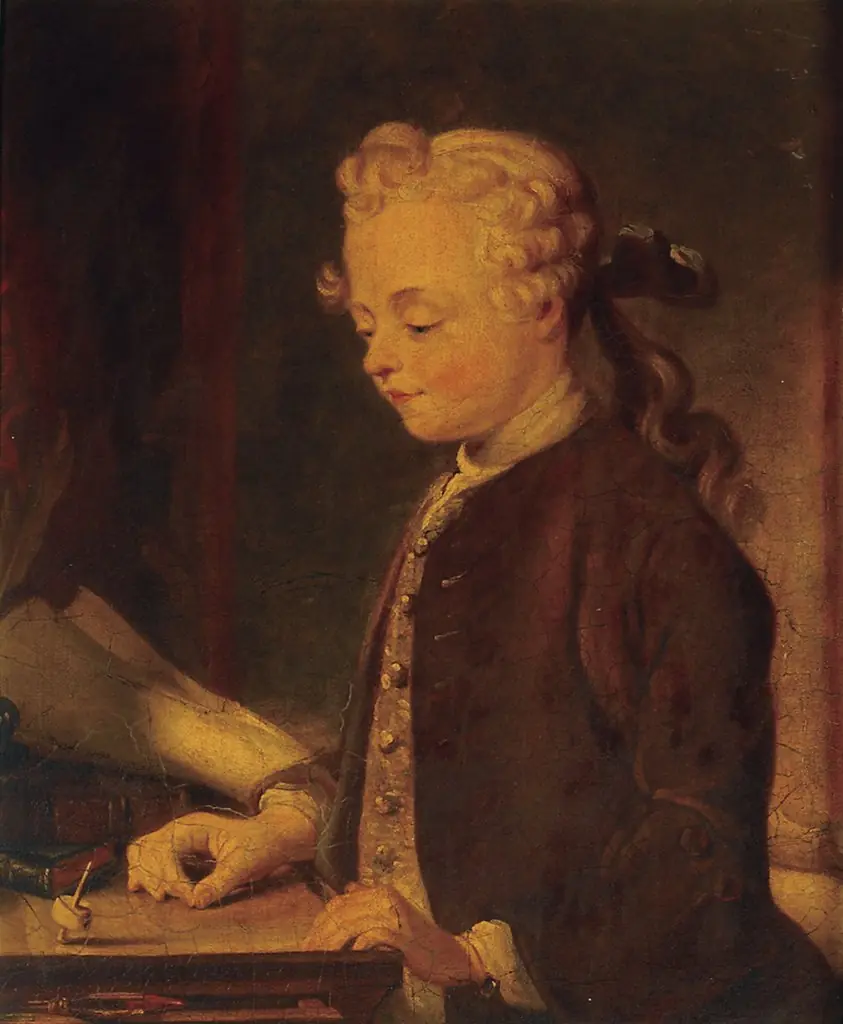
Portrait of Auguste Gabriel Godefroy is an oil painting by the Rococo painting artist Jean-Baptiste-Siméon Chardin. It dates from 1741 and is held in the collection of the São Paulo Museum of Art.
About this work
Overview
Painted in 1741 by Jean-Baptiste-Siméon Chardin, this oil portrait captures Auguste Gabriel Godefroy, a young boy of aristocratic background, seated at a desk.
Painted in 1741 by Jean-Baptiste-Siméon Chardin, this oil portrait captures Auguste Gabriel Godefroy, a young boy of aristocratic background, seated at a desk. The composition centers on quiet concentration rather than grandeur, reflecting Chardin’s interest in intimate, everyday moments. The boy’s posture and the objects around him suggest a moment of pause between study and play, rendered with subtle realism and restrained elegance.
Subject & Meaning
The boy, dressed in a brown jacket and white shirt, is depicted with curly white hair and a downward gaze, holding a small brown object—possibly a game piece—while his right hand rests near an inkwell and quill. A book lies open on the desk, suggesting scholarly activity. The arrangement implies a transitional moment: the child is neither fully engaged in learning nor entirely absorbed in leisure, hinting at the disciplined yet tender upbringing of the era’s upper class.
Technique & Style
Chardin employs soft, diffused lighting to model the boy’s form and the objects on the desk, creating a sense of tactile presence. His brushwork is deliberate yet unobtrusive, building texture through layered strokes rather than fine detail. The use of chiaroscuro enhances volume without dramatic contrast, aligning with the quiet tone of the scene. The striped background, in muted greens and browns, recedes gently, focusing attention on the figure and his immediate surroundings.
History & Provenance
The painting was completed in 1741 during Chardin’s mature period, when he was increasingly commissioned for portraits of children and domestic scenes. It entered the collection of the São Paulo Museum of Art in the 20th century, following a trajectory typical of European works acquired by Latin American institutions during that era. Its provenance before that remains undocumented, though its style and subject align with Chardin’s known patrons among Parisian bourgeoisie.
Context
In mid-18th-century France, portraits of children often emphasized moral education and social refinement. Chardin’s approach diverged from the ornate Rococo ideal by favoring stillness and authenticity over theatricality. The inclusion of a book, inkwell, and toy reflects contemporary pedagogical values, where learning and play were seen as complementary. His quiet realism offered a counterpoint to the flamboyance of courtly portraiture, resonating with emerging middle-class sensibilities.
Legacy
Chardin’s portrait of Godefroy exemplifies his influence on later realist traditions, particularly in the depiction of childhood and domestic interiors. While not widely exhibited during his lifetime, the work gained recognition in the 19th century as critics reevaluated his quiet compositions. Today, it stands as a quiet testament to the dignity of ordinary moments, influencing artists who sought to capture the inner life of subjects through restraint and observation.
Own this work as a print
Artist & collection
Artist
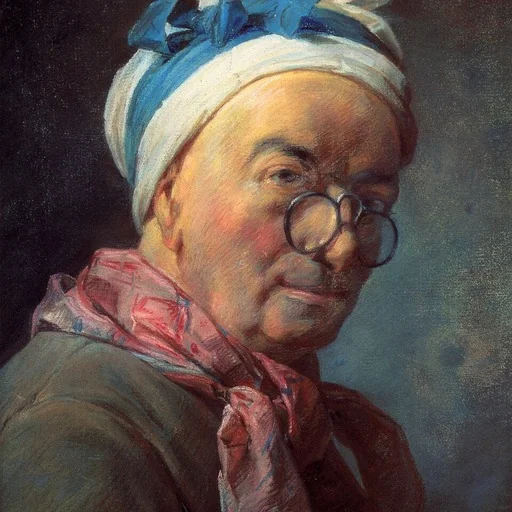
Jean Siméon Chardin (French: ; November 2, 1699 – December 6, 1779) was an 18th-century French painter.

 Auguste-Gabriel Godefroy (L'enfant au toton)
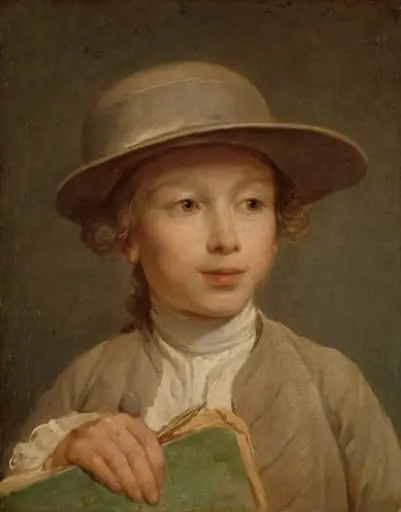 Boy with a Drawing Book
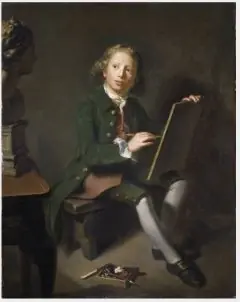 Portrait of a Boy (Horace Hone), Sketching
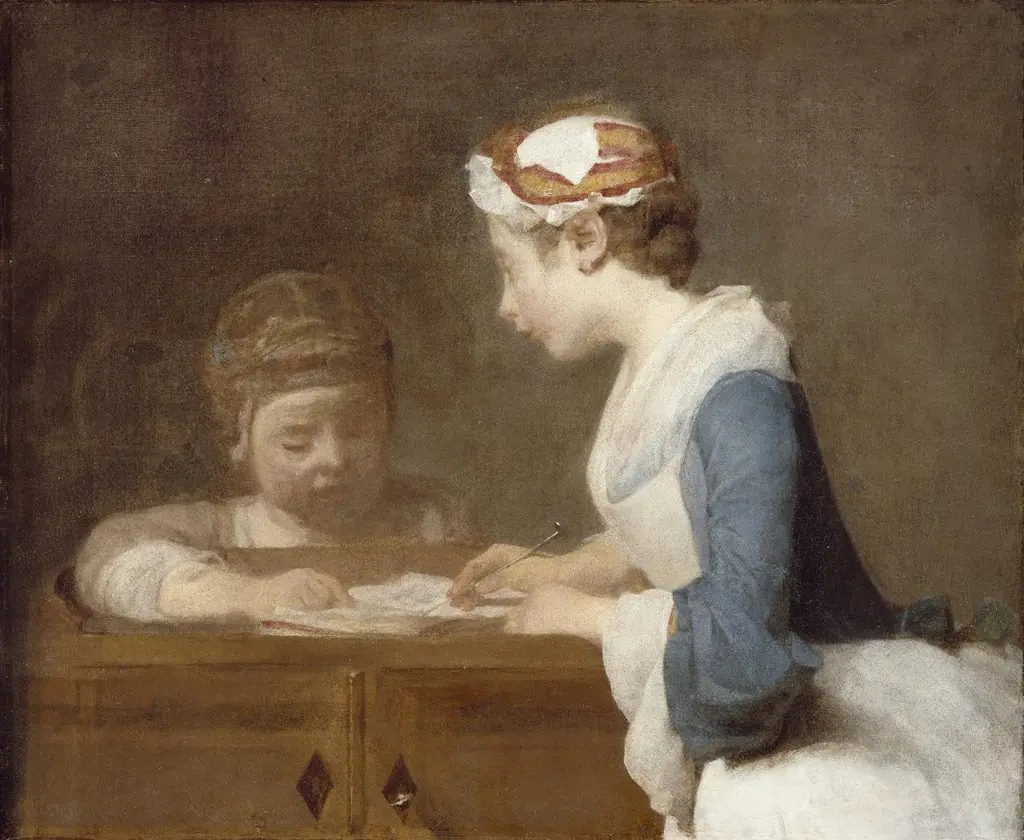 The Schoolmistress
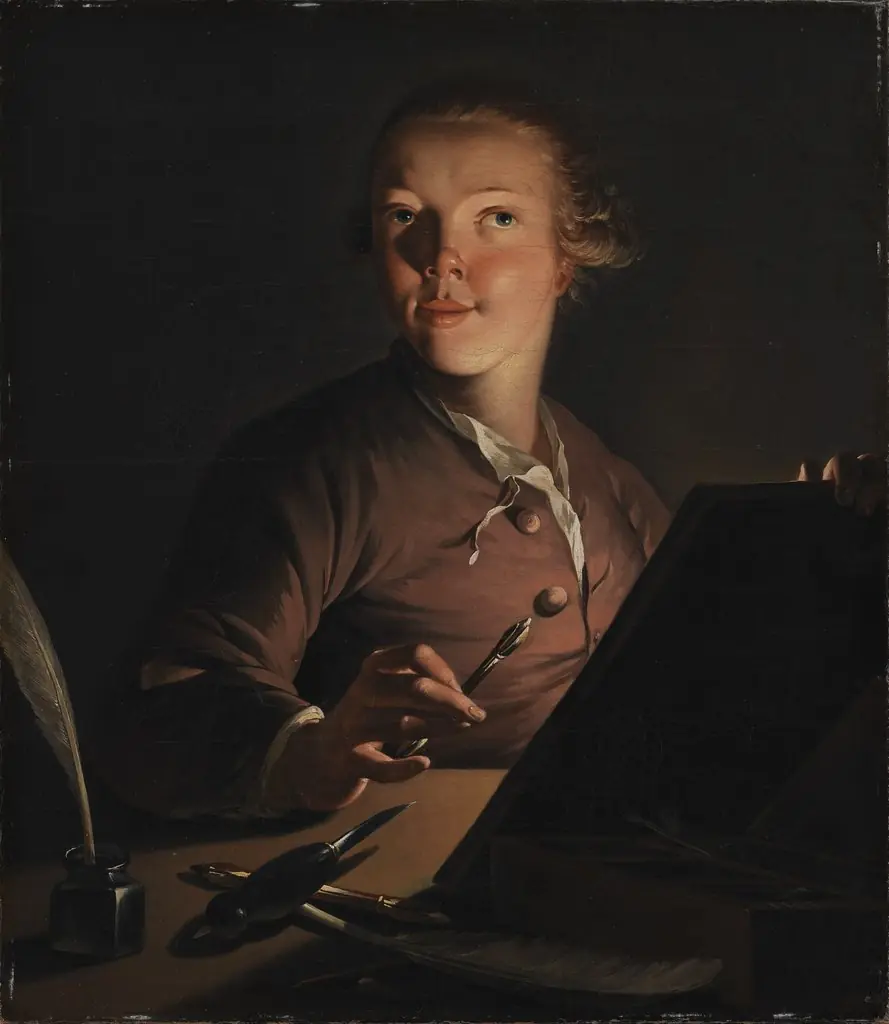 Self-portrait by artificial light
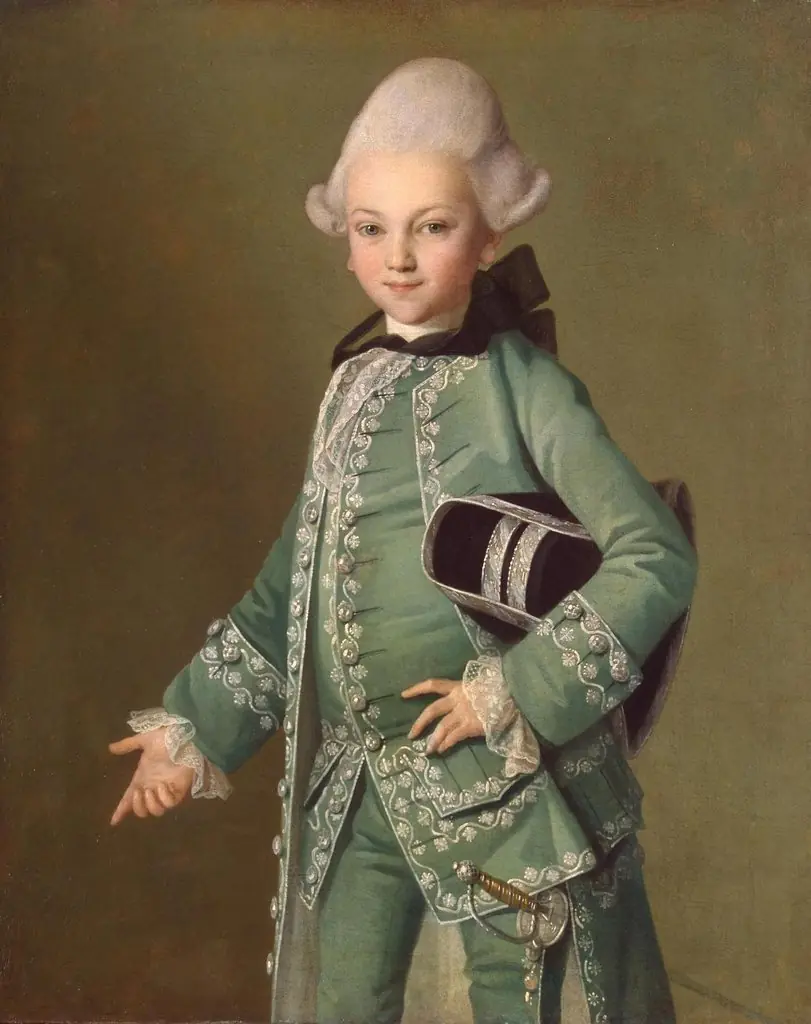 Portrait of Count Alexei Bobrinsky as a Child
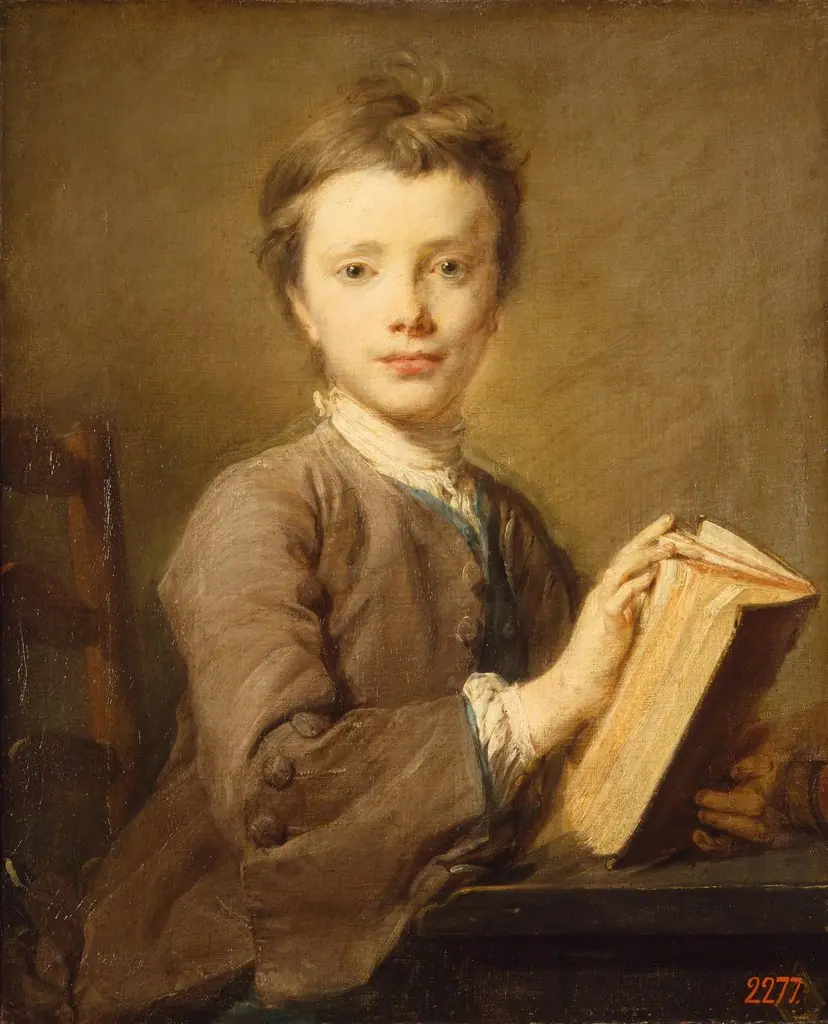 Portrait of a Boy with a Book
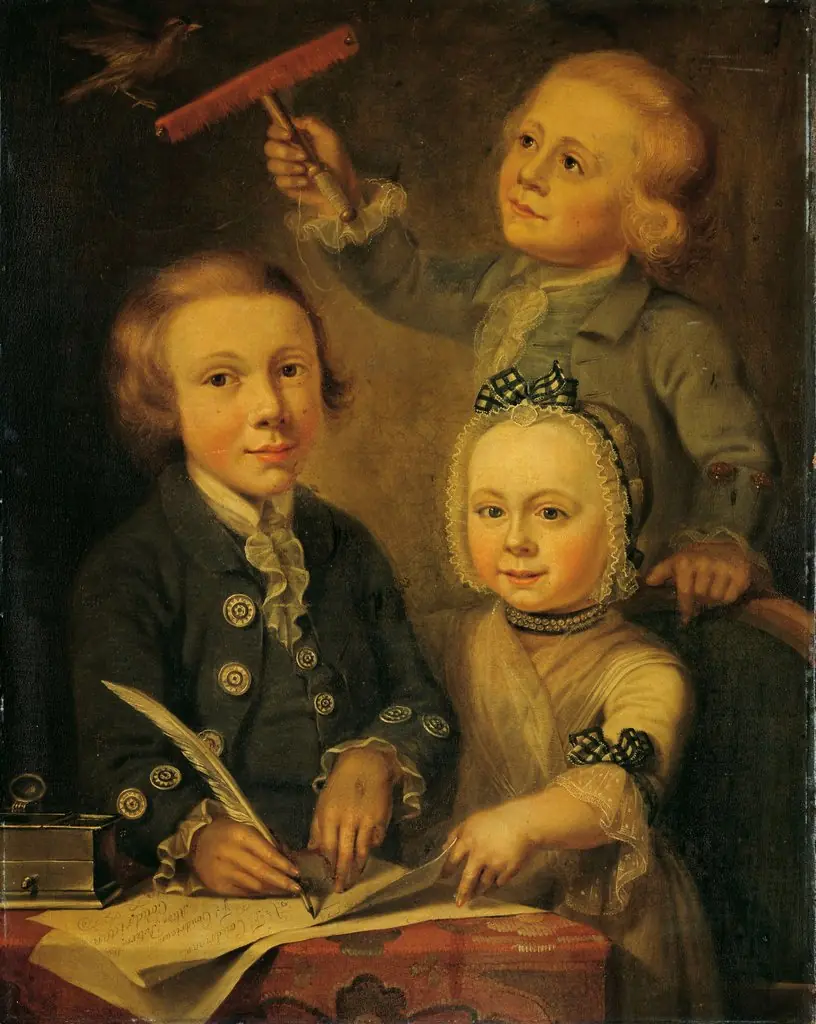 Portrait of the Children of Barend Goudriaan
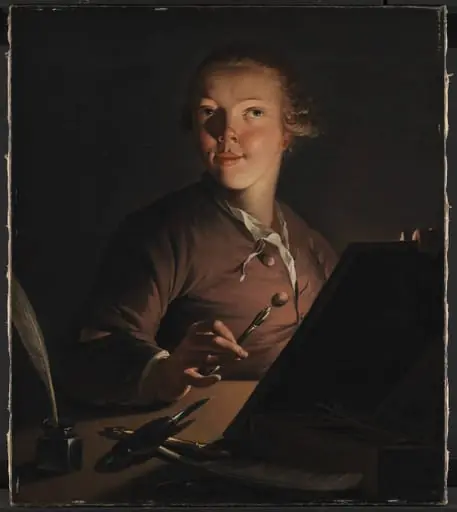 Self-portrait by Candlelight
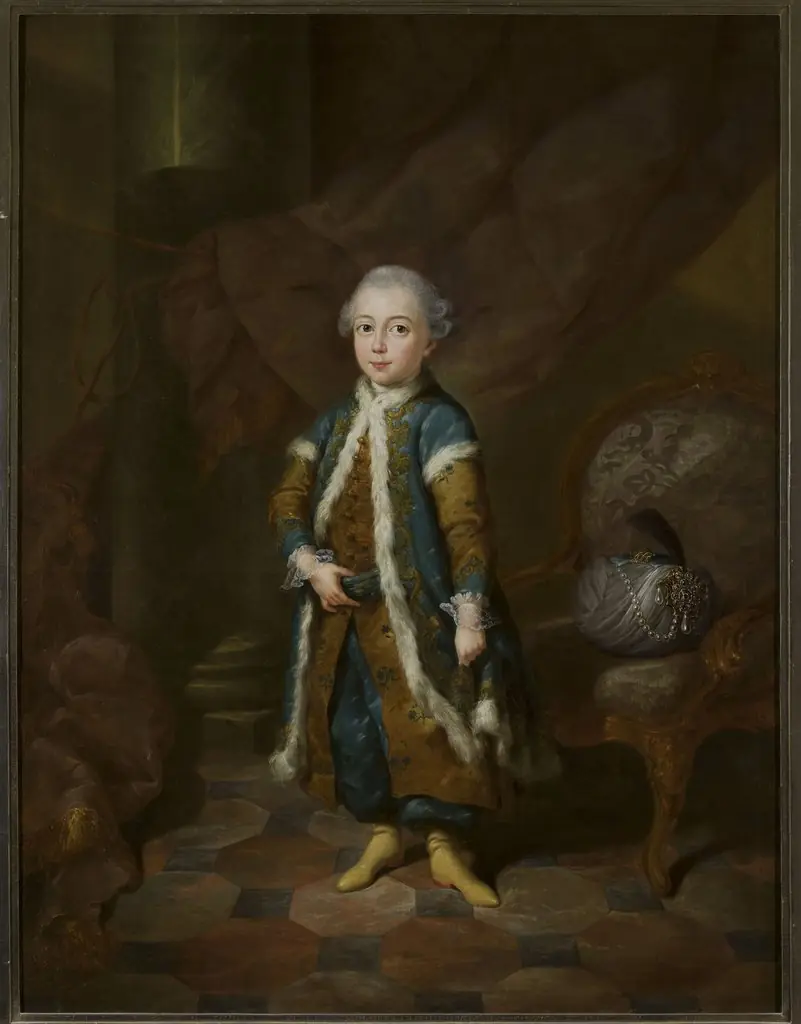 Portrait of Henirich Reuss
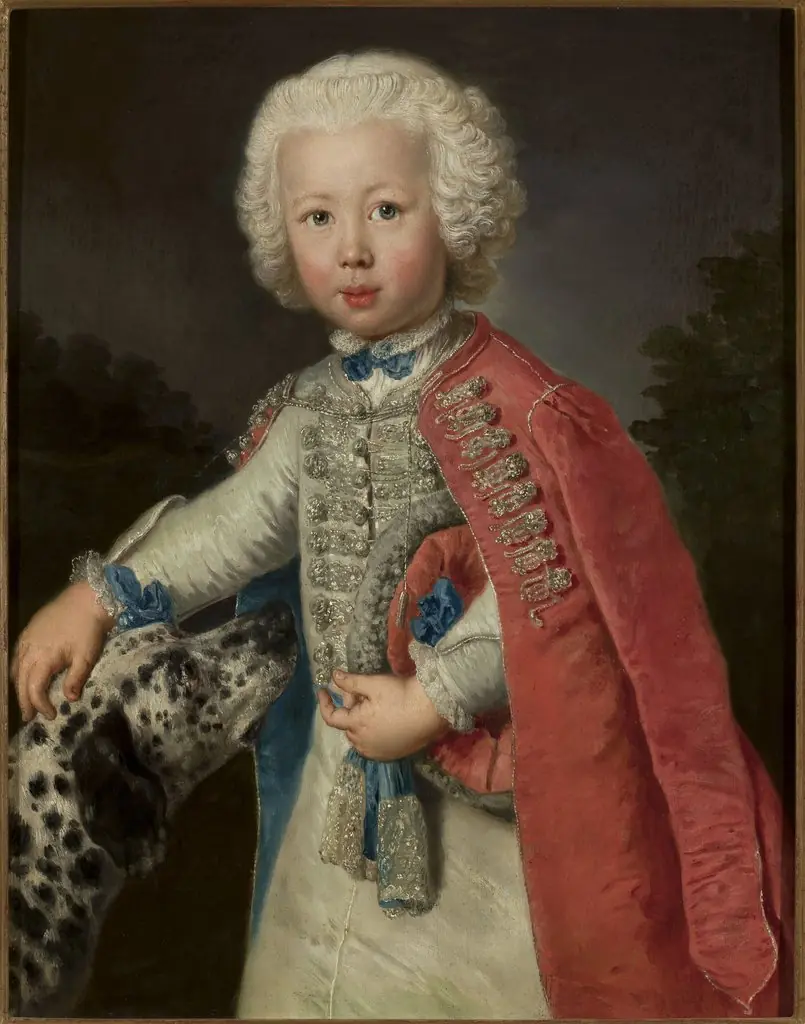 Portrait of a boy