Artwork
A Jewish Money-Changer
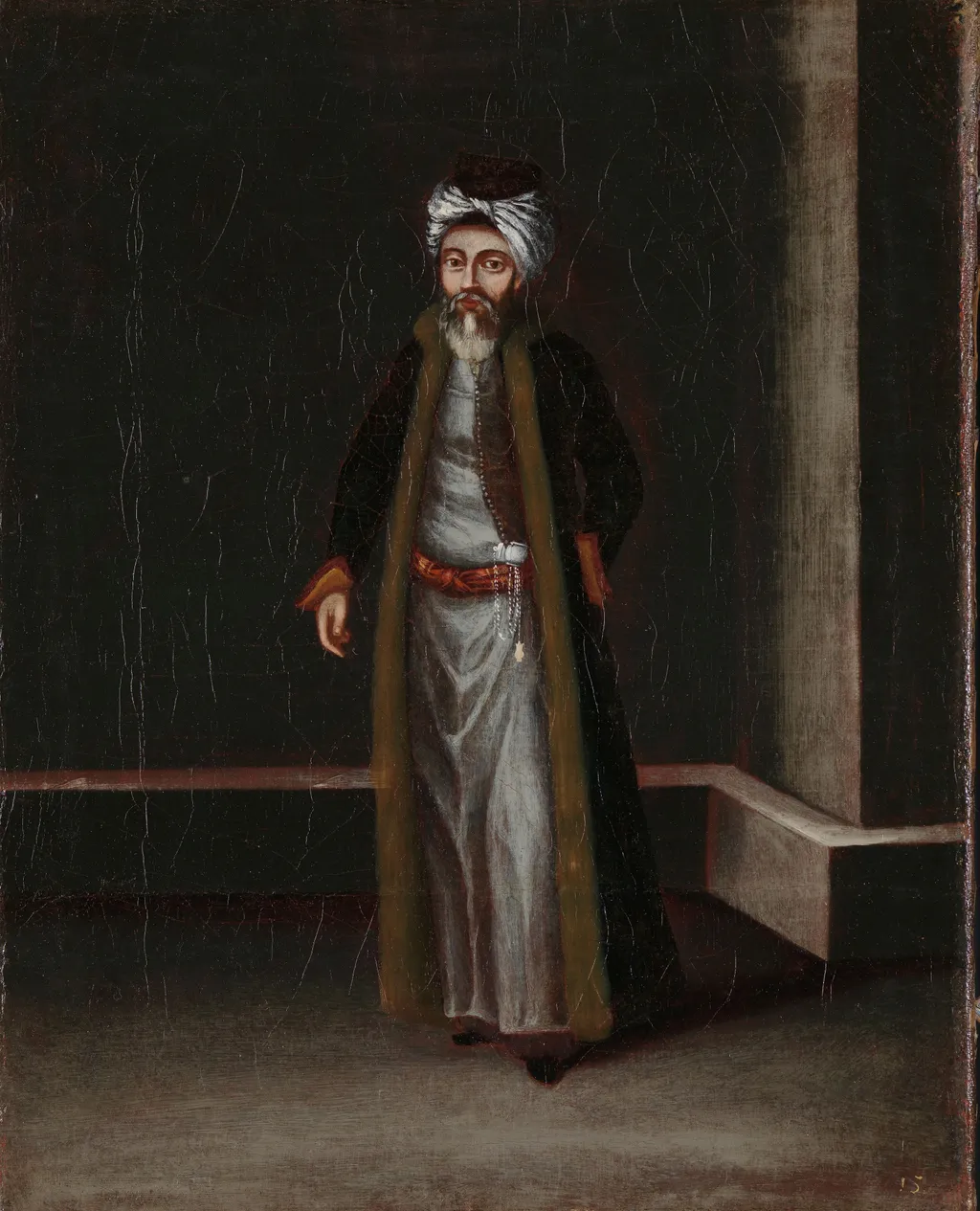
A Jewish Money-Changer is an oil painting by the Rococo painting artist Jean Baptiste Vanmour. It dates from 1718 and is held in the collection of the Rijksmuseum.
About this work
Overview
Jean Baptiste Van Mour, a Flemish‑French painter active in the early eighteenth century, completed the oil‑on‑canvas work *A Jewish Money‑Changer* in 1718. The painting is part of the Rijksmuseum’s collection and exemplifies the decorative yet restrained aesthetic associated with the Rococo period.
Subject & Meaning
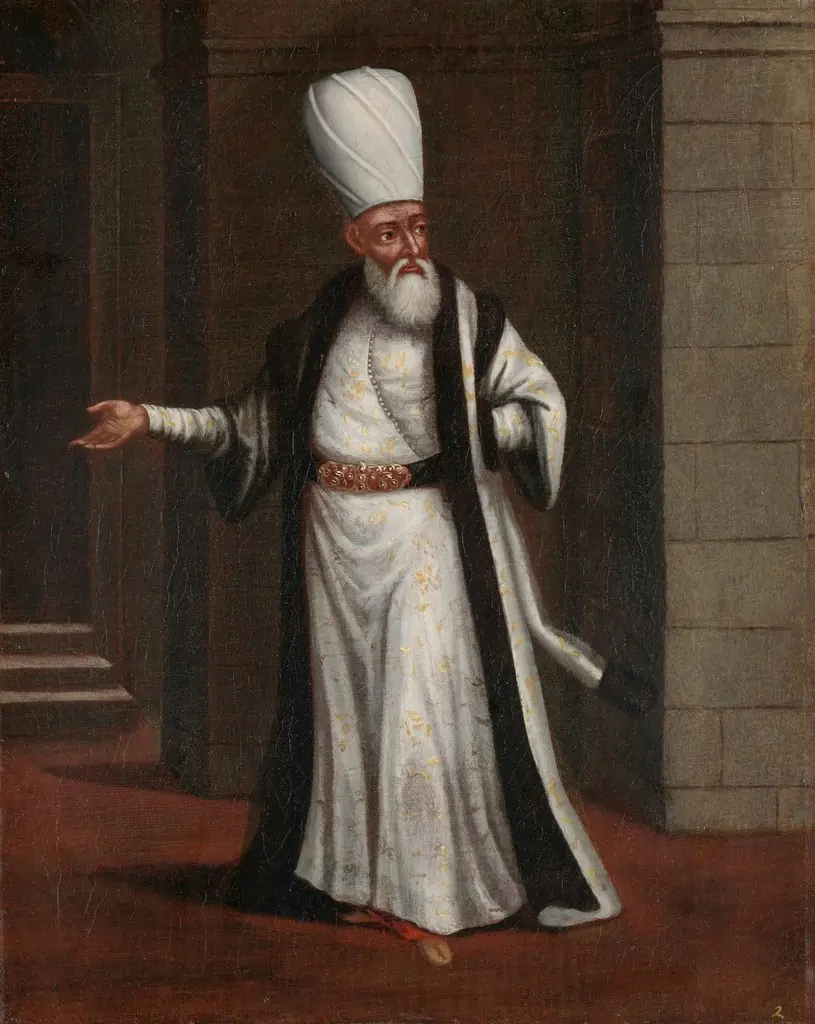
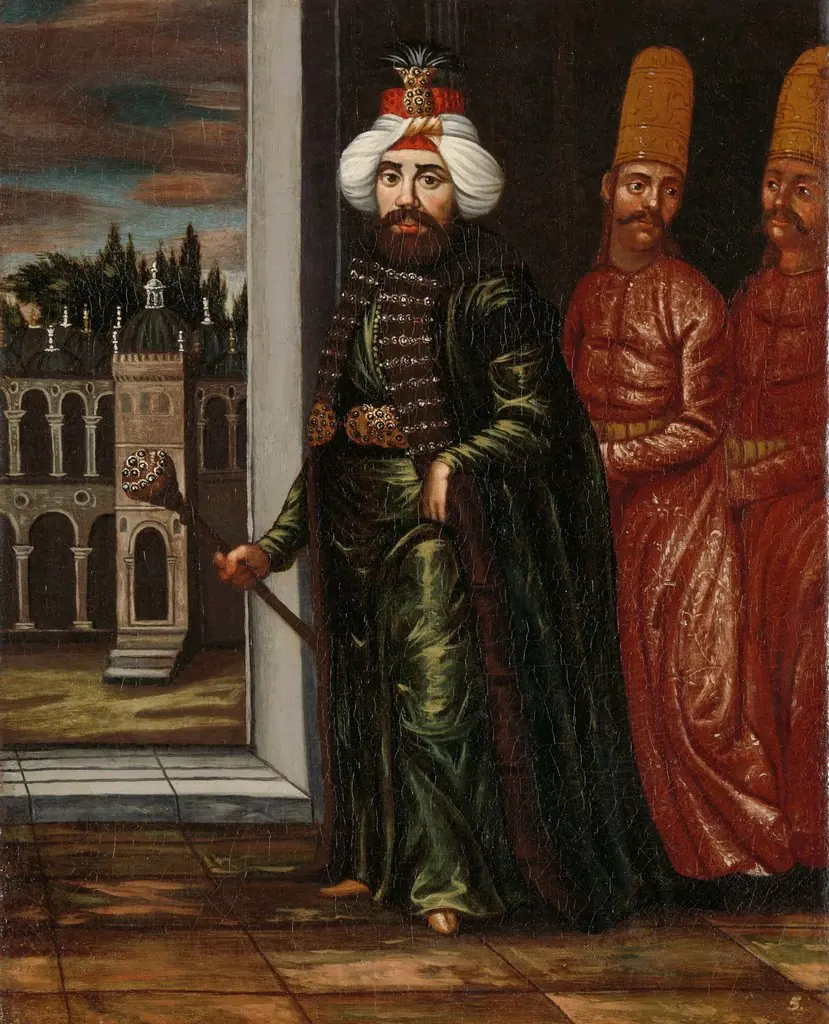
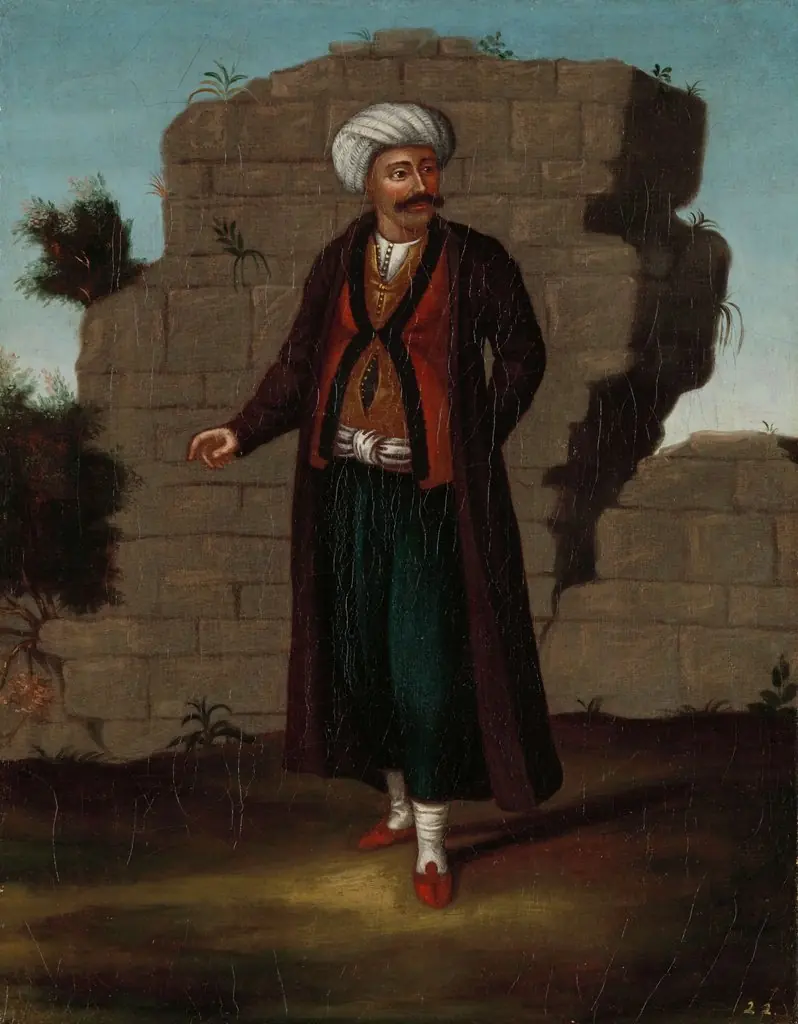
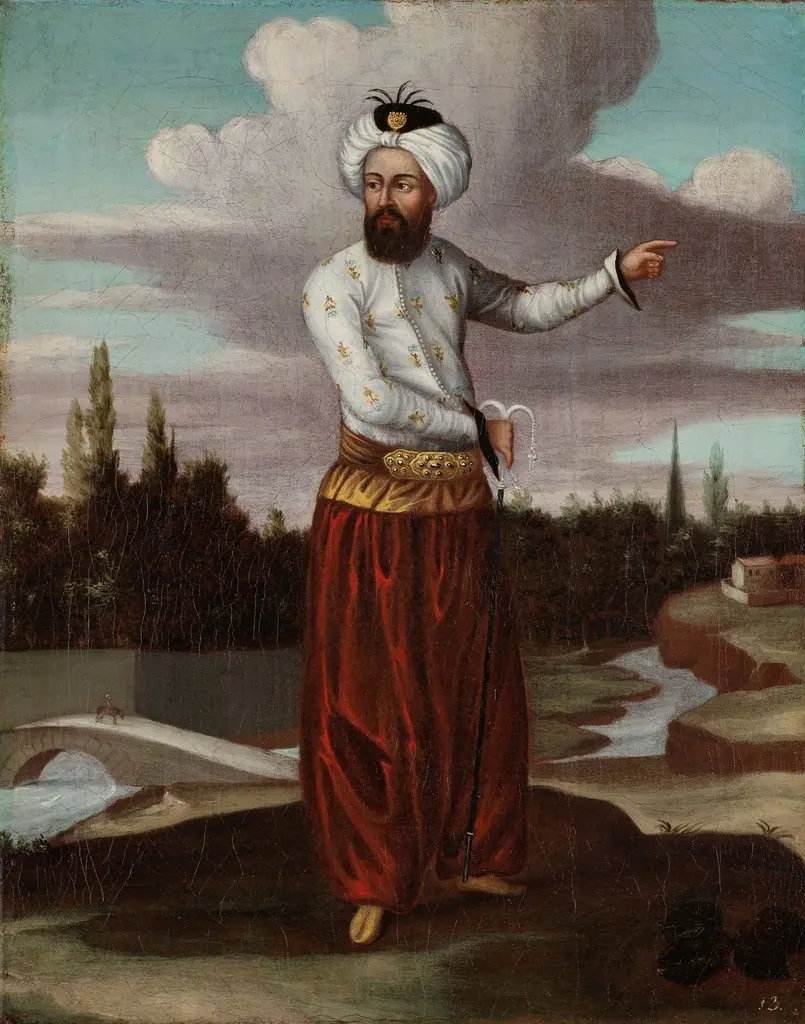
The composition centres on a solitary figure dressed in a flowing robe and turban, standing within an interior space. He holds a string of small objects—interpreted as coins or beads—suggesting his occupation as a money‑changer. The title and the presence of the currency reinforce the depiction of a commercial role within a multicultural urban setting.
Technique & Style
Van Mour employs chiaroscuro, contrasting a dark, undefined background with a sharply illuminated figure. This use of light creates a three‑dimensional effect, emphasizing the texture of the fabrics and the gleam of the metallic objects. The brushwork remains precise, reflecting the artist’s reputation for detailed genre scenes.
History & Provenance
Created during the so‑called Tulip Era, a time of heightened cultural exchange between Europe and the Ottoman world, the painting later entered the Rijksmuseum’s holdings. Its provenance traces back to early nineteenth‑century acquisitions, though the exact chain of ownership before its museum entry remains minimally documented.
Own this work as a print
Artist & collection
Artist
Jean Baptiste Vanmour or Van Mour (9 January 1671 – 22 January 1737) was a Flemish-French painter, remembered for his detailed portrayal of life in the Ottoman Empire during the Tulip Era and the rule of Sultan Ahmed III.

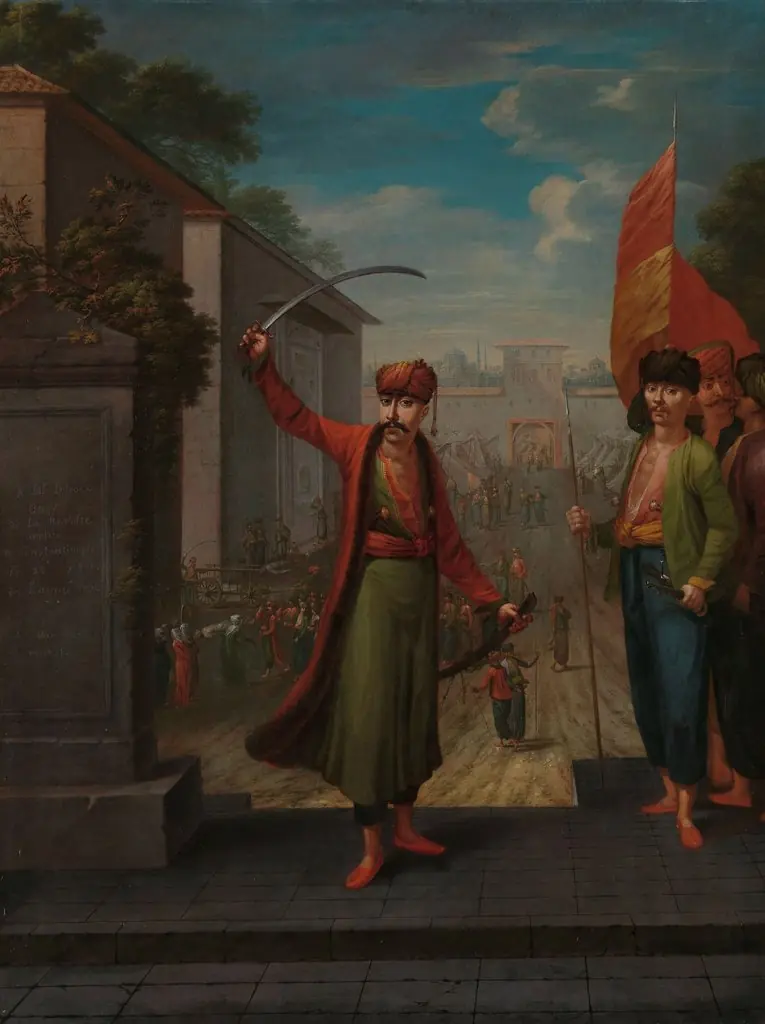 Patrona Halil
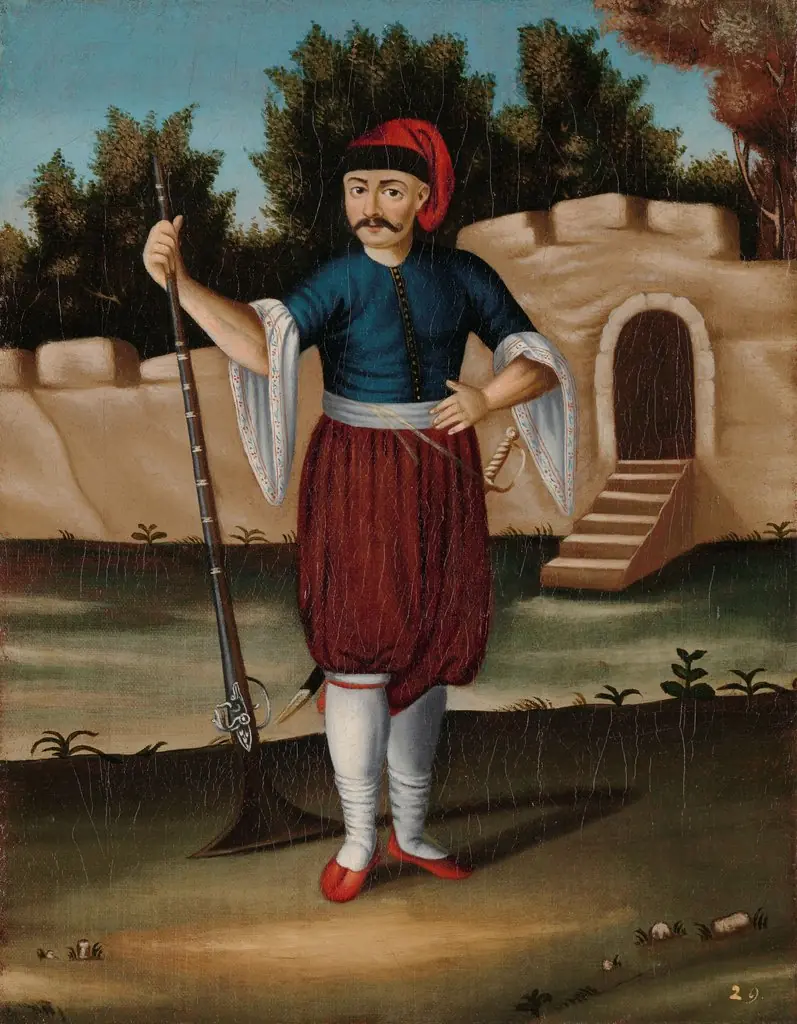 Man from the Albanian Coast
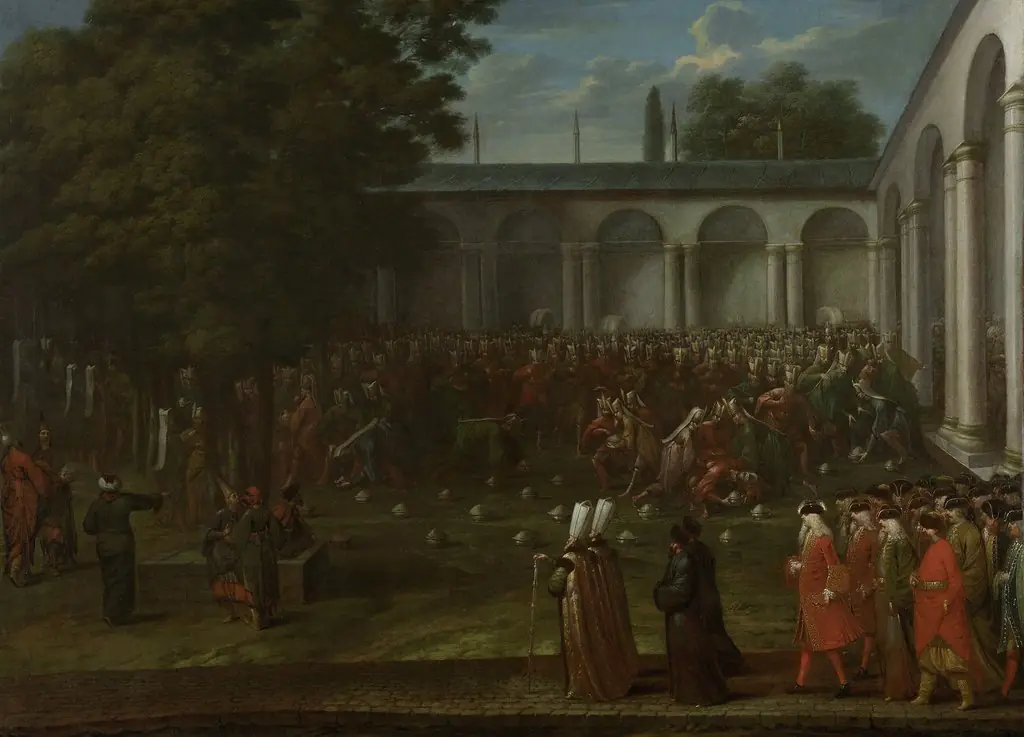 Cornelis Calkoen on his Way to his Audience with Sultan Ahmed III
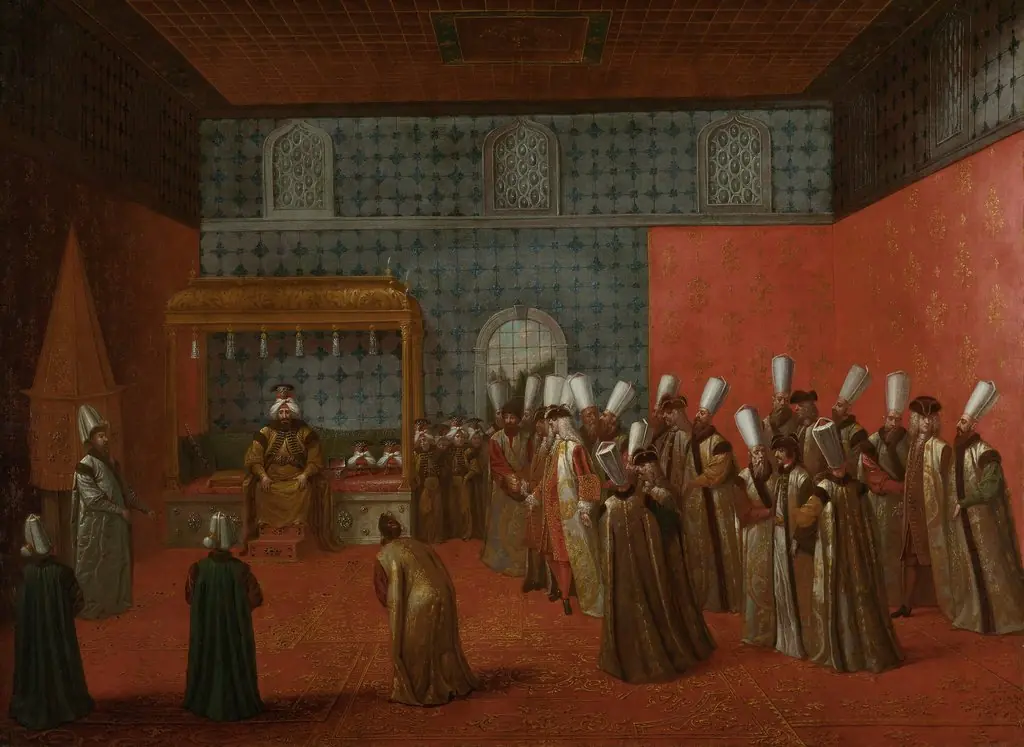 Ambassador Cornelis Calkoen at his Audience with Sultan Ahmed III
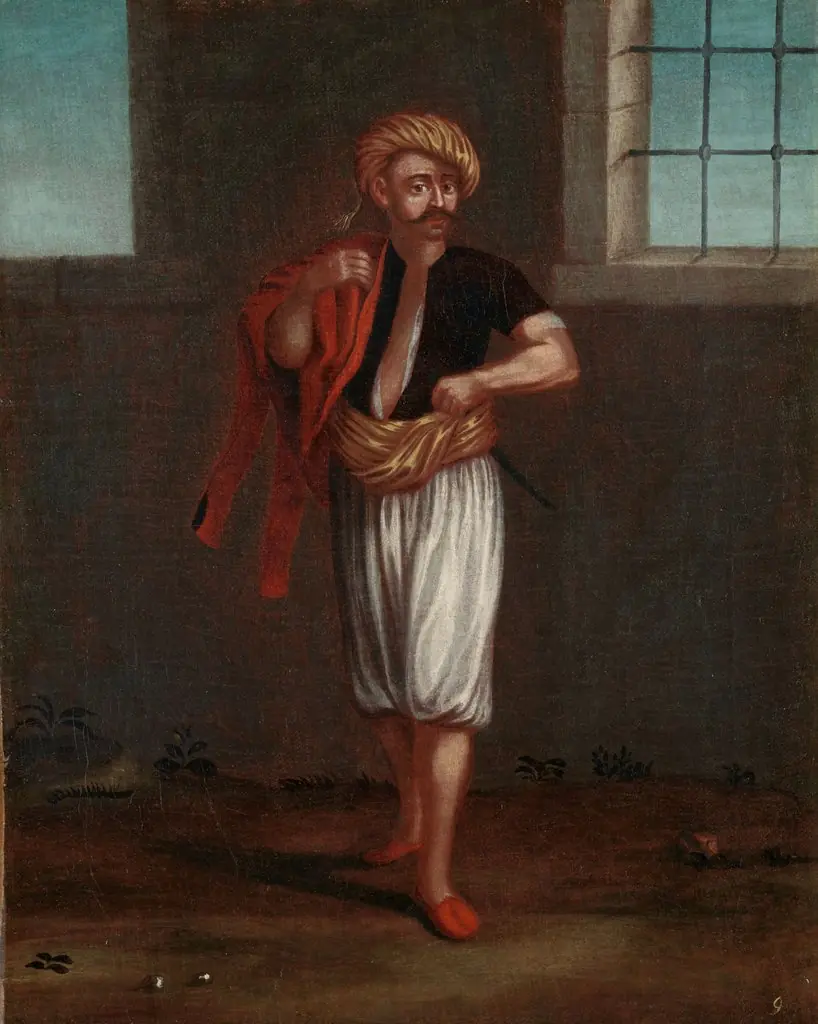 An Albanian Sailor
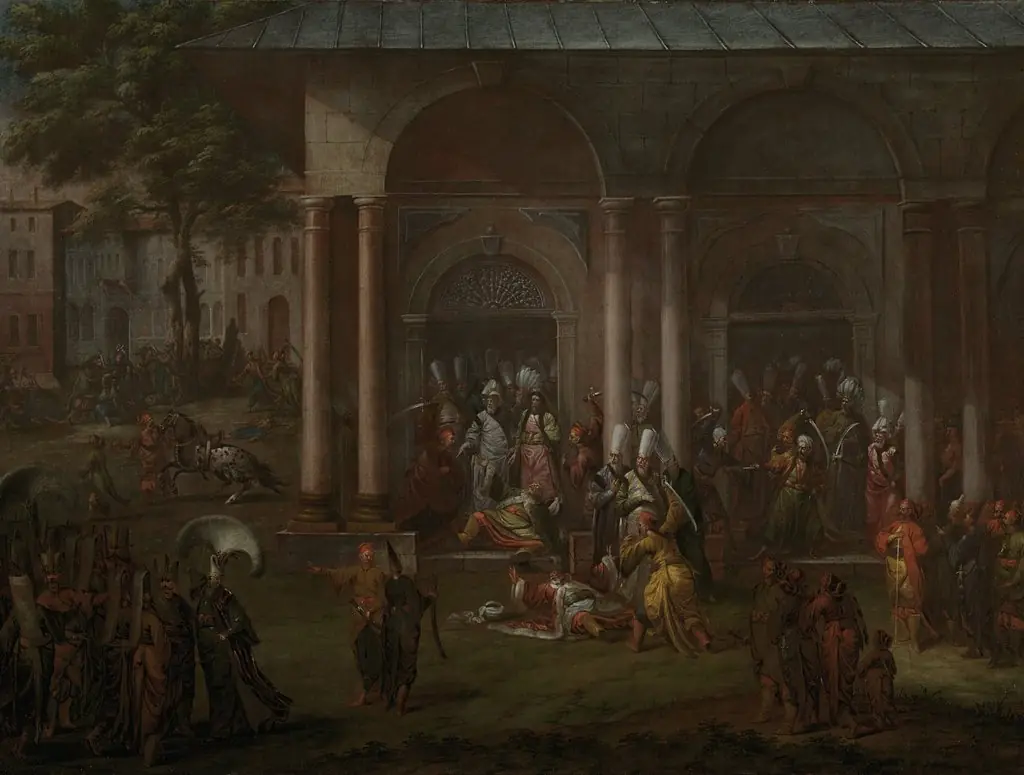 The Murder of Patrona Halil and his Fellow Rebels
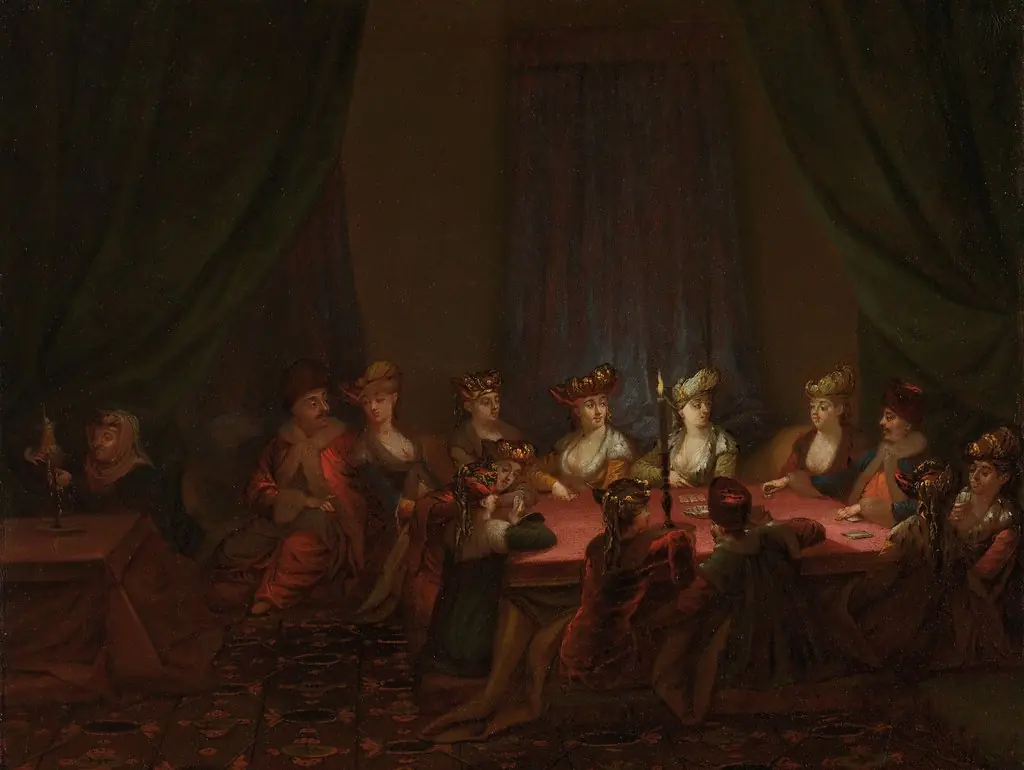 Party of Armenians Playing Cards
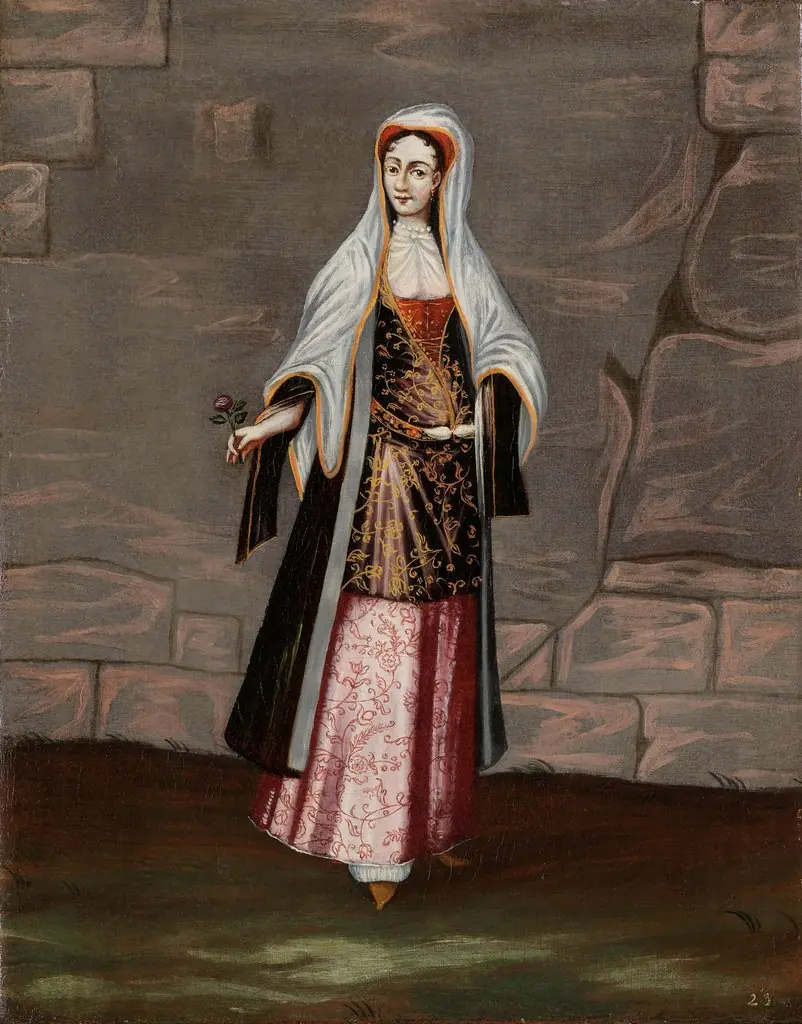 Woman from the Island of Mykonos