Artwork
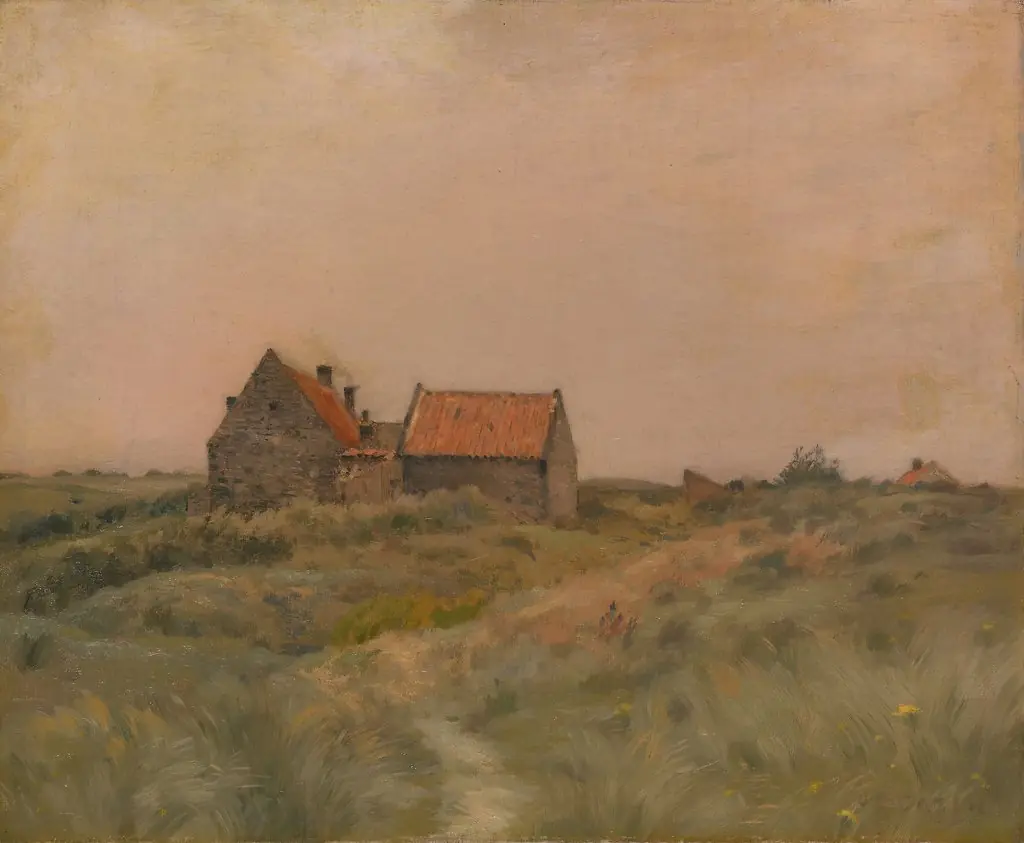
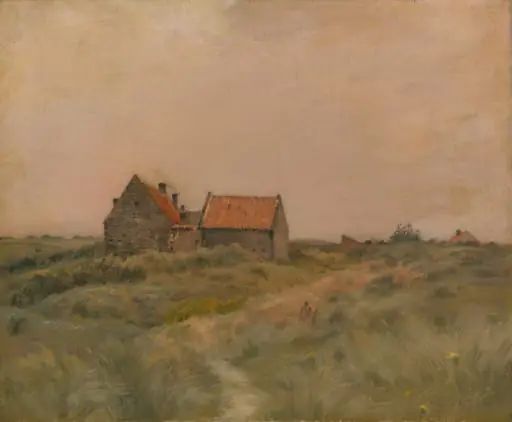
Farm Beside an Old Road
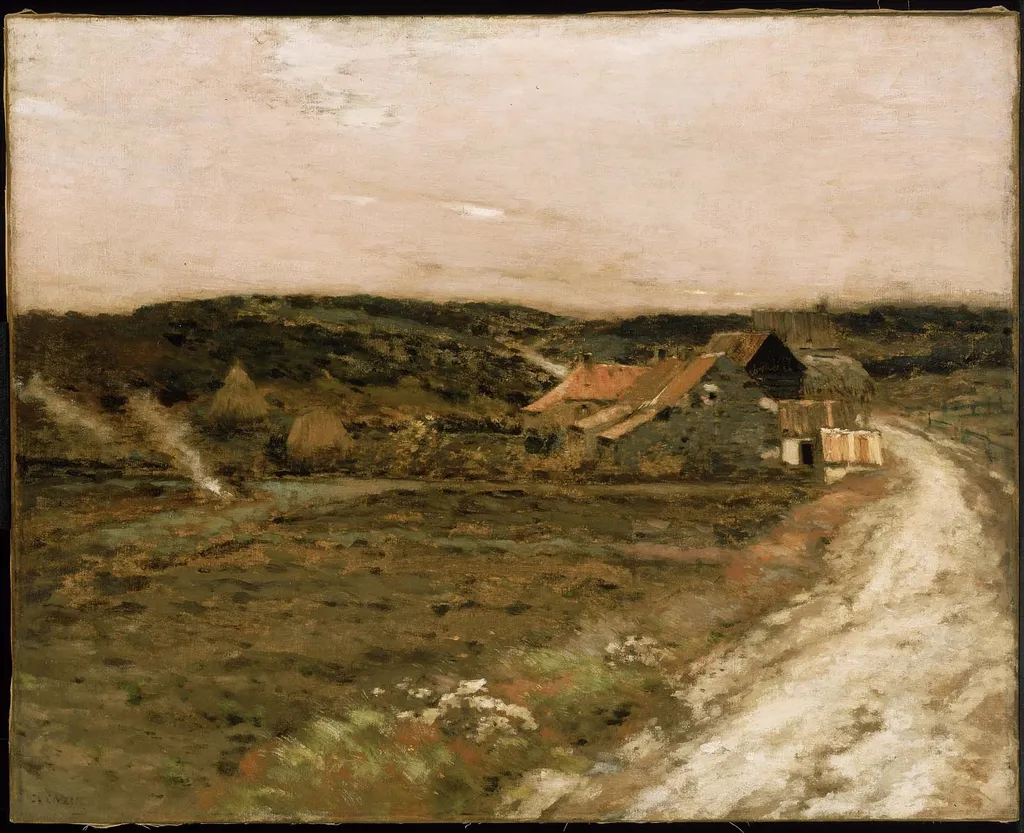
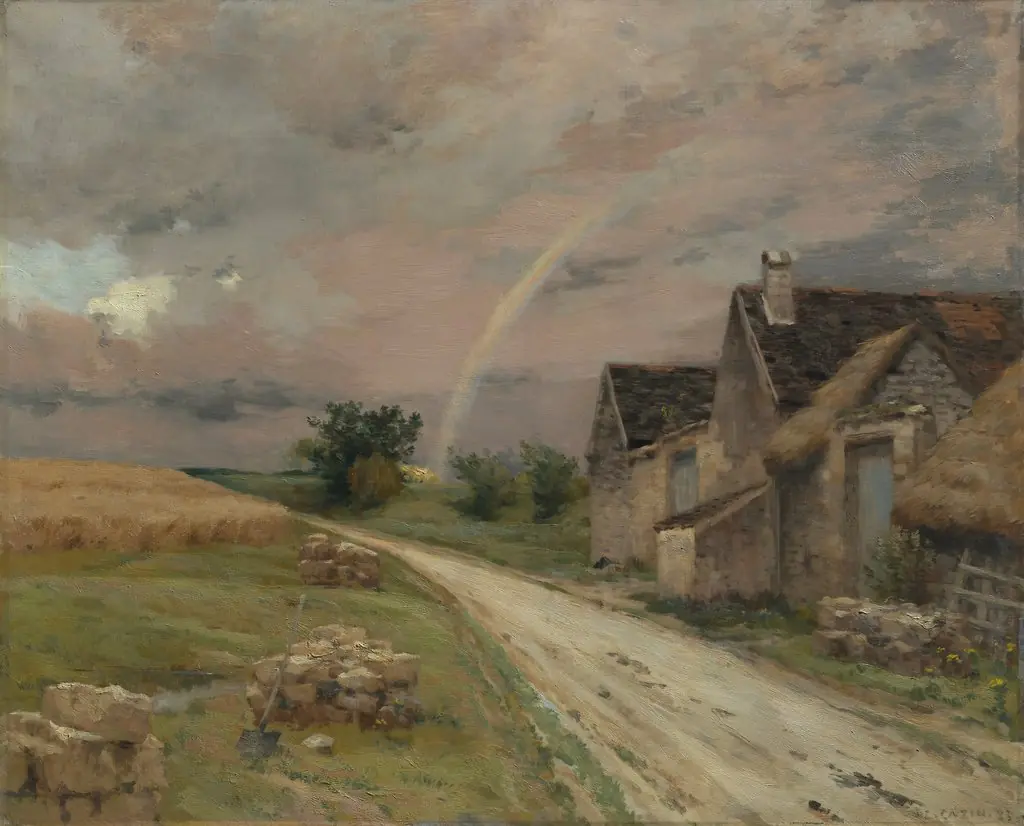
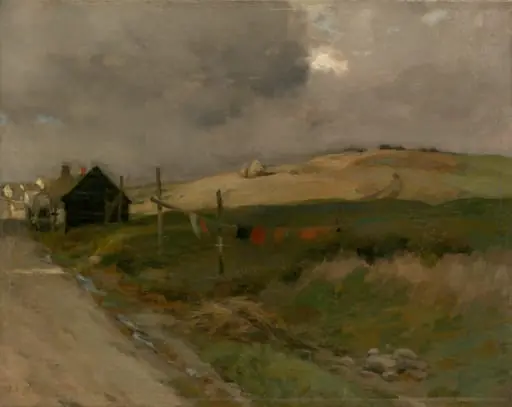
Farm Beside an Old Road is an oil painting by Jean Charles Cazin. It dates from 1881 and is held in the collection of the Museum of Fine Arts Boston.
About this work
Overview
The composition centers on a modest farmstead nestled beside a winding dirt road, framed by low-lying fields and scattered vegetation.
Painted around 1881 by Jean Charles Cazin, this oil on canvas depicts a quiet rural landscape in northern France. The composition centers on a modest farmstead nestled beside a winding dirt road, framed by low-lying fields and scattered vegetation. The palette favors subdued earth tones and soft greens, reinforcing a sense of stillness. The painting is part of the Museum of Fine Arts, Boston’s collection, acquired in the early 20th century.
Subject & Meaning
The scene presents an unidealized view of agricultural life, avoiding dramatic narrative or human figures. The farm buildings, weathered and unadorned, suggest quiet endurance rather than prosperity. The road, barely traveled, implies isolation and routine. The absence of activity invites contemplation of time, labor, and the rhythms of rural existence, aligning with late 19th-century interests in everyday solitude.
Technique & Style
Cazin employed a restrained brushwork and layered glazes to achieve subtle tonal transitions. The sky, rendered in hazy washes of gray and pale blue, merges softly with the land, blurring the horizon. Greens and browns are modulated with minimal contrast, avoiding sharp edges. This approach reflects the influence of the Barbizon school, emphasizing atmospheric cohesion over detail, and prioritizing mood over narrative clarity.
History & Provenance
Created during Cazin’s mature period, the painting was likely produced in his native region of northern France, where he frequently painted rural subjects. It entered the Museum of Fine Arts, Boston, in 1908 as part of a broader acquisition of French landscape works. Its provenance before that is undocumented, but it was likely held in private collections in France prior to its transatlantic transfer.
Context
In the 1880s, French artists increasingly turned to quiet, unromanticized rural scenes as industrialization reshaped the countryside. Cazin’s work aligns with contemporaries like Jules Bastien-Lepage and the later Impressionists, though his approach is more subdued. Unlike urban-focused Realists, he captured the stillness of agricultural life, reflecting a broader cultural nostalgia for a vanishing way of life.
Legacy
Cazin’s work, including this painting, is recognized for its quiet dignity and technical restraint. While not widely known today, his landscapes contributed to the evolution of French plein air painting and influenced regional artists in Normandy and Picardy. The painting remains a representative example of late 19th-century French rural realism, valued for its understated observation rather than dramatic impact.
Own this work as a print
Artist & collection
Artist
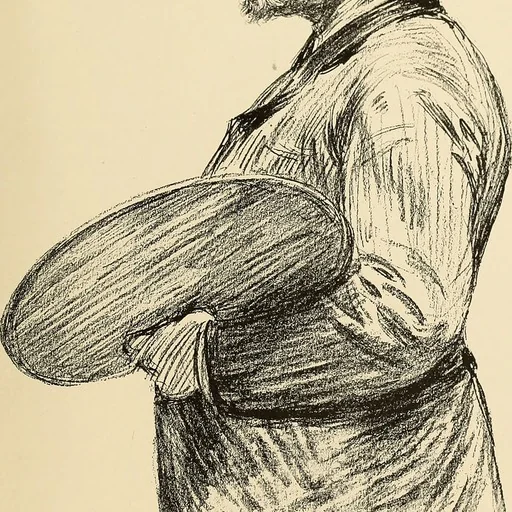
Jean-Charles Cazin was a French landscapist, museum curator and ceramicist.