Artwork
Pan and Syrinx
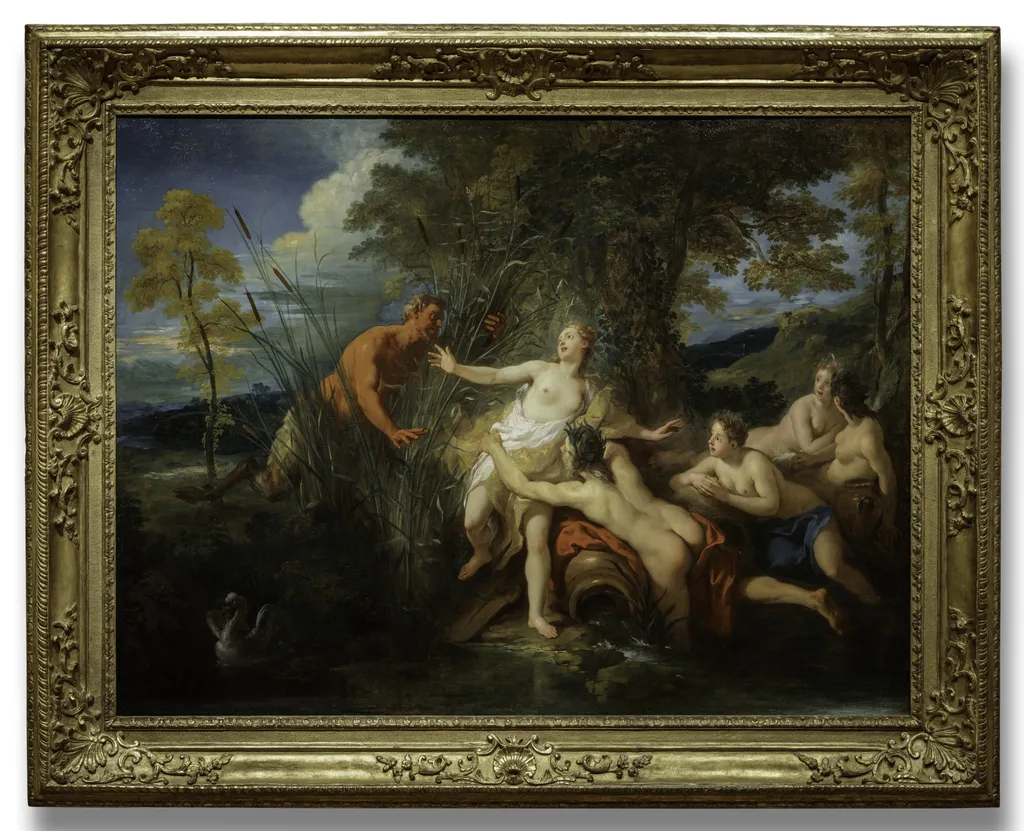
Pan and Syrinx is an oil painting by the Rococo painting artist Jean-François de Troy. It dates from 1720 and is held in the collection of the Cleveland Museum of Art.
About this work
Overview
Jean-François de Troy's 1720 oil painting, *Pan and Syrinx*, depicts a moment from classical mythology. This work showcases the artist's engagement with historical narratives, a common theme for this prominent French Rococo painter. The artwork is currently part of the collection at the Cleveland Museum of Art, representing a key example of de Troy's output from the early 18th century.
Subject & Meaning
Pan, the satyr god, is shown with his signature reed pipes, which he crafted from the nymph Syrinx after she transformed into reeds to escape his advances.
The painting illustrates the myth of Pan and Syrinx, a tale of pursuit and transformation from Ovid's *Metamorphoses*. Pan, the satyr god, is shown with his signature reed pipes, which he crafted from the nymph Syrinx after she transformed into reeds to escape his advances. The figures' poses and the instrument suggest the narrative's emotional tension and the origin of the panpipes, central to the story.
Technique & Style
As a leading figure of the Rococo era, Jean-François de Troy employed a refined aesthetic in *Pan and Syrinx*. The composition features a dramatic interplay of light and shadow, where soft illumination highlights the figures against a deep, dark background. This technique, reminiscent of chiaroscuro, emphasizes the forms and creates a sense of depth and theatricality, characteristic of the period's dramatic narrative paintings.
Context
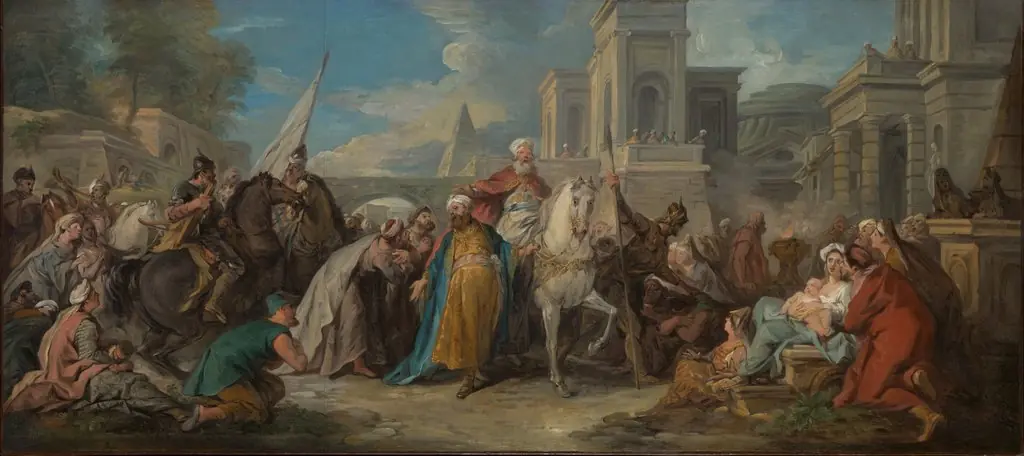
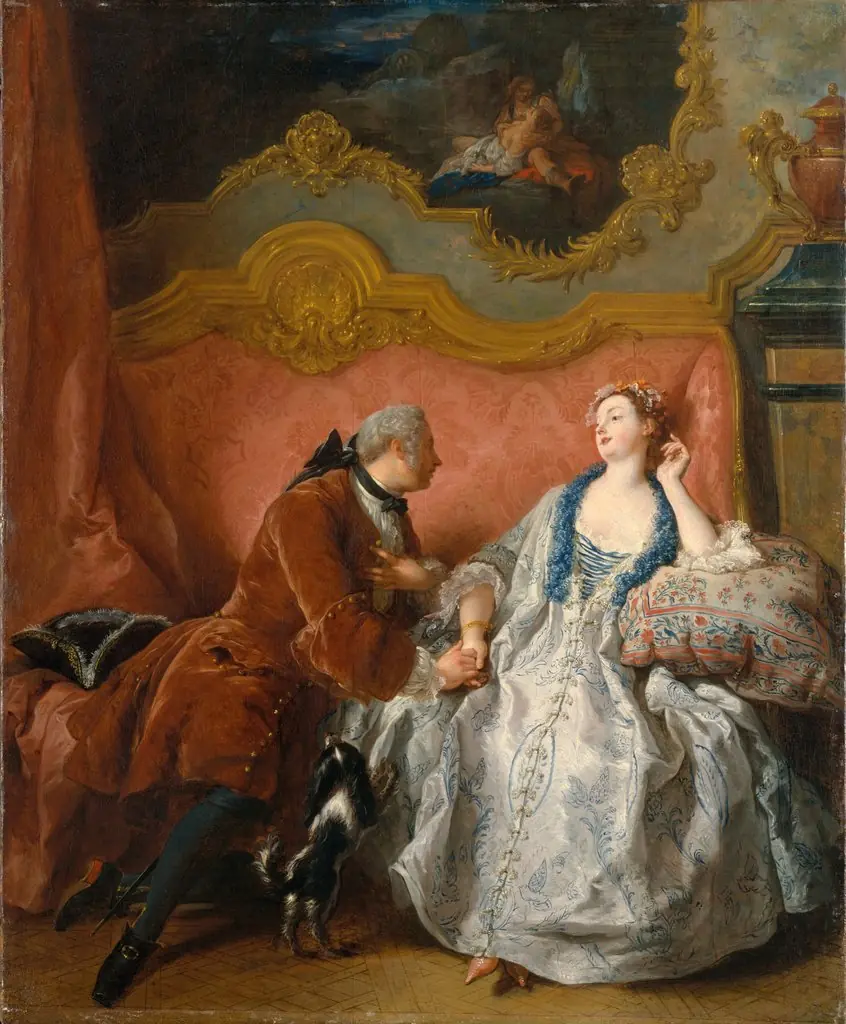
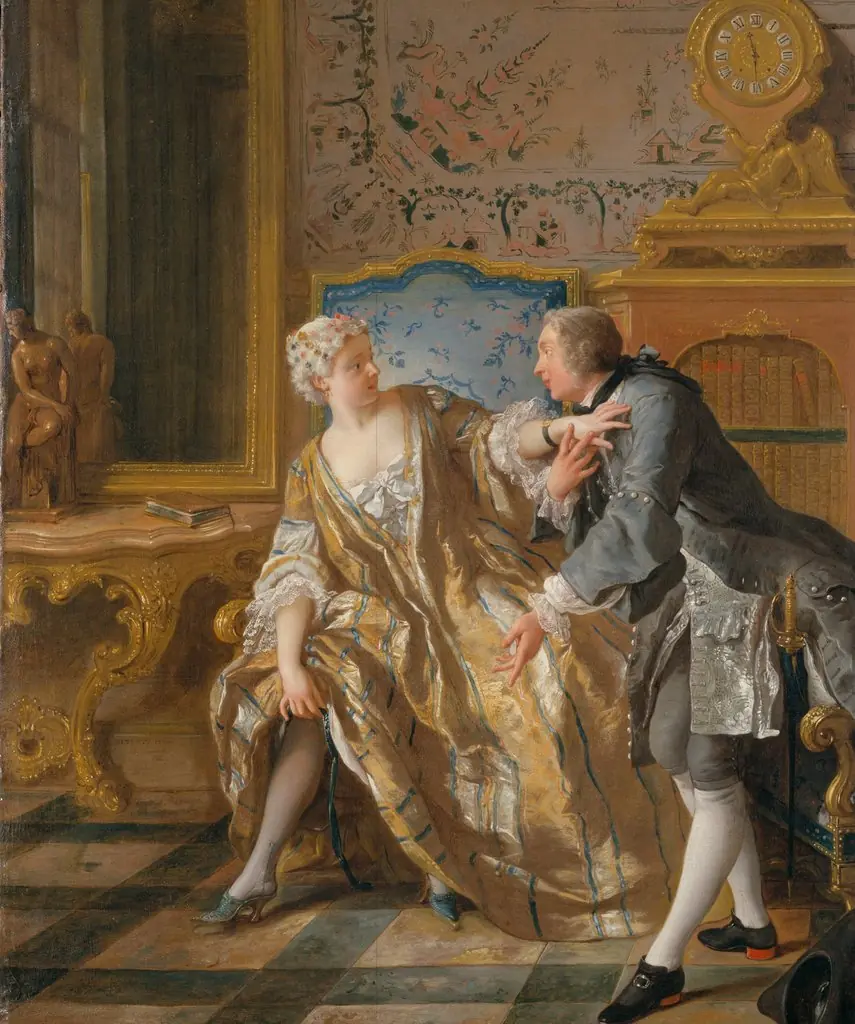
Jean-François de Troy was a versatile artist active during the Rococo period in France. While known for grand history paintings like *Pan and Syrinx*, he also excelled in decorative commissions and portraiture. His innovative *tableaux de modes* offered glimpses into contemporary Parisian society, demonstrating his ability to adapt his sophisticated style across various genres and capture both mythological grandeur and everyday life.
Artist & collection
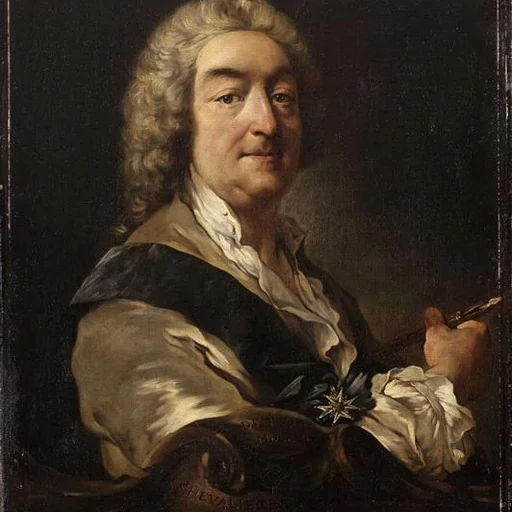
Artist
Jean-François de Troy (27 January 1679, Paris – 26 January 1752, Rome) was a French Rococo easel and fresco painter, draughtsman and tapestry designer.