Artwork
De stal
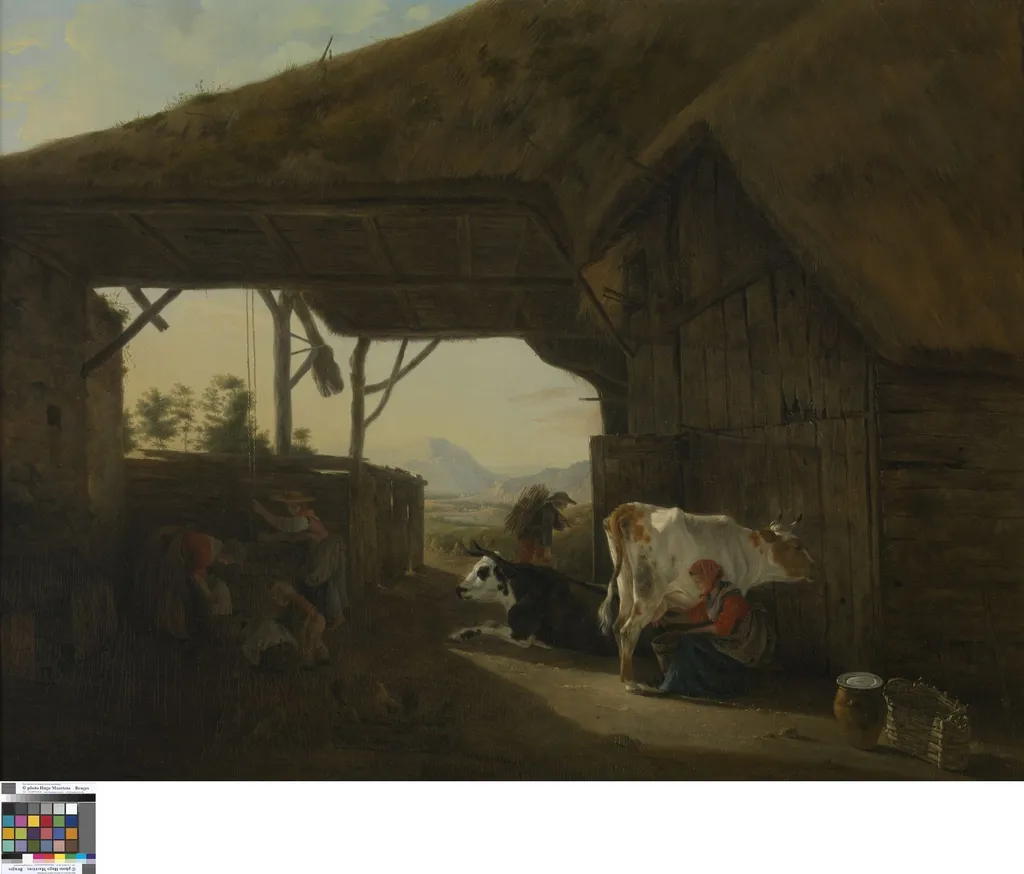
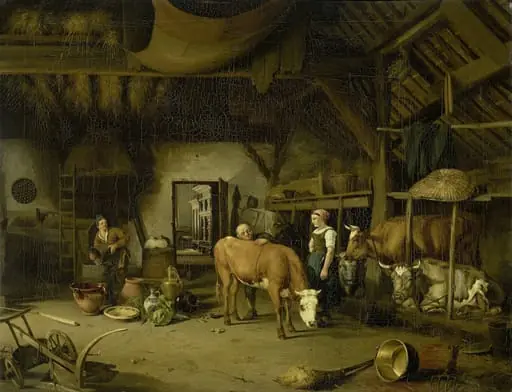
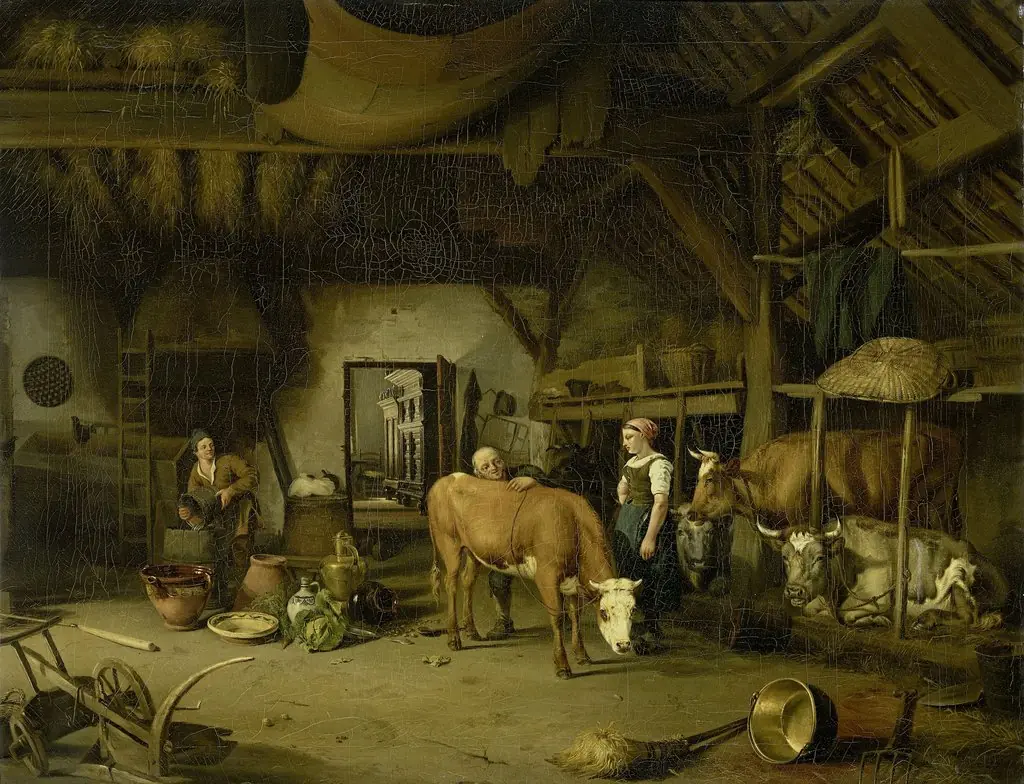
De stal is an oil painting by the Rococo painting artist Jean-François Legillon. It dates from 1788 and is held in the collection of the Groeningemuseum.
About this work
Overview
The work is part of the Groeningemuseum’s collection in Bruges and reflects the quiet domesticity of agricultural life in Flanders during the period.
Jean-François Legillon, also known as Jan Frans Le Gillon, painted *De stal* in 1788 using oil on panel. A Flemish artist active in the late 18th century, he specialized in rural livestock scenes. The work is part of the Groeningemuseum’s collection in Bruges and reflects the quiet domesticity of agricultural life in Flanders during the period. Though associated with Rococo sensibilities, its tone leans toward naturalism rather than ornamentation.
Subject & Meaning
The painting captures a moment of daily labor: a woman milking a cow inside a modest barn. Her calm posture and the animal’s stillness suggest harmony between human and beast. The absence of drama or idealization points to an appreciation for ordinary rural existence. The scene carries no overt symbolism, instead valuing the dignity of routine work and the quiet rhythm of farm life.
Technique & Style
Legillon employed soft, warm tones and gentle lighting to evoke the interior’s coziness. The textures of the woman’s woolen dress and the cow’s mottled coat are rendered with careful attention, enhancing tactile realism. Subtle chiaroscuro defines the forms without dramatic contrast, grounding the scene in natural light filtering through the barn’s open door. Brushwork remains restrained, favoring clarity over flourish.
History & Provenance
Legillon, born in 1739 and active until his death in 1797, worked primarily in Flanders, documenting rural subjects with consistency. *De stal* was completed near the end of his career, during a time when regional painting traditions retained strong local relevance. The work entered the Groeningemuseum’s holdings in the 19th century, where it remains as part of a broader collection of Flemish genre scenes.
Context
In late 18th-century Flanders, depictions of farm life were increasingly valued as expressions of regional identity, even as urban centers embraced neoclassical ideals. Legillon’s focus on cattle and barn interiors aligned with a broader interest in authentic, unembellished rural scenes. His work stands apart from aristocratic Rococo themes, instead offering a grounded view of agricultural labor in a region still deeply tied to the land.
Legacy
Legillon’s oeuvre, though not widely known beyond regional collections, contributes to the understanding of Flemish genre painting in the decades before industrialization. *De stal* exemplifies a quiet, observational approach to rural life that influenced later regional artists. His emphasis on everyday detail helped preserve a visual record of pre-modern farming practices in northern Europe.
Artist & collection
Artist
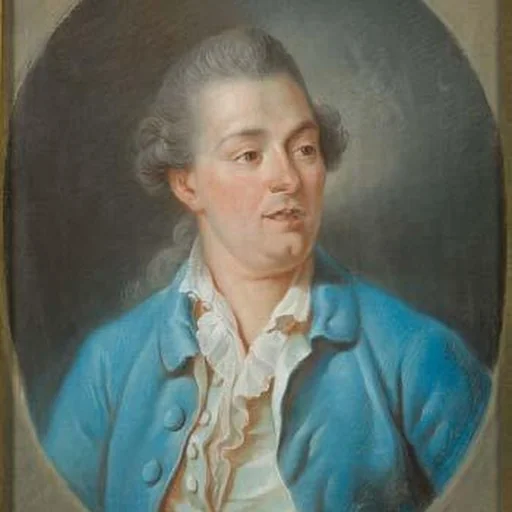
Jean-François Legillon, originally Jan Frans (1 September 1739 – 23 November 1797) was a Flemish painter who specialized in scenes with cattle. His name is sometimes written as Le Gillon.