Artwork
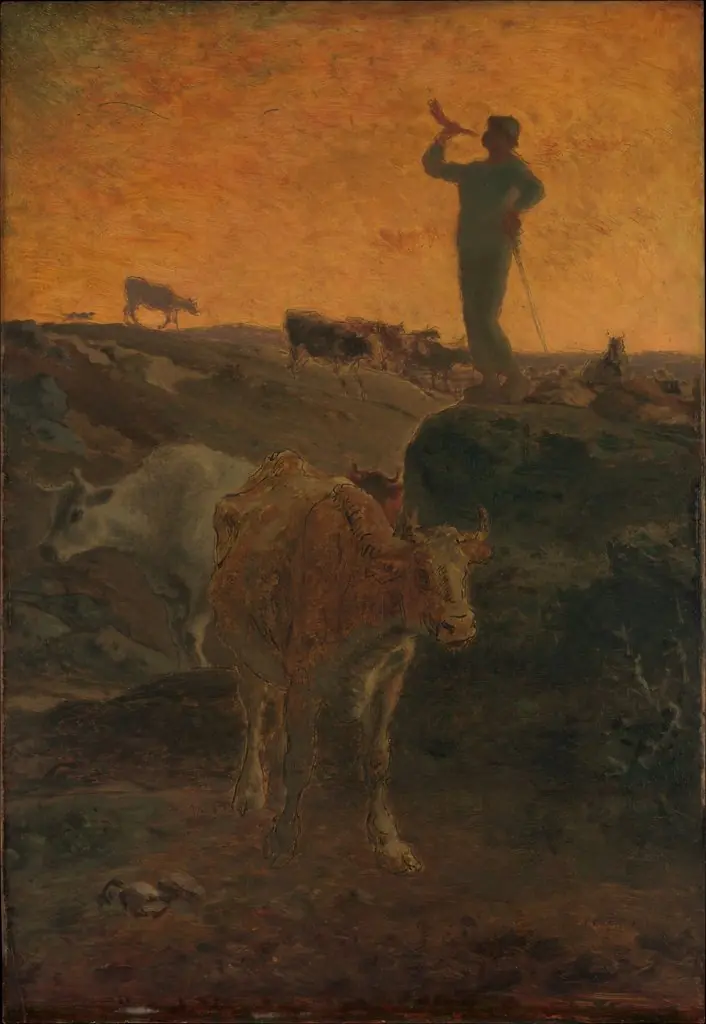
The Keeper of the Herd
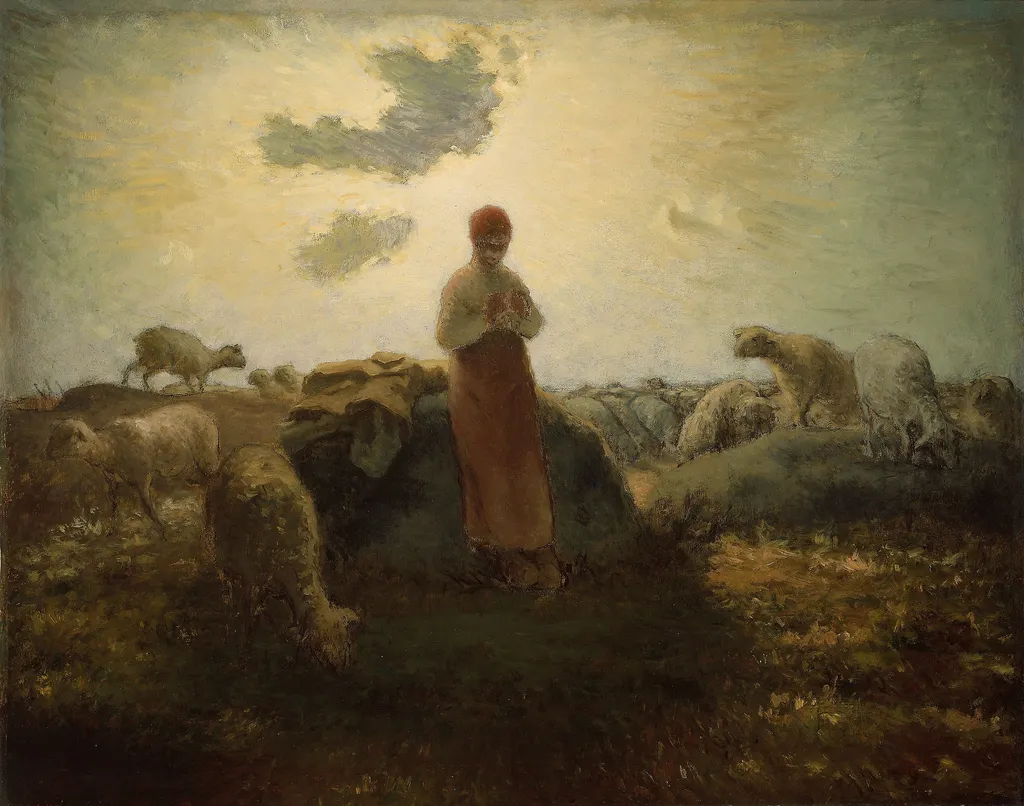
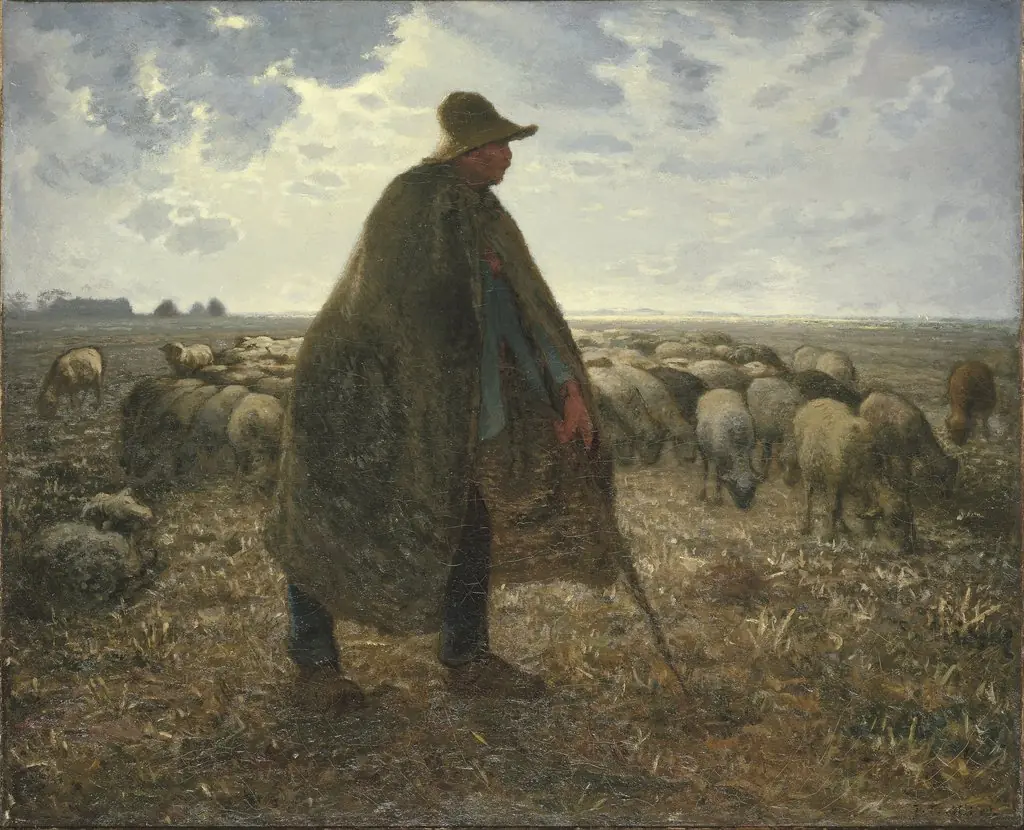
The Keeper of the Herd is an oil painting by the Realist artist Jean François Millet. It dates from 1871 and is held in the collection of the Art Institute of Chicago.
About this work
Overview
The Keeper of the Herd, painted in 1871 by Jean-François Millet, is an oil painting exemplifying the Barbizon school's emphasis on rural life. Millet, a leading Realist, depicted the daily realities of agricultural workers with dignity.
Subject & Meaning
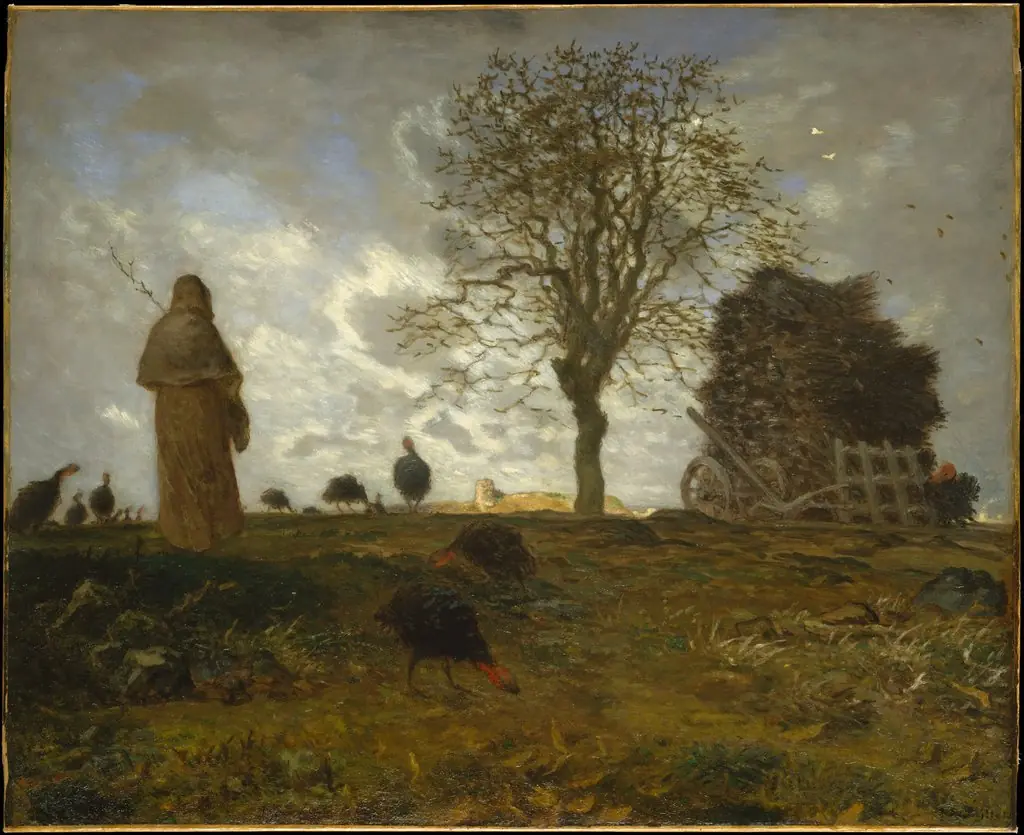
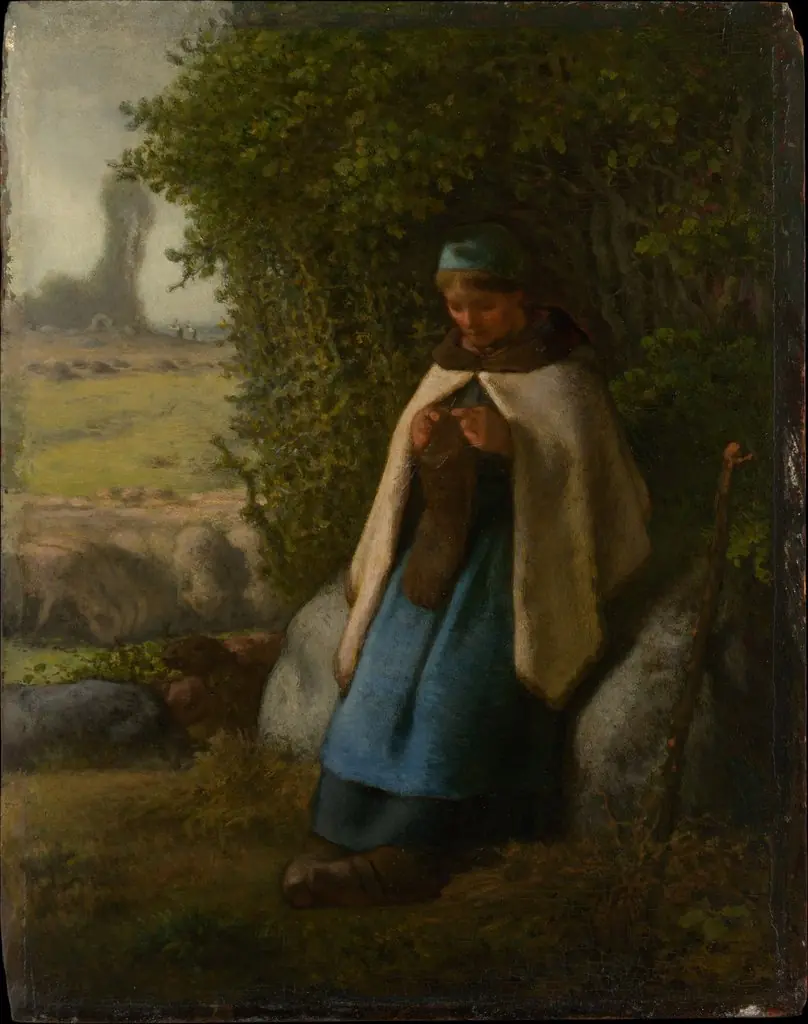
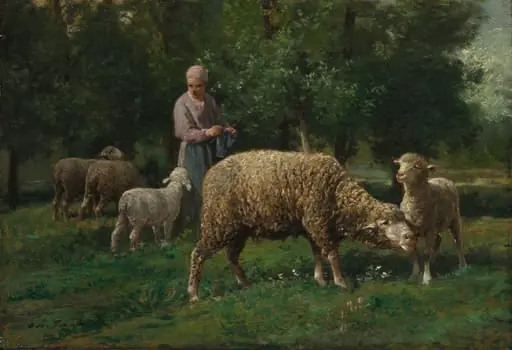
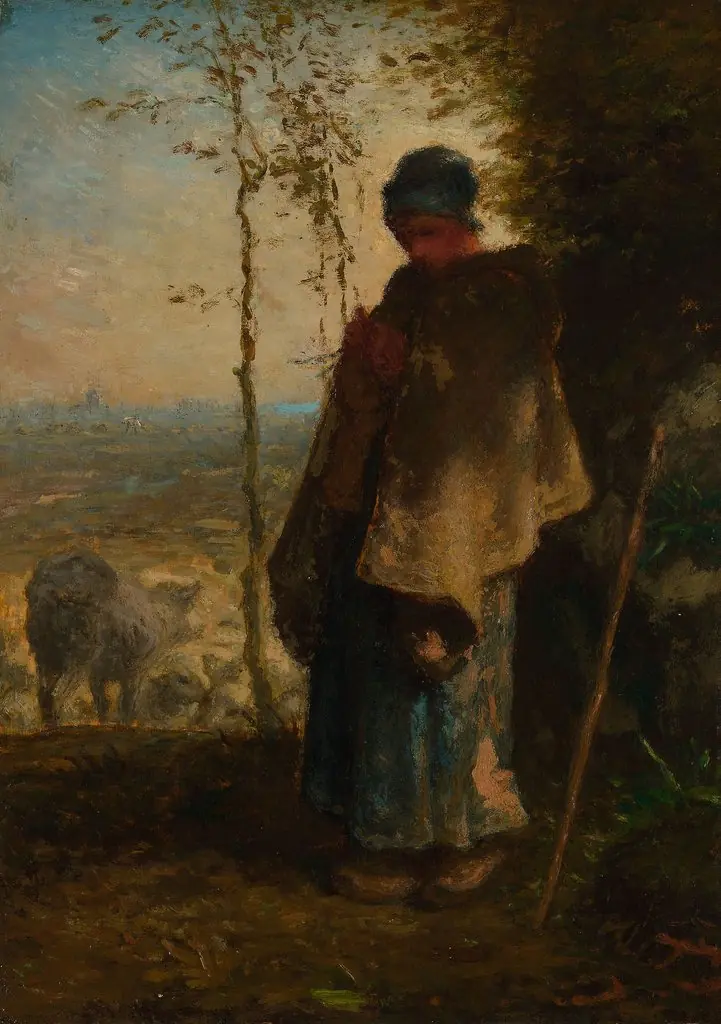
The painting portrays a woman standing in a field, surrounded by scattered sheep, with her hands clasped in a pose conveying watchfulness. The scene embodies the quiet diligence and caretaking aspect of rural labor, highlighting the subject's role as a guardian.
Technique & Style
Millet employed warm color tones to evoke comfort and serenity. The composition features a contrast between the serene figure and the subtly active sheep, set against a backdrop of a cloudy sky. The use of chiaroscuro (strong contrasts between light and dark) enhances the emotional depth of the scene.
History & Provenance
Created in 1871, The Keeper of the Herd is characteristic of Millet's Realist approach to depicting peasant life. While specific provenance details are not provided, the work aligns with Millet's thematic preoccupations during this period.
Context
This painting reflects the Barbizon school's focus on the everyday lives of rural communities, diverging from more romanticized or idealized representations of country life prevalent at the time.
Legacy
The Keeper of the Herd contributes to Millet's legacy as a pioneer in Realist painting, influencing subsequent artists in their depiction of working-class life with authenticity and respect.
Own this work as a print
Artist & collection
Artist
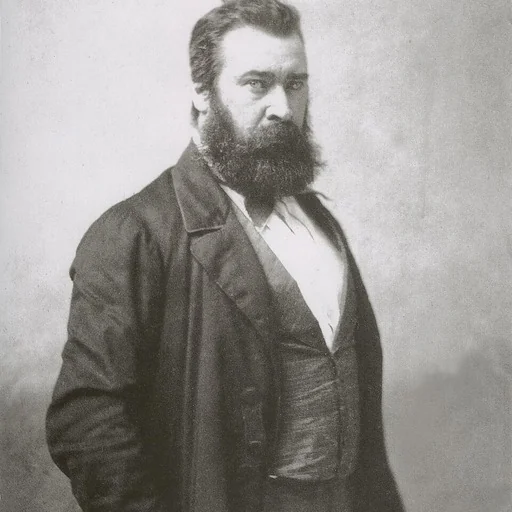
Jean-François Millet (French pronunciation: ; 4 October 1814 – 20 January 1875) was a French painter and one of the founders of the Barbizon school in rural France.