Artwork
A Gentleman of the Reign of Louis XIII
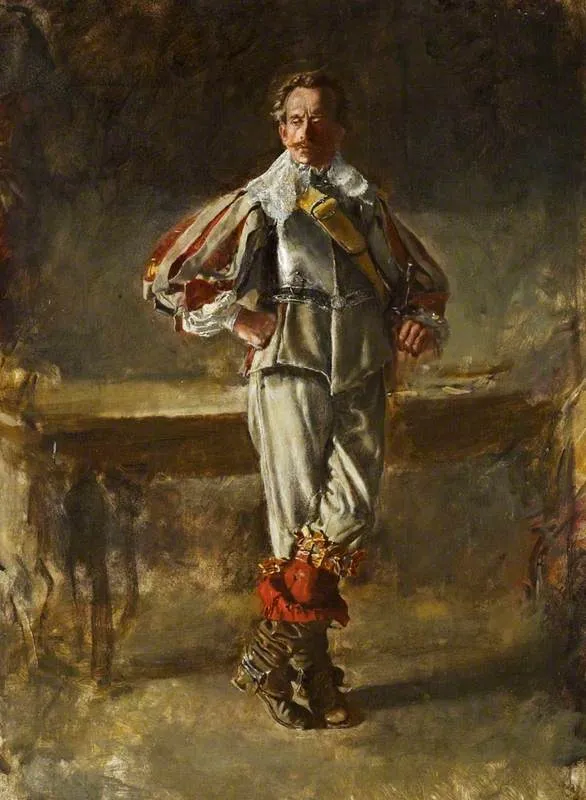
A Gentleman of the Reign of Louis XIII is an oil painting by the Realist artist Jean Louis Ernest Meissonier. It dates from 1849 and is held in the collection of the National Galleries Scotland. Painted in 1849 by Jean-Louis Ernest Meissonier, this oil work presents a meticulously rendered portrait of a man in 17th-century dress.
About this work
The painting's use of chiaroscuro, a technique that uses strong contrasts between light and dark, adds depth and dimension to the image.
The painting depicts a man dressed in 17th-century attire, standing in front of a stone wall. He wears a white and red striped shirt with billowy sleeves, a white ruffled collar, and a white belt around his waist. His pants are white, and he has a red and gold object around his right leg, just above the knee. The background is a dark, muted color, with a stone wall behind the man.
The man's clothing and hairstyle suggest that he is from the 17th century, specifically during the reign of Louis XIII. The painting's use of chiaroscuro, a technique that uses strong contrasts between light and dark, adds depth and dimension to the image.
This painting is held at the Scottish National Gallery, where you can see more works by Jean Louis Ernest Meissonier.
Overview
Painted in 1849 by Jean-Louis Ernest Meissonier, this oil work presents a meticulously rendered portrait of a man in 17th-century dress. Though created in the 19th century, the subject is styled to reflect the era of Louis XIII. The painting’s quiet intensity and historical precision align with Meissonier’s broader interest in reconstructing past eras through careful attention to material culture and costume.
Subject & Meaning
The figure is depicted as a nobleman of the early 1600s, identified by his attire: a striped shirt with voluminous sleeves, a ruffled collar, and a white belt. A red-and-gold ornament above the knee suggests a decorative garter or military insignia. His composed stance and direct gaze convey dignity, but no specific identity is known. The portrait functions less as a likeness and more as an evocation of aristocratic bearing during the reign of Louis XIII.
Technique & Style
Meissonier employs chiaroscuro to model the figure with subtle gradations of light and shadow, enhancing the three-dimensionality of fabric and form. Brushwork is precise, with fine detailing in the lace, stitching, and metal accents. The dark, neutral background isolates the subject, focusing attention on texture and silhouette. The style reflects academic realism, prioritizing historical accuracy over emotional expression.
History & Provenance
Completed in 1849, the painting entered the collection of the Scottish National Gallery in the 19th century. Its acquisition reflects the Victorian era’s fascination with historical reconstruction and French academic art. Meissonier, then emerging as a leading figure in historical genre painting, produced this work during a period when artists increasingly turned to the past for subject matter, often blending scholarly research with artistic imagination.
Context
In mid-19th-century France, there was a surge of interest in reviving historical dress and customs, fueled by Romanticism and the rise of archaeology. Meissonier’s work responded to this trend, offering viewers a tangible connection to an idealized past. Unlike portraiture of the time, which often depicted contemporaries, this painting deliberately evokes a bygone age, aligning with broader European efforts to reconstruct historical identity through visual culture.
Legacy
The painting remains a representative example of Meissonier’s early historical studies, influencing later artists engaged in period reconstruction. While not widely exhibited, it endures as a quiet testament to 19th-century academic ideals: precision, restraint, and reverence for material history. Its presence in the Scottish National Gallery underscores its role in shaping British perceptions of French artistic scholarship during the Victorian period.
Artist & collection

Artist
Jean-Louis-Ernest Meissonier was a French academic painter and sculptor. He became famous for his depictions of Napoleon and his military sieges and manoeuvres in paintings acclaimed both for the artist's mastery of…

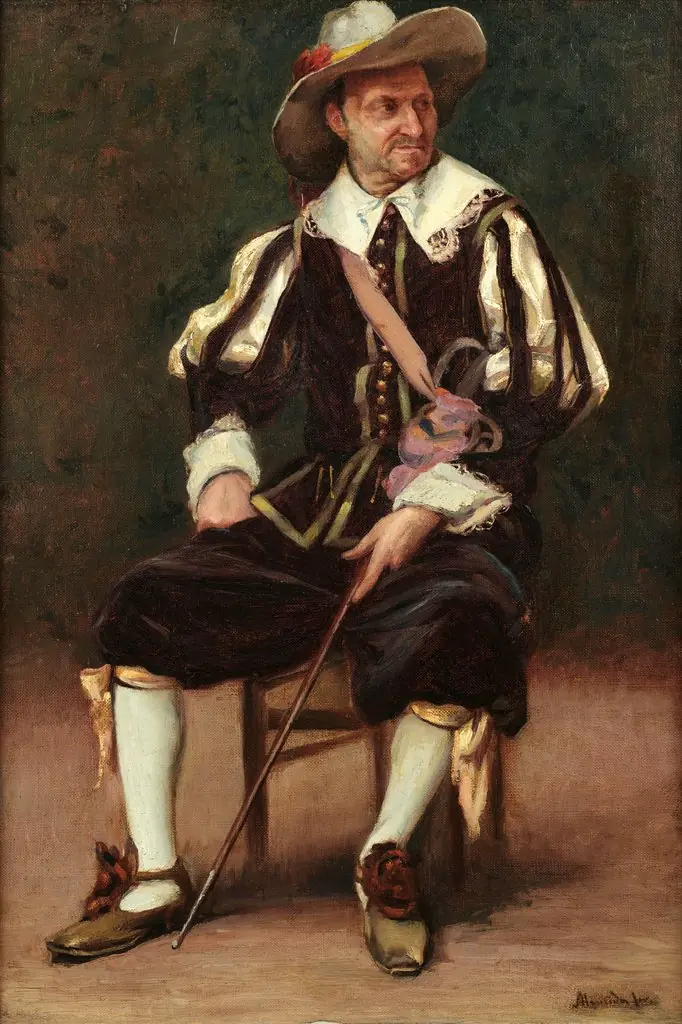 Musketeer
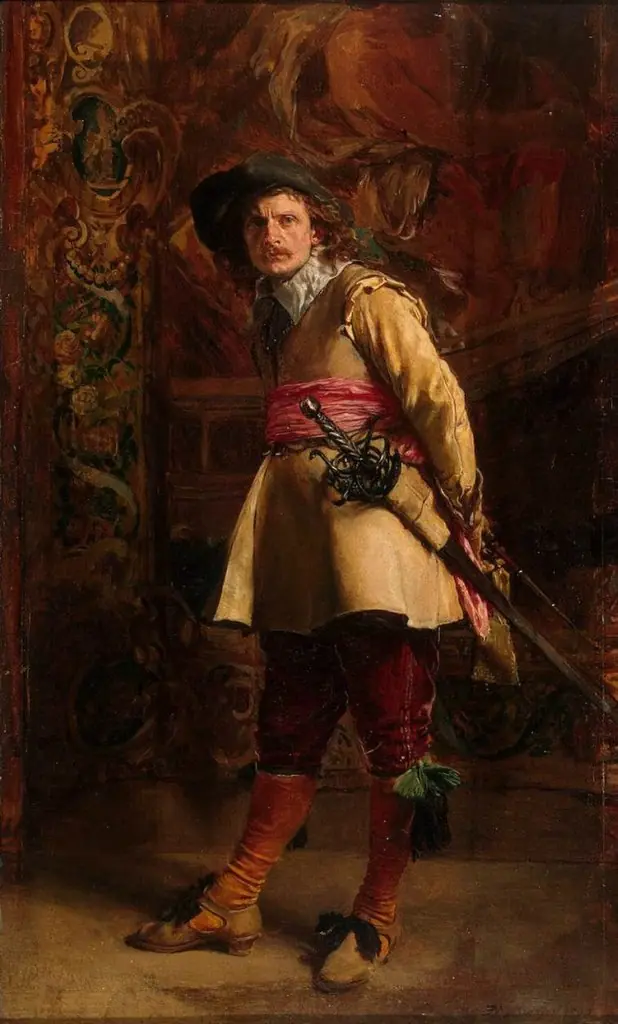 Musketeer
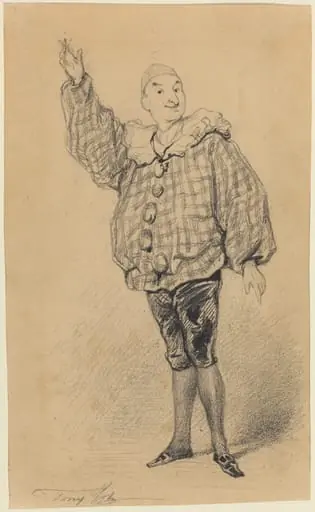 Lepeintre Ainé in the Role of Paillasse
 Wykeham Deverell as a Child
 Man with a Cane (dummy board)
 Charles d'Albert, duc de Luynes, connétable de France (1578-1621)
 Edward Compton (1854–1918), as Hamlet in 'Hamlet' by William Shakespeare
 Pierrot
 A Man Wearing a Red Coat
 Smoker
 Rider
Rider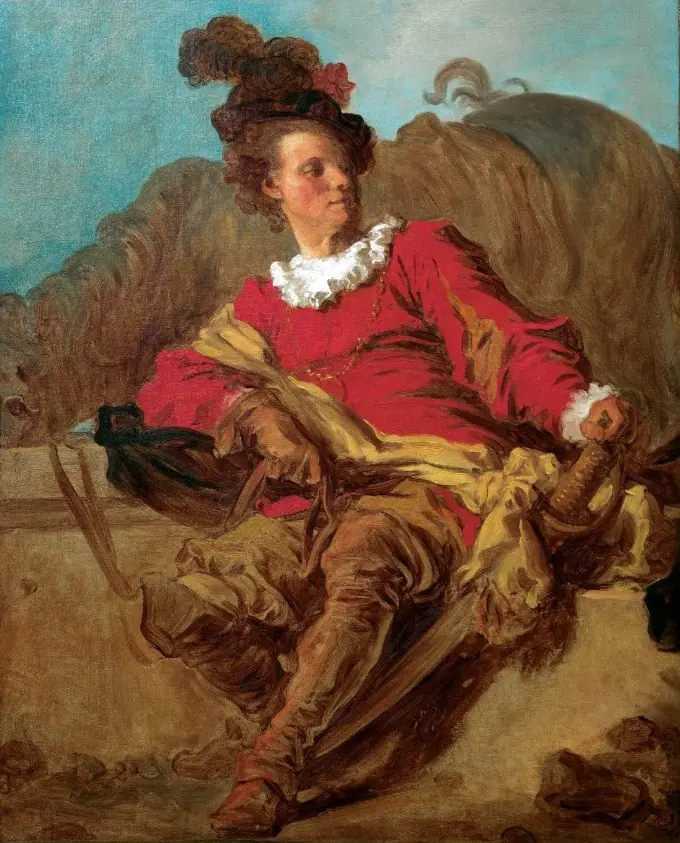 Jean-Claude Richard, abbé of Saint-Non