Artwork
Rice ap Gryffydd, Prince of Wales
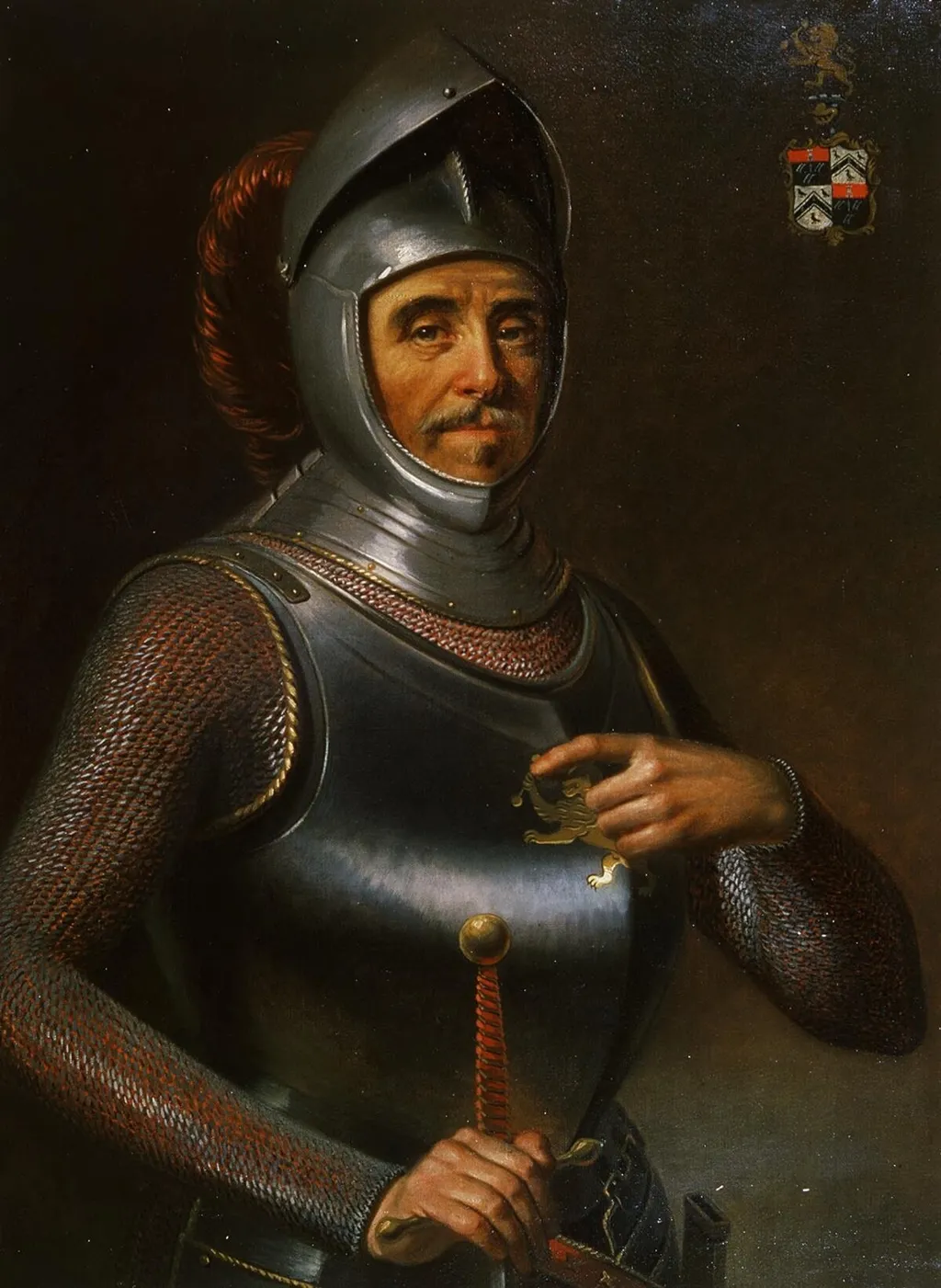
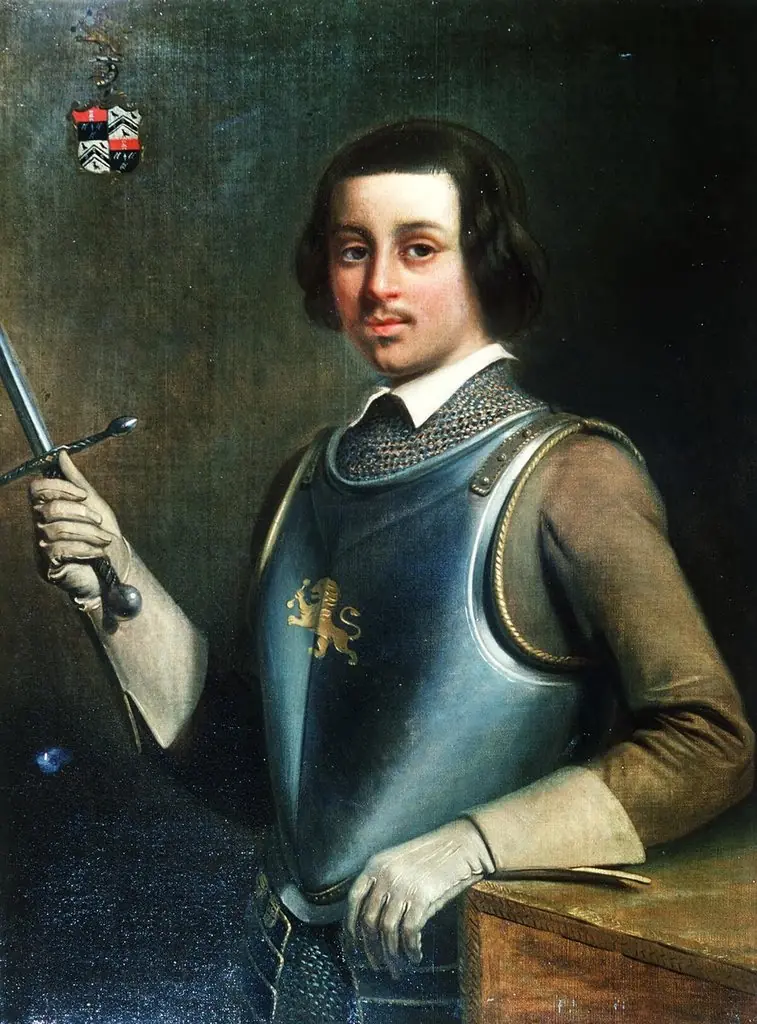
Rice ap Gryffydd, Prince of Wales is an oil painting by Jean Pierre Victor Dartiguenave. It dates from 1870 and is held in the collection of the National Library of Wales.
About this work
Overview
Though created centuries after his lifetime, the work presents him in idealized medieval armor, reflecting 19th-century romanticized notions of Welsh heritage.
Painted in 1870 by Jean Pierre Victor Dartiguenave, this oil portrait portrays Rhys ap Gruffydd, a 12th-century Welsh prince. Though created centuries after his lifetime, the work presents him in idealized medieval armor, reflecting 19th-century romanticized notions of Welsh heritage. The painting resides in the National Library of Wales, where it functions as part of a broader effort to visually reclaim national historical figures.
Subject & Meaning
Rhys ap Gruffydd, ruler of Deheubarth in the 12th century, is depicted not as a historical figure but as a symbolic emblem of Welsh sovereignty. Dressed in stylized armor and gripping a sword, his direct gaze and composed posture convey authority. The image does not reflect contemporary records of his appearance but instead constructs a heroic archetype, aligning with Victorian-era ideals of noble leadership and cultural pride.
Technique & Style
Dartiguenave employs chiaroscuro to emphasize the metallic surfaces of the armor, contrasting them against a deep, neutral background. Brushwork is precise in rendering textures—plate mail, fabric linings, and the sword’s hilt—while the face is rendered with restrained realism. The composition follows academic portraiture conventions, prioritizing dignity and monumentality over historical accuracy, typical of 19th-century historical reconstructions.
History & Provenance
Commissioned during a period of renewed Welsh cultural interest, the painting entered the collection of the National Library of Wales shortly after its completion. Its origins lie in a wave of romantic nationalism that sought to visually anchor Welsh identity through imagined historical figures. No contemporary likenesses of Rhys ap Gruffydd exist, making this portrait a product of artistic interpretation rather than documentation.
Context
Created in the late 19th century, the portrait emerged amid efforts to revive Welsh language, literature, and historical memory. Similar works were produced across Britain to celebrate regional heroes, often blending fact with myth. Dartiguenave’s image reflects this trend, using medieval aesthetics to evoke a sense of continuity between ancient Welsh leadership and modern national consciousness.
Legacy
The portrait remains a reference point in Welsh cultural history, frequently reproduced in educational materials and exhibitions on medieval Wales. While not a factual likeness, it has shaped public perception of Rhys ap Gruffydd for over a century. Its presence in the National Library underscores its role as a cultural artifact, more significant for its symbolic resonance than its historical fidelity.
Artist & collection
Artist
Jean Pierre Victor Dartiguenave
Jean Pierre Victor Dartiguenave painted two oil portraits in 1870, Rice Grug and Rice ap Gryffydd, Prince of Wales — both done in the same year.

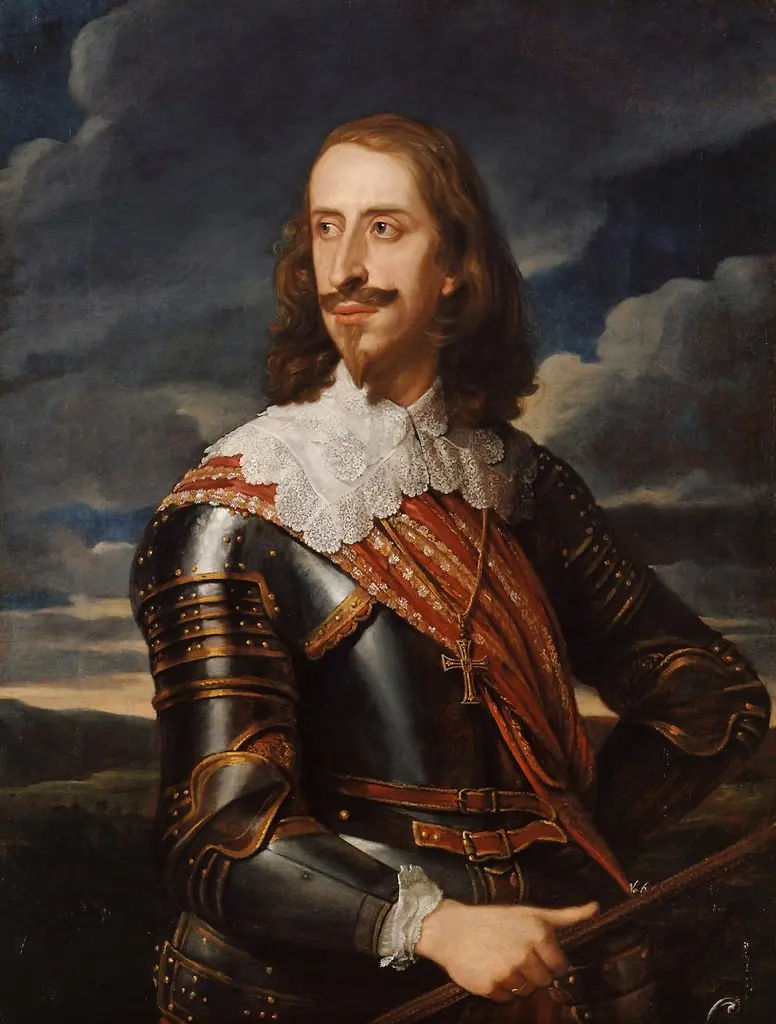 Archduke Leopold Wilhelm in armor (1614-1662)
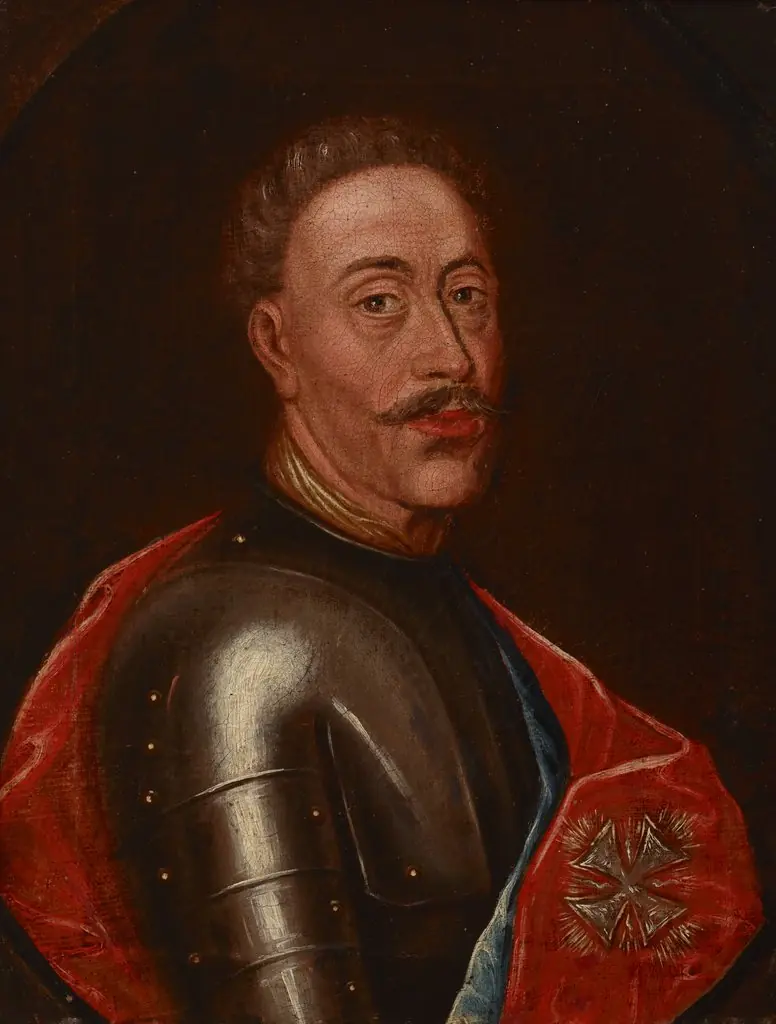 Portrait of Stanisław Mateusz Rzewuski, Crown Hetman (1662-1728)
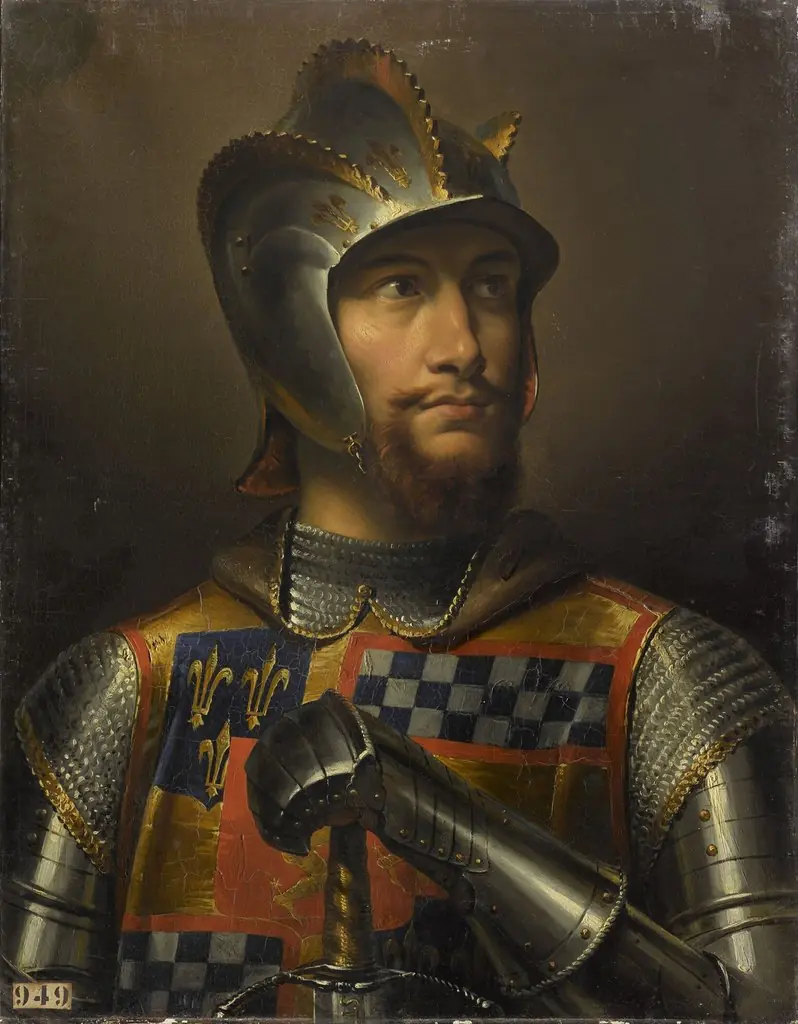 Jean II Stuart, connétable de Buchan (+ 1424)
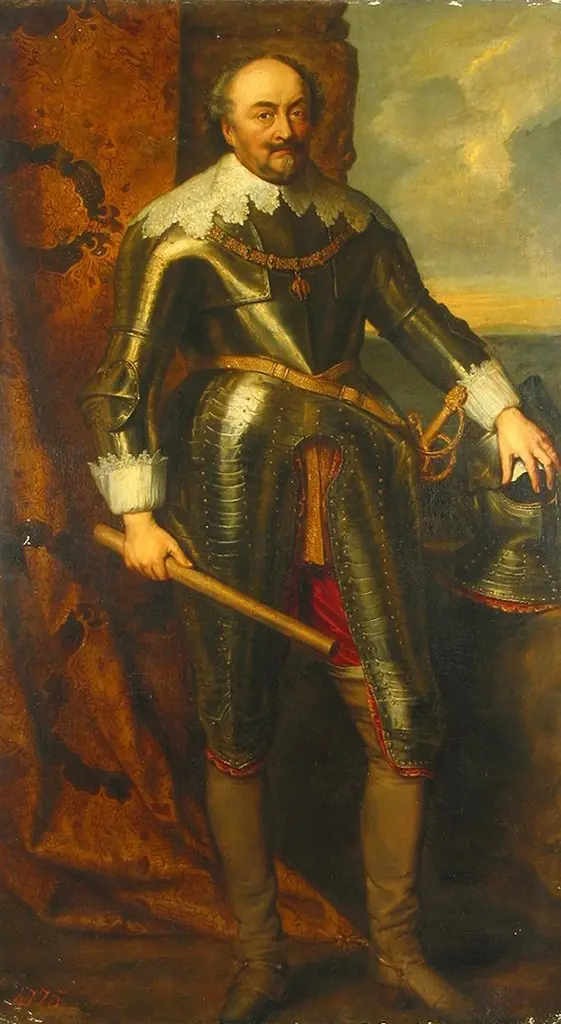 Portrait of Johan, Count of Nassau-Siegen (1583-1638)
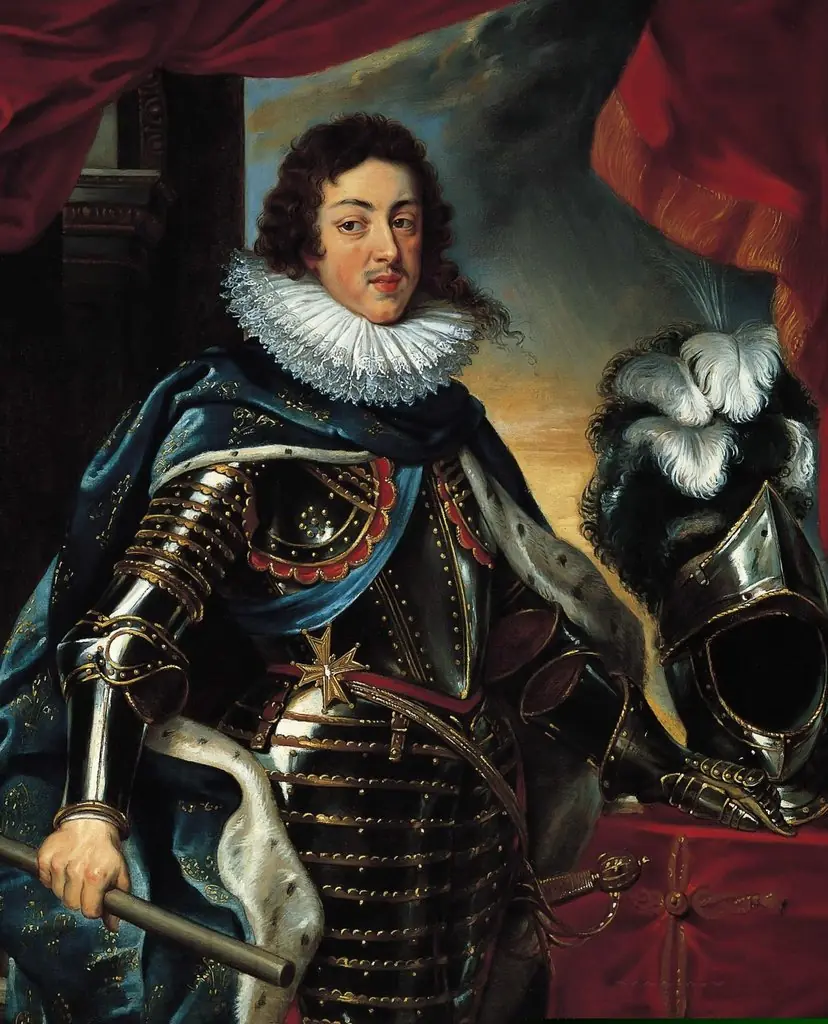 Portrait of Louis XIII in Armour
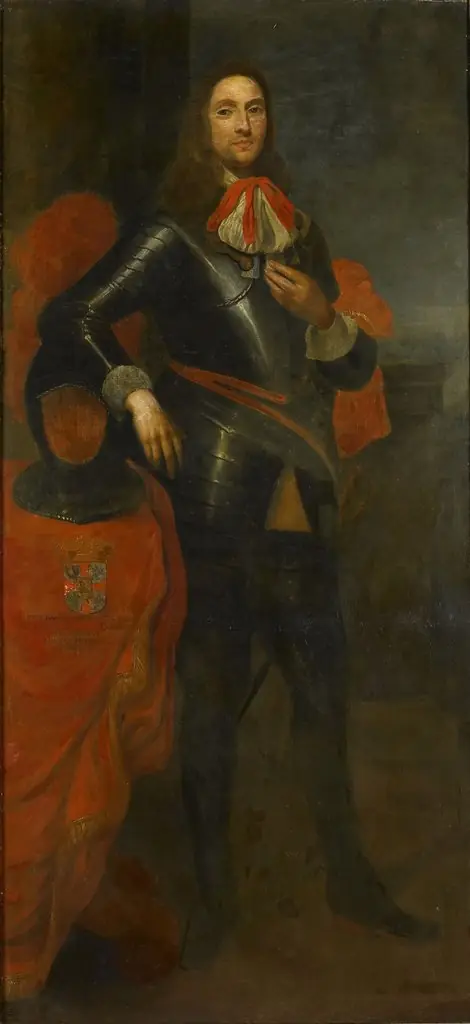 Portrait of Ferdinand Carolus Gonzaga Duke of Mantua (1652-1708)
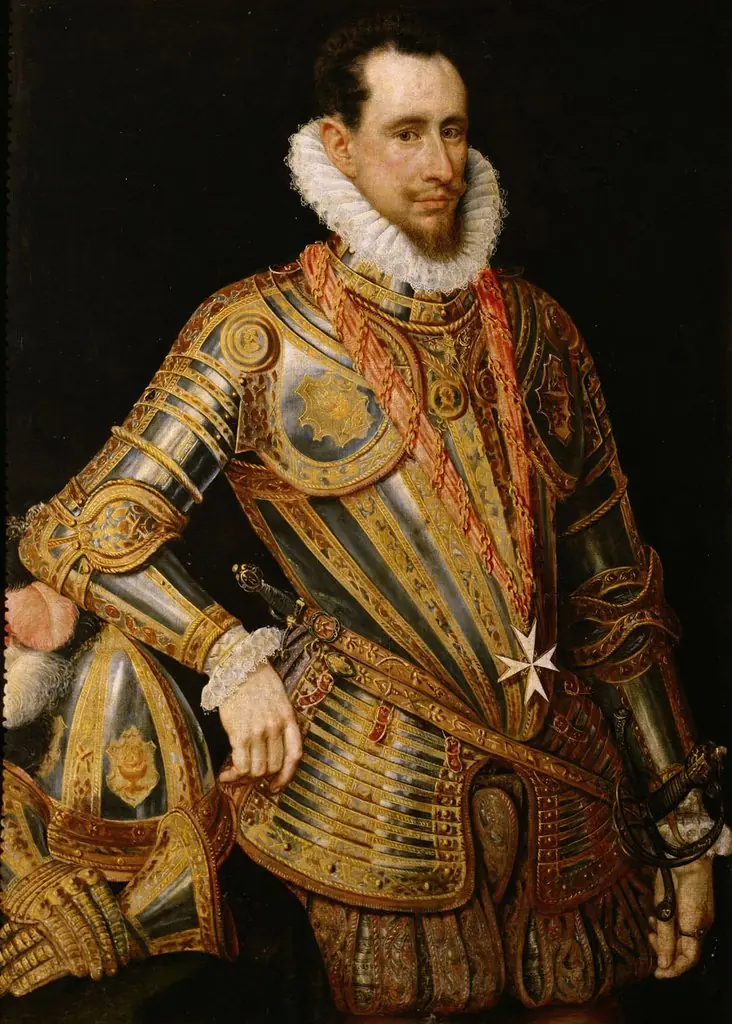 Bildnis eines Malteserritters
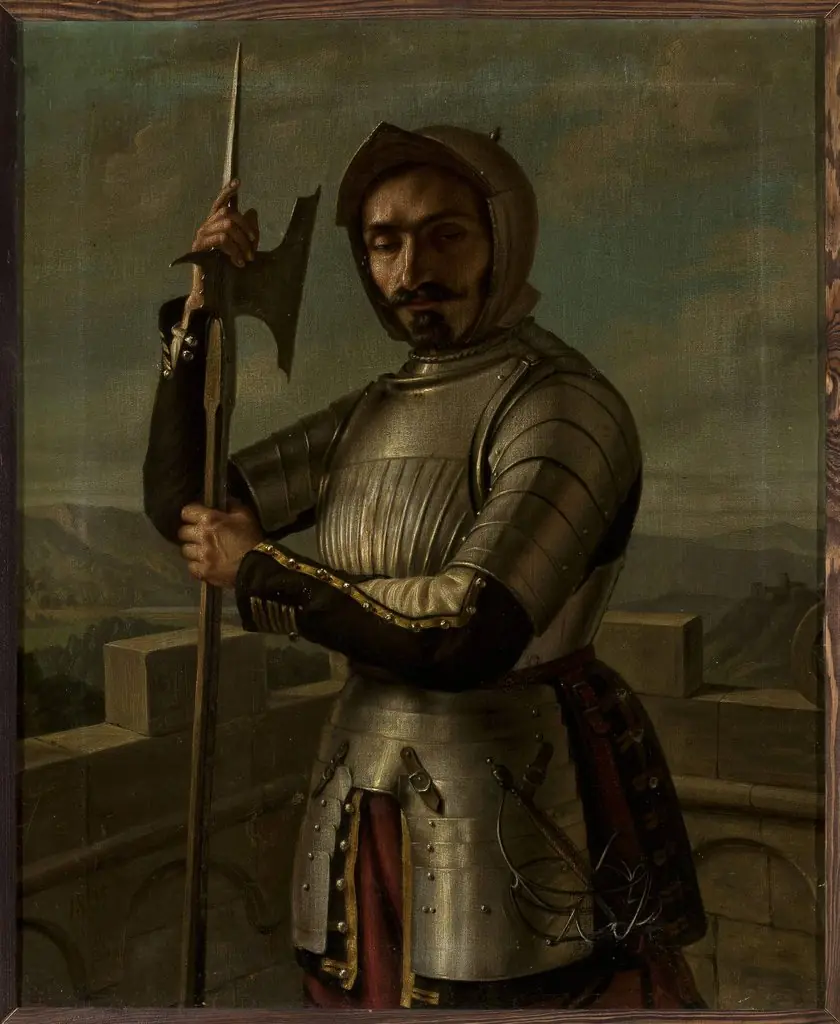 Knight in armour
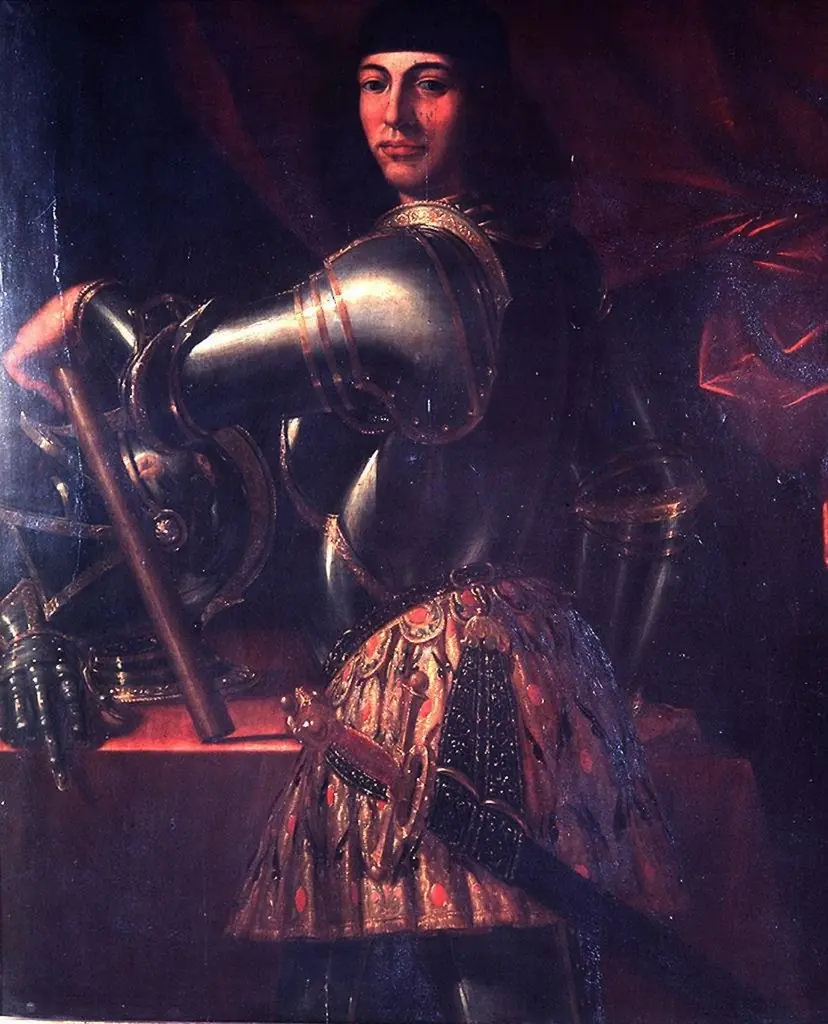 Portrait of Piero di Lorenzo de' Medici
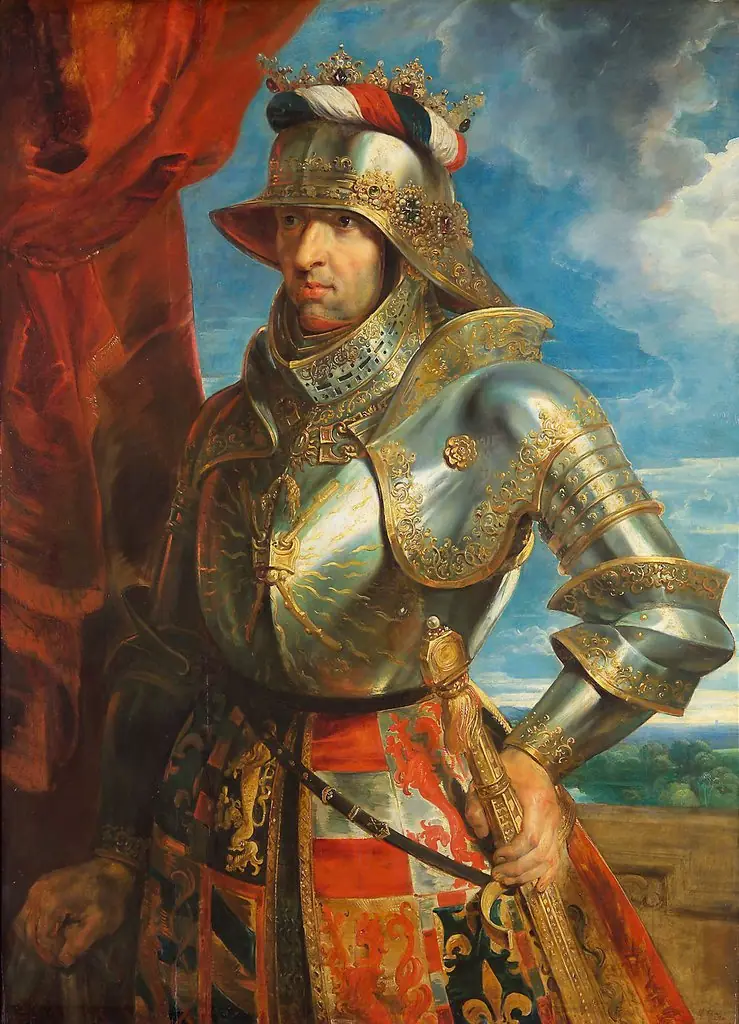 Philip the Handsome
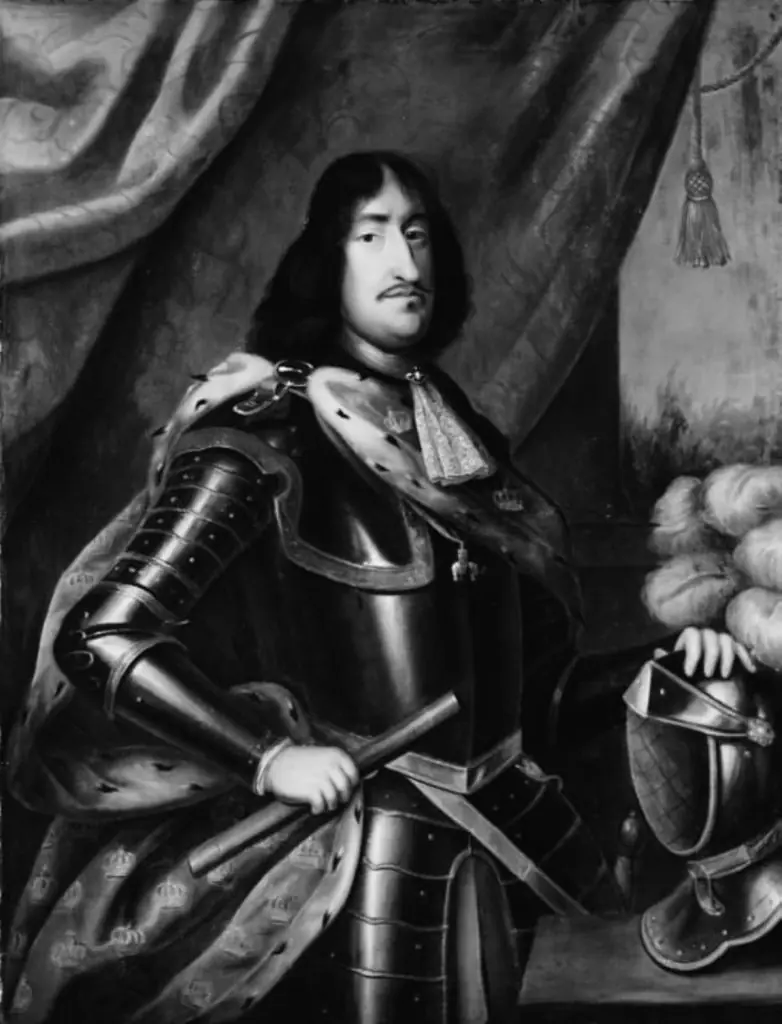 Kong Frederik III
 Rice Grug