Artwork
Emperor Franz I, Empress Maria Theresa and Their Son Archduke Joseph
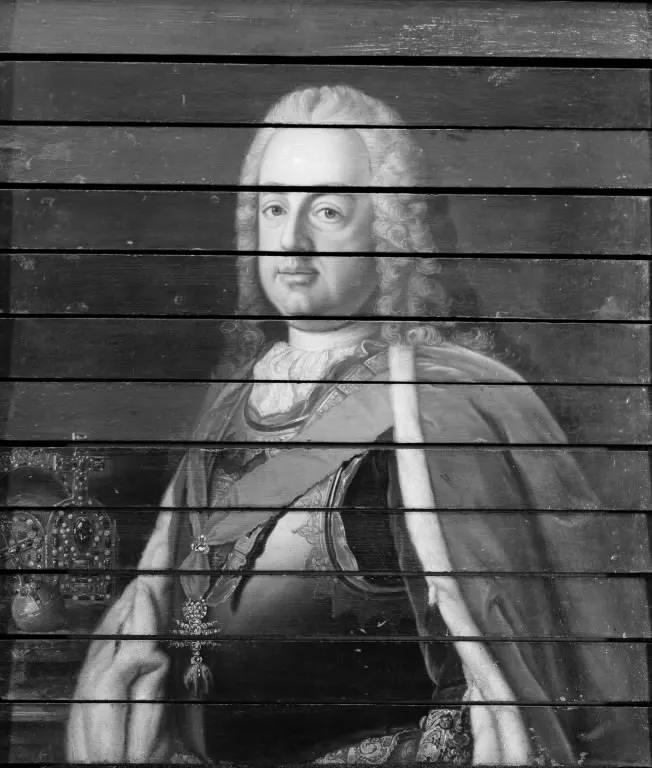
Emperor Franz I, Empress Maria Theresa and Their Son Archduke Joseph is an unspecified painting by the Rococo painting artist Jean-Étienne Liotard. It dates from 1765 and is held in the collection of the Statens Museum for Kunst.
About this work
Overview
The composition places the three figures against a dark backdrop, emphasizing their refined attire and the subtle interplay of light and shadow.
Jean‑Étienne Liotard’s 1765 group portrait presents the Austrian imperial family: Emperor Francis I, Empress Maria Theresa, and their son Joseph, later Holy Roman Emperor. Executed in the Rococo era, the canvas now belongs to Denmark’s Statens Museum for Kunst. The composition places the three figures against a dark backdrop, emphasizing their refined attire and the subtle interplay of light and shadow.
Subject & Meaning
The work records a moment of dynastic continuity, foregrounding the reigning emperor and his consort alongside their heir. By portraying the family together, Liotard underscores the political stability of the Habsburg line and the personal bond among its members, a visual affirmation of succession and authority.
Technique & Style
Liotard, renowned for his meticulous naturalism, renders textures with precise brushwork: the emperor’s curly white hair, the empress’s white dress with a prominent bow, and the young archduke’s embroidered jacket are depicted with careful attention to fabric and detail. The dark background functions as a neutral field, allowing the luminous colors of the garments to stand out.
History & Provenance
Born to French Huguenot refugees, Liotard travelled widely, working in cities such as Paris, London, and Vienna. The portrait was likely completed during his Viennese period, when he enjoyed patronage from the imperial court. It entered the collection of the Statens Museum for Kunst in the 20th century, where it remains on display.
Context
Created at the height of the Rococo, the painting reflects the period’s preference for elegance and intimate court portraiture. While the style often favored decorative frivolity, Liotard’s approach retains a sober realism, aligning with the Habsburgs’ desire for dignified representation amid the broader cultural shift toward Enlightenment ideals.
Artist & collection
Artist
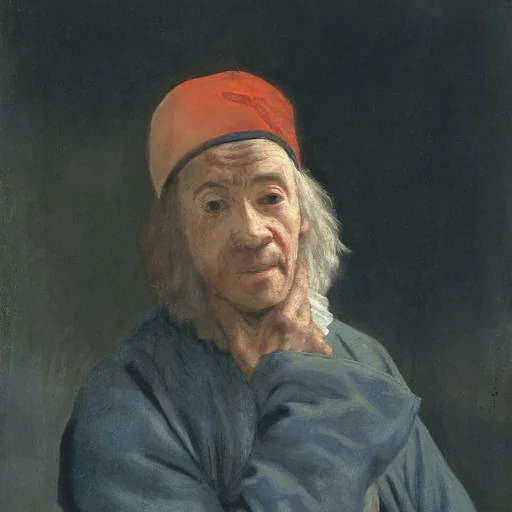
Jean-Étienne Liotard (French pronunciation: ; 22 December 1702 – 12 June 1789) was a Genevan painter, pastellist, printmaker, art theorist and art dealer.