Artwork
Porträt der Elizabeth Rothmahler
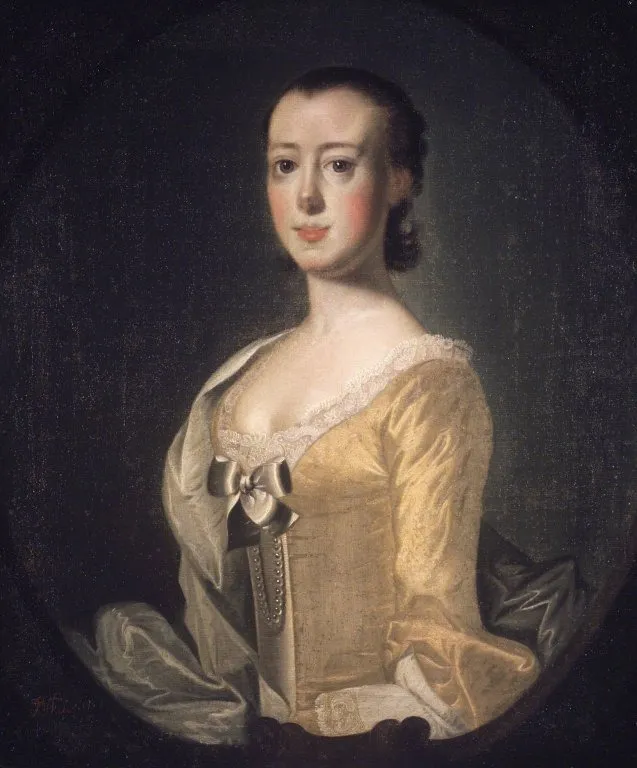
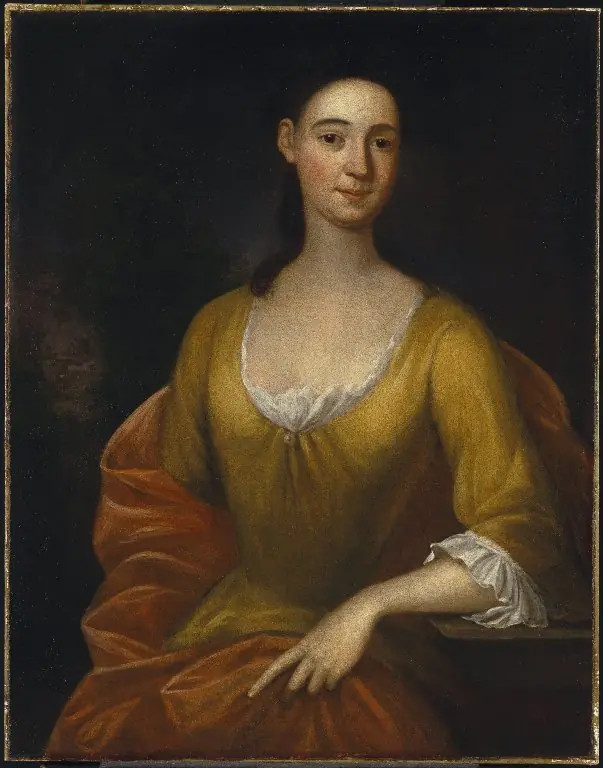
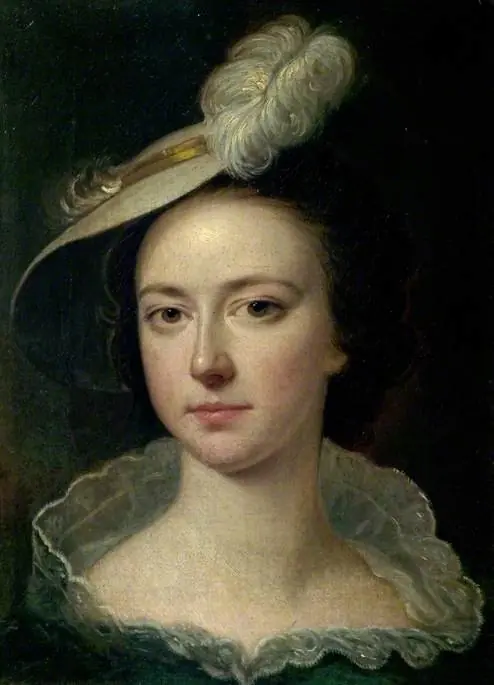
Porträt der Elizabeth Rothmahler is an oil painting by the Rococo painting artist Jeremiah Theus. It dates from 1757 and is held in the collection of the Brooklyn Museum.
About this work
Overview
Porträt der Elizabeth Rothmahler is an oil painting created in 1757 by Jeremiah Theus, a Swiss-born artist active in Charleston, South Carolina. The work exemplifies the Rococo style, characterized by its ornate and delicate elements.
Subject & Meaning
The painting portrays a single female subject, Elizabeth Rothmahler, in a formal and refined pose. Her neutral expression and upright posture convey a sense of dignity and composure, typical of Theus’s portraiture.
Technique & Style
Theus employed a dark background to accentuate the subject, who wears a intricately detailed yellow dress with lace trim and a prominent bow. Her dark hair is pulled back, adding to the overall elegance and refinement of the composition.
History & Provenance
Created in 1757, the painting is a product of Theus’s activity in Charleston, reflecting the artistic tastes of the region during the mid-18th century. Specific provenance details are not provided.
Context
As a Rococo piece, Porträt der Elizabeth Rothmahler aligns with the broader artistic trends of 18th-century Europe and America, emphasizing luxury, delicacy, and the portrayal of the elite.
Legacy
The painting represents Theus’s contribution to American colonial portraiture, offering insight into the social and artistic values of his time. It remains a characteristic example of his work.
Artist & collection

Artist
Jeremiah Theus (né Theüs; April 5, 1716 – May 17, 1774) was a Swiss-born American painter, primarily of portraits.

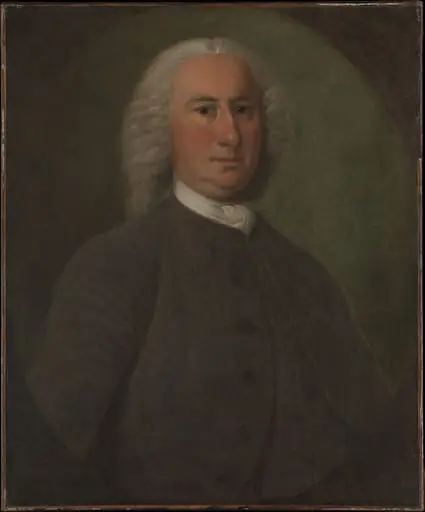
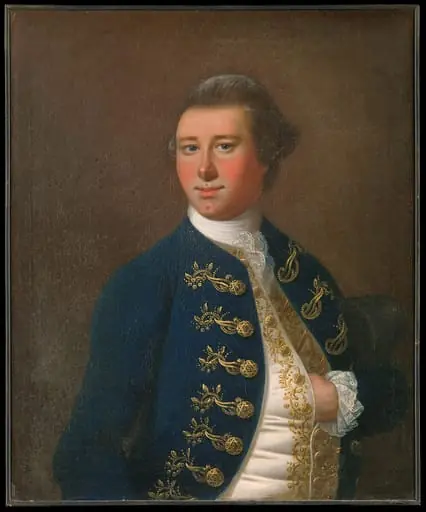
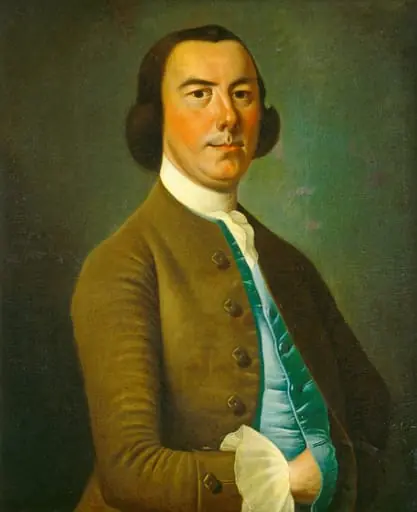
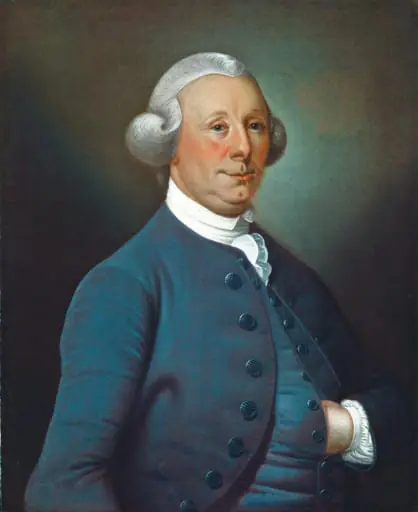
 Portrait of a Woman
 Portrait of Maria Gunning, Countess of Coventry (1733-1760), Wife of the 6th Earl
 Mrs. John Haskins (née Hannah Upham)
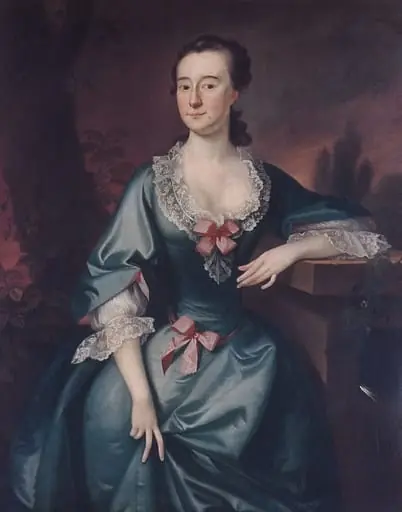 Mrs. David Chesebrough
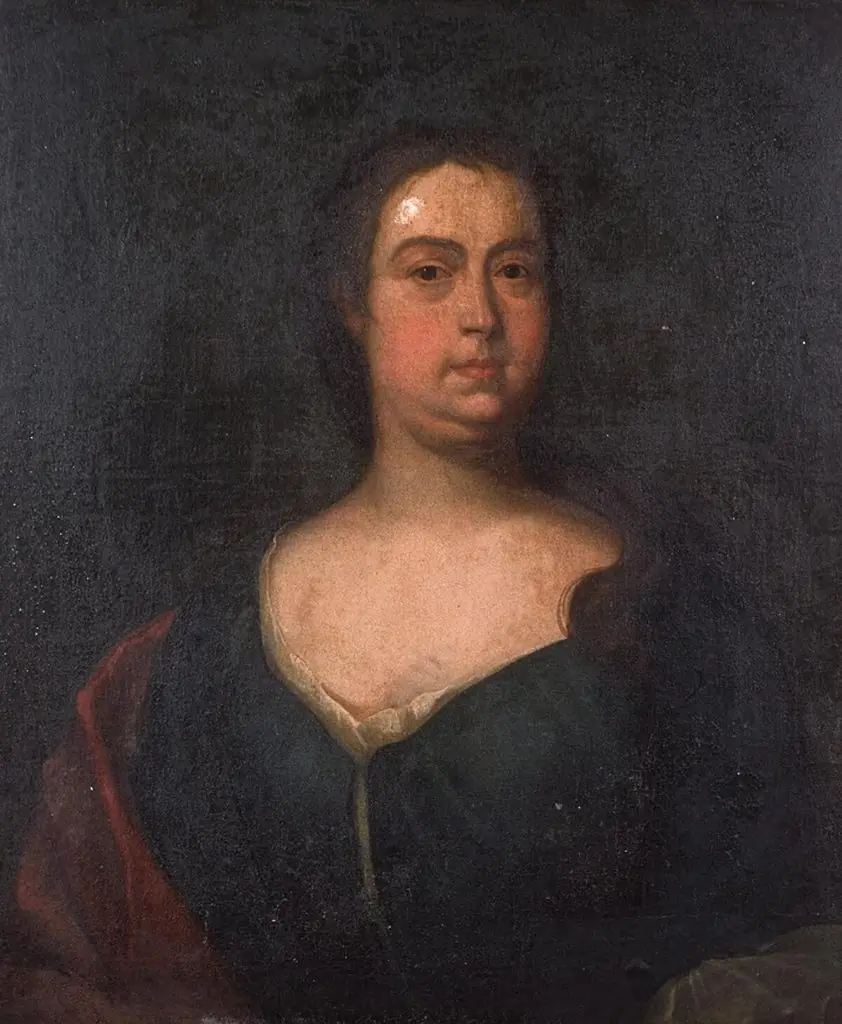 Mrs Mary Lloyd
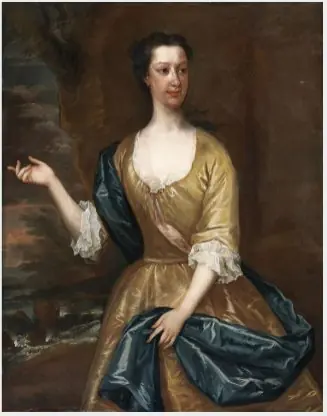 Portrait of Lady Anne Conolly (née Wentworth) (1713-1797)
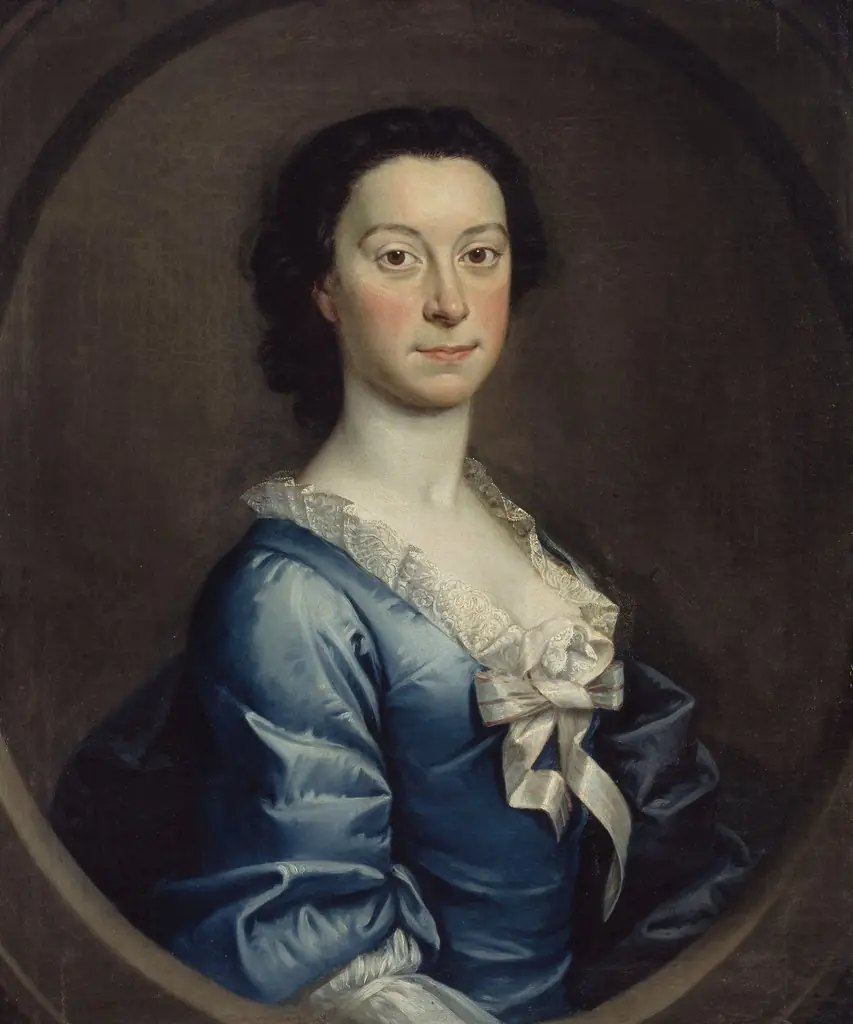 Possible Portrait of Hester Vanhomrigh ('Vanessa') (1690-1723)
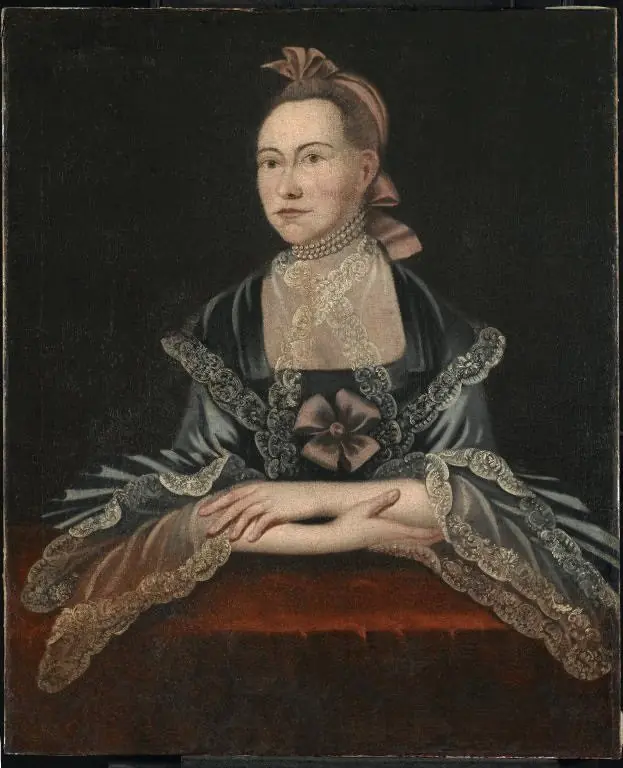 Portrait of a Woman
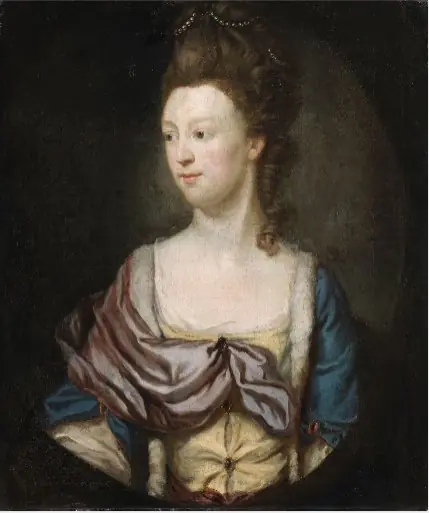 Portrait of a Lady
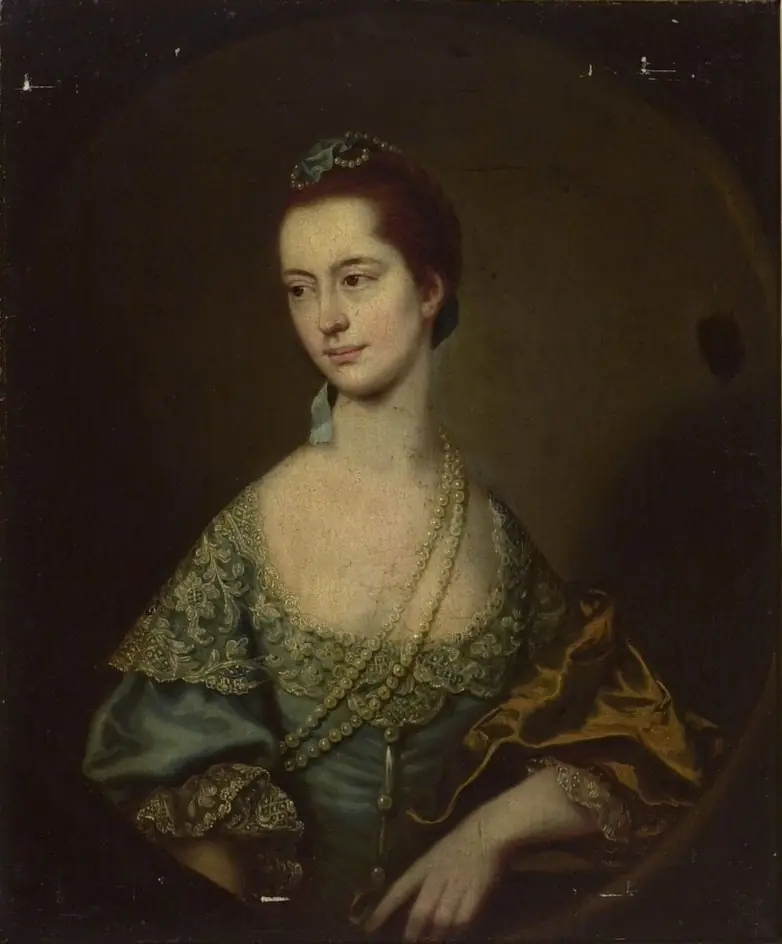 Frances Kinderley, Wife of James Smith, Junior
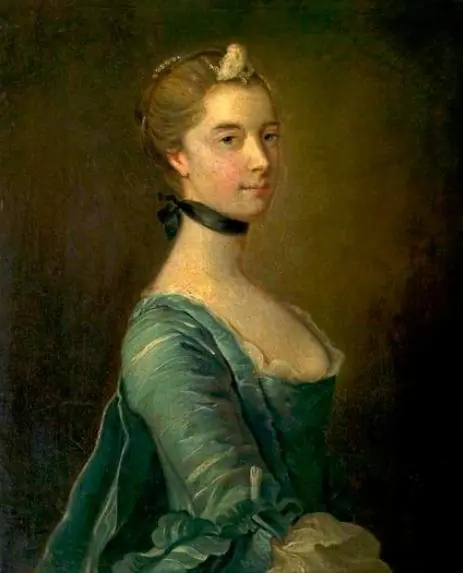 Portrait of an Unknown Woman (possibly Laura Walpole)
 Hannah Wright (1732–1810), in a Feather Hat (sister of the artist)