Artwork
Wunder des hl. Cajetan an Pestkranken
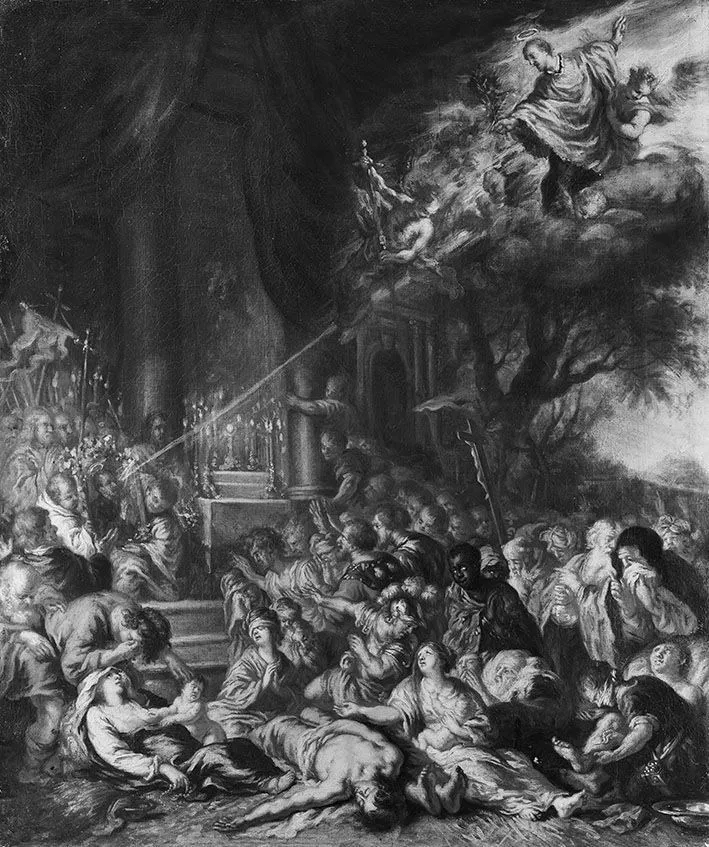
Wunder des hl. Cajetan an Pestkranken is an unspecified painting by the Flemish Baroque painting artist Joachim von Sandrart the Elder. It dates from 1668 and is held in the collection of the Bavarian State Painting Collections.
About this work
Overview
The composition conveys a palpable sense of urgency and disorder, reflecting the painting’s focus on a miraculous intercession during a pestilential crisis.
Created in 1668 by Joachim von Sandrart the Elder, this religious canvas titled “Wunder des hl. Cajetan an Pestkranken” resides in Munich’s Alte Pinakothek. The work depicts a densely populated interior where afflicted figures are gathered amid a turbulent, storm‑filled sky. The composition conveys a palpable sense of urgency and disorder, reflecting the painting’s focus on a miraculous intercession during a pestilential crisis.
Subject & Meaning
The scene centers on Saint Cajetan, invoked for relief from plague, as he appears amid a throng of suffering individuals. Some figures lie prostrate, weeping or reaching outward, while others stand in the background, suggesting a collective plea for divine aid. The dramatic sky above, illuminated by flashes of light, underscores the perceived intervention of the holy figure in a moment of communal desperation.
Technique & Style
Sandrart employs a pronounced chiaroscuro, juxtaposing deep shadows with sharply lit areas to heighten the emotional intensity. Light falls selectively on certain bodies, drawing the viewer’s eye to focal points while the surrounding darkness amplifies the sense of chaos. The painter’s handling of texture and contrast creates a three‑dimensional effect that intensifies the narrative drama within the confined interior space.
History & Provenance
The painting was completed in the late seventeenth century, a period when depictions of saintly miracles served both devotional and didactic purposes. It entered the collection of the Alte Pinakothek, where it has been displayed as part of the museum’s holdings of German Baroque religious art, offering insight into the era’s visual culture and patronage.
Context
Produced during a time when Europe periodically faced epidemic outbreaks, the work reflects contemporary anxieties about disease and the reliance on saintly intercession. Sandrart, known for his scholarly pursuits and artistic training, integrates narrative clarity with dramatic lighting, aligning the piece with broader Baroque tendencies toward theatricality and emotional engagement in religious painting.
Artist & collection
Artist
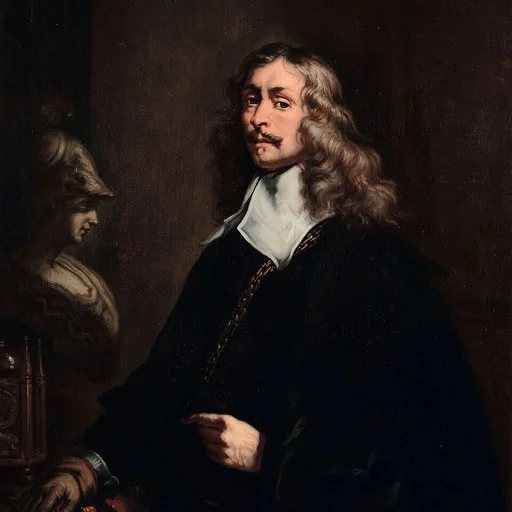
Joachim von Sandrart the Elder
Joachim von Sandrart the Elder (1606–1688) was a German artist, born in Frankfurt.

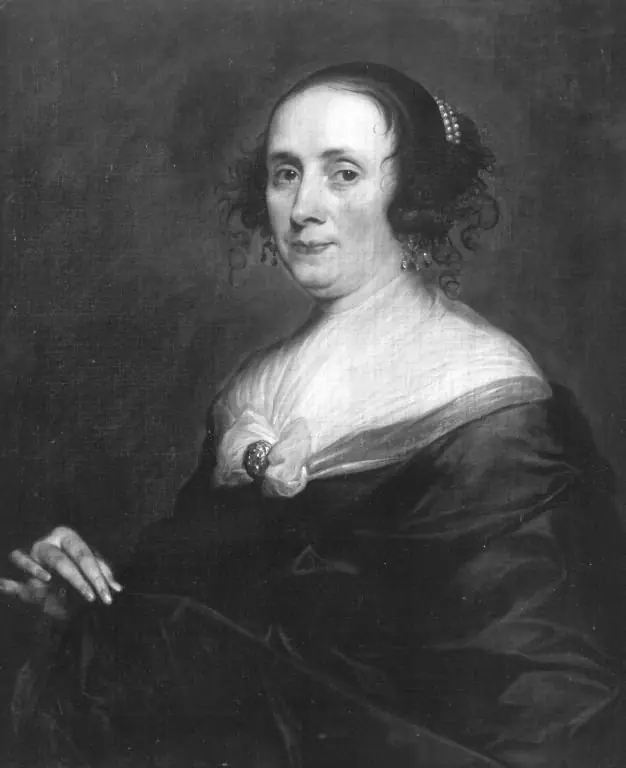 Bildnis einer Frau (?)
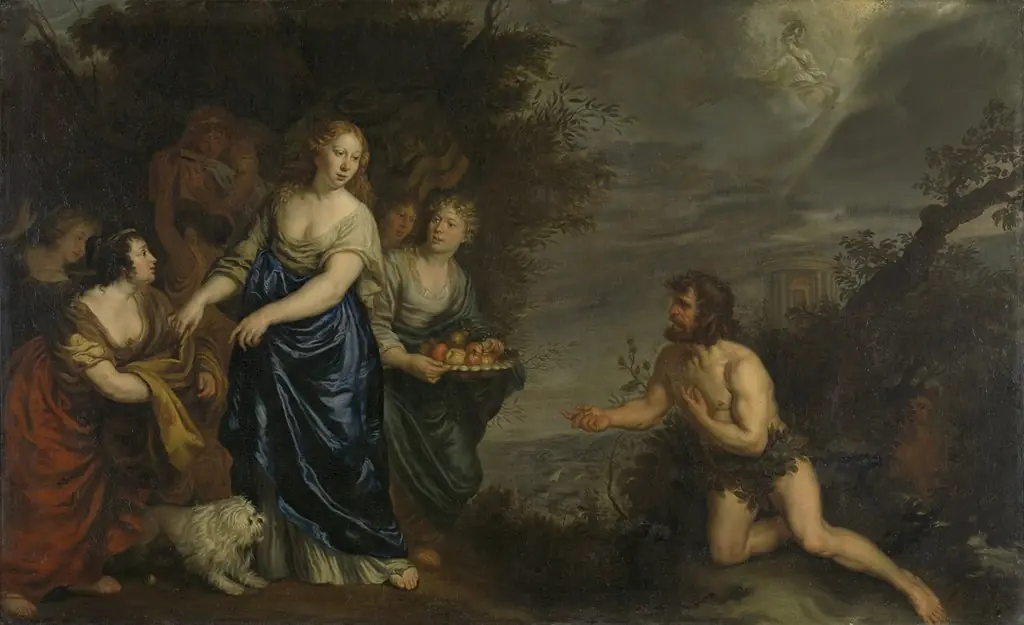 Odysseus and Nausikaä
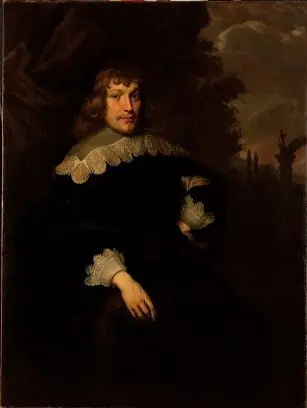 Portrait of Hendrick Bicker (1615-1651)
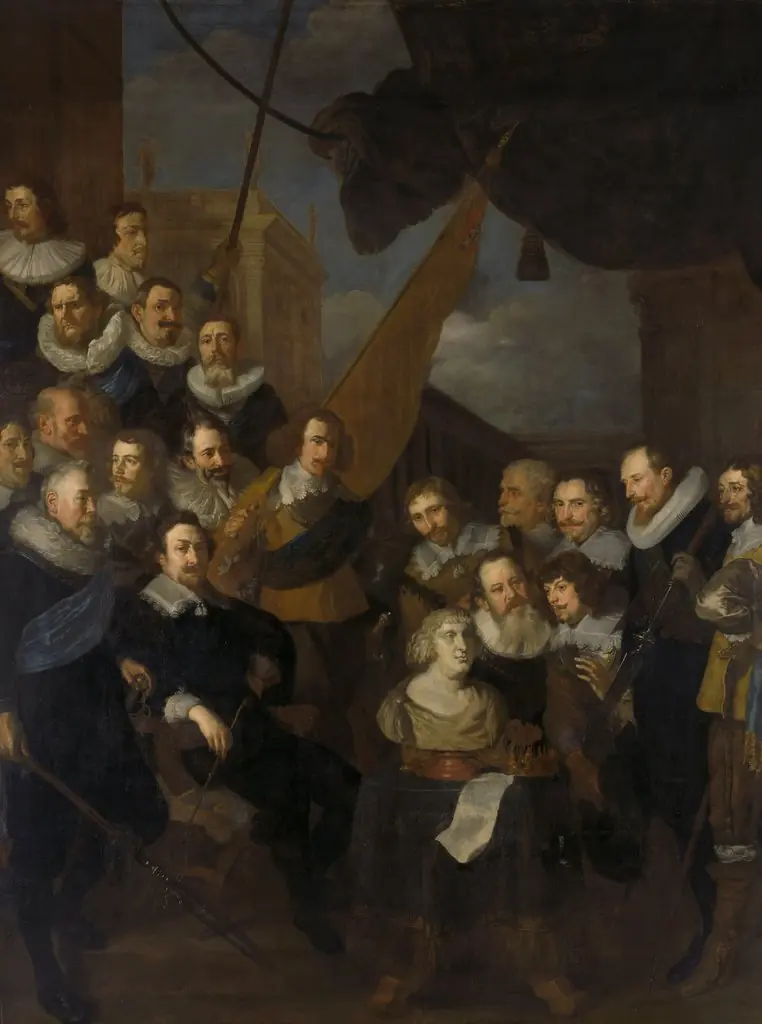 Officers of the militia of departmetn XIX in Amsterdam under the command of Cornelis Bicker and Frederick van Banchem, ready to receive Maria de' Medici in 1638
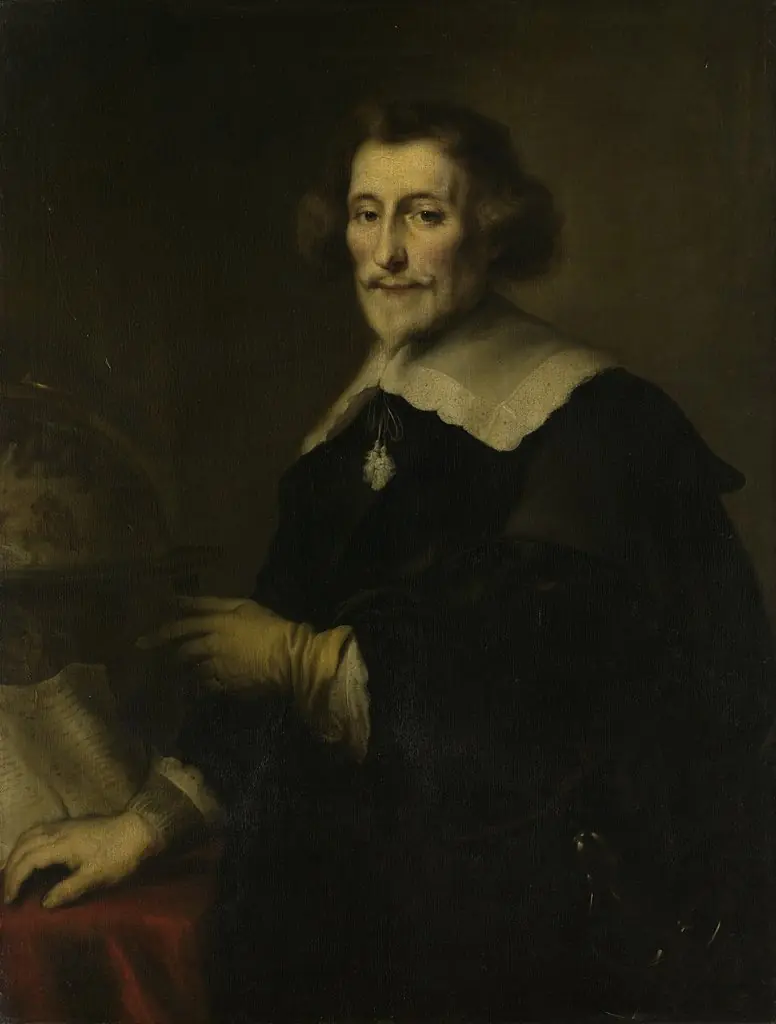 Pieter Cornelisz Hooft (1581-1647). High bailiff of Muiden, historian and poet
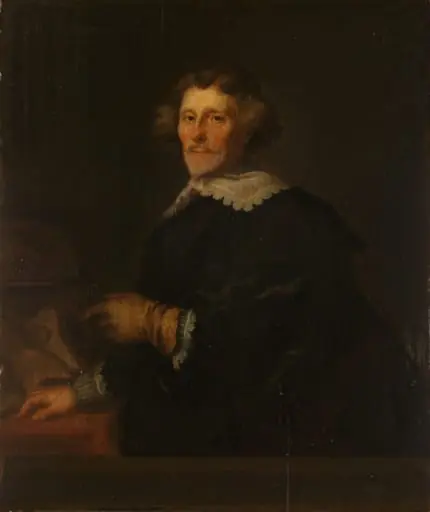 Portrait of Pieter Corneliszoon Hooft, Bailiff of Muiden, Historian and Poet
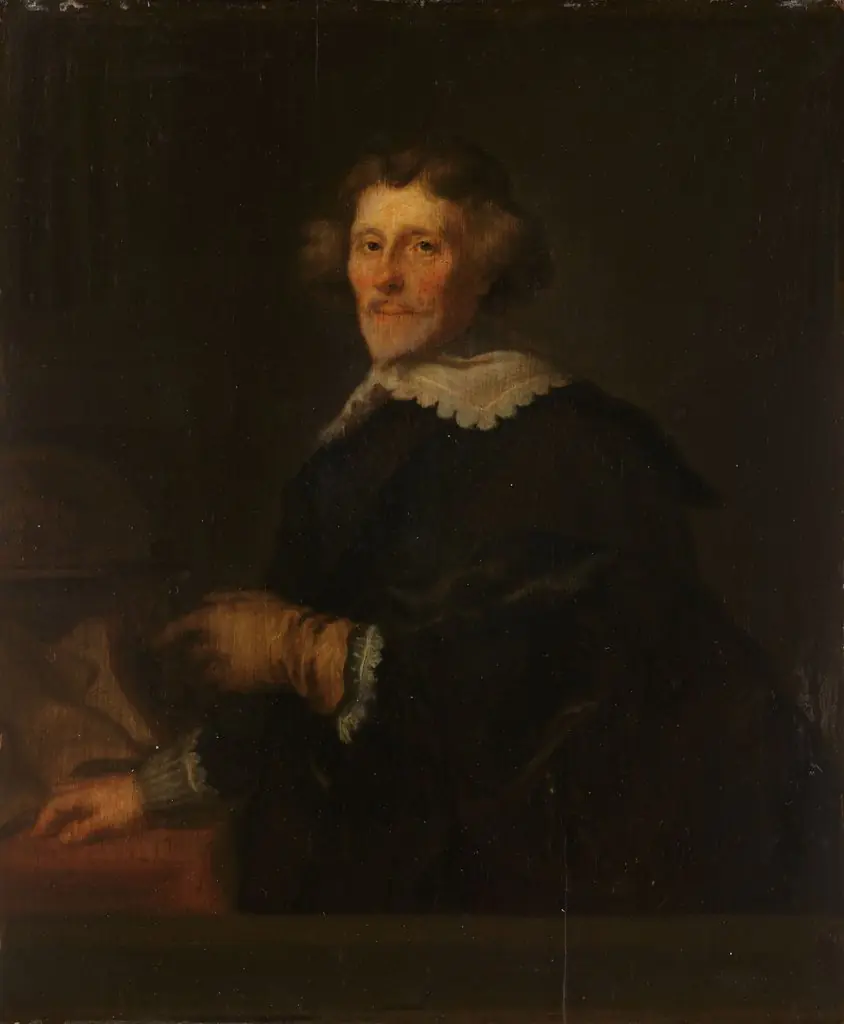 Portrait of Pieter Cornelis Hooft (1581-1647), High bailiff of Muiden, historian and poet
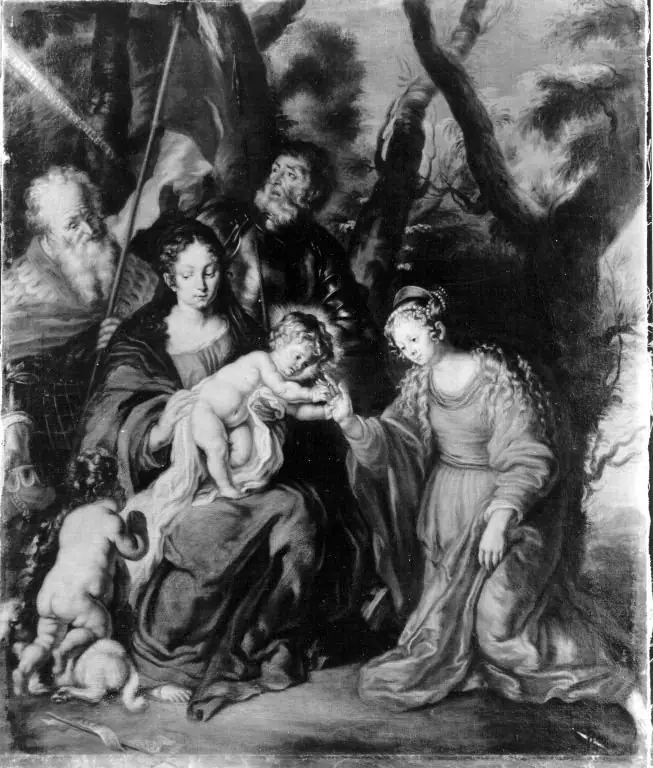 Die mystische Vermählung der hl. Katharina (Kopie nach)
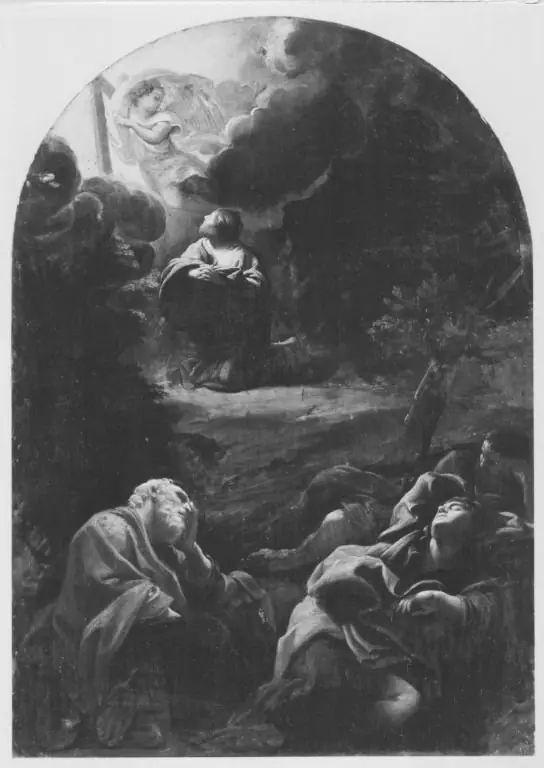 Christus am Ölberg
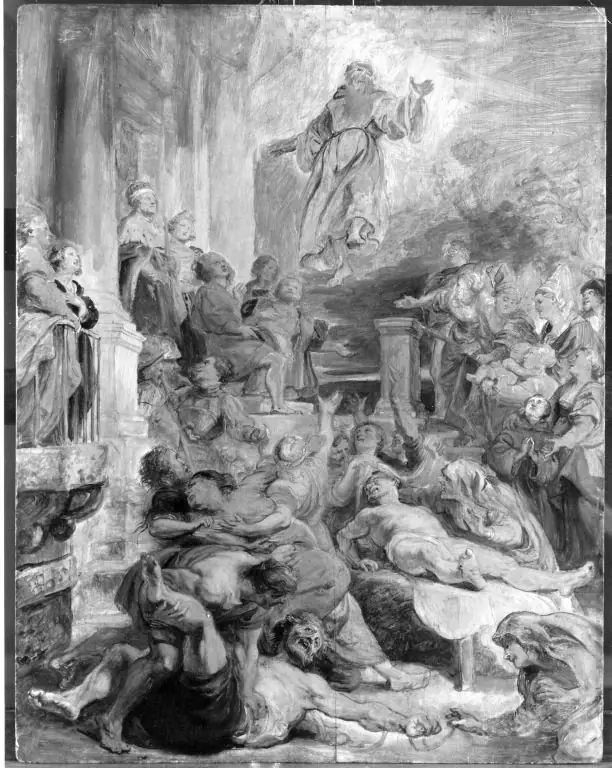 Miracles of St. Francis of Paola (Sketch)
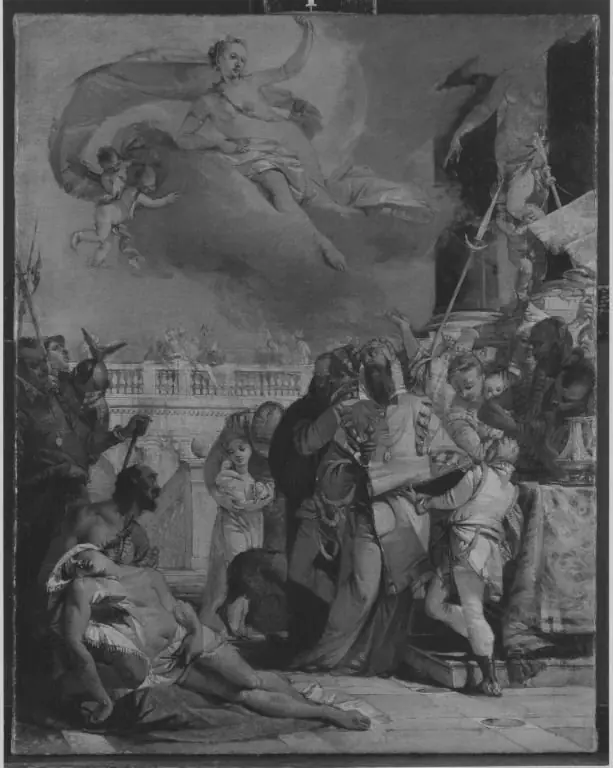 Opferung der Iphigenie
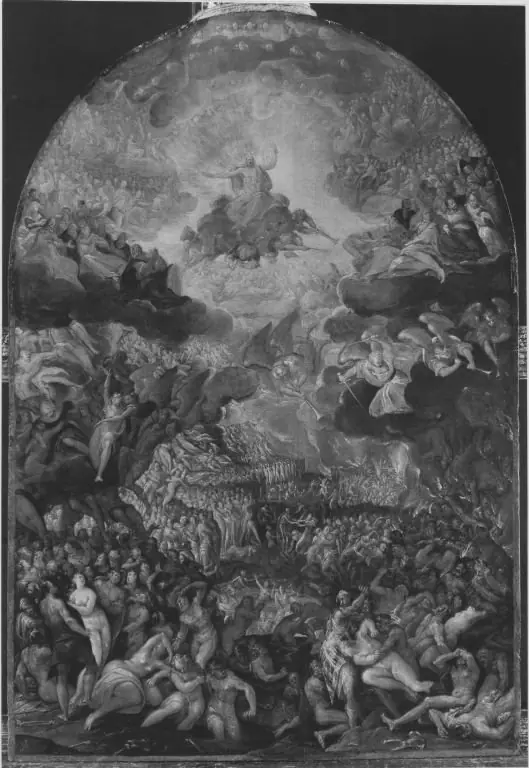 Jüngstes Gericht
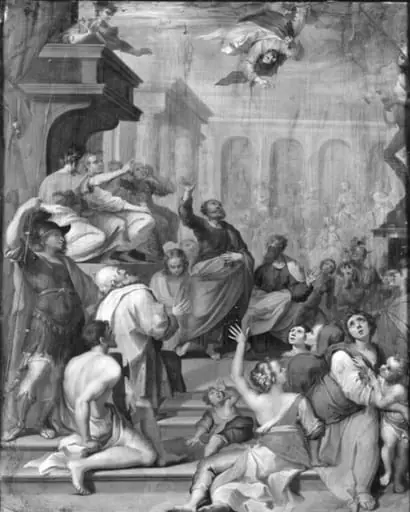 The Fall of Simon Magus
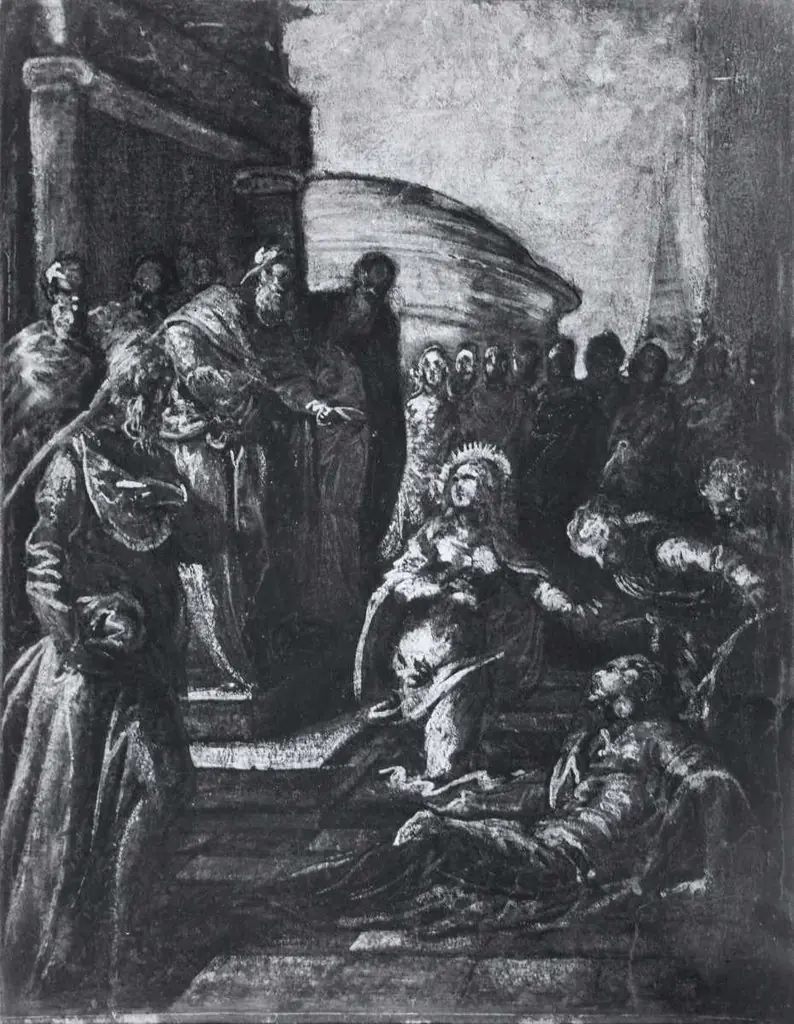 Die Heilige Agnes erweckt Licinius
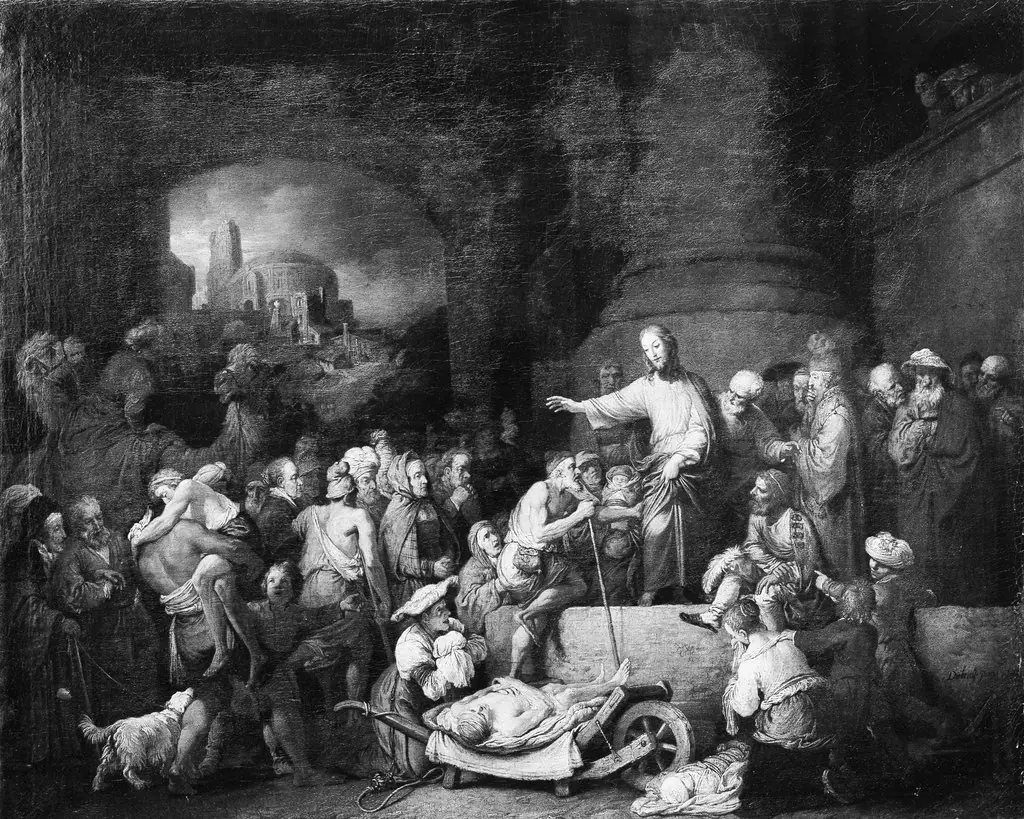 Christ Healing the Sick
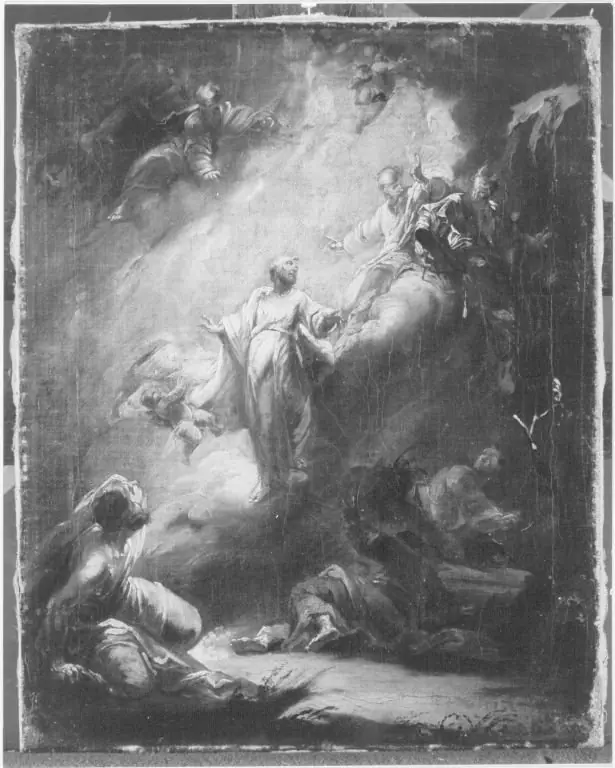 Verklärung Christi
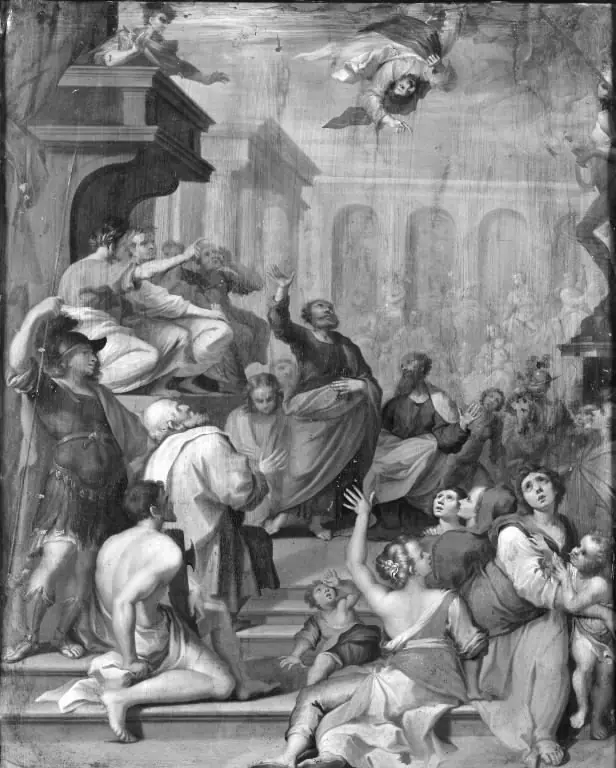 The Fall of Simon Magus
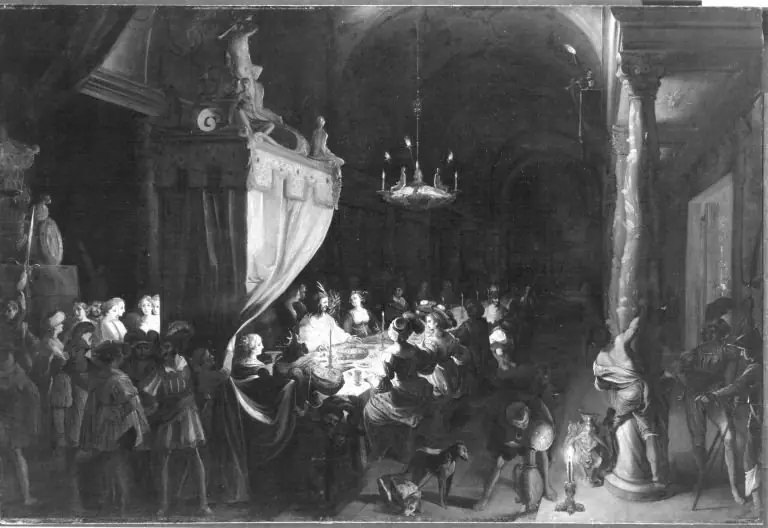 Das Gastmahl des Belsazar (zugeschrieben)
 Jonah Preaching to the Ninevites
 Himmelfahrt Mariä