Artwork
Mount Vesuvius Seen from Ischia
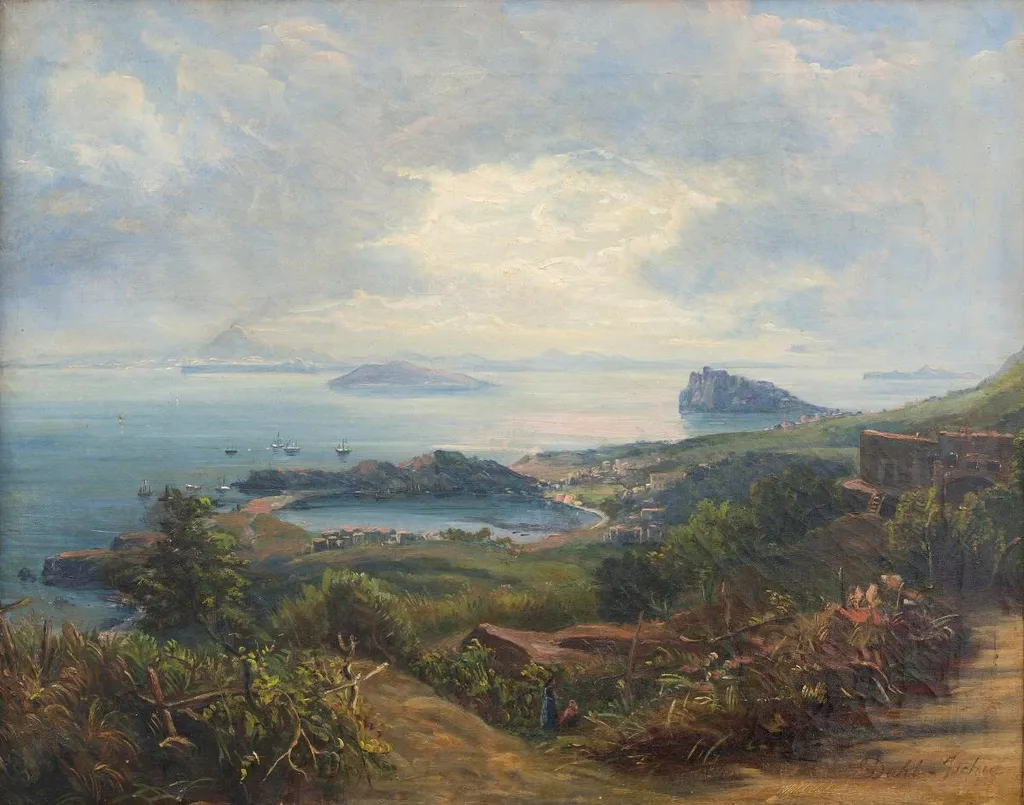
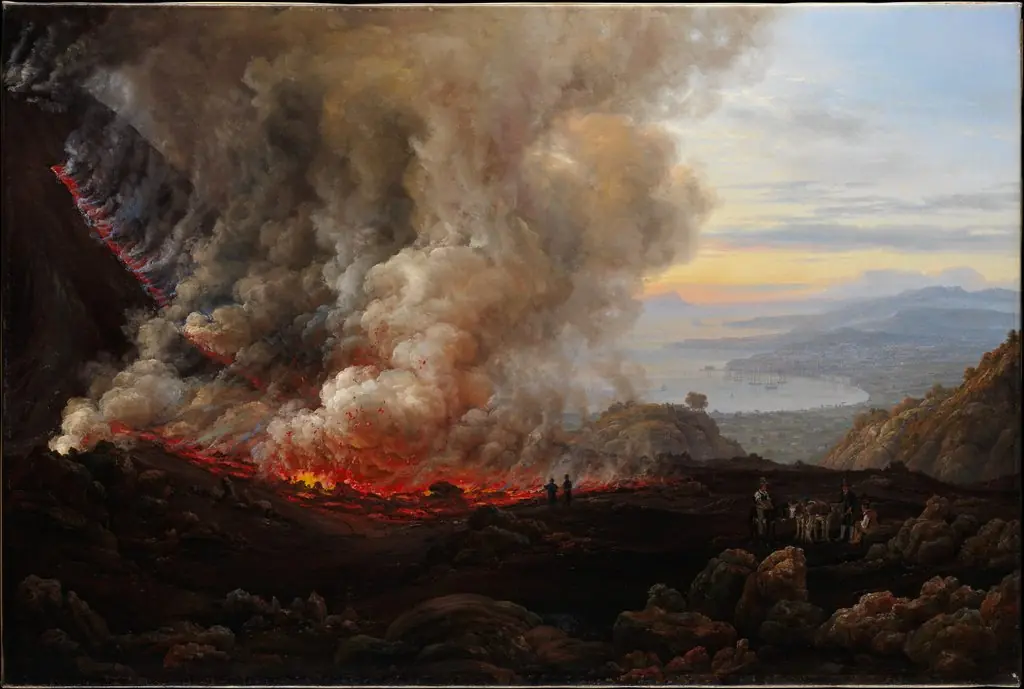
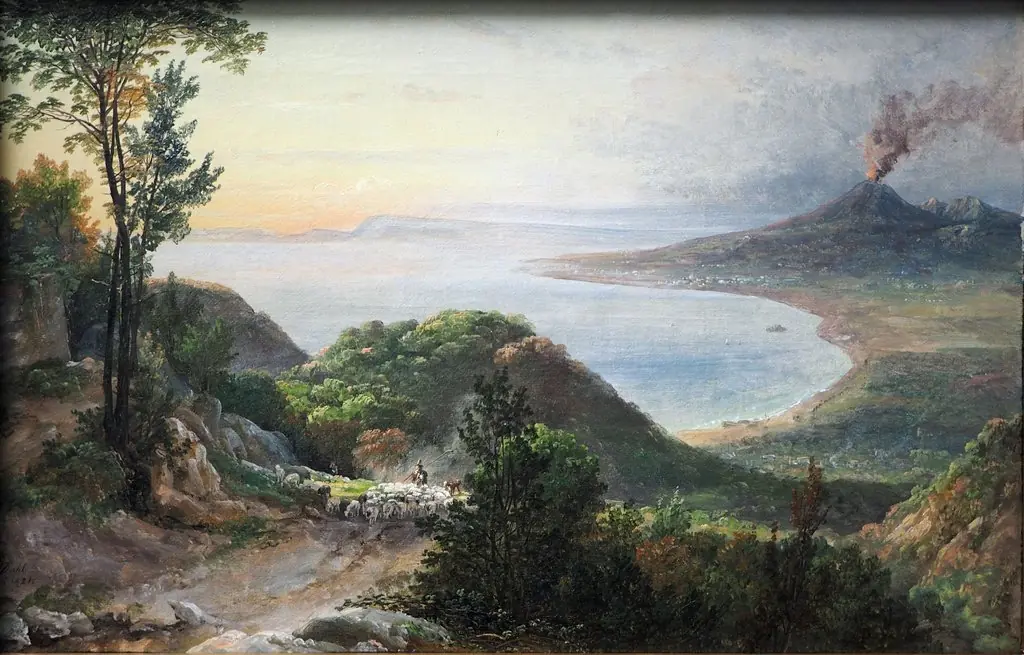
Mount Vesuvius Seen from Ischia is an oil painting by the German Romanticist artist Johan Christian Dahl. It dates from 1820 and is held in the collection of the Kunsthaus Zürich.
About this work
Overview
Johan Christian Dahl painted *Mount Vesuvius Seen from Ischia* in 1820 using oil on canvas. A Norwegian artist central to the development of Romantic landscape painting in his homeland, Dahl captured the volcanic peak from the neighboring island of Ischia. The work is part of the collection at Kunsthaus Zürich and exemplifies his engagement with southern European scenery during his travels.
Subject & Meaning
The composition suggests contemplation, aligning with Romantic ideals that valued nature’s grandeur and emotional resonance over mere topographical accuracy.
The painting presents Mount Vesuvius as a distant, smoldering presence against the Bay of Naples, viewed from the quieter, green hills of Ischia. Rather than emphasizing destruction, Dahl focuses on the quiet coexistence of human habitation and volatile nature. The composition suggests contemplation, aligning with Romantic ideals that valued nature’s grandeur and emotional resonance over mere topographical accuracy.
Technique & Style
Dahl employed oil paint to achieve subtle gradations of light and atmosphere, particularly in the hazy distance where the volcano rises. The foreground features textured brushwork in foliage, contrasting with the smoother, atmospheric rendering of sky and sea. His use of cool blues and greens establishes a serene tone, while the faint glow at Vesuvius’s summit introduces a quiet tension between calm and latent power.
History & Provenance
Dahl painted this work during a period of travel in Italy, following his earlier studies in Copenhagen and Dresden. It entered the Kunsthaus Zürich collection in the 19th century, likely through European art networks that valued Nordic artists for their fresh approach to landscape. The painting reflects Dahl’s broader effort to elevate Scandinavian art within the European canon.
Context
In the early 19th century, European artists increasingly turned to dramatic natural sites as subjects, influenced by Romanticism’s fascination with the sublime. Dahl, though Norwegian, engaged with Italian landscapes as part of a broader trend among Northern artists seeking inspiration beyond their homelands. Vesuvius, long a symbol of nature’s force, offered a compelling subject for such explorations.
Legacy
This painting contributes to Dahl’s reputation as a bridge between Nordic and Central European traditions in landscape art. His detailed yet poetic depictions of nature helped define a national visual identity for Norway while earning recognition abroad. Though less known today than some contemporaries, his influence persists in the tradition of atmospheric landscape painting.
Artist & collection
Artist
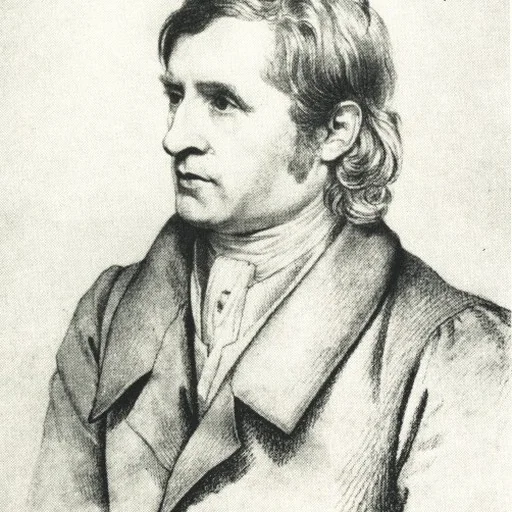
Johan Christian Claussen Dahl (24 February 1788 – 14 October 1857), often known as J.

 General Garibaldi's Residence at Caprera
 Blick von Pimonte auf die Bucht von Neapel
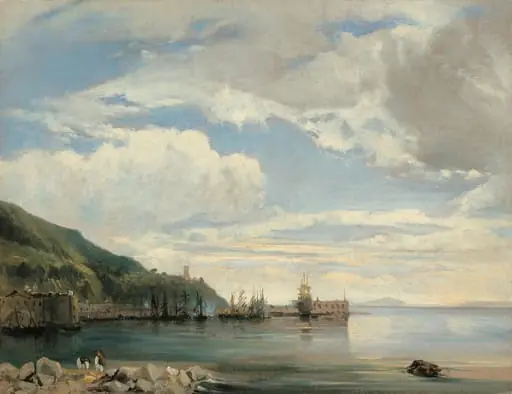 On the Bay of Naples
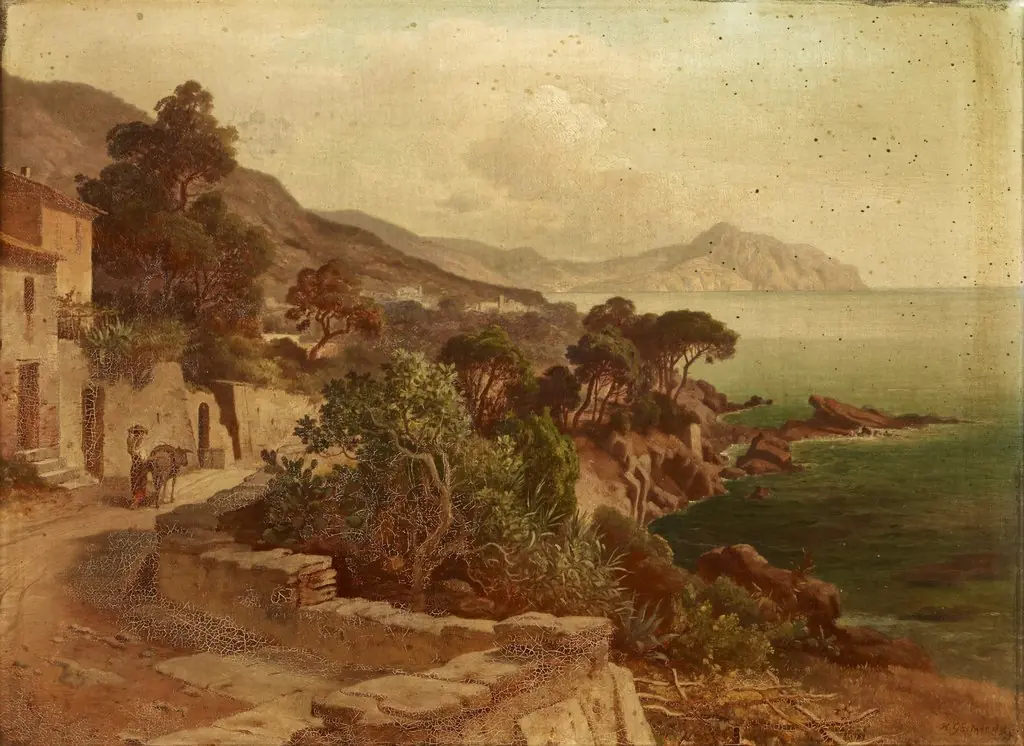 Mediterranean Landscape
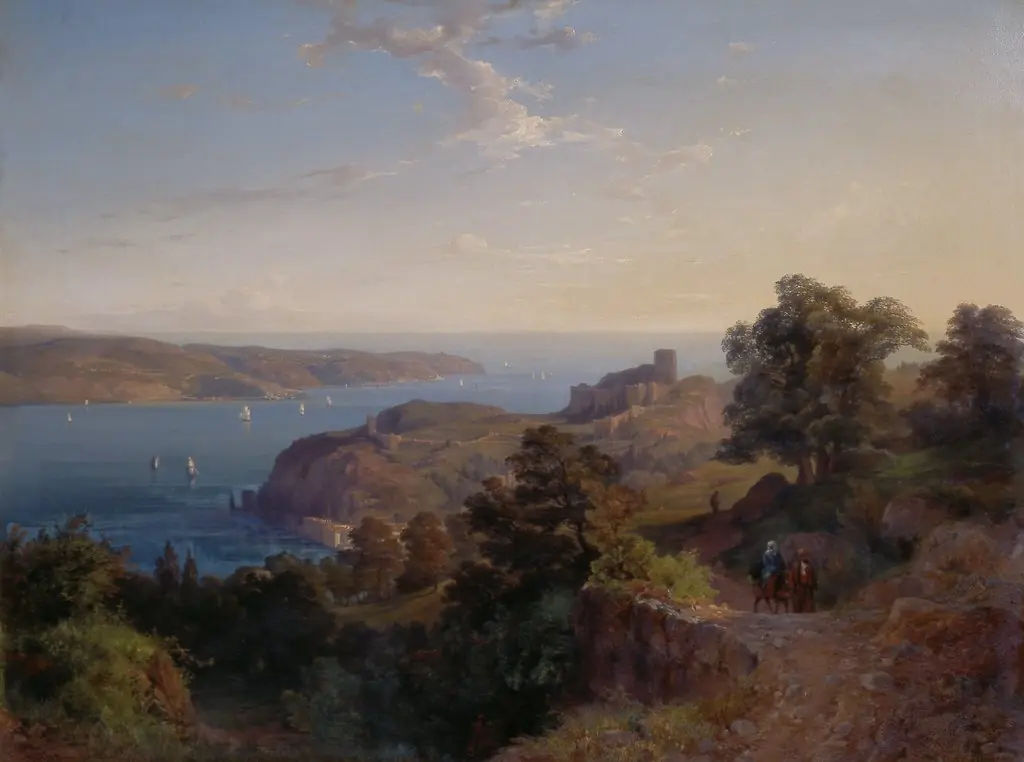 Die Mündung des Bosporus (Yoros Kalesi)
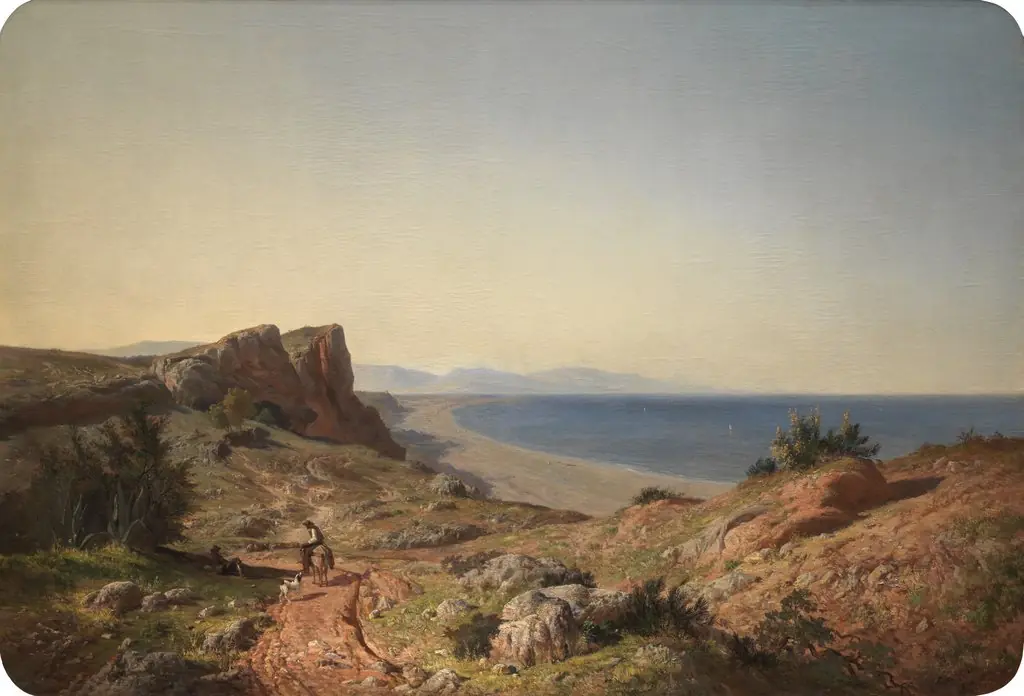 A Landscape. Recollections of Andalusia: the Mediterranean coast near Torremolinos
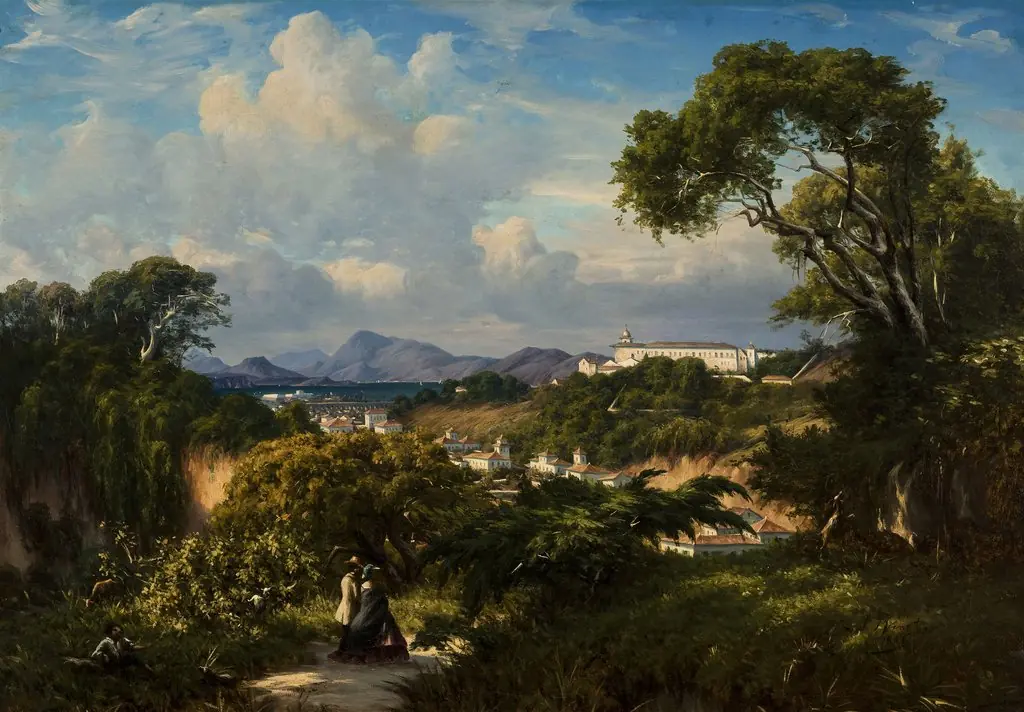 View of Santa Teresa Convent from the Heights of Paula Matos
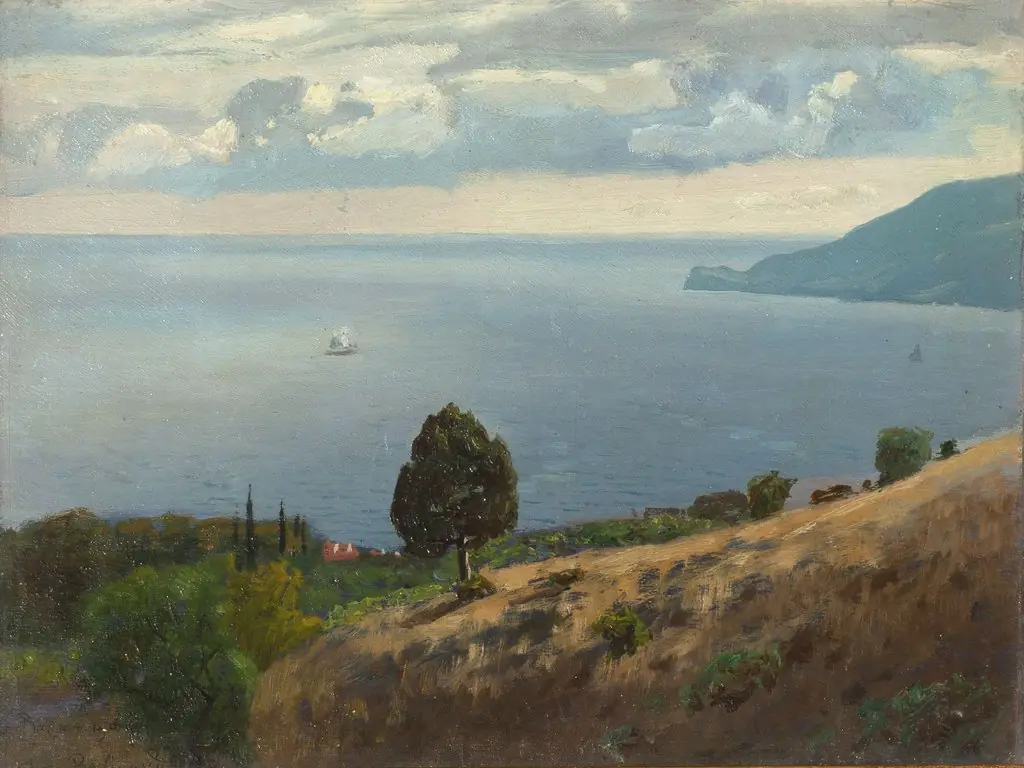 Magarach
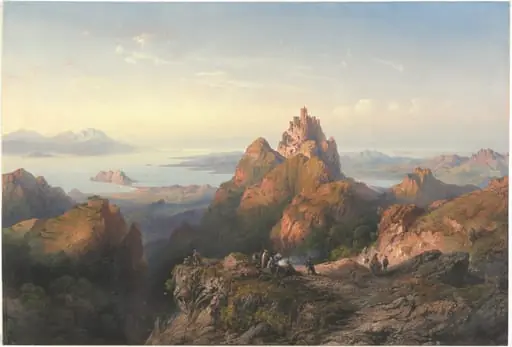 Balaklava