Artwork
Portrait of Jacques Fabrice Herman Perk (1859-1881)
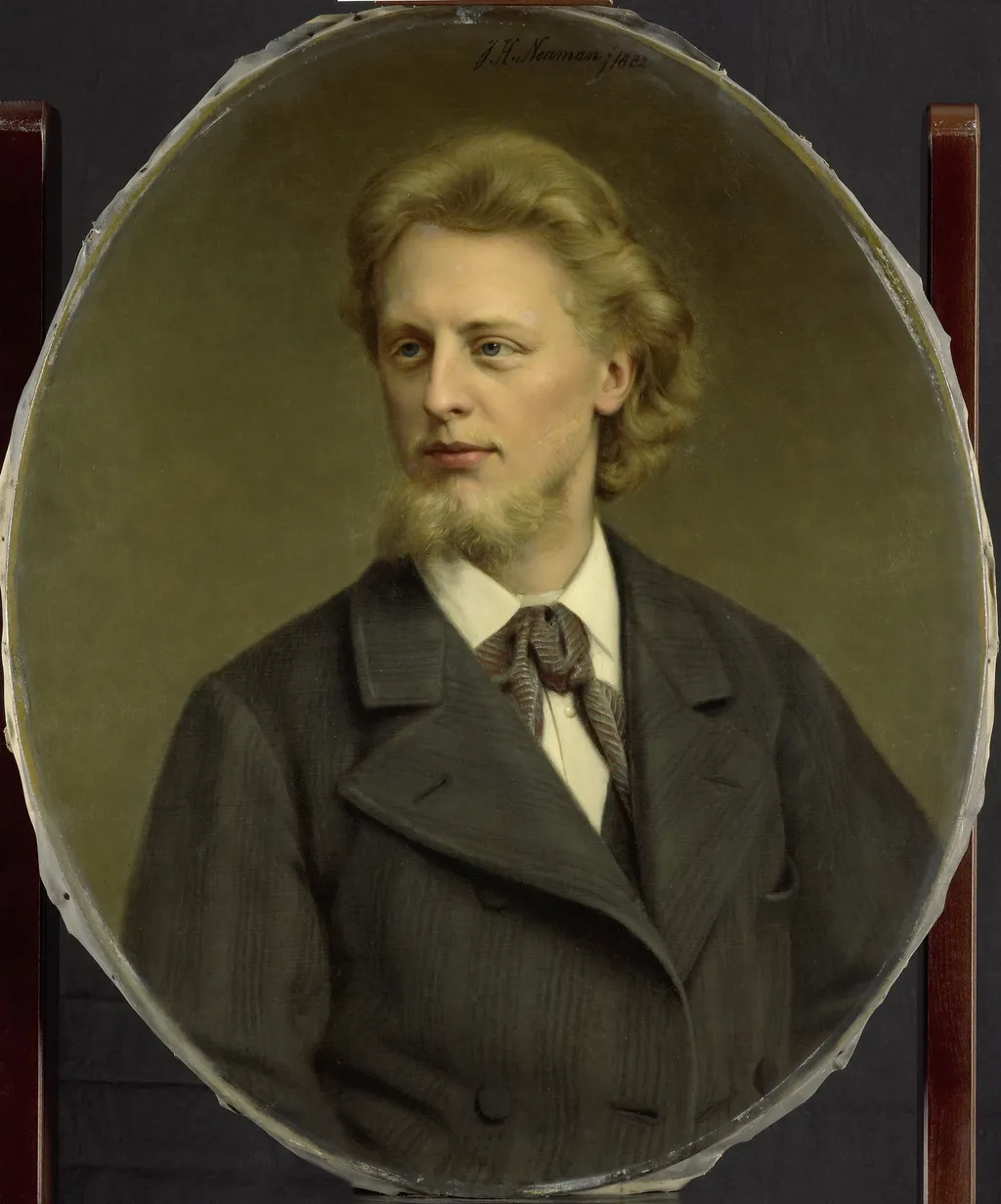
Portrait of Jacques Fabrice Herman Perk (1859-1881) is an oil painting by the Impressionist artist Johan Heinrich Neuman. It dates from 1892 and is held in the collection of the Rijksmuseum.
About this work
The man’s face is lit softly, making his features stand out against the shadowy background.
This painting shows a man with curly blond hair and a full beard. He’s wearing a dark coat, a white shirt, and a patterned tie. The background is plain and dark, so all the focus is on him.
The artist signed the painting in the top corner with the date 1882. The man’s face is lit softly, making his features stand out against the shadowy background.
Look up chiaroscuro next to see how light and shadow create depth in paintings.
Overview
Johan Heinrich Neuman’s oil portrait presents the Dutch poet Jacques Fabrice Herman Perk, who lived from 1859 to 1881. Executed in the early 1890s, the work is part of the Rijksmuseum’s collection. The composition isolates the sitter against a dark, unadorned backdrop, directing attention to his facial expression and attire.
Subject & Meaning
The portrait captures Perk with curly blond hair, a full beard, and a solemn demeanor. Dressed in a dark coat, white shirt, and patterned tie, he appears poised and reflective, suggesting the intellectual gravitas associated with his literary reputation. The subdued lighting emphasizes his features, lending the image a contemplative tone.
Technique & Style
Neuman employs a restrained chiaroscuro, allowing a soft illumination to model the sitter’s face while the surrounding space recedes into shadow. The brushwork is smooth and controlled, particularly in rendering the textures of fabric and hair. The limited palette of muted earth tones contributes to the work’s overall calm atmosphere.
History & Provenance
The painting bears the artist’s signature and the date 1882 in the upper corner, though it is generally dated to 1892 in museum records. It entered the Rijksmuseum’s holdings through acquisition in the early twentieth century, where it has remained on display as a representative example of Dutch portraiture from the period.
Context
Created after Perk’s premature death, the portrait reflects a broader 19th‑century Dutch interest in commemorating cultural figures through realistic representation. Neuman’s approach aligns with contemporary academic portrait traditions, favoring fidelity to the sitter’s likeness over overt romanticization.
Artist & collection

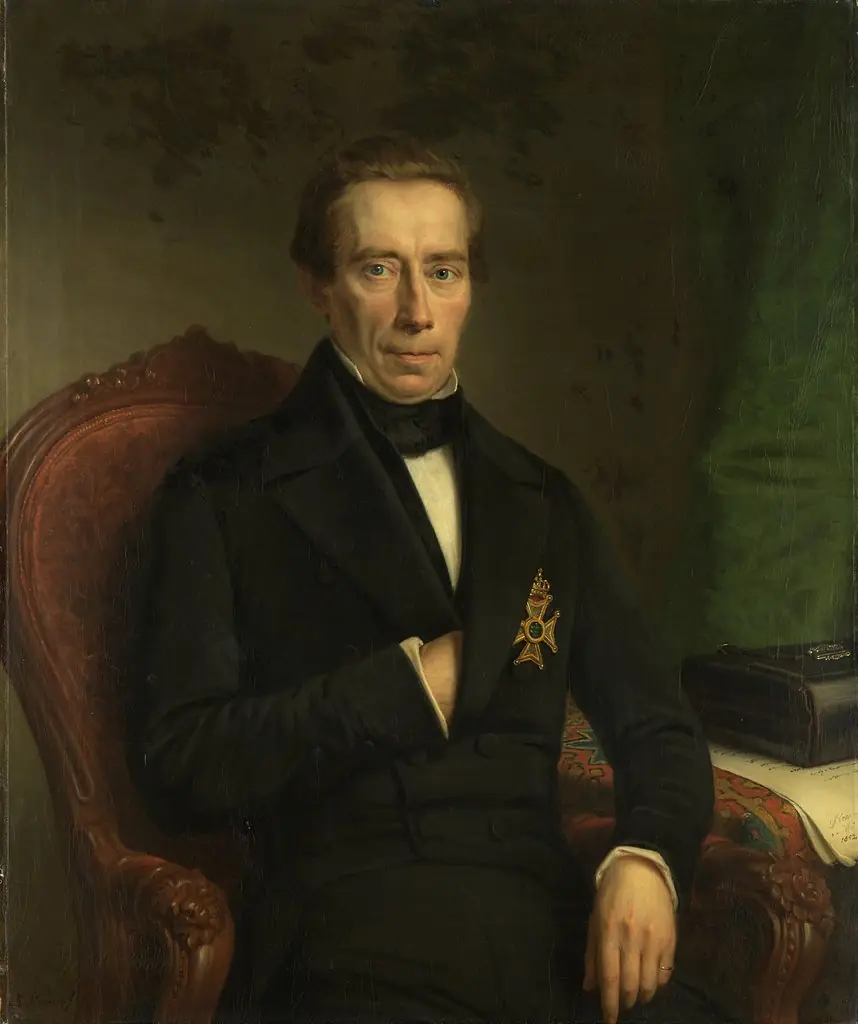 Portrait of Johan Rudolf Thorbecke, Minister of State and Minister of the Interior
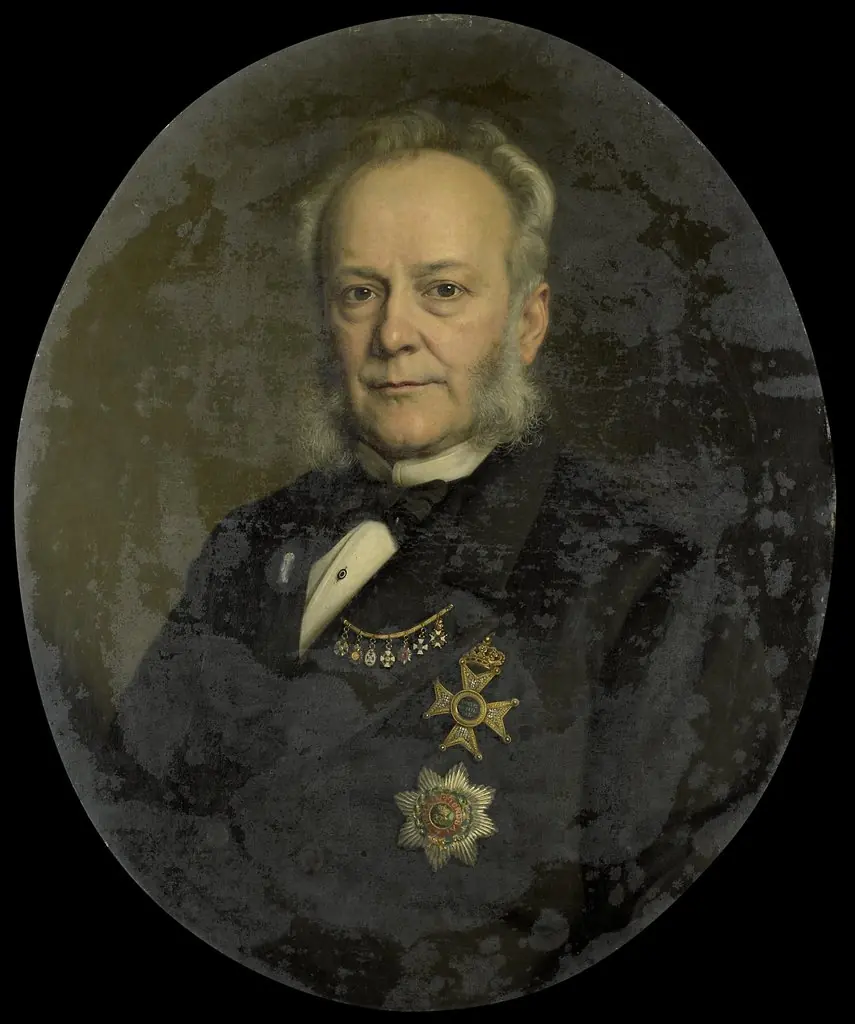 Pieter Mijer (1812-81). Gouverneur-generaal van Nederlands Oost Indië
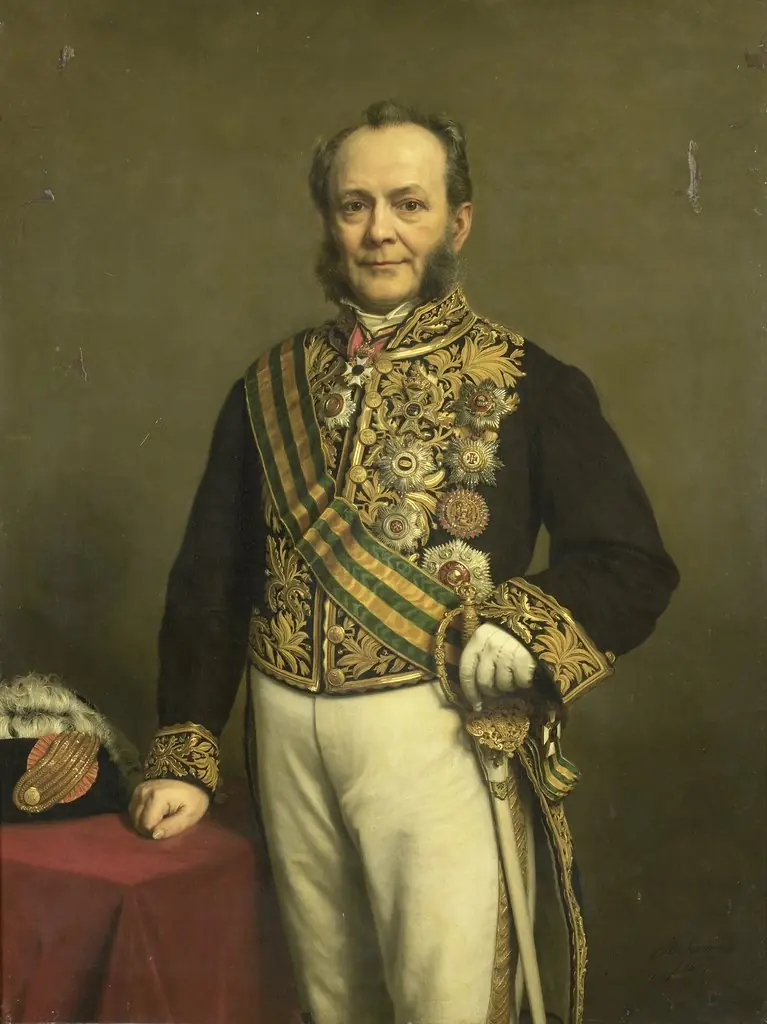 Pieter Mijer (1812-81). Gouverneur-generaal (1866-71)
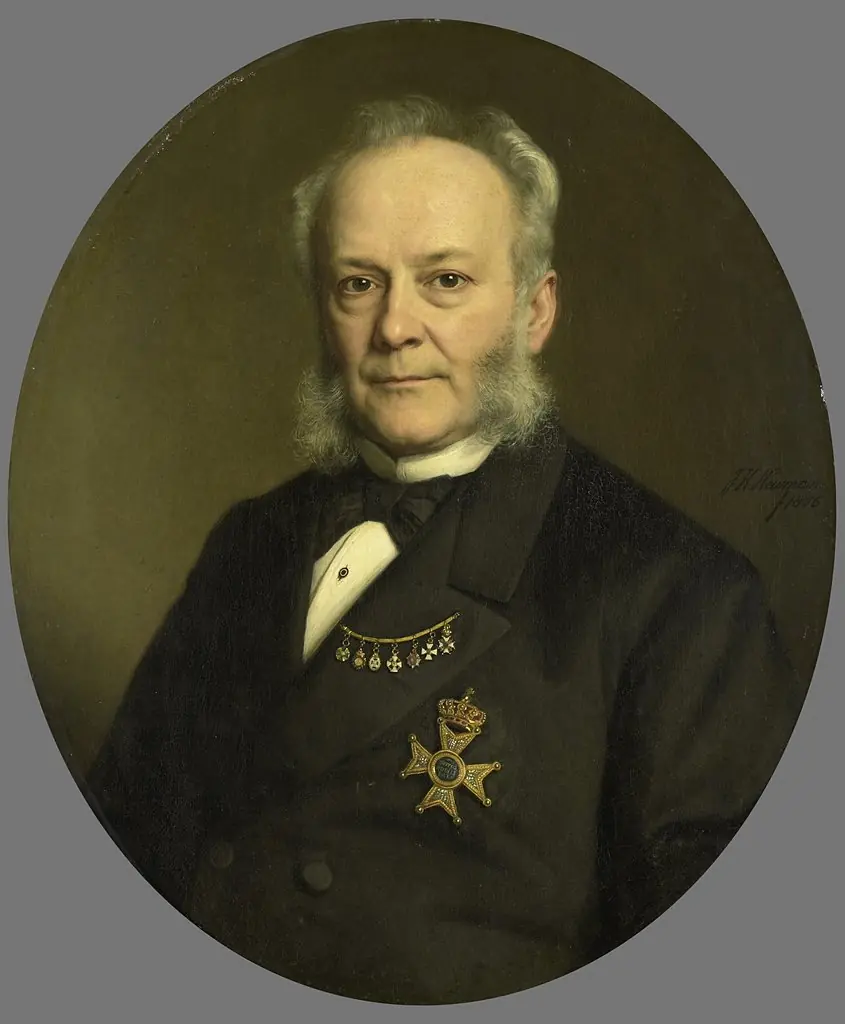 Pieter Mijer (1812-81). Gouverneur-generaal van Nederlands Oost Indië
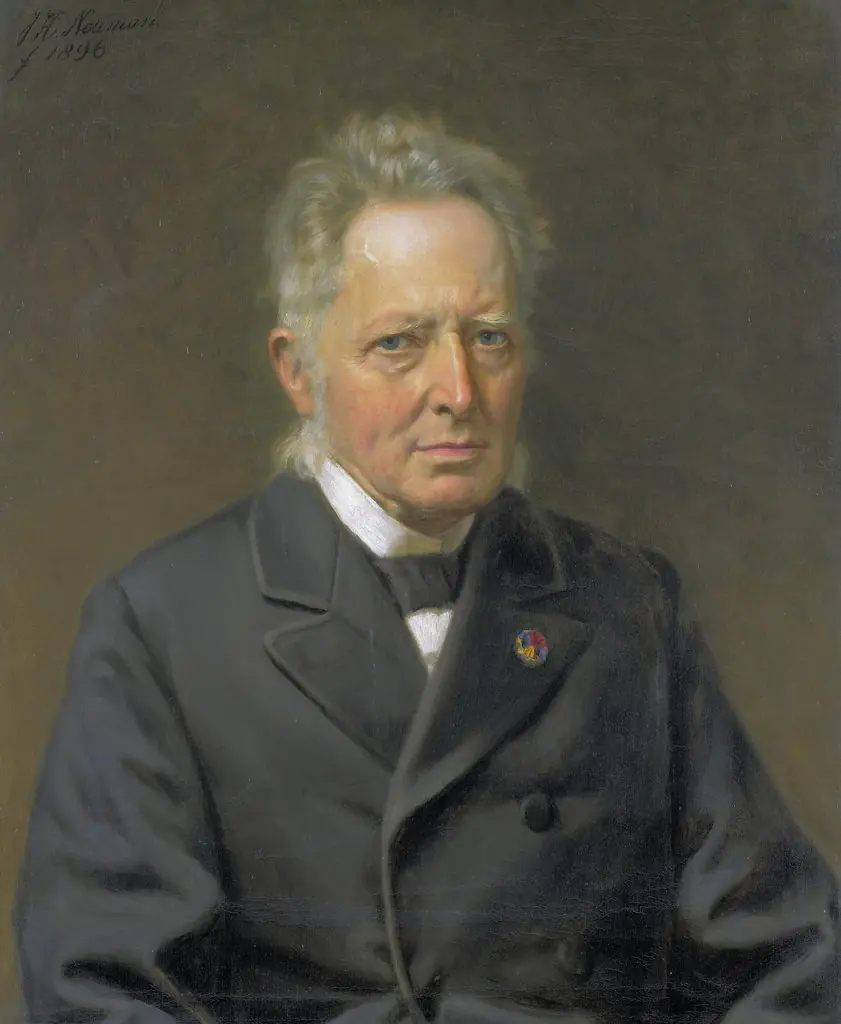 Portrait of Jan Heemskerk Azn.
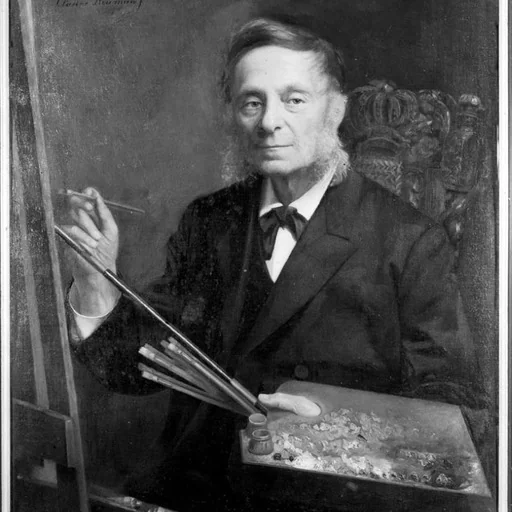
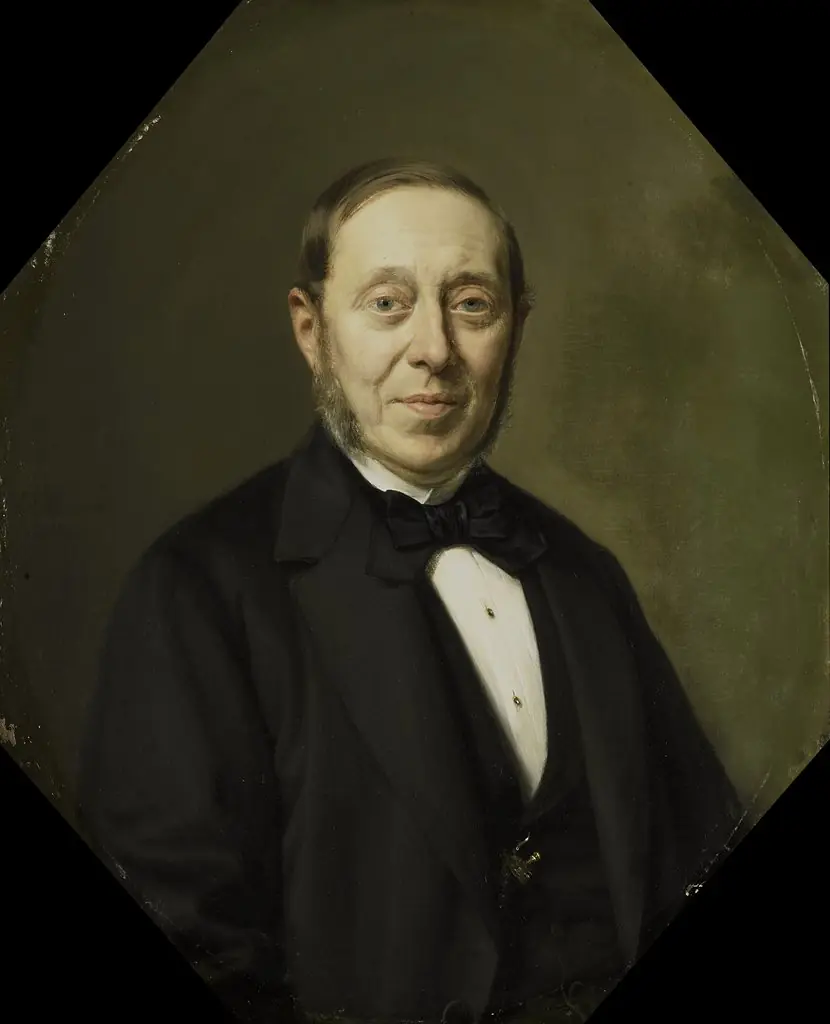 Portrait of Johannes Cornelis van Pappelendam (1810-1884). Artist and Art Dealer. Superintendent of the Van der Hoop Museum