Artwork
Bildnis des Philipp Valentin Voit von Rieneck, Fürstbischof von Bamberg (1612-1672)
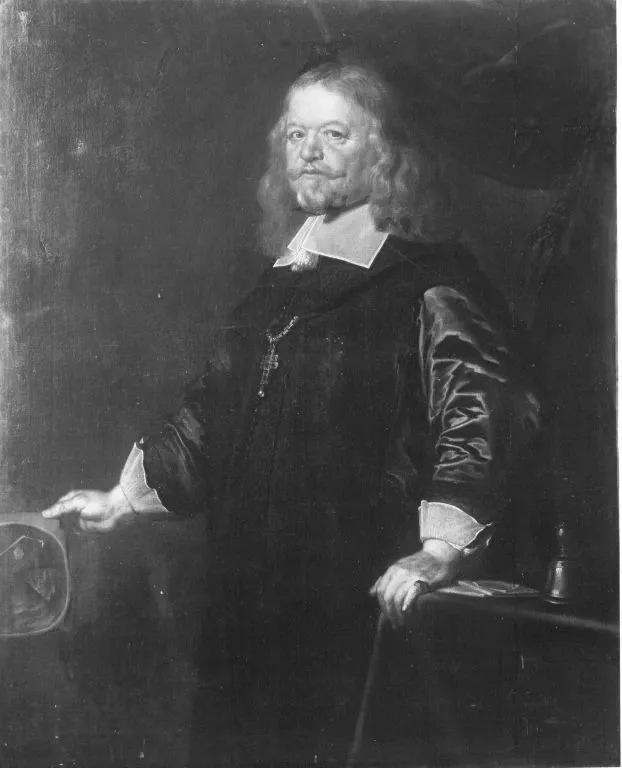
Bildnis des Philipp Valentin Voit von Rieneck, Fürstbischof von Bamberg (1612-1672) is an unspecified painting by the Flemish Baroque painting artist Johann Baptist Ruel. It dates from 1654 and is held in the collection of the Bavarian State Painting Collections. The canvas presents Philipp Valentin Voit von Rieneck, the Prince‑Bishop of Bamberg, rendered in a restrained yet authoritative manner.
About this work
Overview
The canvas presents Philipp Valentin Voit von Rieneck, the Prince‑Bishop of Bamberg, rendered in a restrained yet authoritative manner. He is seated before a darkened backdrop, his right hand resting on a table that holds a small bell and scattered documents. The composition emphasizes the sitter’s dignified bearing through careful placement of attire and objects.
Subject & Meaning
Voit von Rieneck, who governed Bamberg from 1653 until his death in 1672, is depicted in ecclesiastical dress that signals both his clerical rank and secular authority. The inclusion of a bell—a symbol of episcopal jurisdiction—and paperwork alludes to his administrative duties, underscoring the dual spiritual and political role of a prince‑bishop in the Holy Roman Empire.
Technique & Style
Executed in the Flemish Baroque idiom, the portrait employs pronounced chiaroscuro to model the figure against a muted background. Ruel’s handling of light accentuates the texture of the dark robe, the white lace collar, and the subject’s wavy hair and beard, while the subtle suggestion of a curtain adds depth without distracting from the central likeness.
History & Provenance
Johann Baptist Ruel, a native of Antwerp who trained in Mainz before establishing his career in Würzburg, completed this work in 1654. After remaining in regional collections for over two centuries, the portrait entered the Alte Pinakothek in Munich, where it is displayed as part of the museum’s Baroque holdings.
Context
The painting reflects the broader 17th‑century practice of commissioning portraiture to affirm the status of high‑ranking clerics. Ruel’s experience with altar pieces and courtly portraiture informed his ability to convey both the spiritual gravitas and temporal power expected of a prince‑bishop during the post‑Thirty Years’ War era.
Artist & collection
Artist
Johann Baptist Ruel, or de Ruel or de Rull, was born at Antwerp in 1634. He was introduced as a singer to the court of the Elector of Mayence, and was there instructed in painting by Jan Thomas. He afterwards settled at…

 Portrait of an unknown man
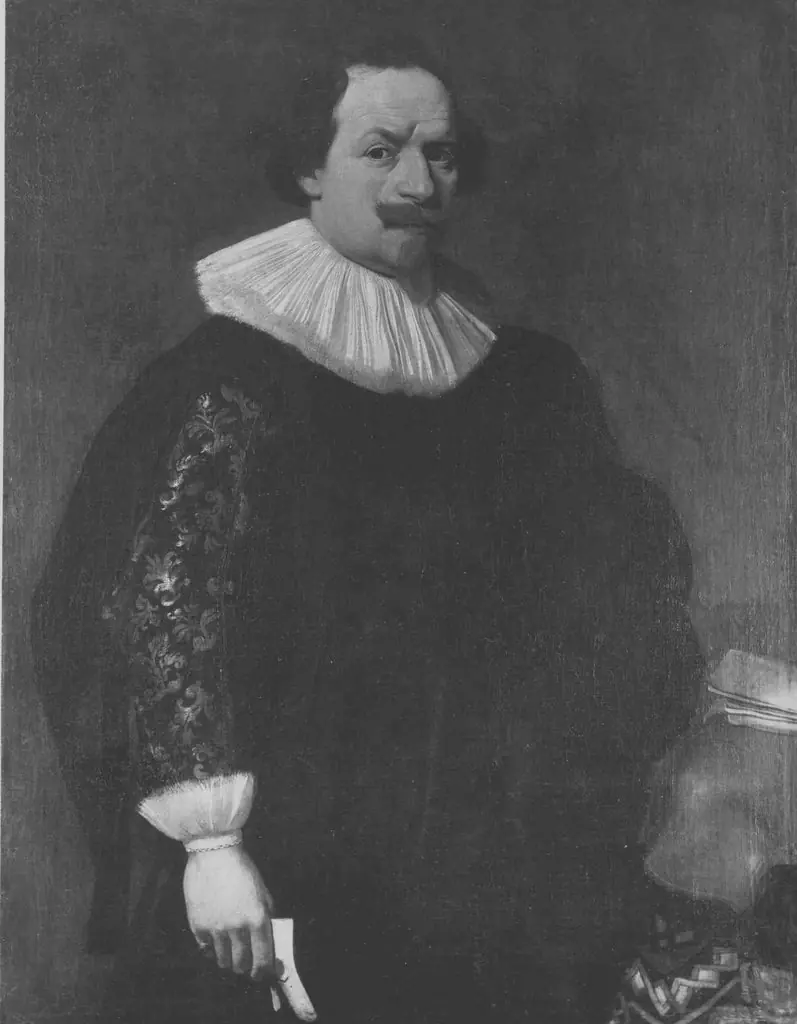 Portrait of a man with a scar
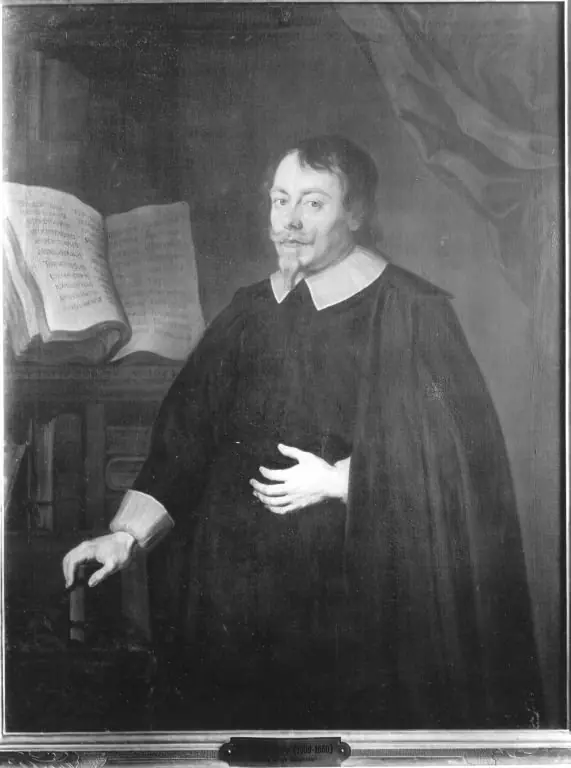 Portrait of a 34 year old man
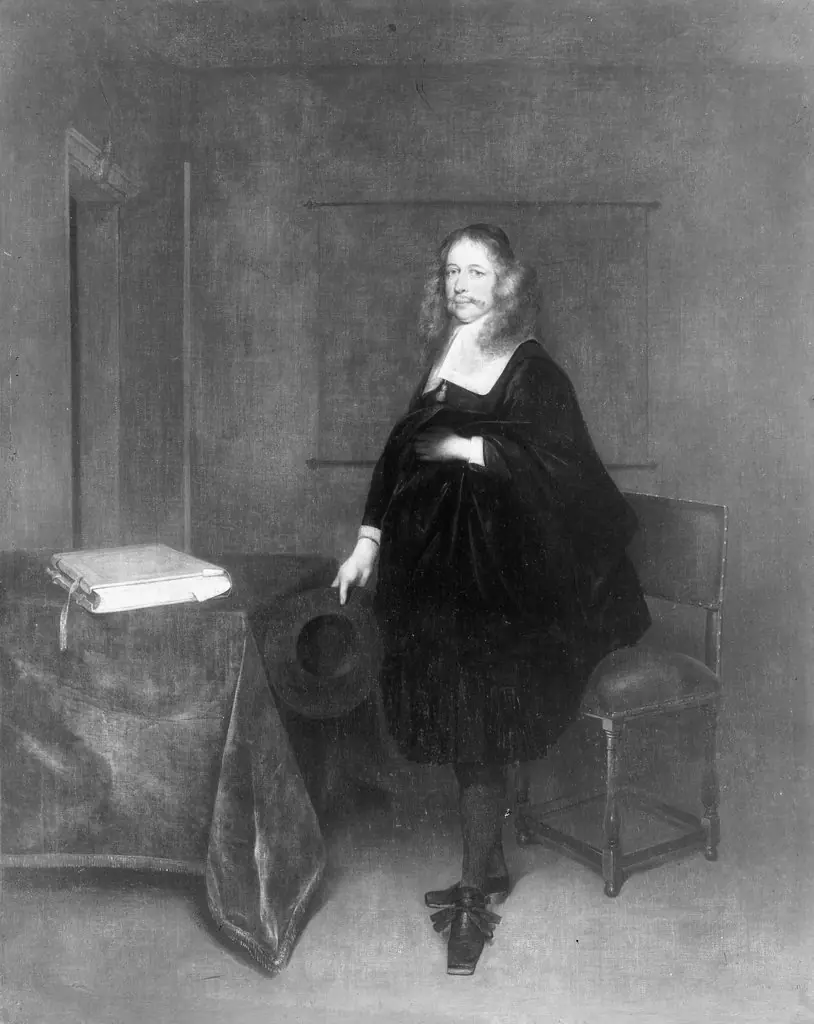 Portrait of a Young Gentleman
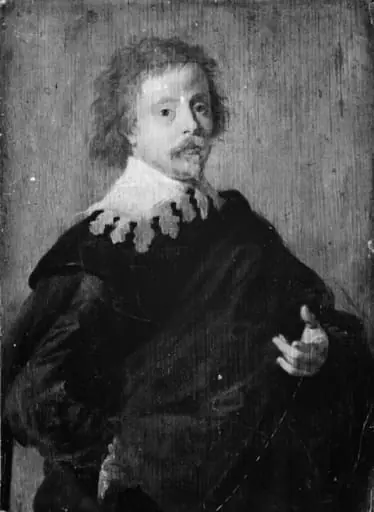 Portrait of Cornelis van Poelenburgh
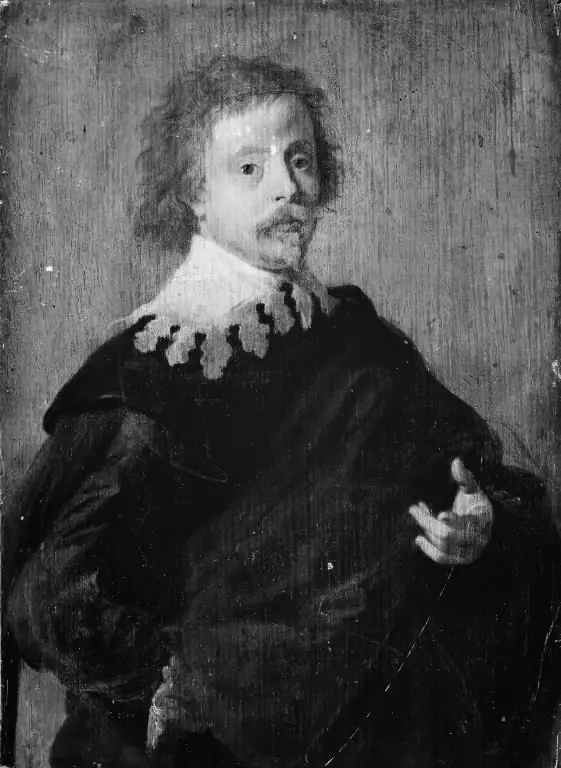 Portrait of Cornelis van Poelenburgh
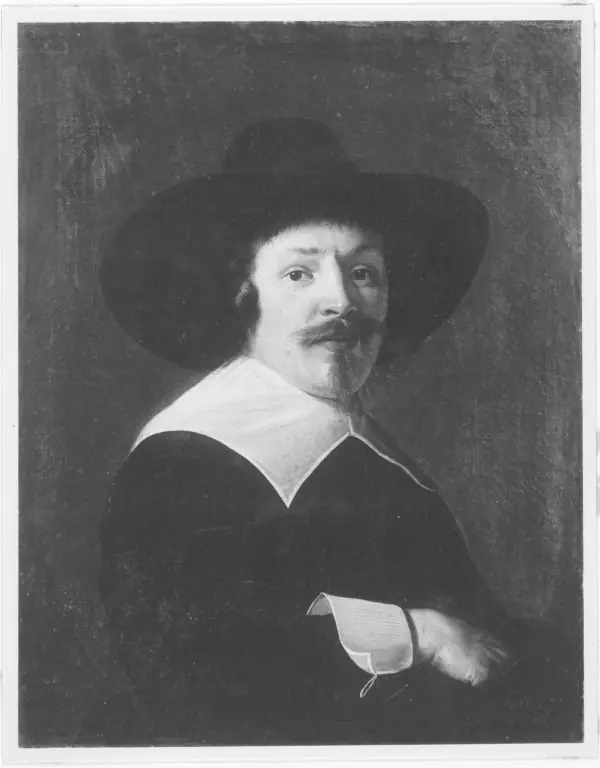 Bildnis eines Mannes (Art des)
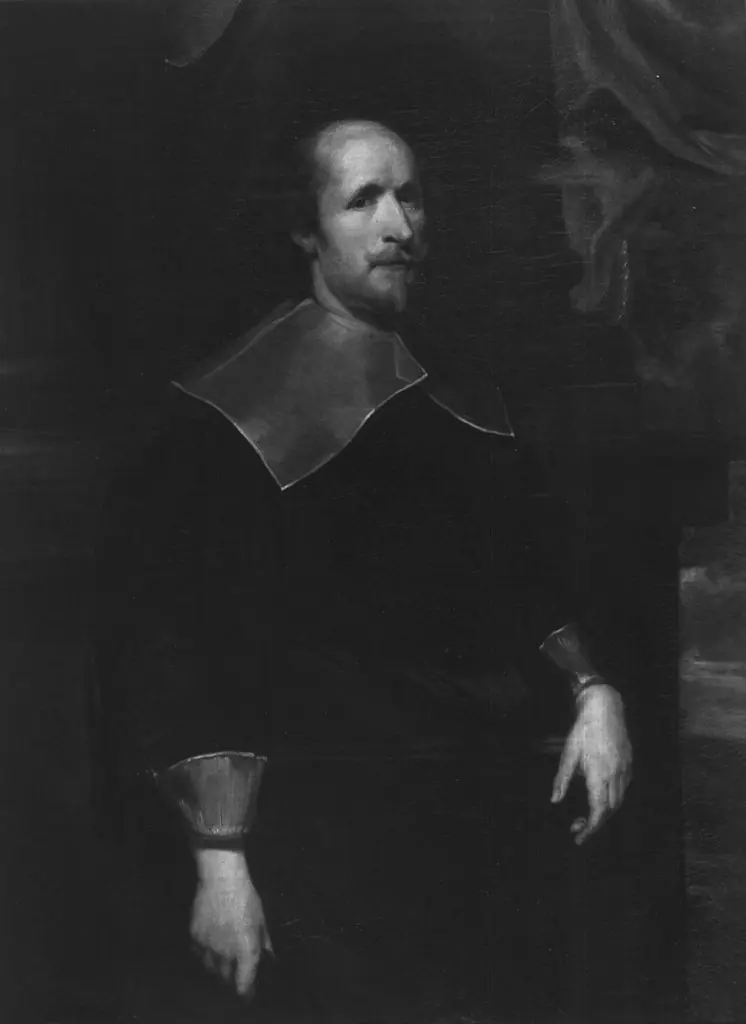 Portrait of a Man
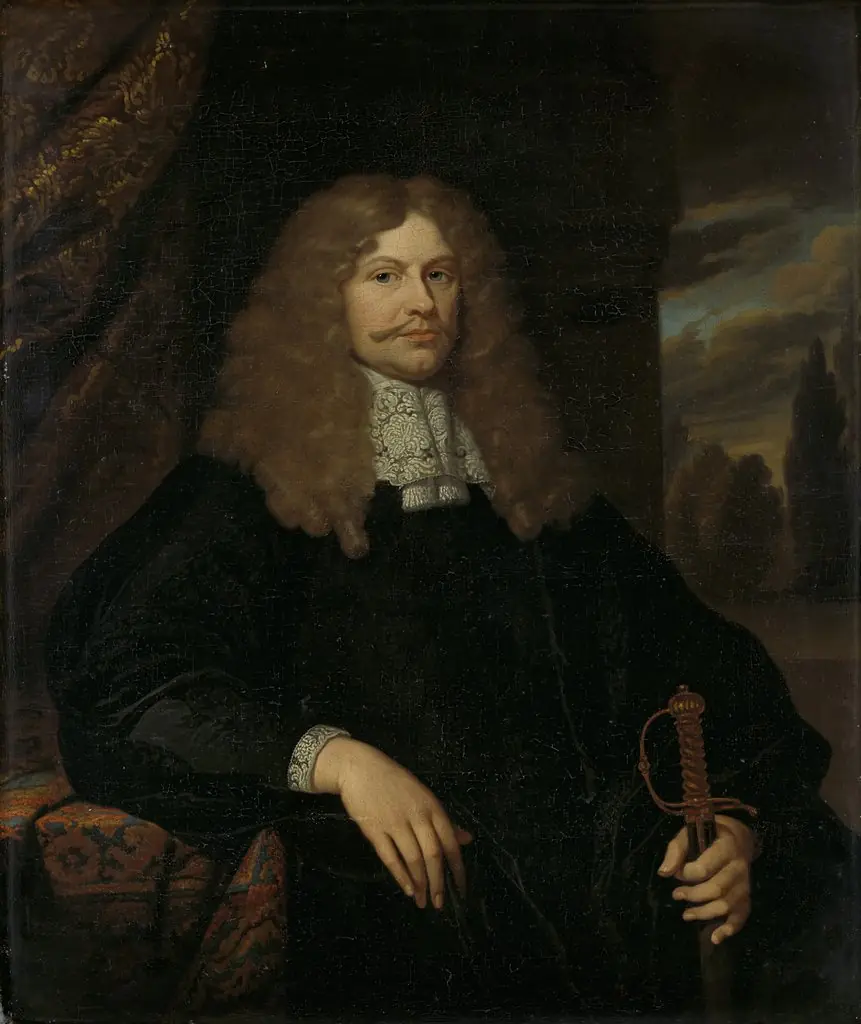 Portrait of Cornelis Backer (1633-81), councillor, alderman, and colonel of the Amsterdam militia
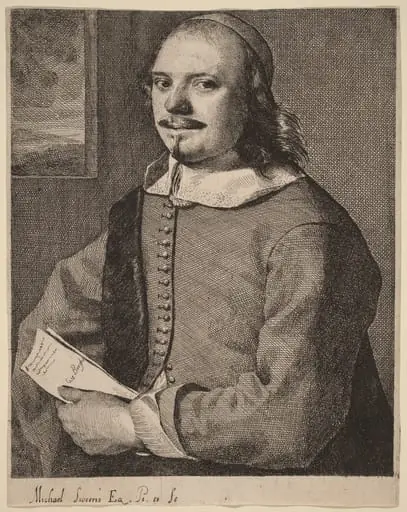 Willem van der Borcht
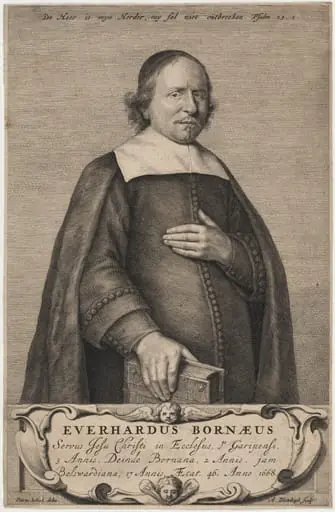 Everhard Bornaeus
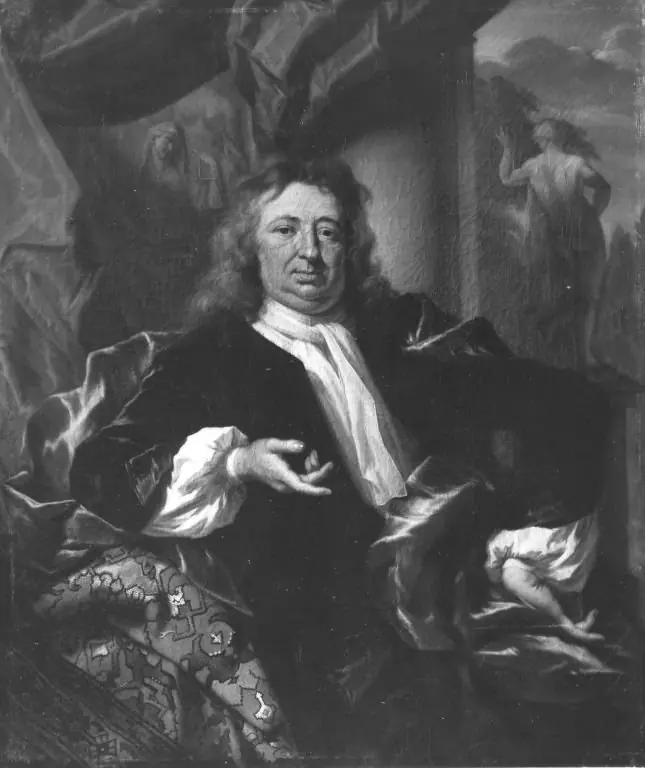 Bildnis eines Mannes