Artwork
The horse race
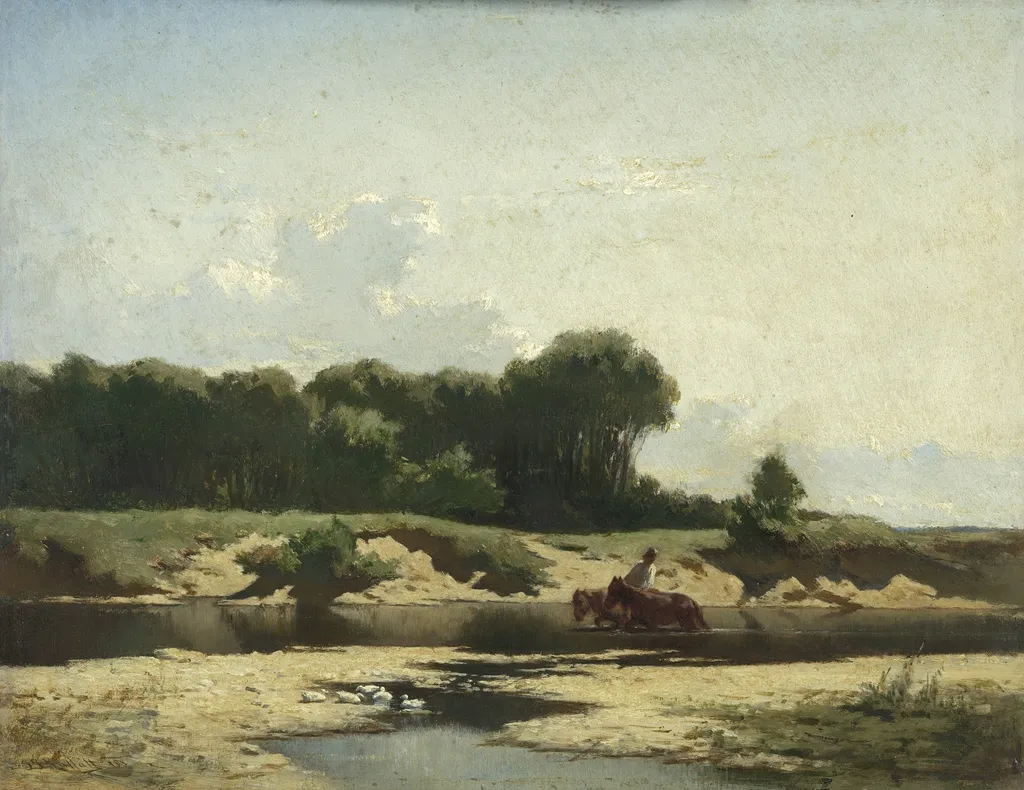
The horse race is an oil painting by the Realist artist Johann Gualbert Raffalt. It dates from 1858 and is held in the collection of the Rijksmuseum.
About this work
Overview
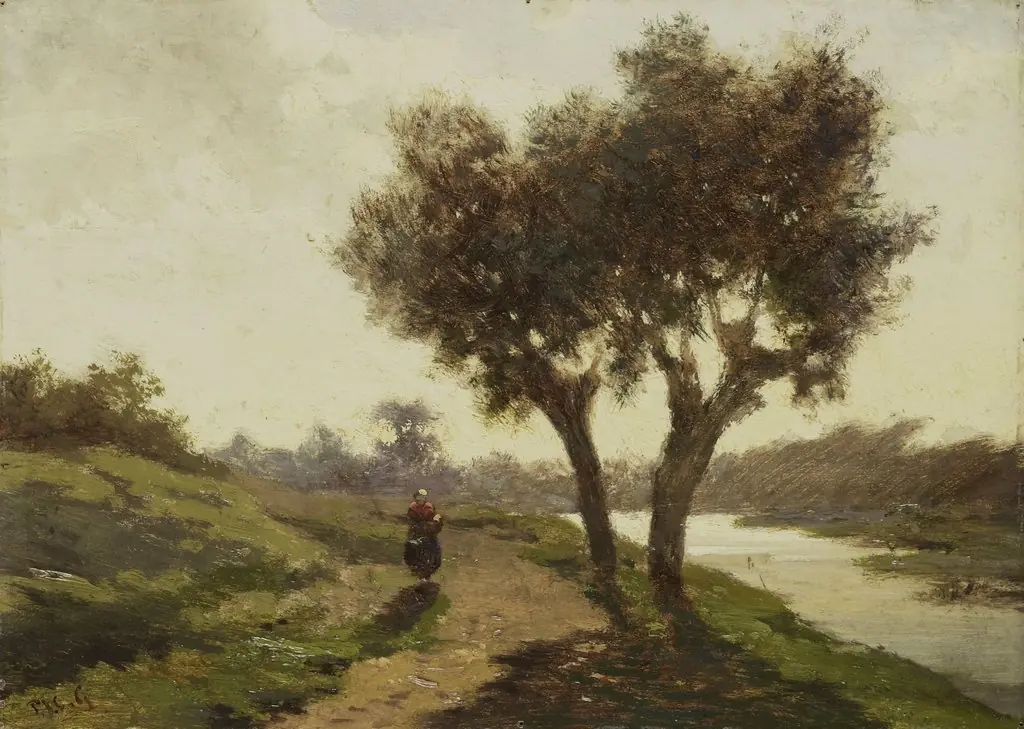
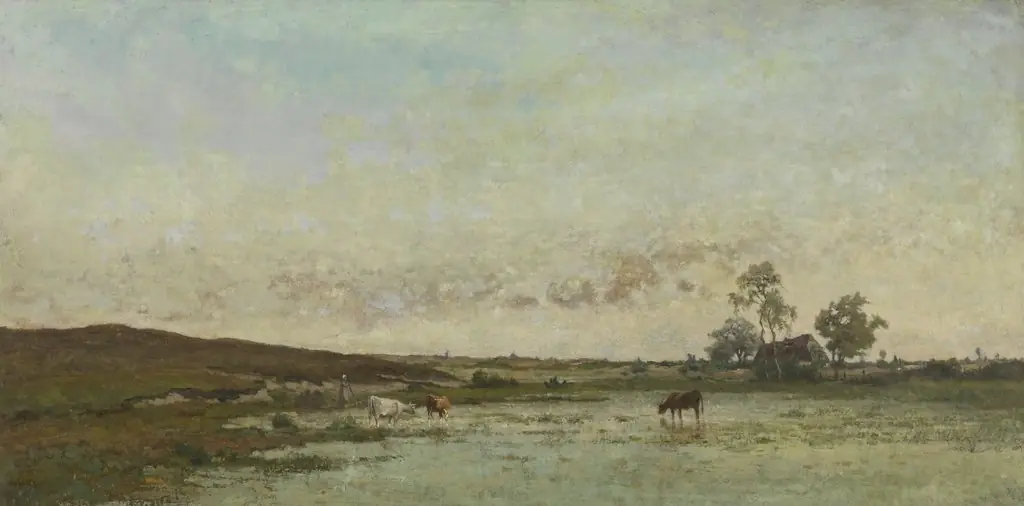
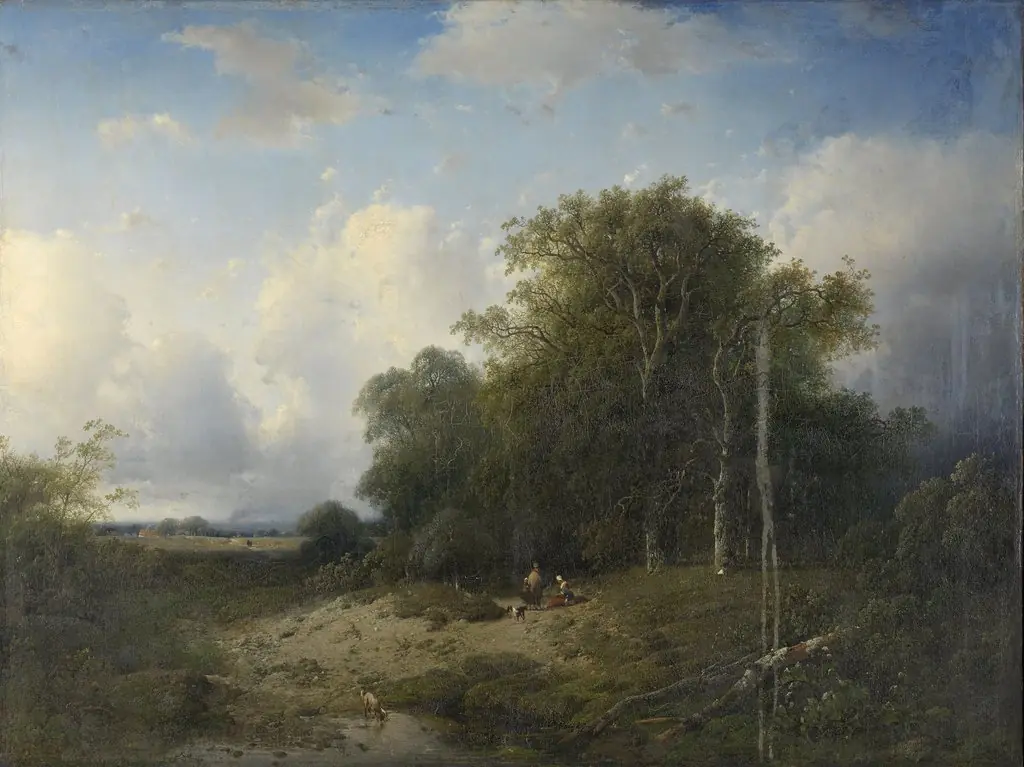
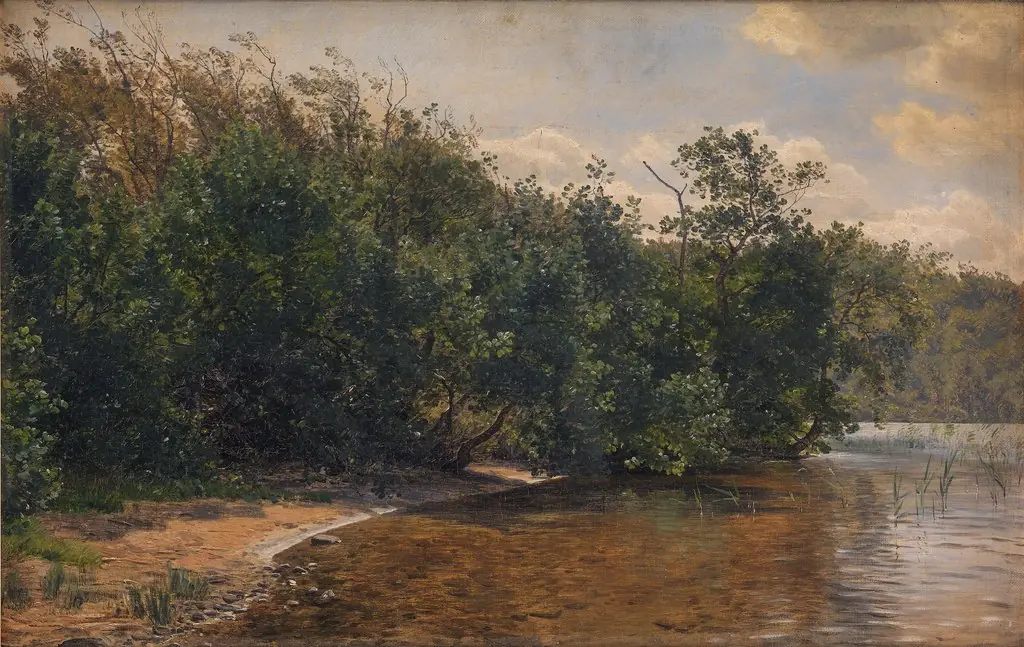
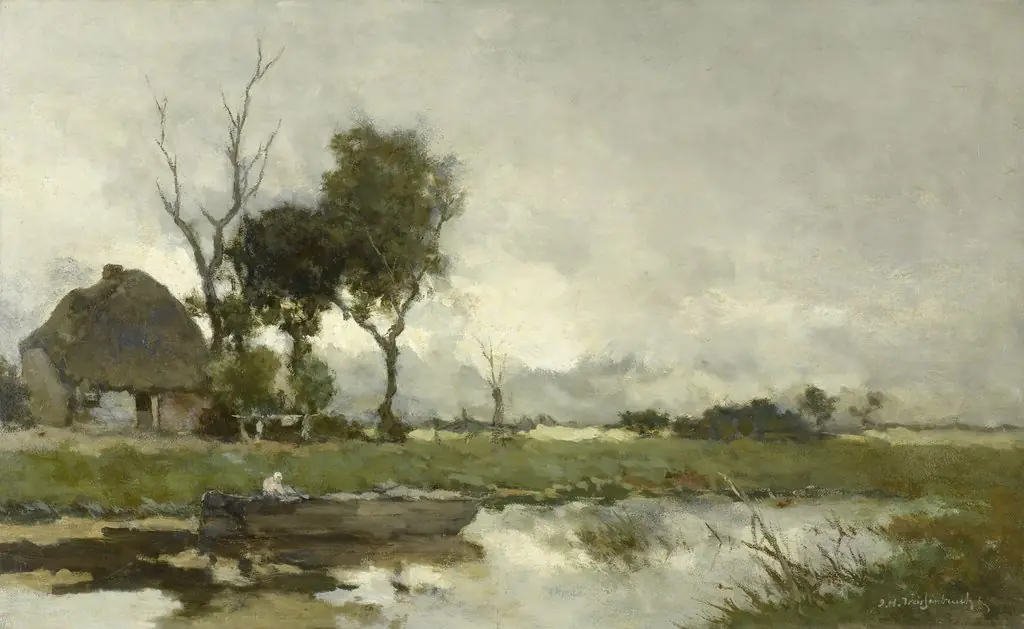
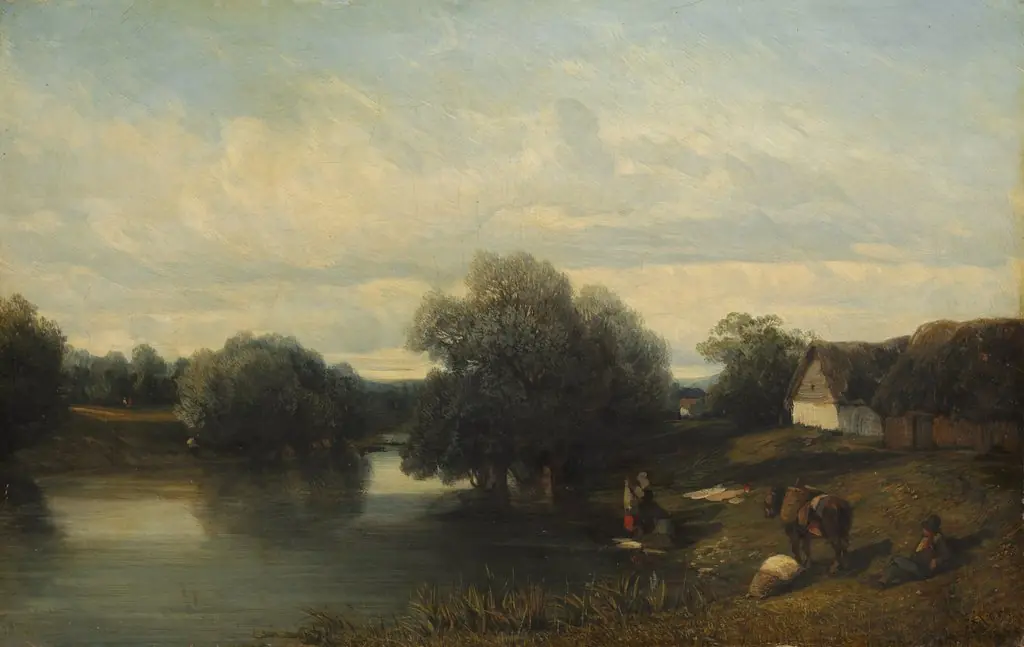
Painted in 1858 by Johann Gualbert Raffalt, this oil on canvas depicts a tranquil riverside scene rather than a dynamic equestrian event. Despite its title, the work avoids motion or spectacle, instead capturing a moment of stillness. The painting resides in the Rijksmuseum’s collection, where it reflects the artist’s interest in quiet naturalism over theatrical narrative.
Subject & Meaning
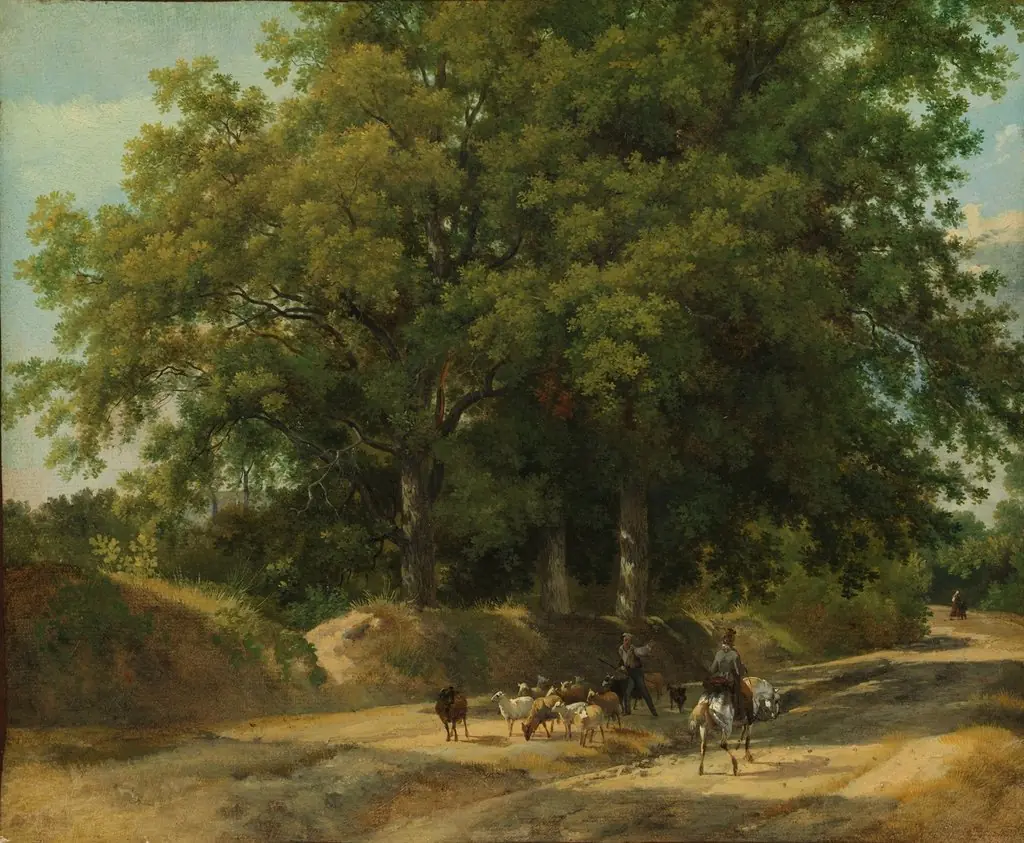
A solitary rider sits motionless on horseback beside a calm river, both figures at rest against a muted landscape. The absence of movement or competition redefines the notion of a 'horse race,' suggesting contemplation rather than competition. The scene evokes solitude and harmony with nature, inviting quiet observation rather than narrative interpretation.
Technique & Style
Raffalt employs soft, blended brushwork to render the sky, water, and foliage with subtle gradations of tone. Light is diffused and gentle, casting no sharp shadows, which enhances the scene’s serenity. Forms are simplified, avoiding detail in favor of atmospheric cohesion. The palette is restrained, dominated by earth tones and pale skies, reinforcing the painting’s calm mood.
History & Provenance
Created in 1858, the painting entered the Rijksmuseum’s collection shortly after its completion. Its early acquisition suggests it was recognized within Dutch artistic circles for its quiet sensitivity. No significant changes in ownership or restoration are documented, and it has remained in the museum’s care since the 19th century.
Context
In mid-19th century Europe, landscape painting increasingly emphasized mood and atmosphere over historical or dramatic themes. Raffalt’s work aligns with this trend, reflecting a broader shift toward intimate, observational art. While not part of a major movement, his approach resonates with contemporaries who valued stillness and natural light over grandeur.
Legacy
The painting endures as an example of understated Dutch landscape tradition, valued for its restraint and emotional quietude. Though not widely reproduced or studied, it contributes to the museum’s representation of lesser-known 19th-century artists who prioritized contemplative scenes over spectacle. Its presence affirms the artistic merit of calm observation.
Own this work as a print
Artist & collection