Artwork
Unbekannter Feldmarschall (Prinz von Homburg?)
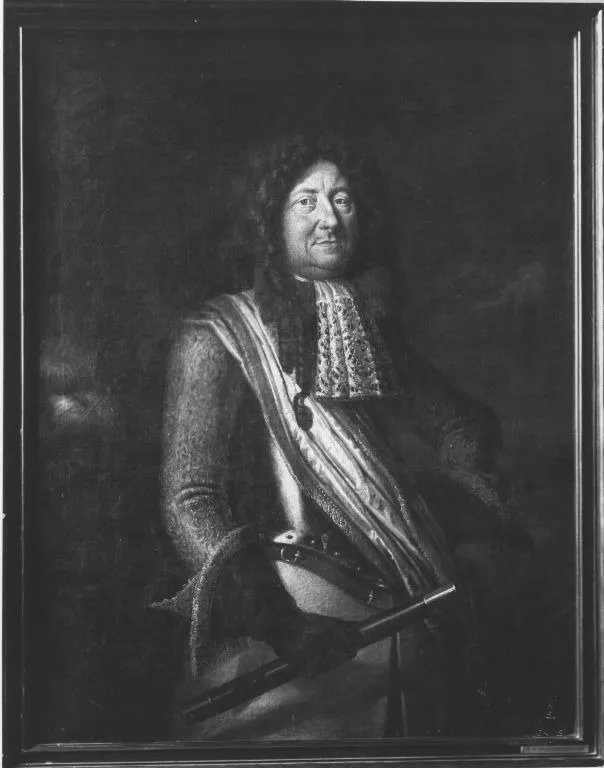
Unbekannter Feldmarschall (Prinz von Homburg?) is an unspecified painting by the Flemish Baroque painting artist Johann Heinrich Schwartz. It dates from 1690 and is held in the collection of the Bavarian State Painting Collections.
About this work
Overview
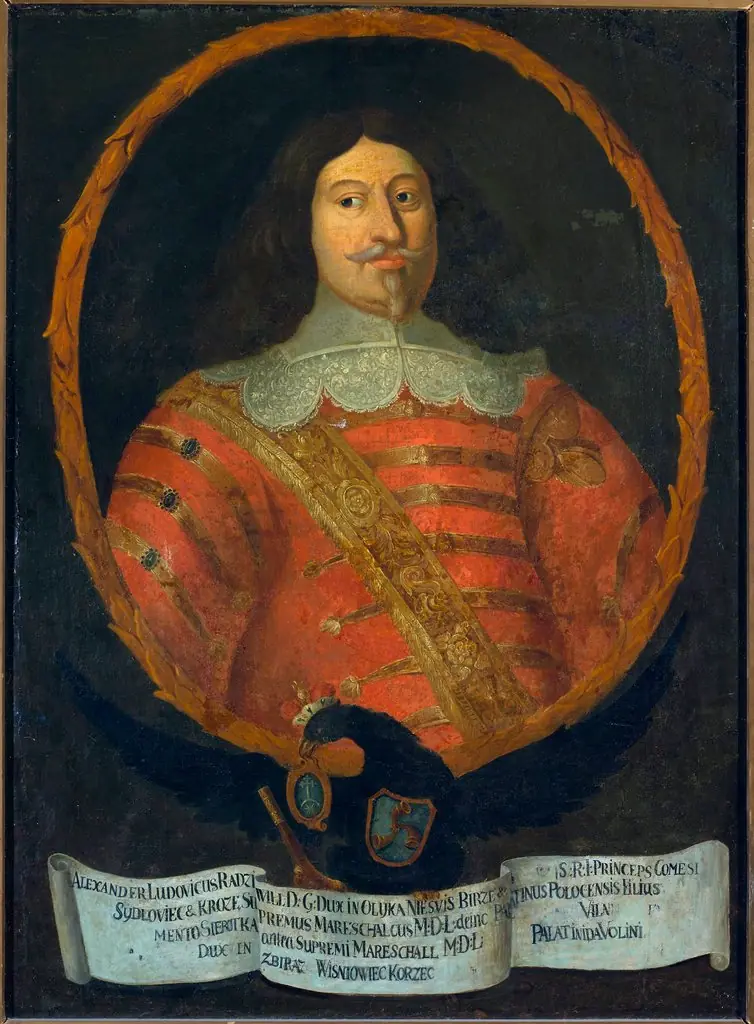
Created in 1690 by Johann Heinrich Schwartz, this oil portrait is part of the Alte Pinakothek’s collection. It depicts a solitary male figure dressed in a dark, formal costume with an elaborate lace collar and flowing curls. The composition is dominated by a deep, shadowed backdrop that recedes into a subtle gradation of light, giving the work a restrained, contemplative presence.
Subject & Meaning
The sitter is presented as a dignified, possibly military, personality—traditionally identified as an unidentified field marshal or the Prince of Homburg. His expression is solemn, eyes slightly downcast, suggesting introspection or melancholy. The portrait’s muted tone and restrained pose invite viewers to consider the personal gravity and status of the individual beyond mere representation.
Technique & Style
Schwartz employs chiaroscuro, contrasting the illuminated details of the subject’s face, hair, and richly textured garments against the enveloping darkness. Fine brushwork renders the intricate patterns of the lace collar and fabric folds, while the soft modeling of light creates a three‑dimensional sense of volume. The overall palette remains limited, reinforcing the work’s somber atmosphere.
History & Provenance
Since its completion in the late 17th century, the painting has remained in German collections, eventually entering the Alte Pinakothek, where it is displayed among other Baroque portraiture. Documentation traces its ownership through regional aristocratic inventories before its acquisition by the museum in the 19th century.
Context
The portrait reflects the Baroque era’s emphasis on authority and personal virtue, often conveyed through dramatic lighting and sumptuous attire. Portraits of high-ranking officials or princes served both as status symbols and as visual affirmations of loyalty to the ruling elite, aligning with contemporary conventions of courtly representation.
Artist & collection
Artist
Johann Heinrich Schwartz painted still lifes in the Dutch Golden Age tradition. His only listed work here is *Still Life with Fruit and Nuts* (1680), a quiet arrangement of pears, plums, and hazelnuts set against a dark…

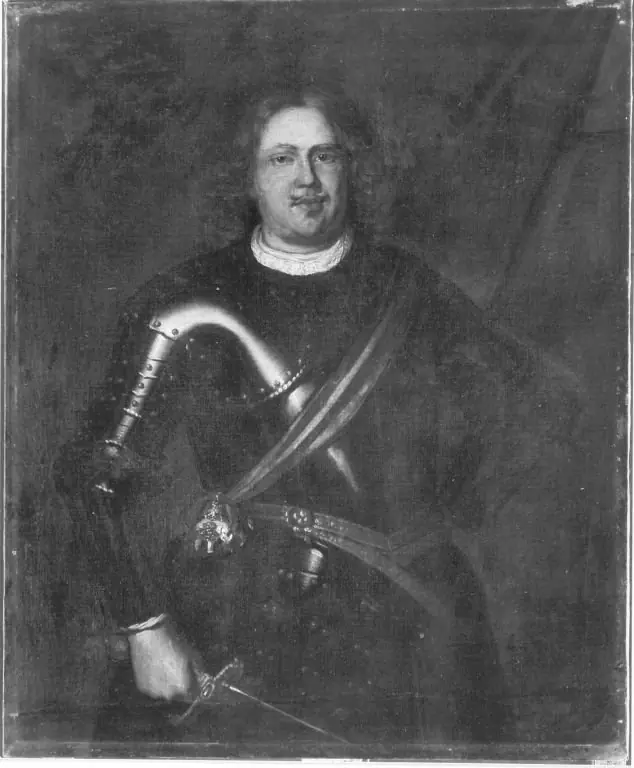 Bildnis eines jungen Fürsten
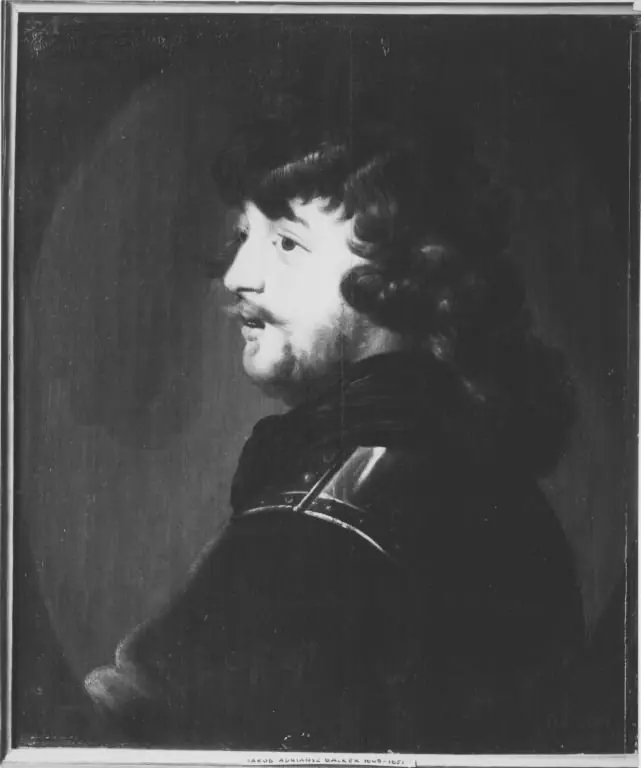 Portrait of a man in armor (self-portrait)
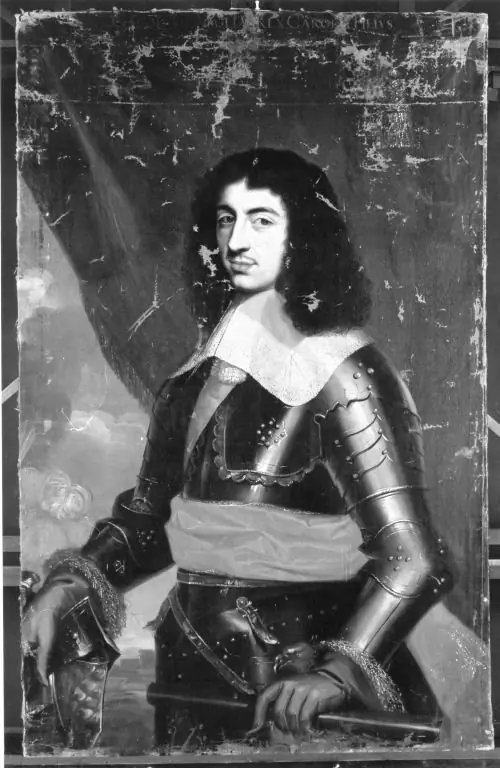 König Karl II. von England (1630-1685) (Kopie nach)
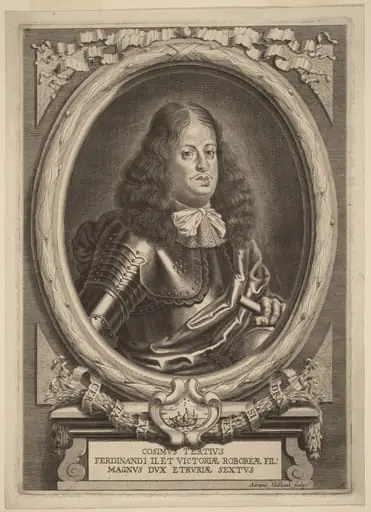 Cosimo III, Grand Duke of Tuscany
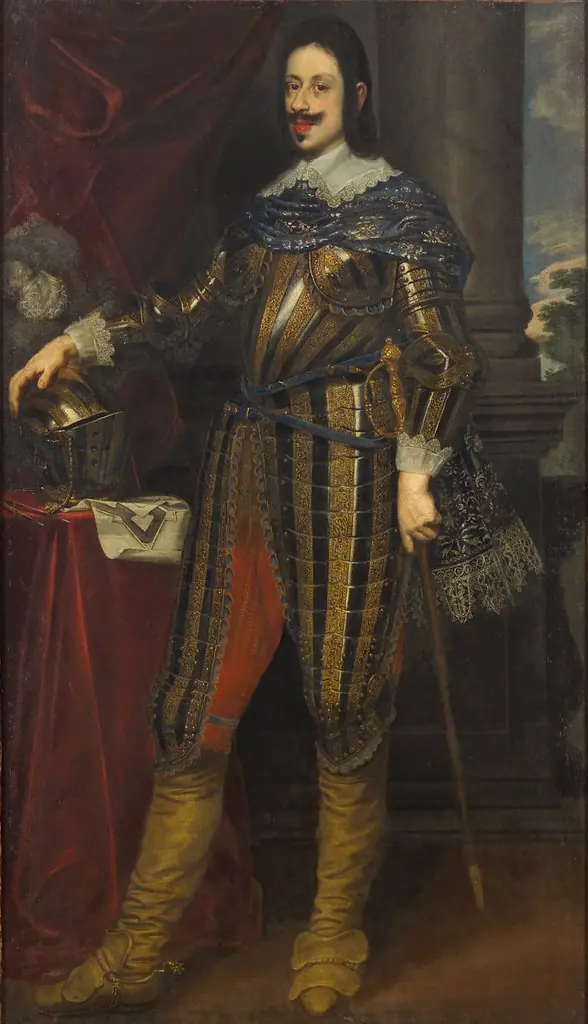 Grand-duke Ferdinand II of Tuscany (1610-1670) in Armour
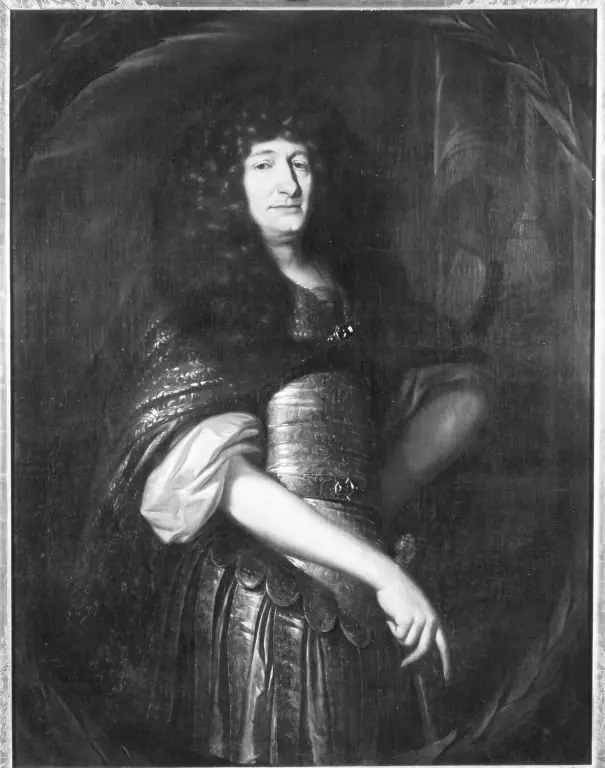 Portrait of a man, possibly Christian II Palatine of Zweibrücken-Birkenfeld (1637-1717)
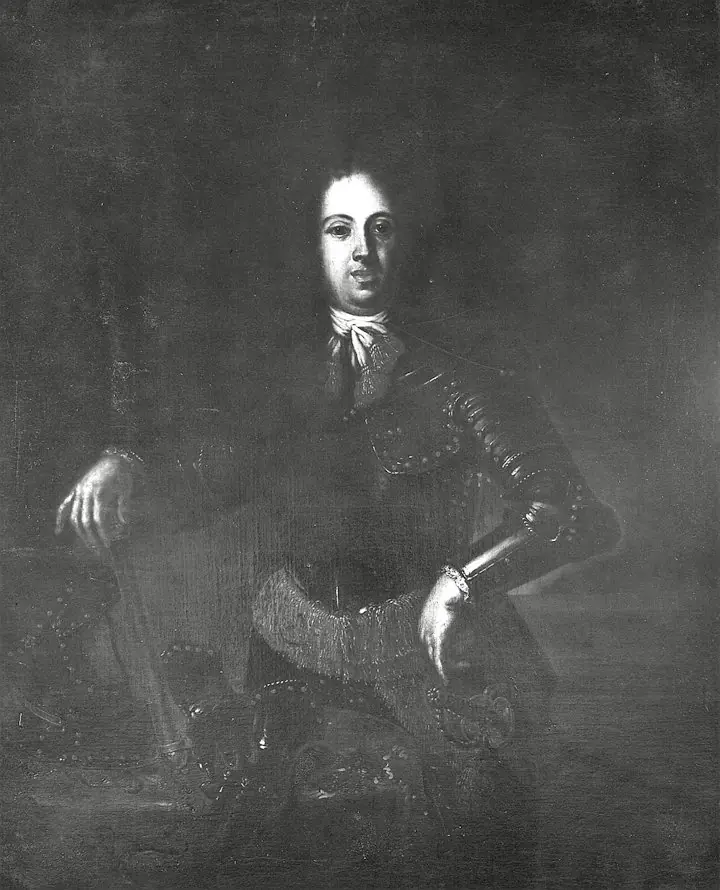 Portrait of Ferdinando de' Medici, Grand Prince of Tuscany
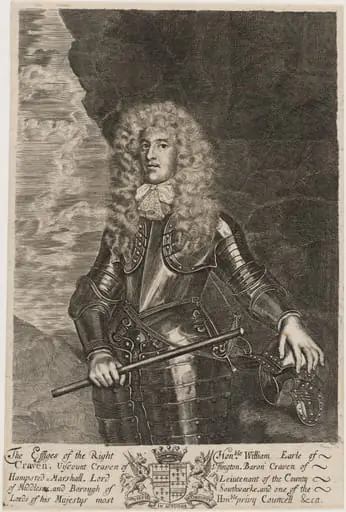 William, Earl of Craven
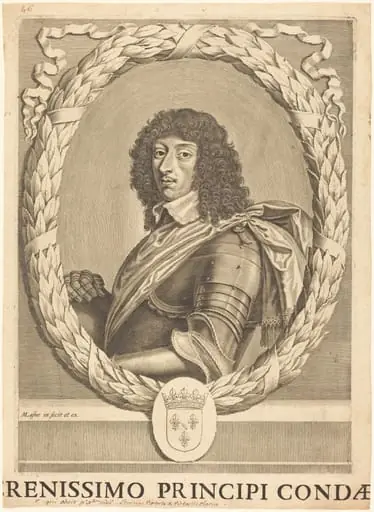 Louis II de Bourbon
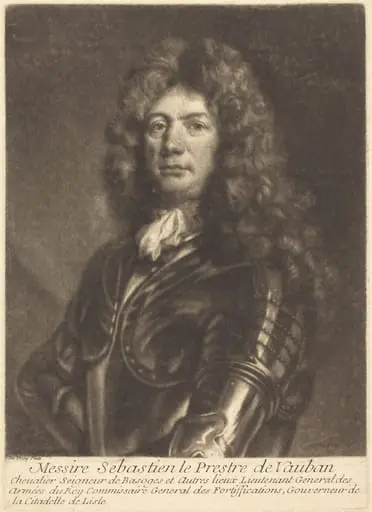 Portrait of M. Sebastien Le Prestre de Vauban
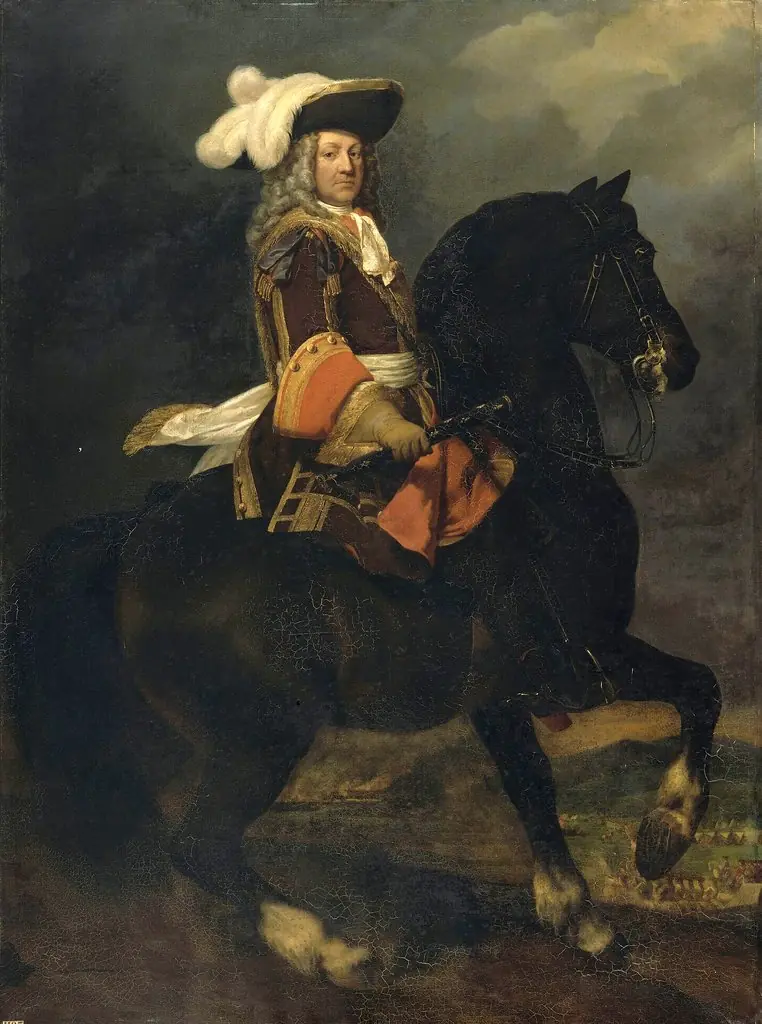 Louis-Joseph, Duke of Vendôme, Marshal of France
 Portrait of Aleksander Ludwik Radziwiłł (1594–1654)