Artwork
The Resurrection of Christ
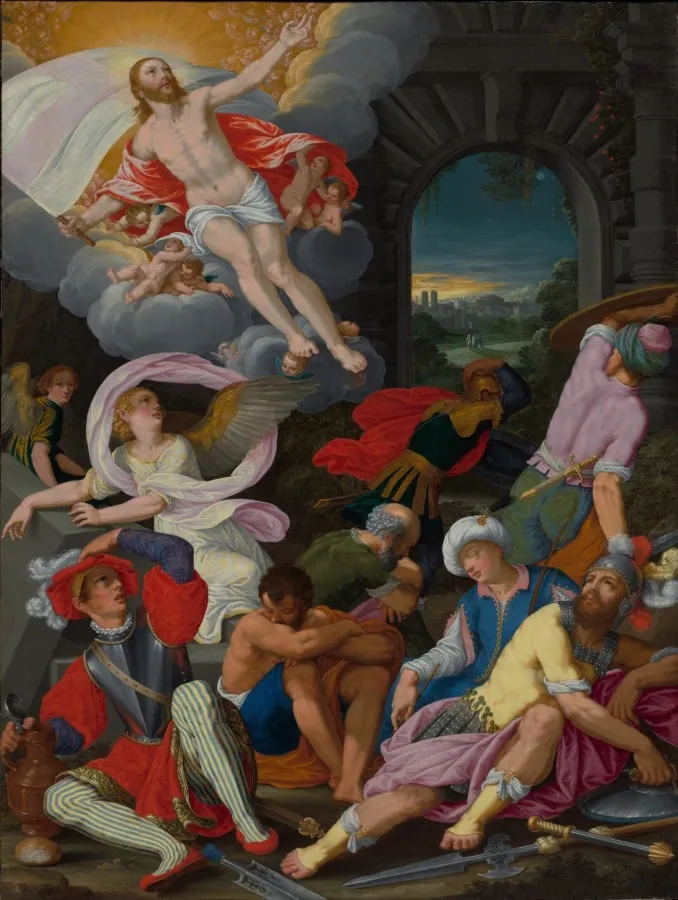
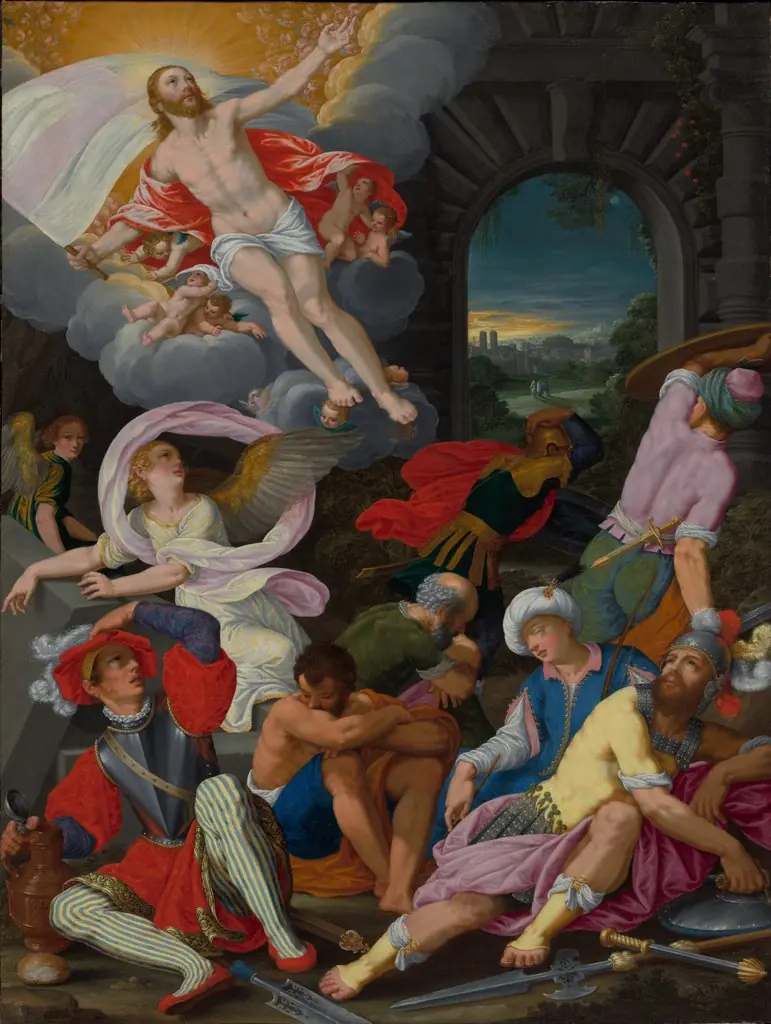
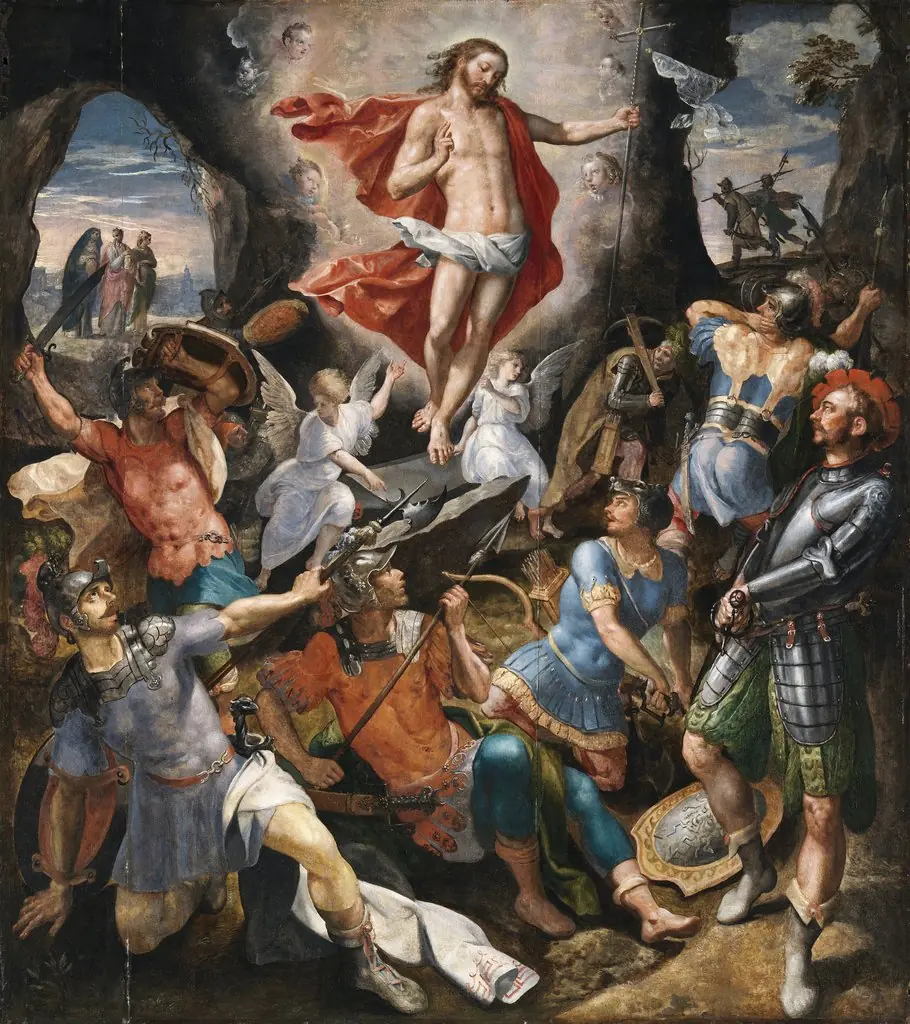
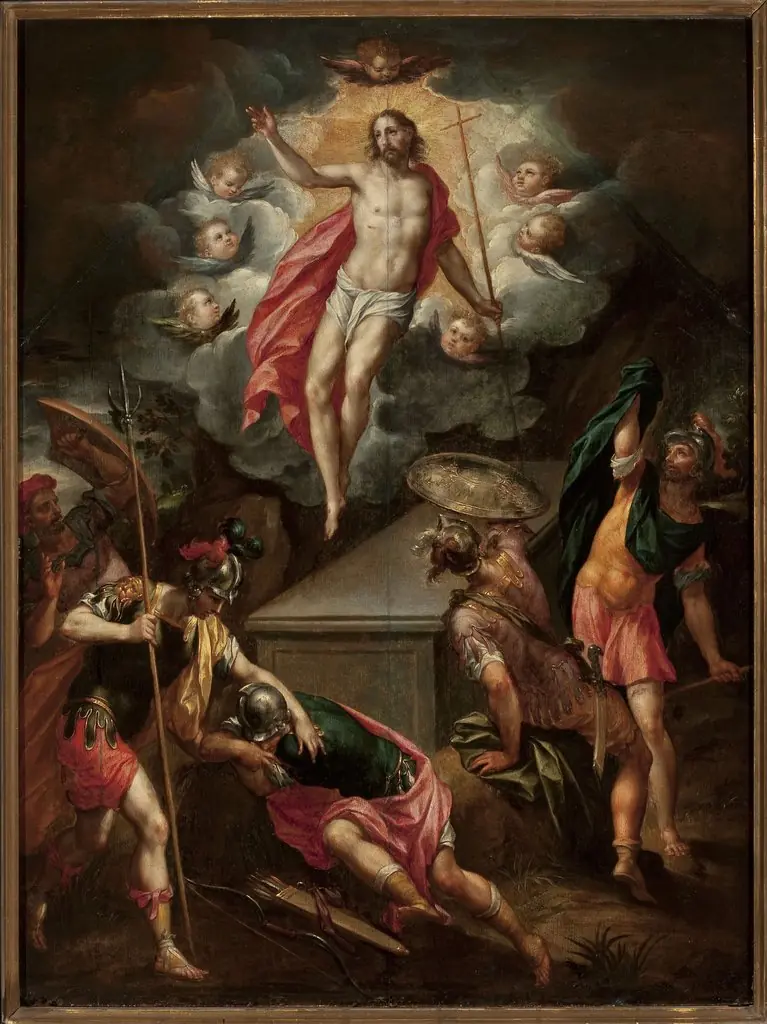
The Resurrection of Christ is an unspecified painting by the Baroque artist Johann König. It dates from 1622 and is held in the collection of the Cleveland Museum of Art.
About this work
Overview
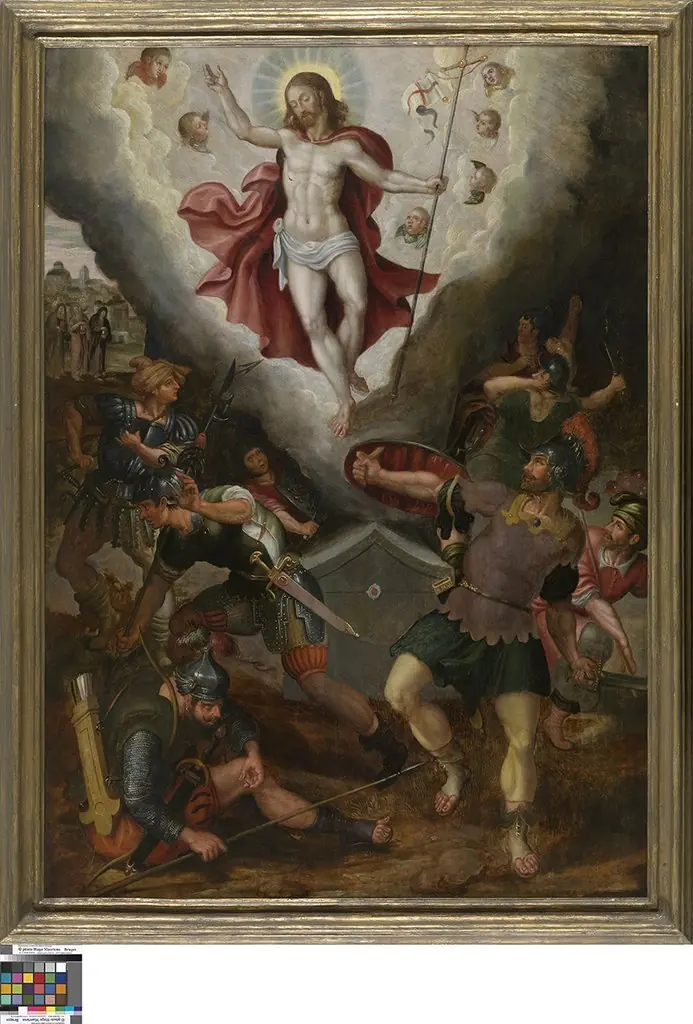
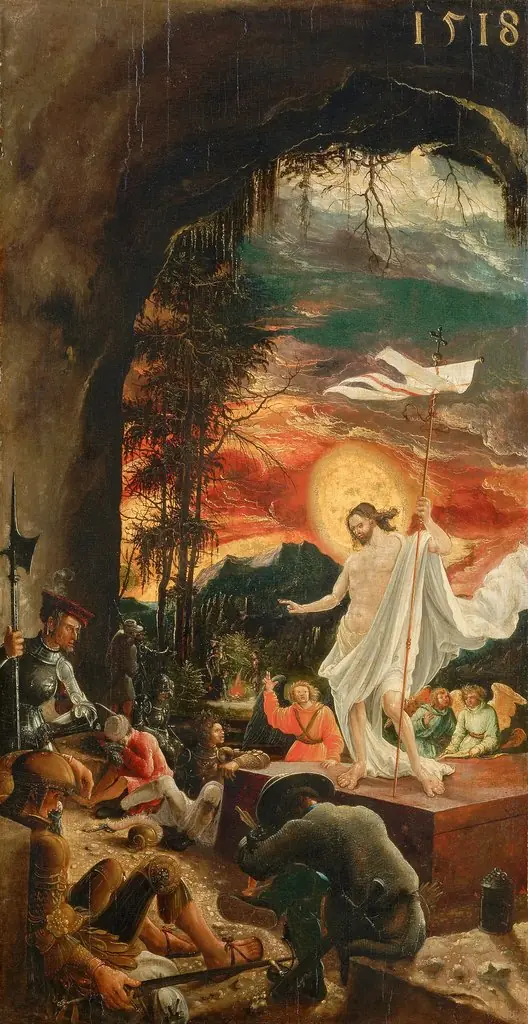
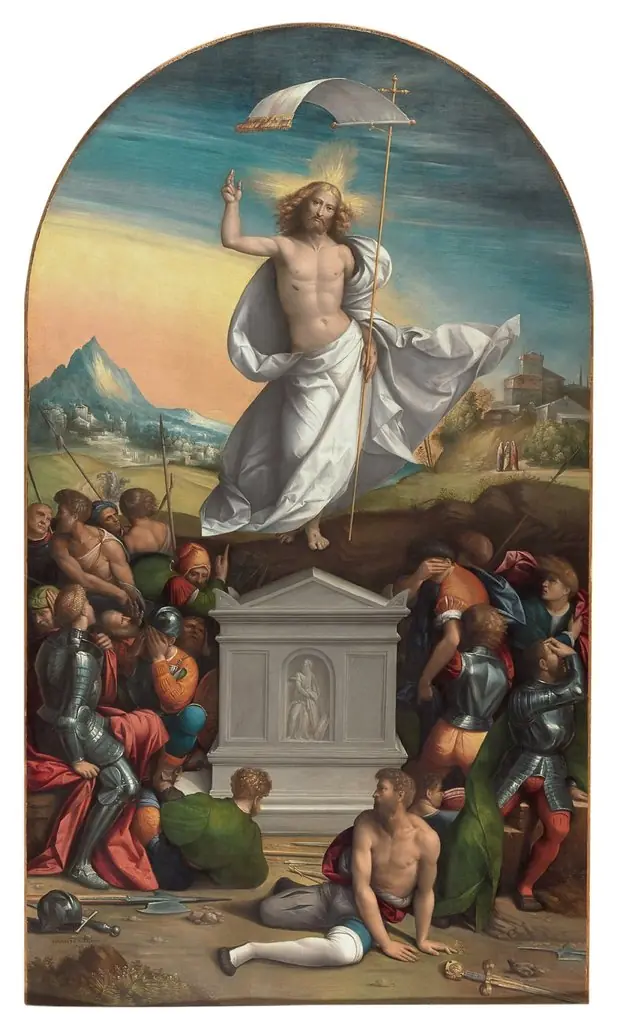
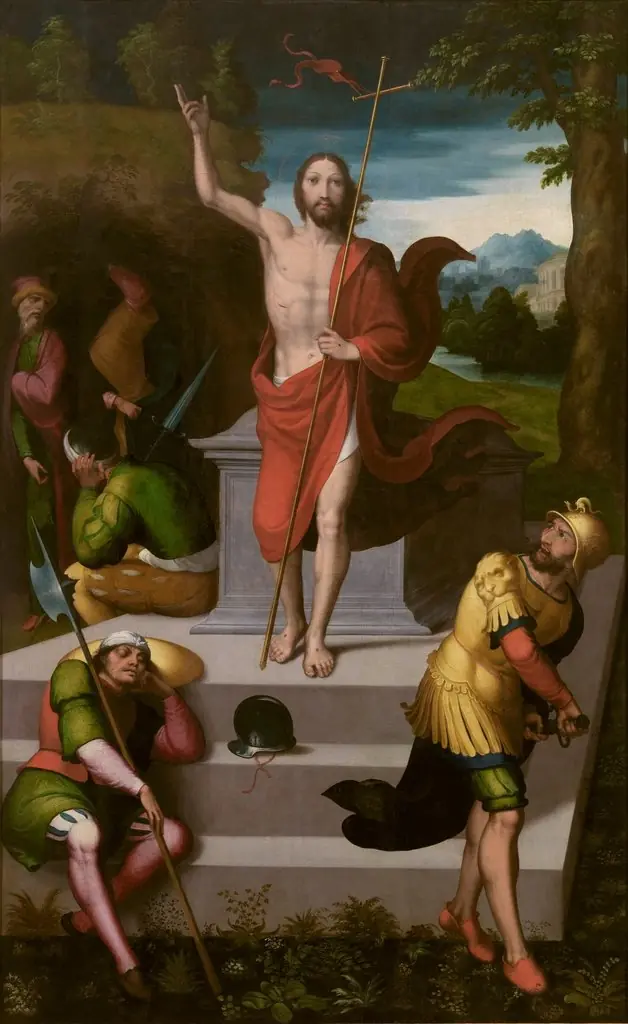
This painting depicts the resurrection of Christ, a central event in Christian theology. Rather than adhering to static, devotional conventions, the artist renders the moment with dynamic energy, using bold color and vigorous composition to convey spiritual transformation. The scene balances celestial power with human reaction, grounding the divine in tangible motion.
Subject & Meaning
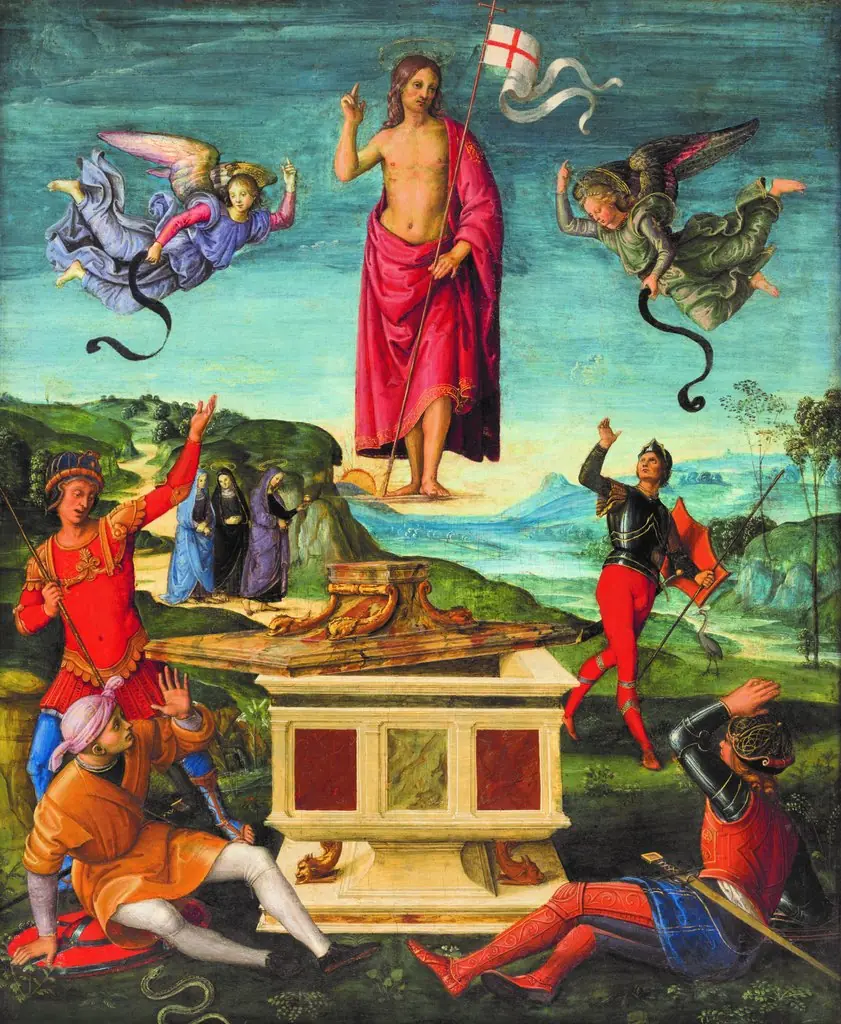
Christ emerges from his tomb, not in serene triumph but with forceful ascent, suggesting divine authority breaking through mortal bounds. Below, three women approach the empty grave, their gestures conveying shock and dawning realization. The empty tomb signifies not absence but presence—death overcome, not merely escaped. The moment captures revelation as both personal and cosmic.
Technique & Style
The artist employs sharp, precise brushwork to render textures—from fabric folds to stone cracks—while contrasting them with sweeping, luminous skies.
The artist employs sharp, precise brushwork to render textures—from fabric folds to stone cracks—while contrasting them with sweeping, luminous skies. Colors are intensified, not naturalistic, heightening emotional resonance. Light radiates from Christ’s form, illuminating the landscape and figures, creating a sense of divine intrusion into the physical world. Sfumato is not used; instead, clarity and contrast define the style.
History & Provenance
The work originates in the early 17th century, likely commissioned for a private chapel or religious institution. Its stylistic choices align with regional trends favoring emotional intensity over classical restraint. Documentation traces its ownership through ecclesiastical collections before entering a public collection in the late 19th century, where it remains today.
Context
During this period, Counter-Reformation ideals encouraged art that stirred devotion through immediacy and drama. While Italian Mannerism influenced composition, the artist’s approach reflects northern European tendencies toward detailed observation and psychological depth. The inclusion of the women as witnesses follows scriptural accounts but emphasizes human response as a bridge to the divine.
Legacy
The painting contributed to a shift in religious imagery, moving away from static iconography toward narrative immediacy. Later artists adopted its emphasis on motion and emotional realism, though few matched its fusion of luminous color and precise detail. It remains a significant example of how theological themes were reimagined through personal artistic vision in the early modern era.
Artist & collection
Artist
Johann König (21 October 1586 – 4 March 1642) was a German painter. He was a follower of Adam Elsheimer. He is known primarily for his painted copper panels.