Artwork
Emblematic Still Life with Flagon, Glass, Jug and Bridle
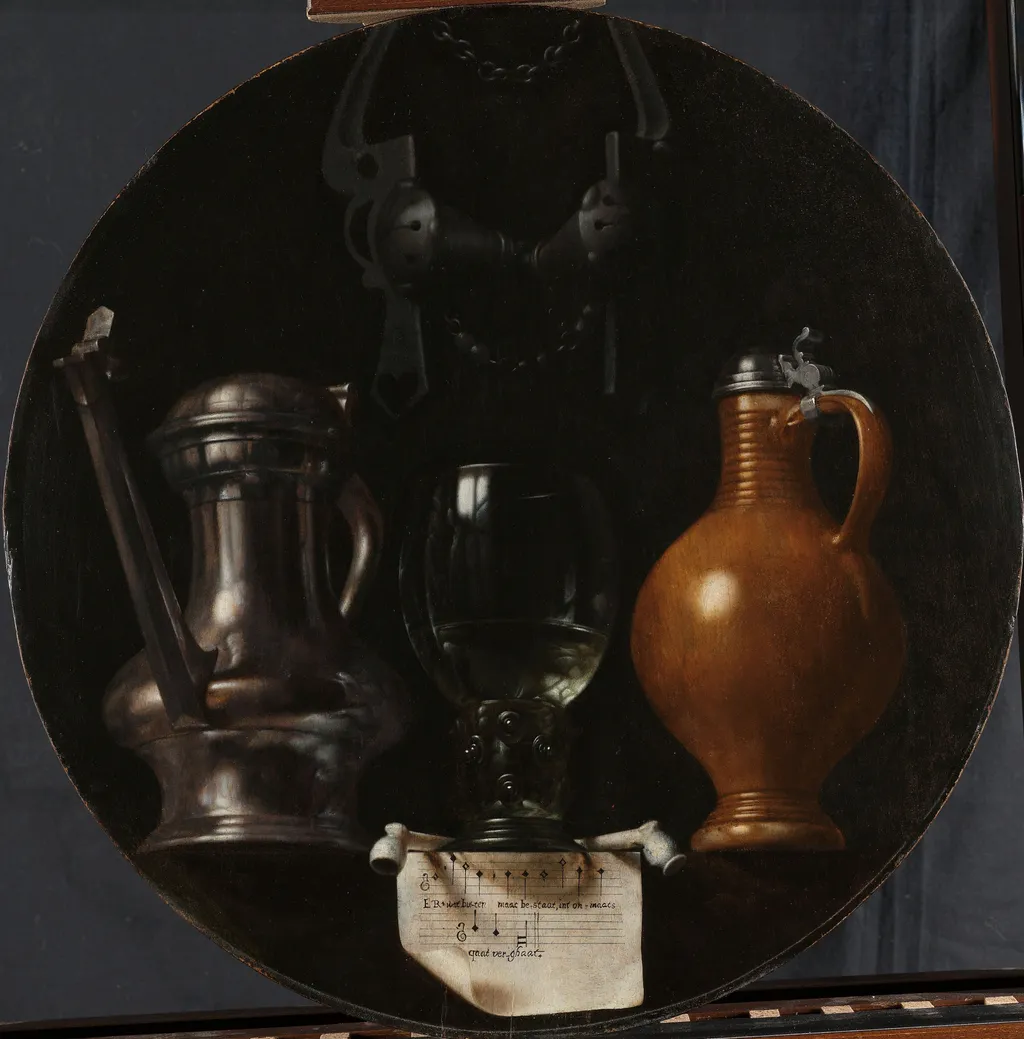
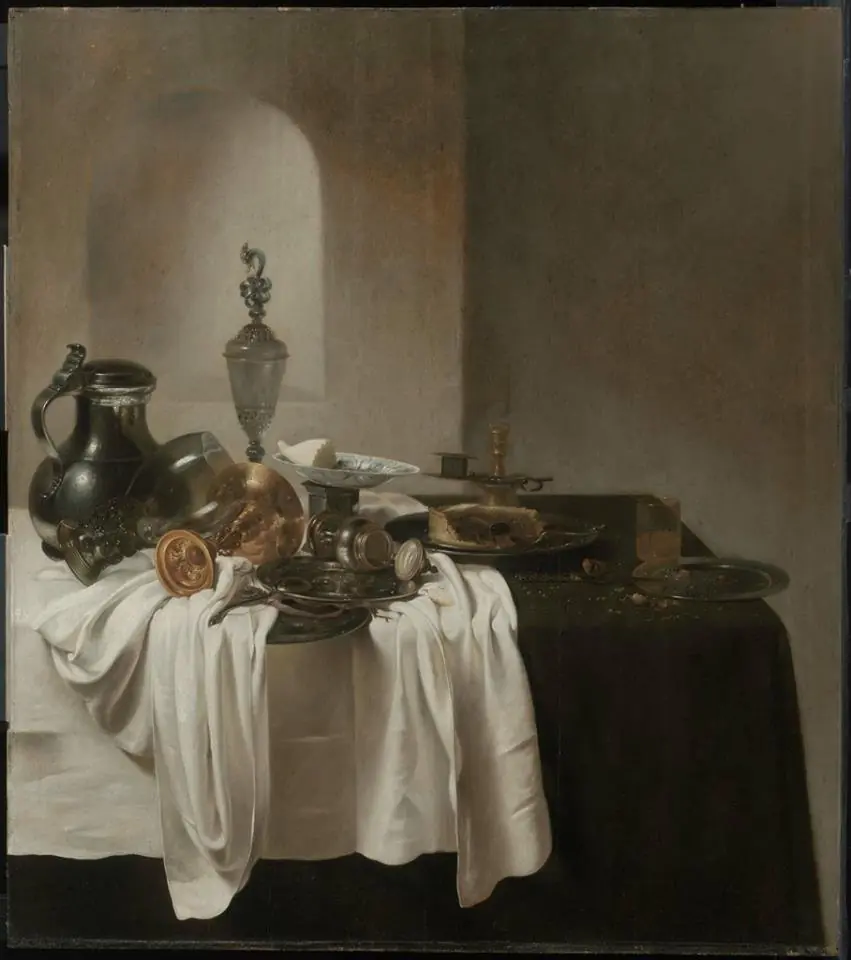
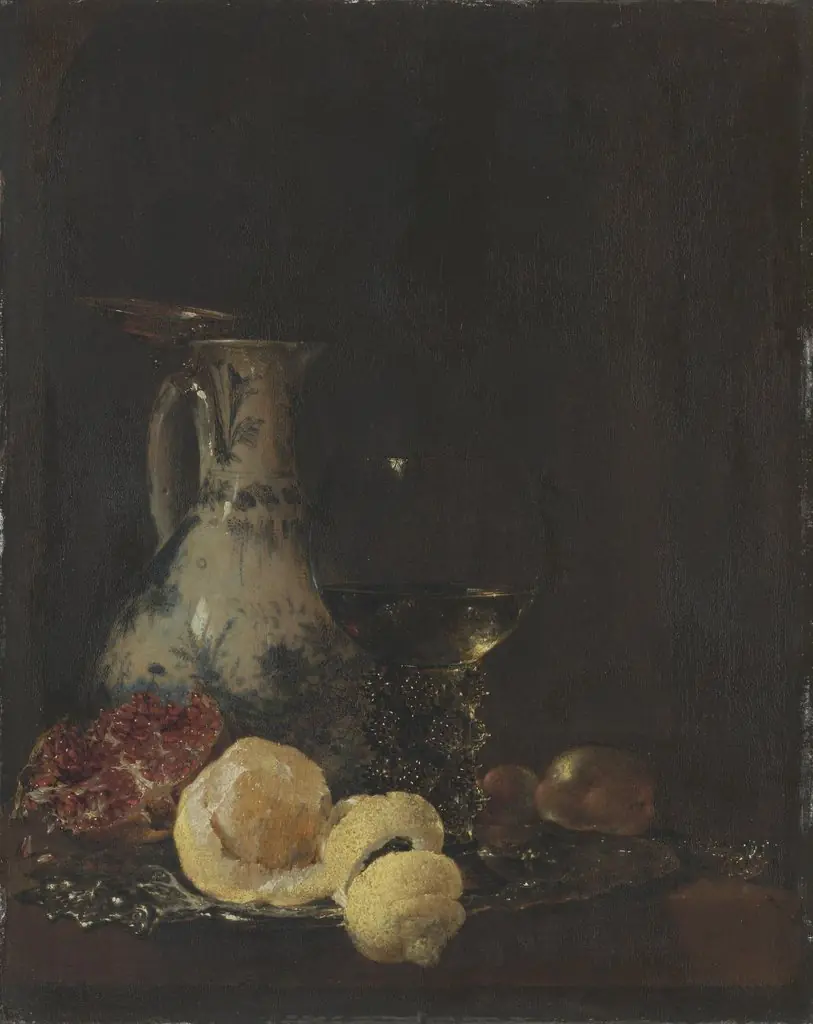
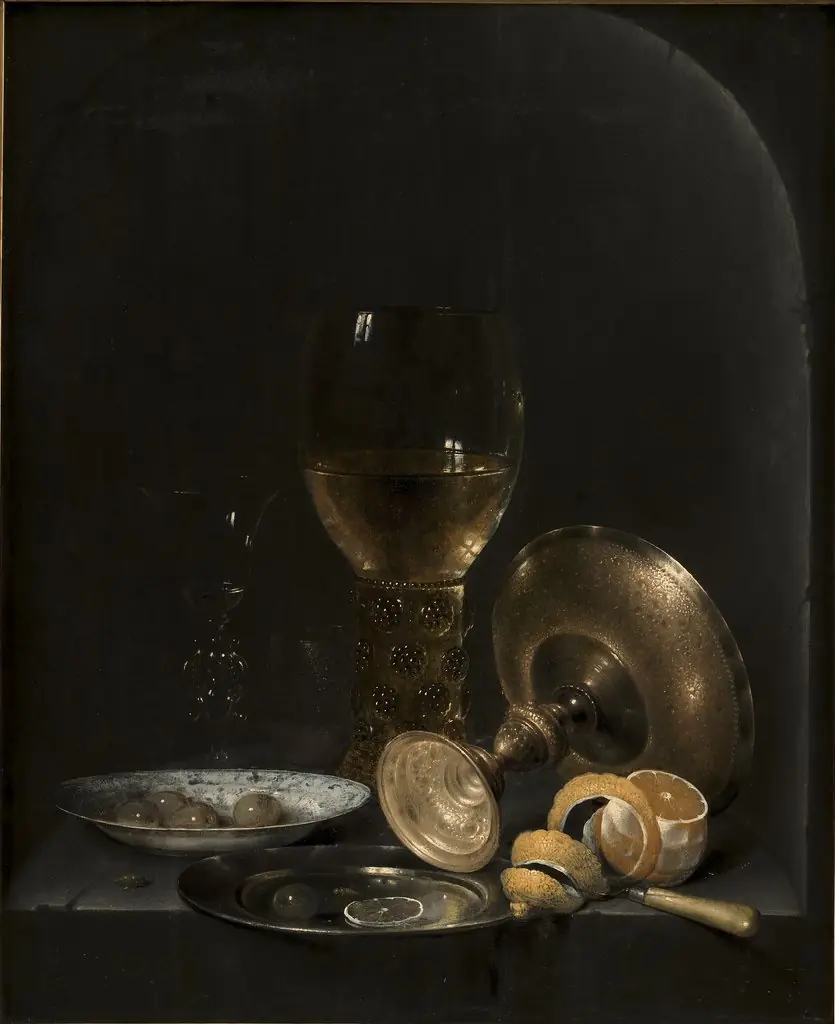
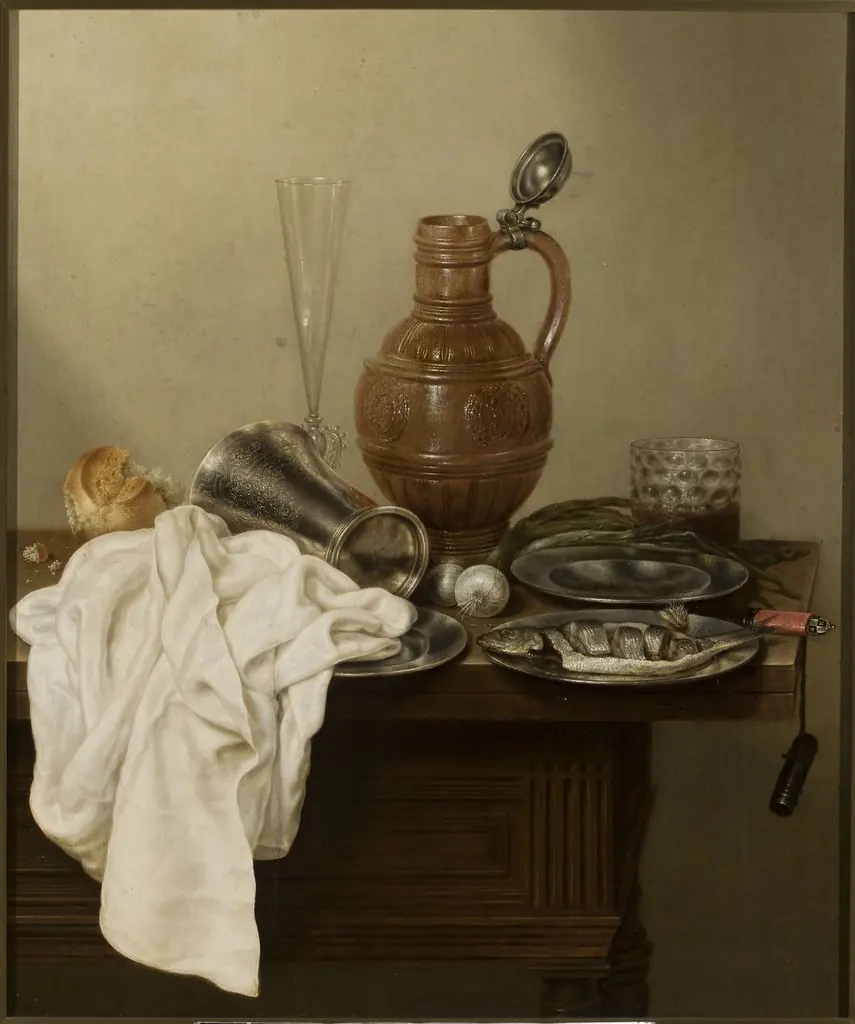
Emblematic Still Life with Flagon, Glass, Jug and Bridle is an oil painting by the Dutch Golden Age artist Johannes van der Beeck. It dates from 1614 and is held in the collection of the Rijksmuseum.
About this work
Overview
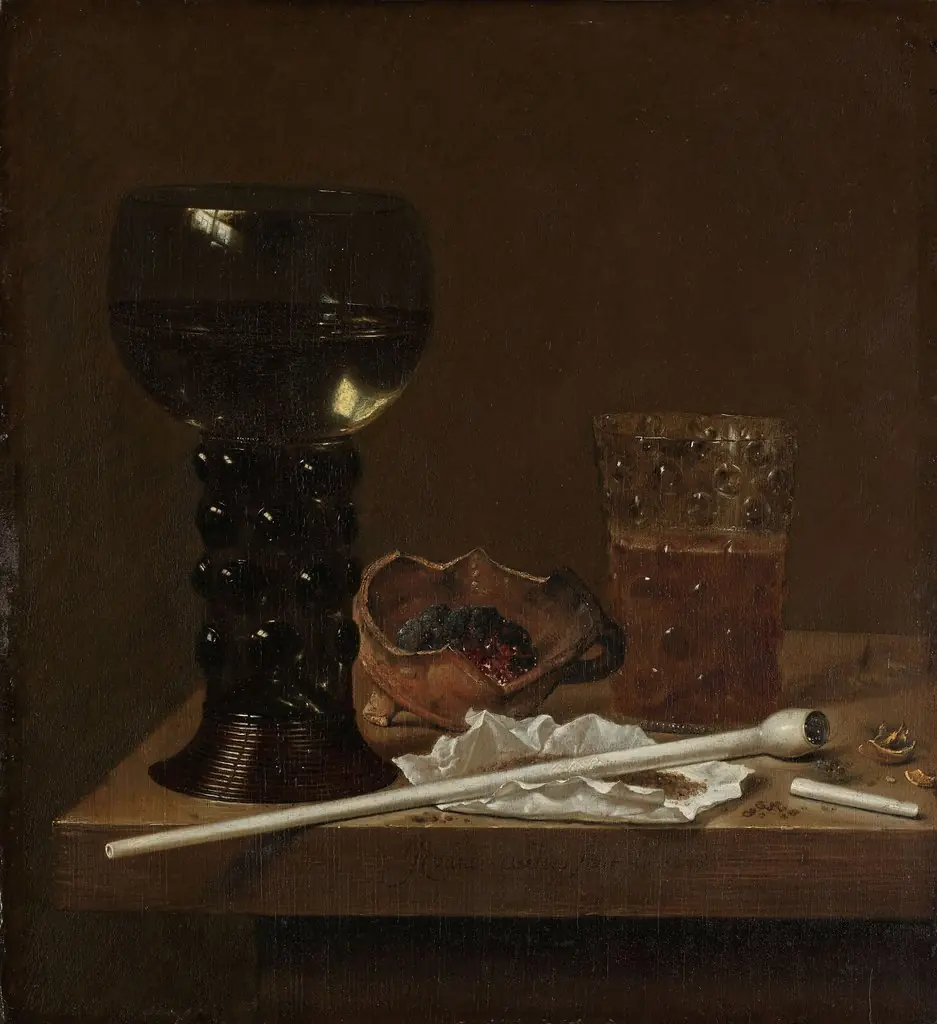
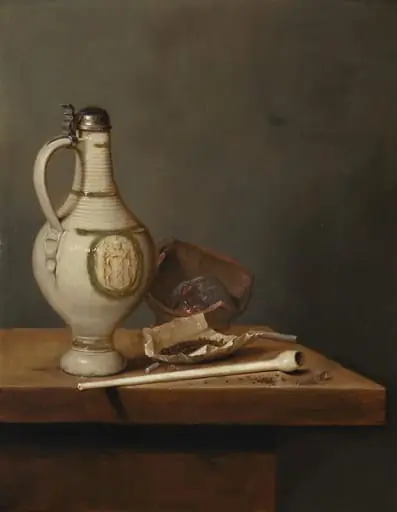
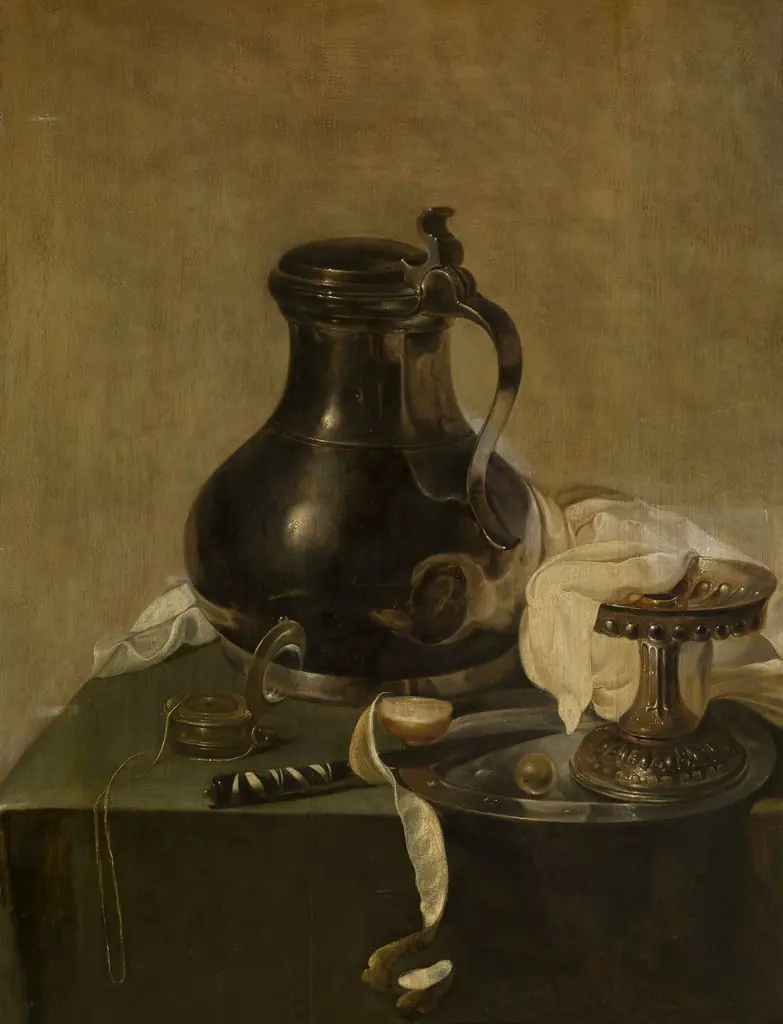
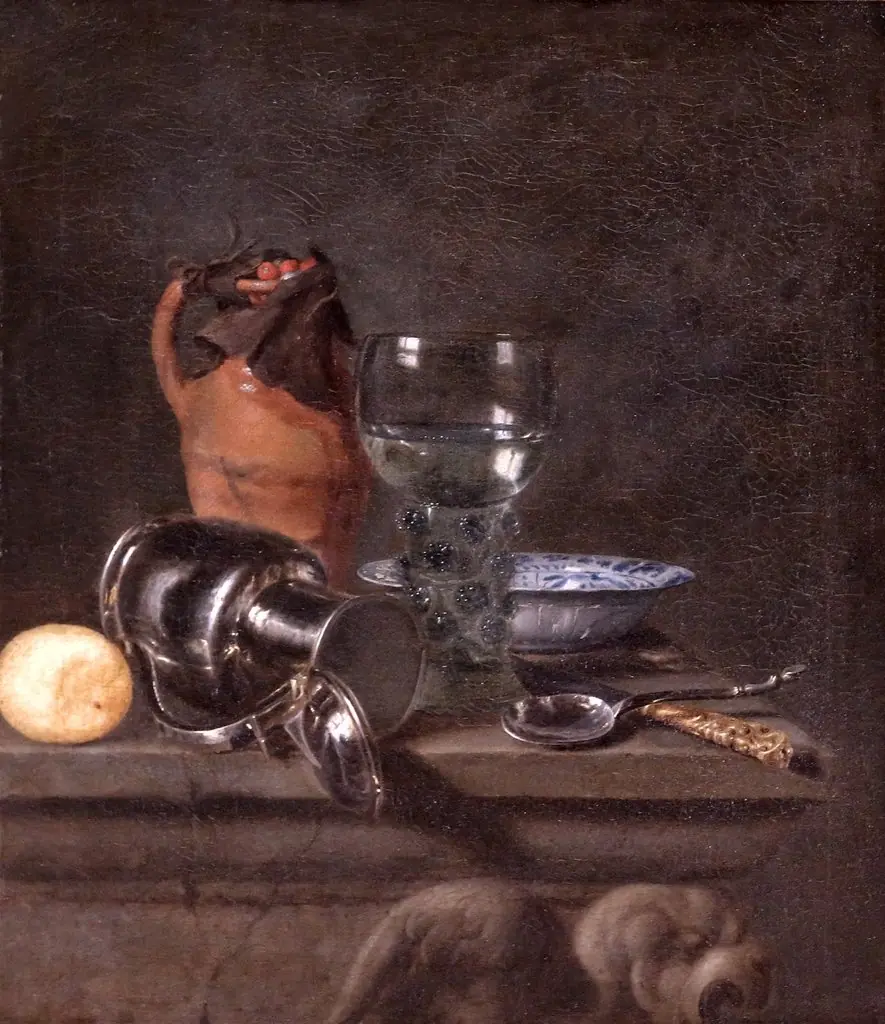
Created in 1614, *Emblematic Still Life with Flagon, Glass, Jug and Bridle* is an oil painting by the Dutch artist Johannes van der Beeck, who signed his works as Johannes Torrentius. Executed during the height of the Dutch Golden Age, the work presents a compact arrangement of metal vessels and a bridle against a deep, unlit background, emphasizing the objects’ material qualities.
Subject & Meaning
The composition gathers three metallic containers—a tall flagon, a handled glass, and a capped jug—alongside a horse bridle and a sheet of paper bearing faint Dutch script. The juxtaposition of drinking vessels with equestrian equipment suggests a symbolic contrast between consumption and control, a common motif in emblematic still lifes that invite moral reflection on excess and restraint.
Technique & Style
Van der Beeck employs a stark chiaroscuro, allowing a single light source to illuminate the reflective surfaces while the surrounding darkness recedes. This treatment highlights the sheen of brass and glass, rendering textures with meticulous brushwork. The limited palette and precise modeling create a three‑dimensional effect that draws the viewer’s eye to each object's form and materiality.
History & Provenance
Born in 1589, van der Beeck was known for his still‑life paintings, yet most were lost after his 1628 conviction for alleged Rosicrucian and blasphemous activities, which led to the destruction of many of his works. *Emblematic Still Life* survived and entered the collection of the Rijksmuseum in Amsterdam, where it remains on display as one of the few extant examples of his oeuvre.
Context
The painting reflects the early‑17th‑century Dutch fascination with vanitas themes, where everyday objects serve as reminders of mortality and moral choice.
The painting reflects the early‑17th‑century Dutch fascination with vanitas themes, where everyday objects serve as reminders of mortality and moral choice. Its inclusion of a Jan Steen‑type pitcher links it to contemporary domestic interiors, while the bridle alludes to the era’s equestrian culture. Together, these elements situate the work within the broader intellectual and artistic currents of its time.
Artist & collection
Artist
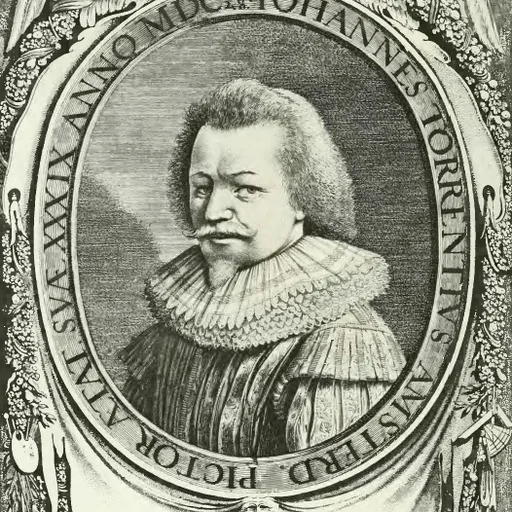
Johannes (Jan) Symonsz van der Beeck (1589 – buried 17 February 1644) was a Dutch painter also known by his alias Johannes Torrentius.