Artwork
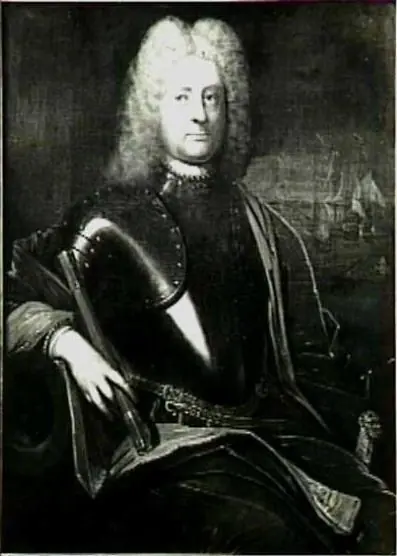
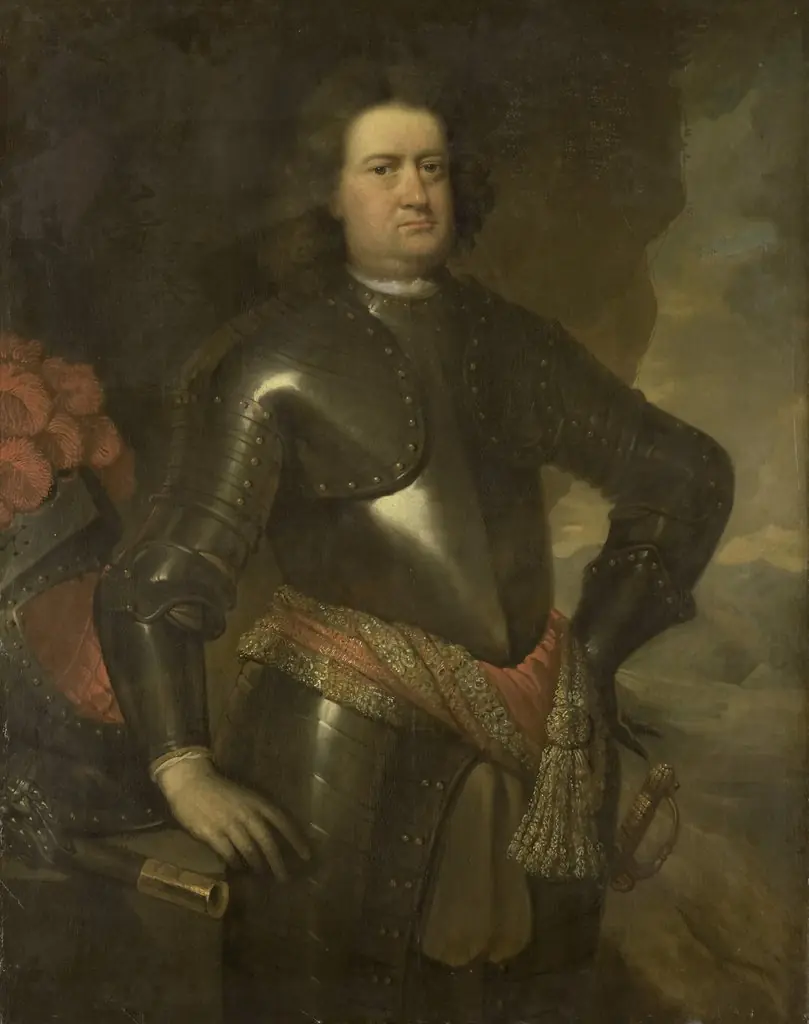
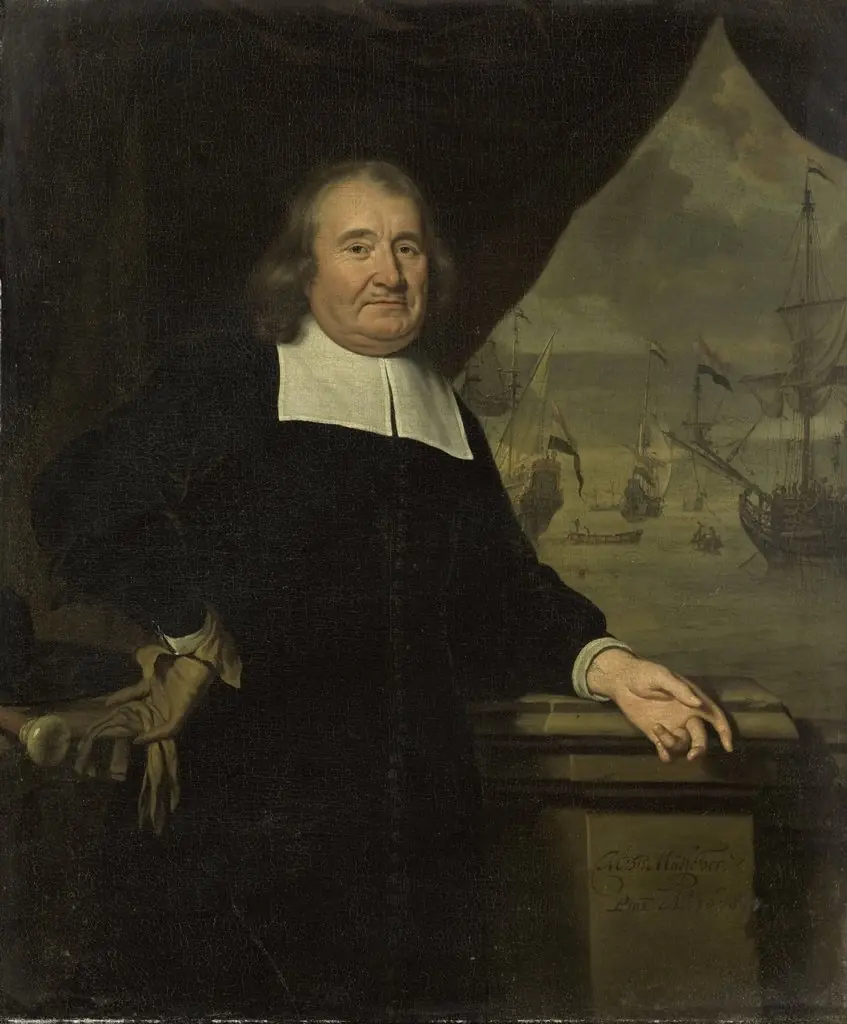
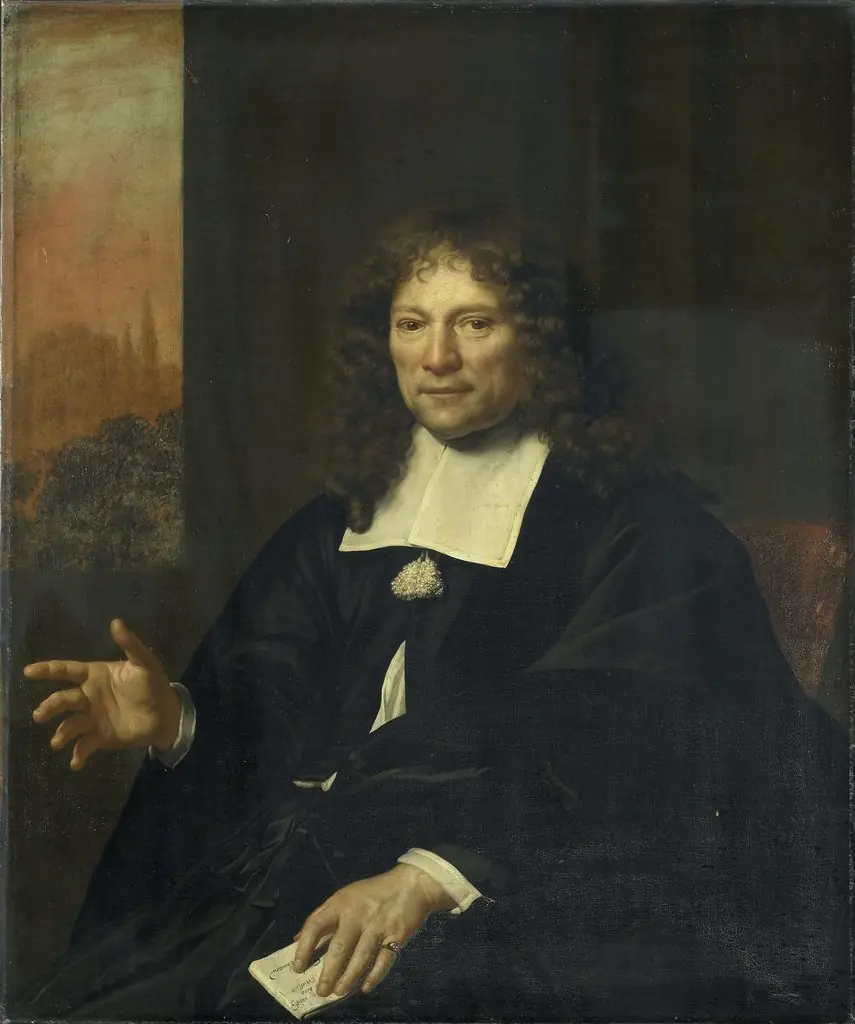
Portrait of Caspar Fagel (1634-88), Grand pensionary of Holland from 1672 on, with the assembly hall of the states of Holland on the Binnenhof, The Hague, in the background
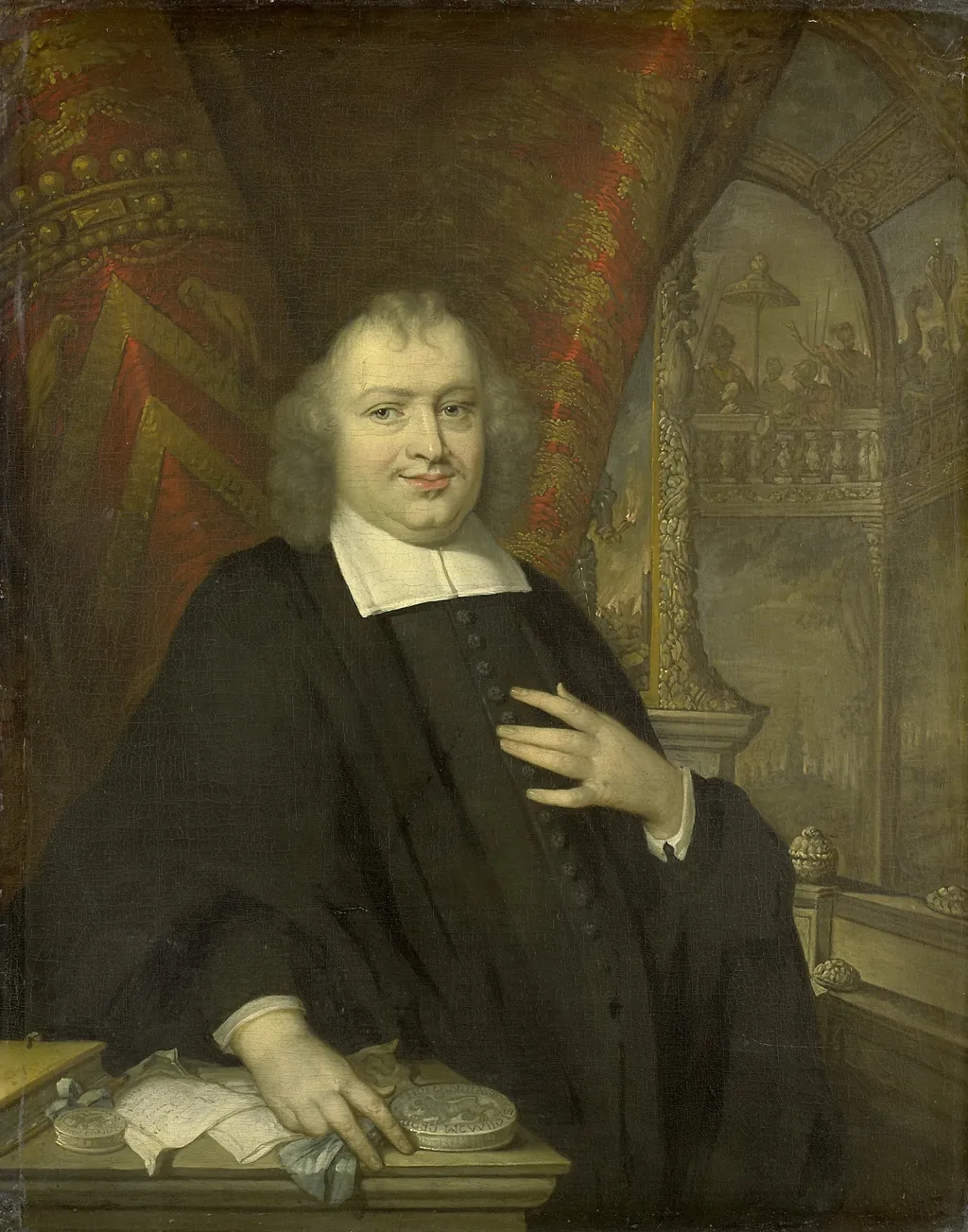
Portrait of Caspar Fagel (1634-88), Grand pensionary of Holland from 1672 on, with the assembly hall of the states of Holland on the Binnenhof, The Hague, in the background is an oil painting by the Dutch Golden Age artist Johannes Vollevens. It dates from 1694 and is held in the collection of the Rijksmuseum.
About this work
Overview
Johannes Vollevens painted this oil portrait in 1694, presenting Caspar Fagel, the Dutch Grand Pensionary from 1672 until his death. The work shows Fagel seated at a desk, his gaze directed toward the viewer, while the interior of the Binnenhof’s assembly hall forms the backdrop. The painting is part of the Rijksmuseum’s collection.
Subject & Meaning
Caspar Fagel, a leading political figure in the Dutch Republic, is depicted in formal attire—a dark robe with a white collar—signifying his official capacity. The inclusion of the grand hall of the States of Holland underscores his role within the governing body, linking the individual portrait to the broader civic authority he exercised.
Technique & Style
Vollevens employs chiaroscuro to model Fagel’s face and hands, allowing them to emerge from a darker surrounding space. The composition balances detailed rendering of the ornate red‑and‑gold patterned wall and stone archway with the more subdued treatment of the desk and papers, creating depth and a sense of controlled illumination typical of late‑17th‑century Dutch portraiture.
History & Provenance
Created shortly after Fagel’s death, the portrait entered the Dutch national collection and is now housed in the Rijksmuseum in Amsterdam. Its provenance reflects the museum’s acquisition of works that document the political elite of the Dutch Golden Age, preserving the visual record of key statesmen.
Context
The painting situates Fagel within the Binnenhof, the historic complex that housed the Dutch parliamentary chambers. By portraying him against the assembly hall’s elaborate décor, the work connects personal authority with the institutional setting of the States of Holland, illustrating the intertwined nature of individual leadership and collective governance during the Republic’s later years.
Own this work as a print
Artist & collection