Artwork
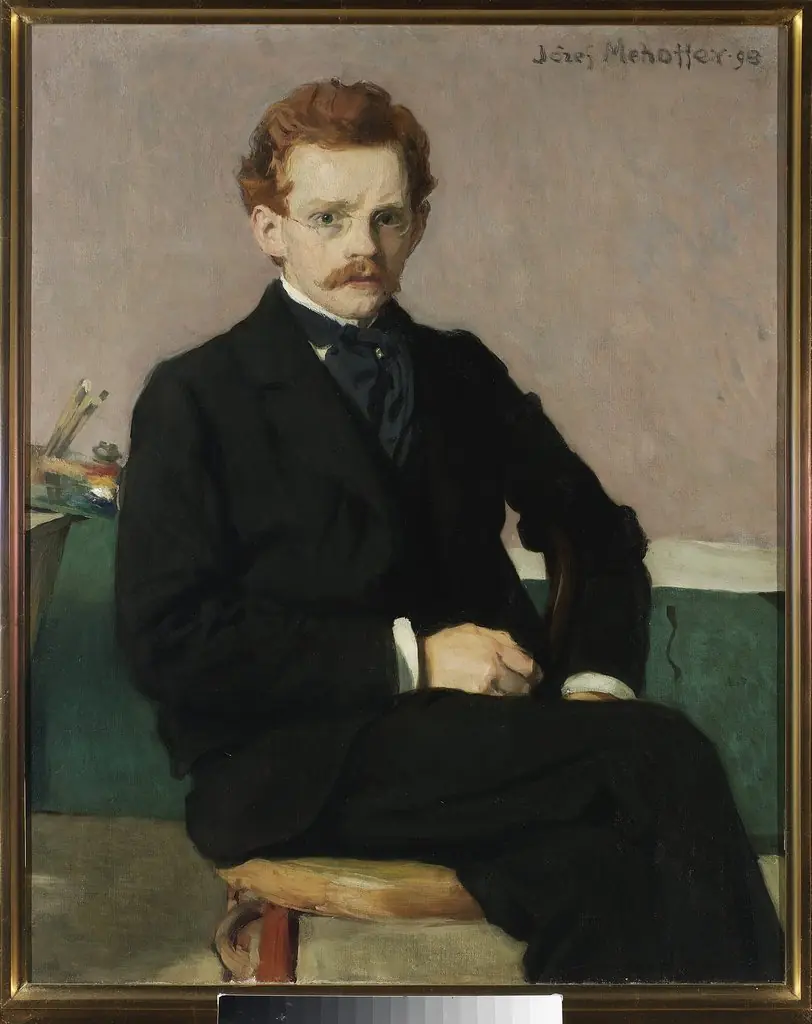
Portrait of AE (George W. Russell) (1867-1935), Poet
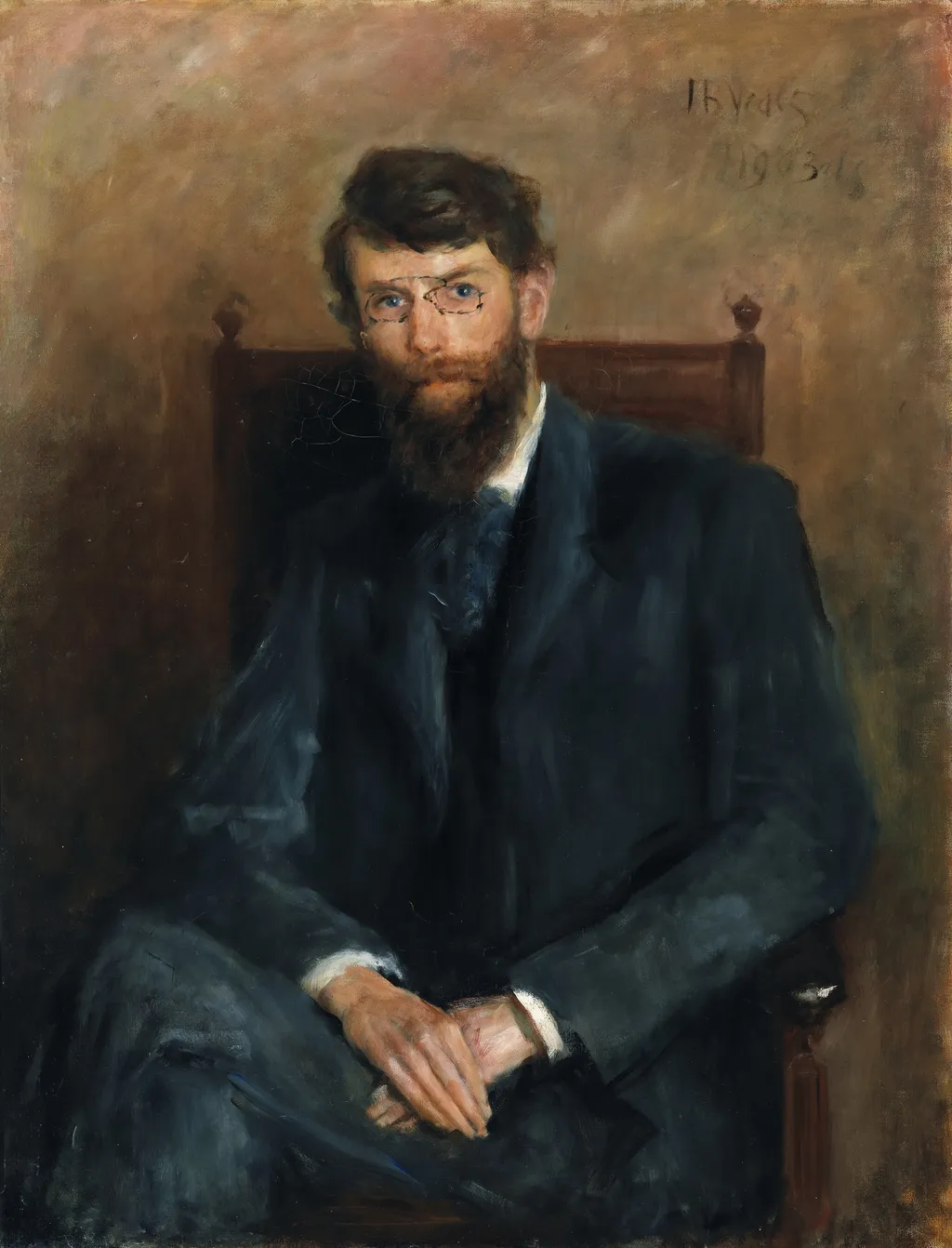
Portrait of AE (George W. Russell) (1867-1935), Poet is an oil painting by the Post-Impressionist artist John Butler Yeats. It dates from 1903 and is held in the collection of the National Gallery of Ireland. Painted in 1903, this oil portrait depicts the Irish poet and mystic George W.
About this work
The painting is a portrait of AE, a poet.
It's interesting that the poet, AE, was also known as George W. Russell, and this portrait was made by John Butler Yeats in 1903. The fact that Yeats painted this portrait suggests he was familiar with the literary circle of his time.
You can learn more about the artist's style by looking up John Butler Yeats.
Overview
Painted in 1903, this oil portrait depicts the Irish poet and mystic George W. Russell, known by the pen name AE. Created by John Butler Yeats, an Irish artist and father of W. B. Yeats, the work belongs to a series of intimate portraits Yeats produced during his time in Dublin. It is held in the National Gallery of Ireland and reflects his engagement with the cultural figures of his circle.
Subject & Meaning
AE, or George W. Russell, was a central figure in the Irish literary revival and a close associate of W. B. Yeats. The portrait captures him in quiet contemplation, suggesting his role as a thinker and spiritual seeker. His gaze is directed outward, neither confrontational nor withdrawn, aligning with his public identity as a poet bridging mysticism and social thought.
Technique & Style
John Butler Yeats employed loose, expressive brushwork and muted tones, characteristic of his post-impressionist approach. The background is softly blurred, drawing focus to the subject’s face and hands. Light falls gently across the features, modeling form without sharp definition. The technique conveys psychological presence over detailed realism, emphasizing mood over precision.
History & Provenance
The painting was completed in 1903 during Yeats’s active years in Dublin, when he frequently portrayed literary and artistic contemporaries. It remained in private hands until acquired by the National Gallery of Ireland, where it has been part of the permanent collection since the mid-20th century. Its provenance reflects its significance within Ireland’s cultural heritage.
Context
In early 20th-century Ireland, artists and writers often collaborated closely. Yeats’s portrait of AE situates the poet within a network of intellectuals engaged in national identity and spiritual exploration. The painting emerges from a time when Dublin was a hub for the Celtic Revival, with figures like Yeats and AE shaping its literary and philosophical currents.
Legacy
This portrait endures as a quiet testament to the intersection of art and literature in modern Ireland. It documents a personal and intellectual bond between two key figures of the era. While not widely reproduced, it remains a touchstone in studies of Irish cultural history and the visual representation of literary figures.
Own this work as a print
Artist & collection
Artist
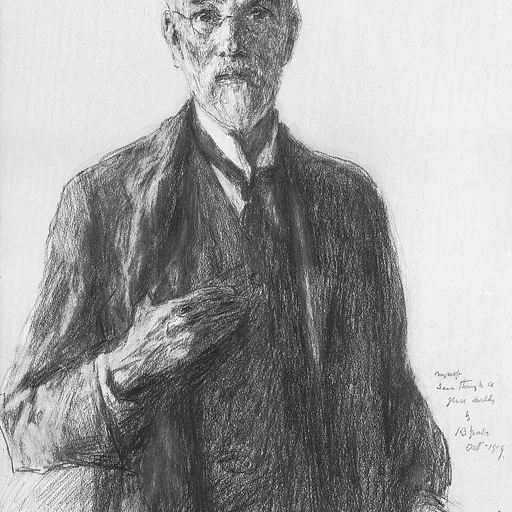
John Butler Yeats RHA (16 March 1839 – 3 February 1922) was an Irish artist and the father of W.

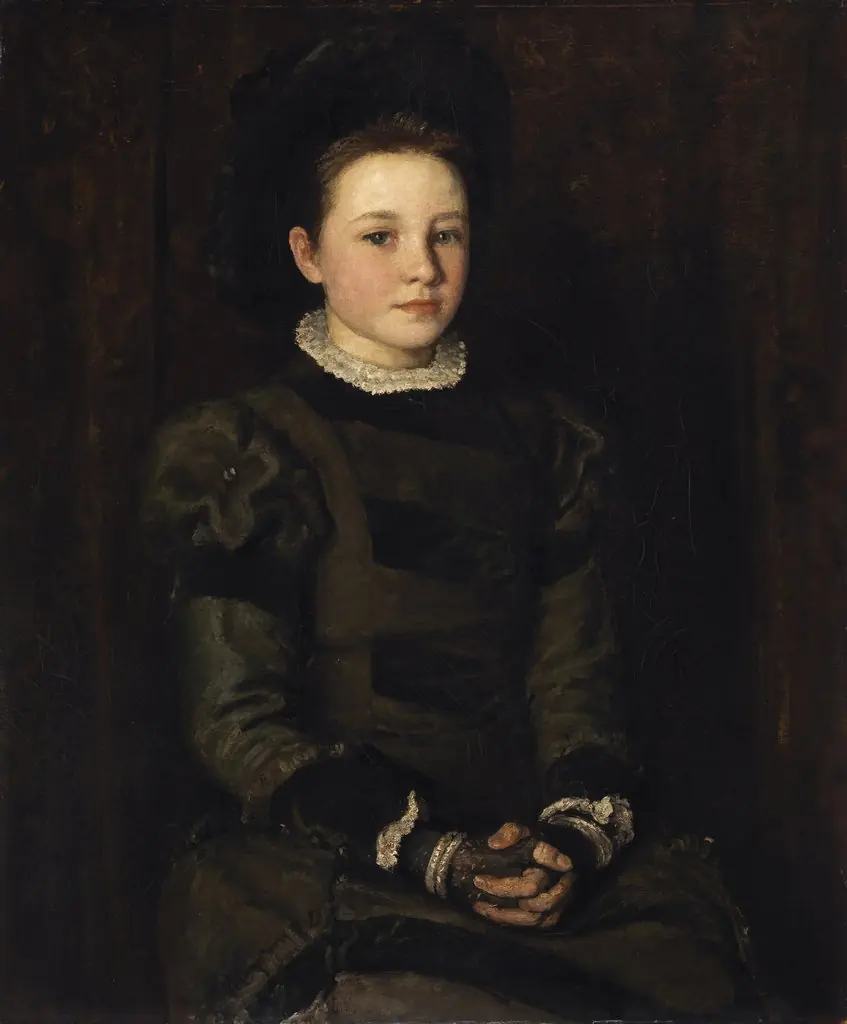 Portrait of Hester Dowden as a Child
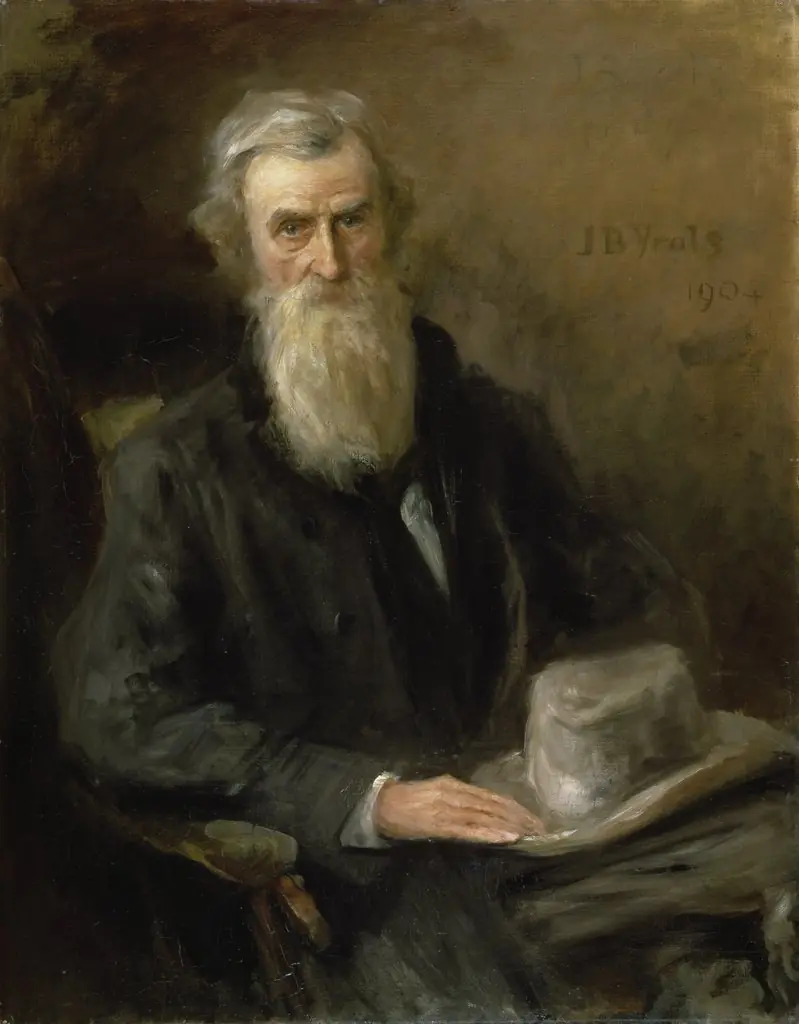 Portrait of John O'Leary (1830-1907), Nationalist and Journalist
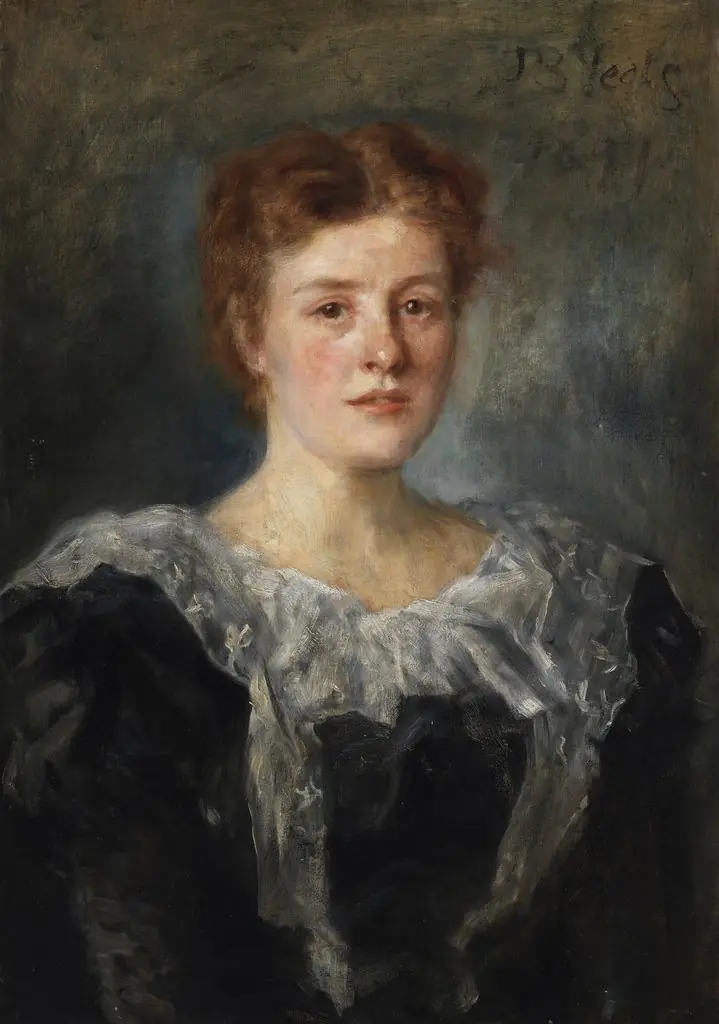 Portrait of Susan Mitchell (1866-1926), Poet
 Portrait of The Artist's Wife, Susan Mary Pollexfen (1841-1900)
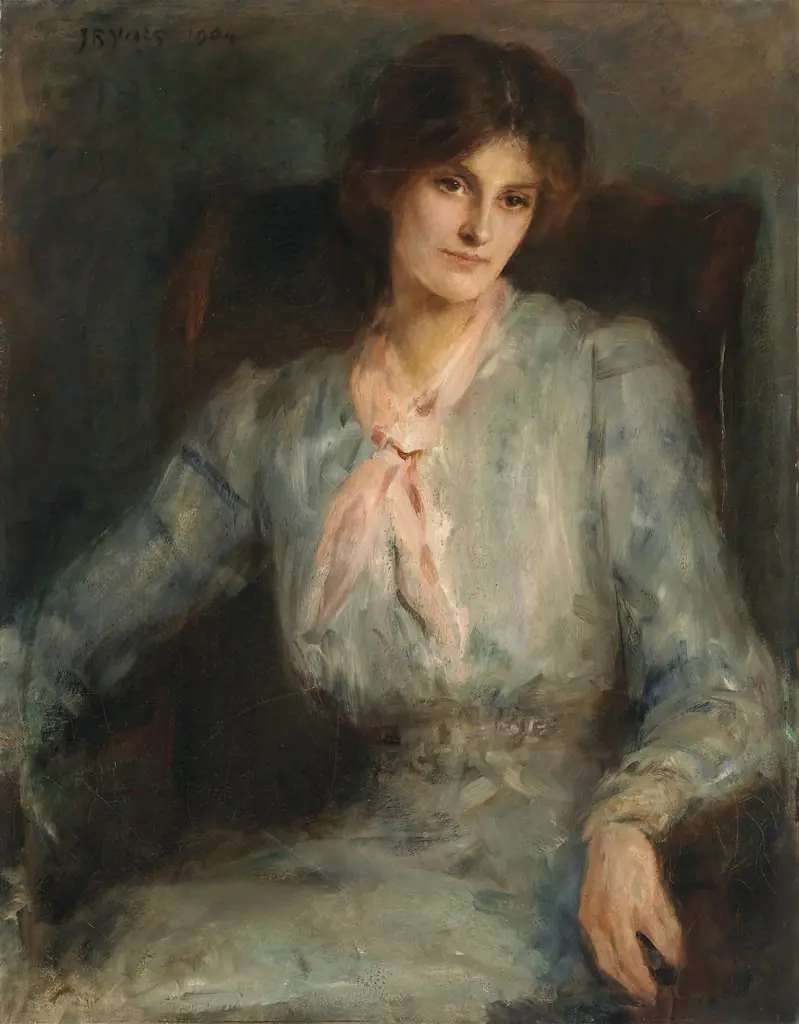 Portrait of Maire Nic Shiubhlaigh (1883-1958), Actress
 Portrait of Jack B. Yeats (1871-1957)
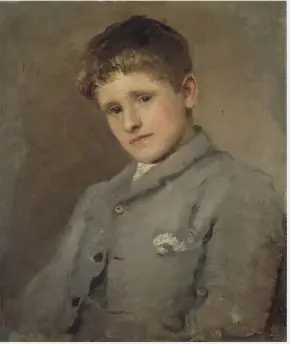 Portrait of Jack B. Yeats (1871-1957) as a Boy
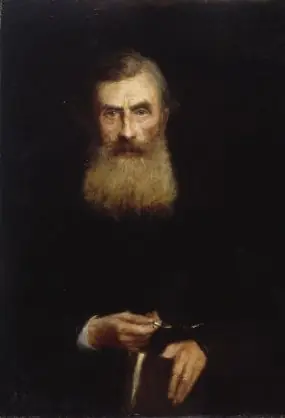 Portrait of John O'Leary (1830-1907) Nationalist and Journalist
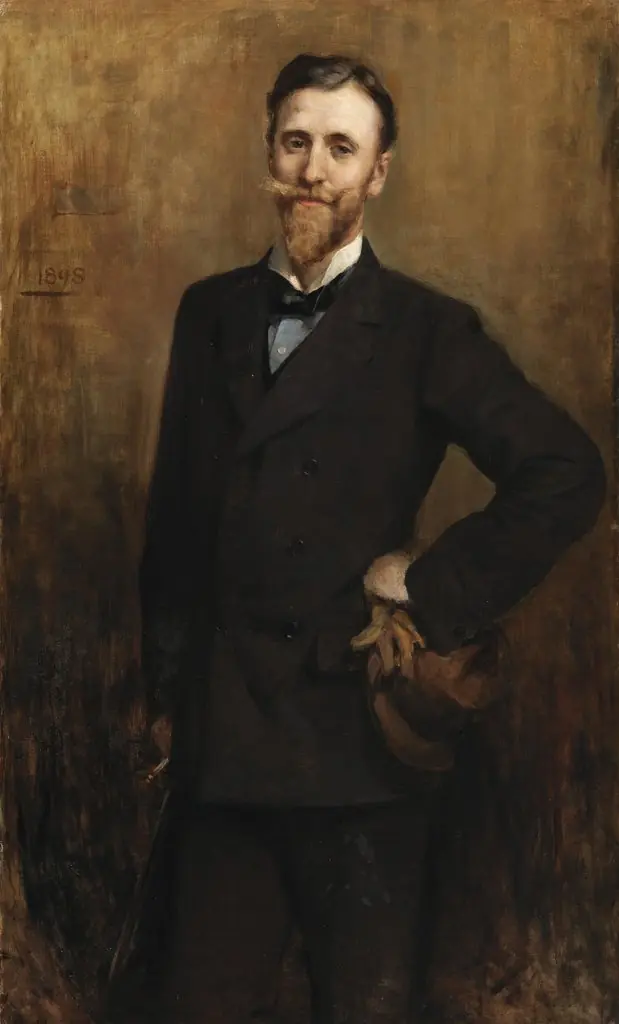 Portrait of T.P. Gill, Journalist, Secretary, Department of Agriculture and Technical Instruction
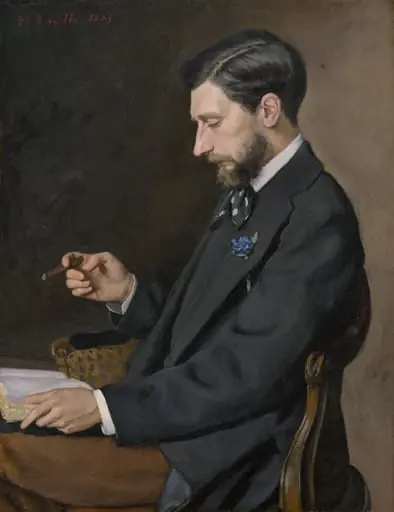 Edmond Maître
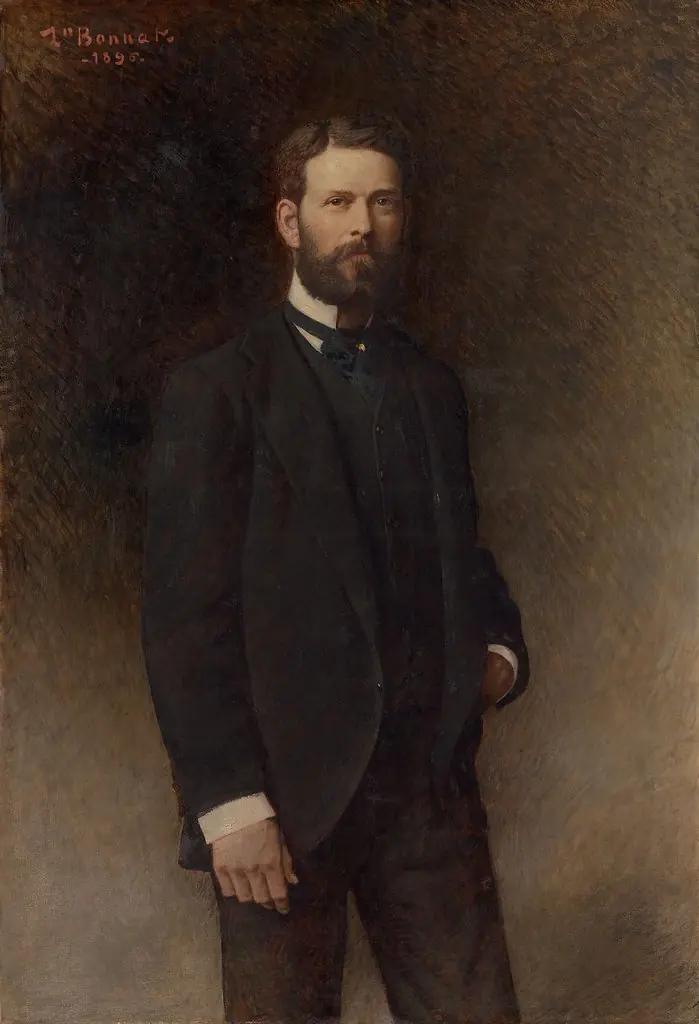 Portrait of Henry Field
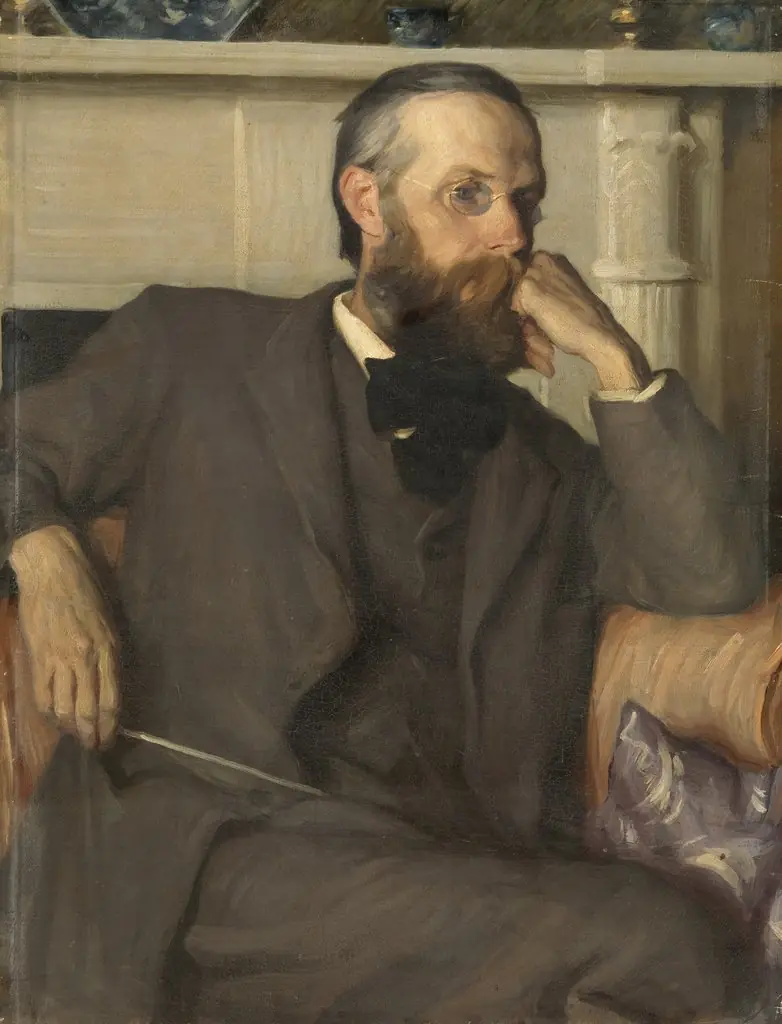 Portrait of Thomas Spring Rice, 2nd Baron Monteagle (1849-1926)
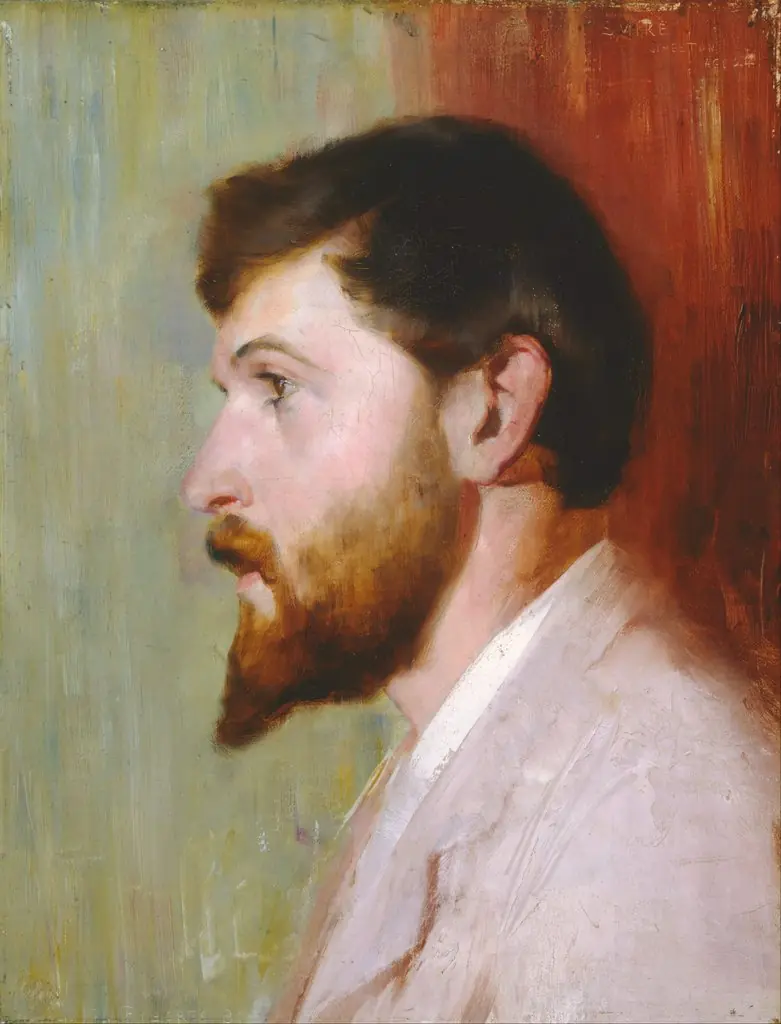 Smike Streeton age 24
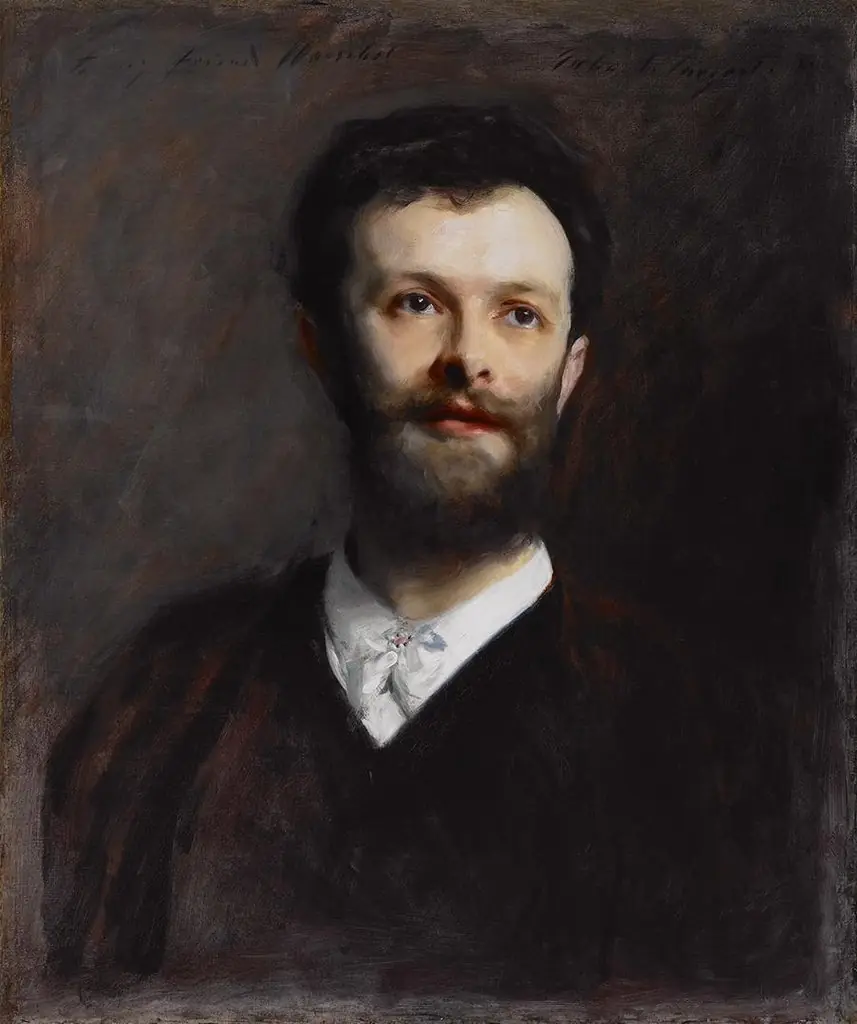 Portrait of George Henschel
 Portrait of Erazm Piltz
 Portrait of the Norwegian Keeper of National Antiquities, Christopher Brinckmann
 Self-Portrait
 Portrait of the Norwegian Keeper of National Antiquities, Christopher Brinckmann
 Self-portrait