Artwork
An Artist's Studio
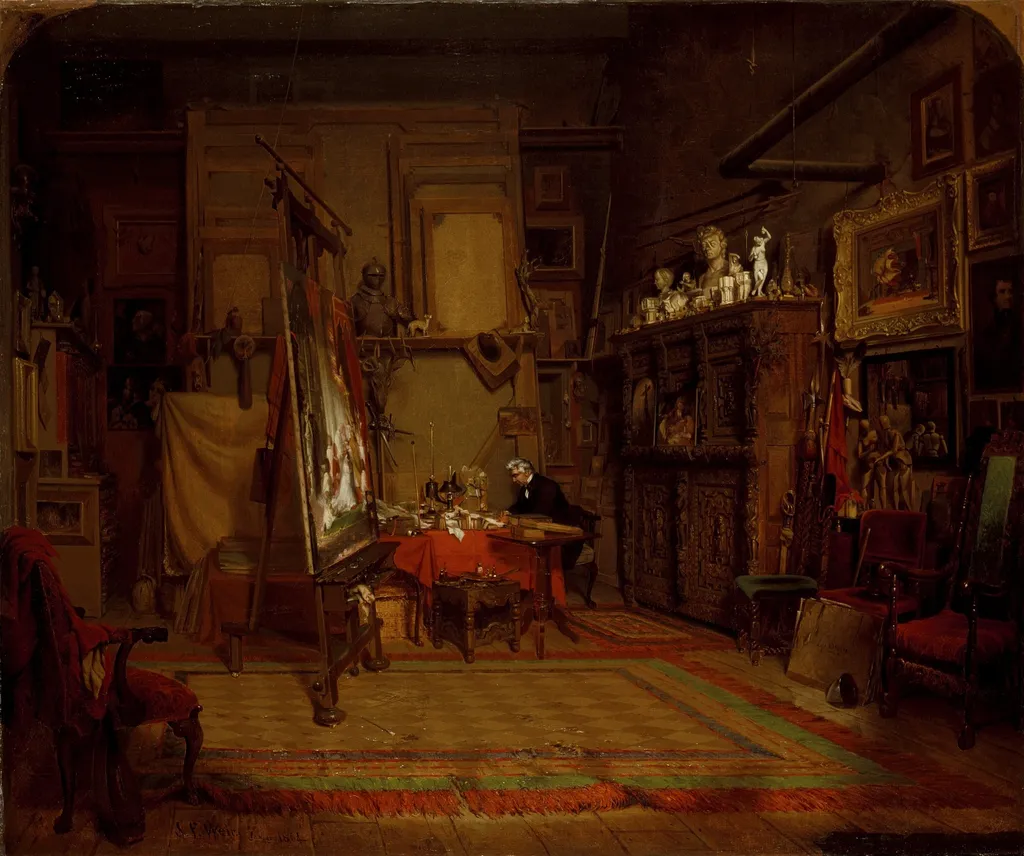
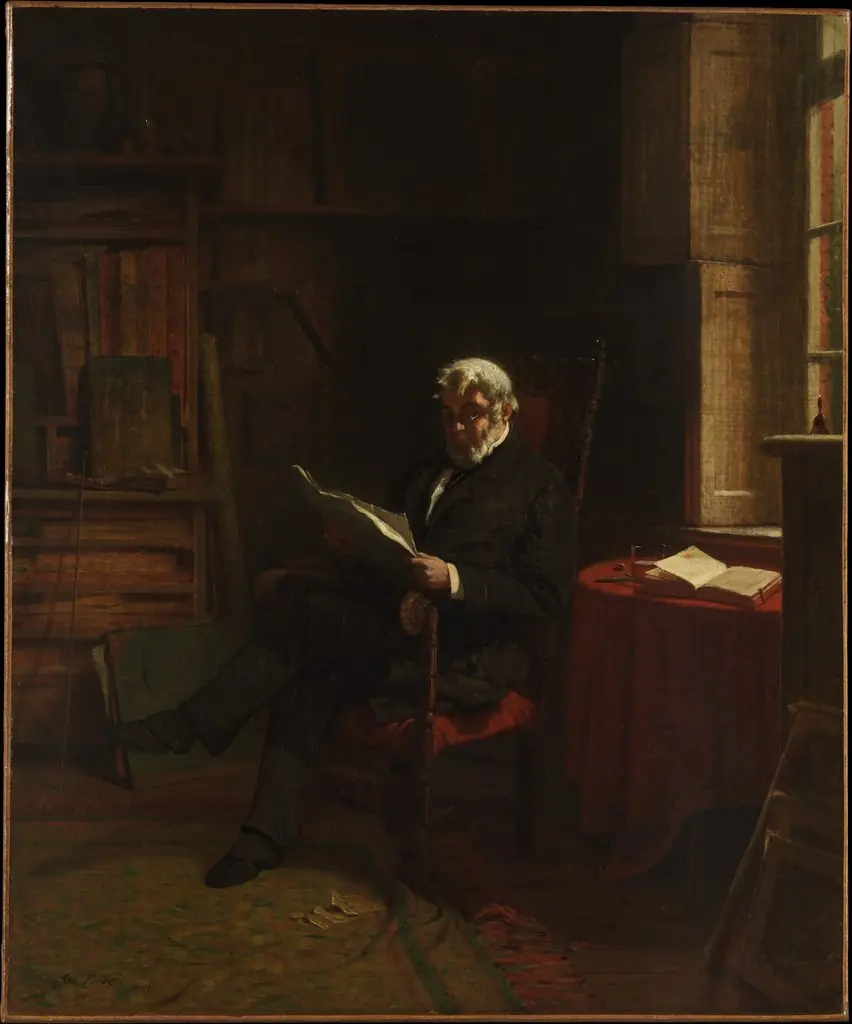
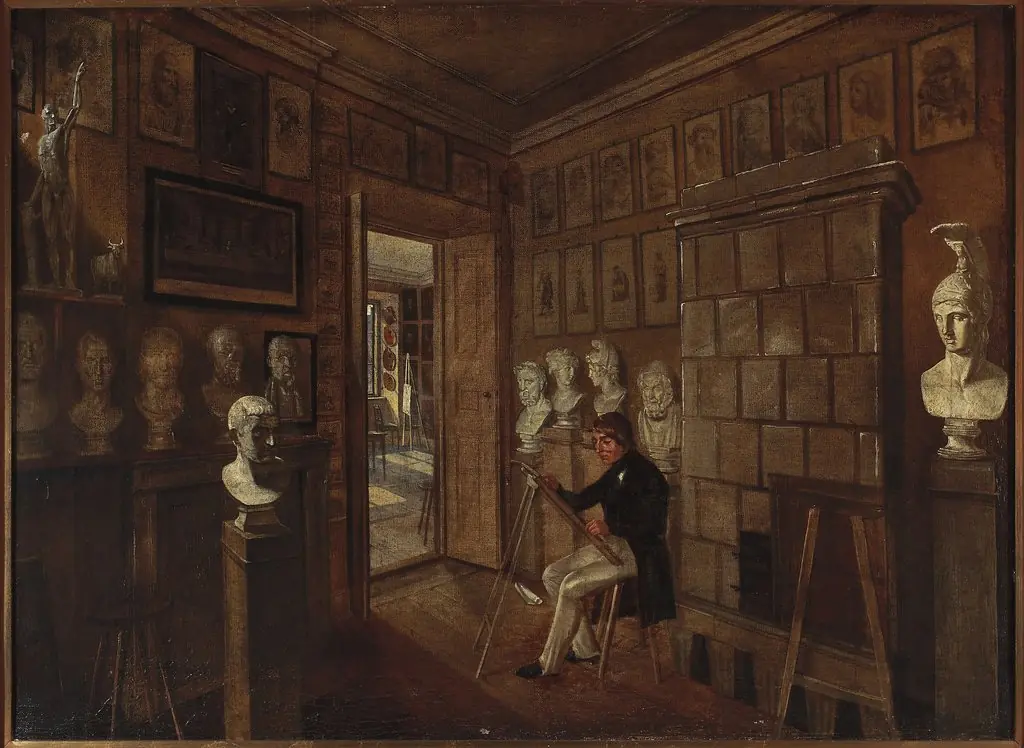
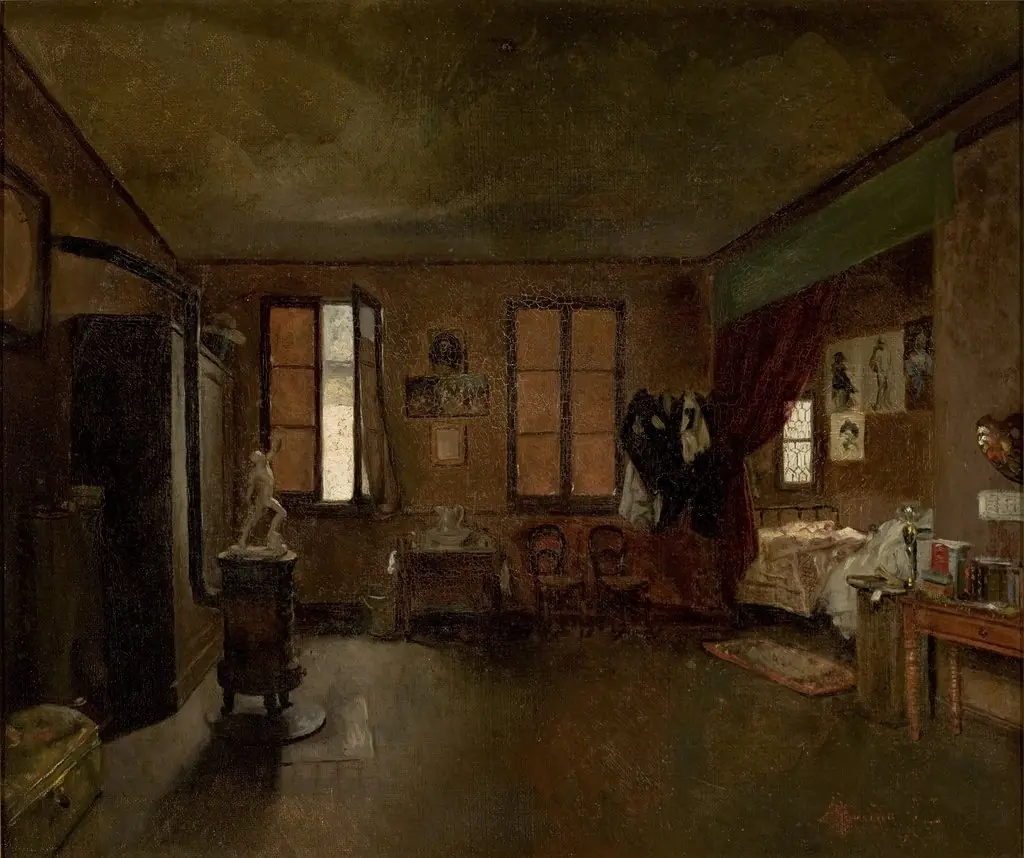
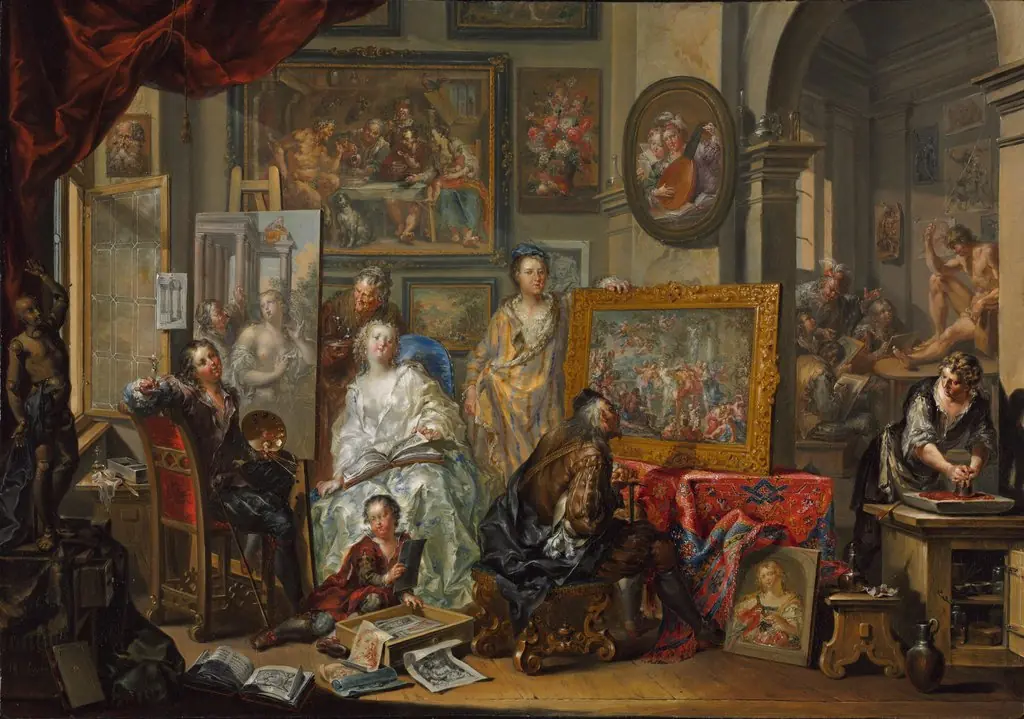
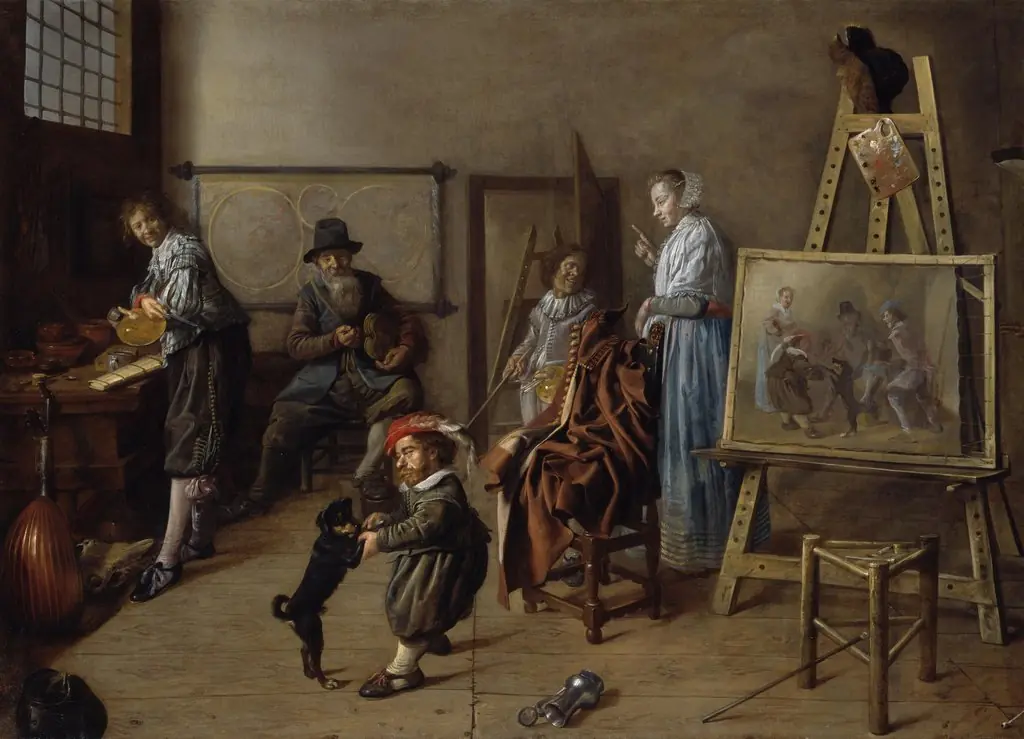
An Artist's Studio is an unspecified painting by the Hudson River School artist John Ferguson Weir. It dates from 1864 and is held in the collection of the Los Angeles County Museum of Art.
About this work
Overview
It is now part of the Los Angeles County Museum of Art’s collection, representing Weir’s role as both practitioner and educator in 19th-century American art.
John Ferguson Weir painted *An Artist's Studio* in 1864, capturing the interior of a working creative space during a period when American art was developing its own identity. The work reflects the influence of European academic traditions and the Hudson River School’s attention to detail and atmosphere. It is now part of the Los Angeles County Museum of Art’s collection, representing Weir’s role as both practitioner and educator in 19th-century American art.
Subject & Meaning
The painting depicts a solitary figure seated at a cluttered table, surrounded by brushes, palettes, sculptures, and framed artworks. The scene suggests contemplation rather than active creation, emphasizing the studio as a place of reflection and accumulated experience. The absence of external references or narrative context invites focus on the quiet rituals of artistic life, framing the studio as a sanctuary of discipline and memory.
Technique & Style
Weir employs chiaroscuro to model forms and define spatial depth, directing light toward key objects like tools and sculptures while leaving corners in shadow. Warm wood tones and muted earth colors unify the composition, creating a sense of intimacy. The brushwork is precise yet unobtrusive, favoring texture and tonal gradation over dramatic flair. This restrained approach aligns with academic training and the period’s preference for quiet realism.
History & Provenance
Weir, born into a family of artists, was the son of Robert Walter Weir and brother of J. Alden Weir, both significant figures in American art. He studied in Europe and later taught at Yale, helping shape institutional art education. *An Artist's Studio* was likely painted during his early career, reflecting his immersion in studio practice. The painting entered LACMA’s collection through documented acquisitions, preserving its connection to 19th-century American artistic circles.
Context
In the mid-19th century, American artists increasingly sought to legitimize their profession through depictions of their own working environments. Studios became symbols of intellectual and creative autonomy. Weir’s painting aligns with this trend, echoing European precedents while asserting a distinctly American domesticity. The emphasis on order and quiet labor contrasts with the grandeur of landscape painting, offering a quieter, more personal vision of artistic identity.
Legacy
Though less widely known than his contemporaries, Weir’s studio scenes contributed to a genre that documented the everyday reality of artistic life. His work influenced later generations of American painters who turned inward to explore the conditions of creation. *An Artist's Studio* remains a quiet testament to the discipline and solitude underpinning artistic practice, valued for its sincerity rather than spectacle.
Own this work as a print
Artist & collection
Artist
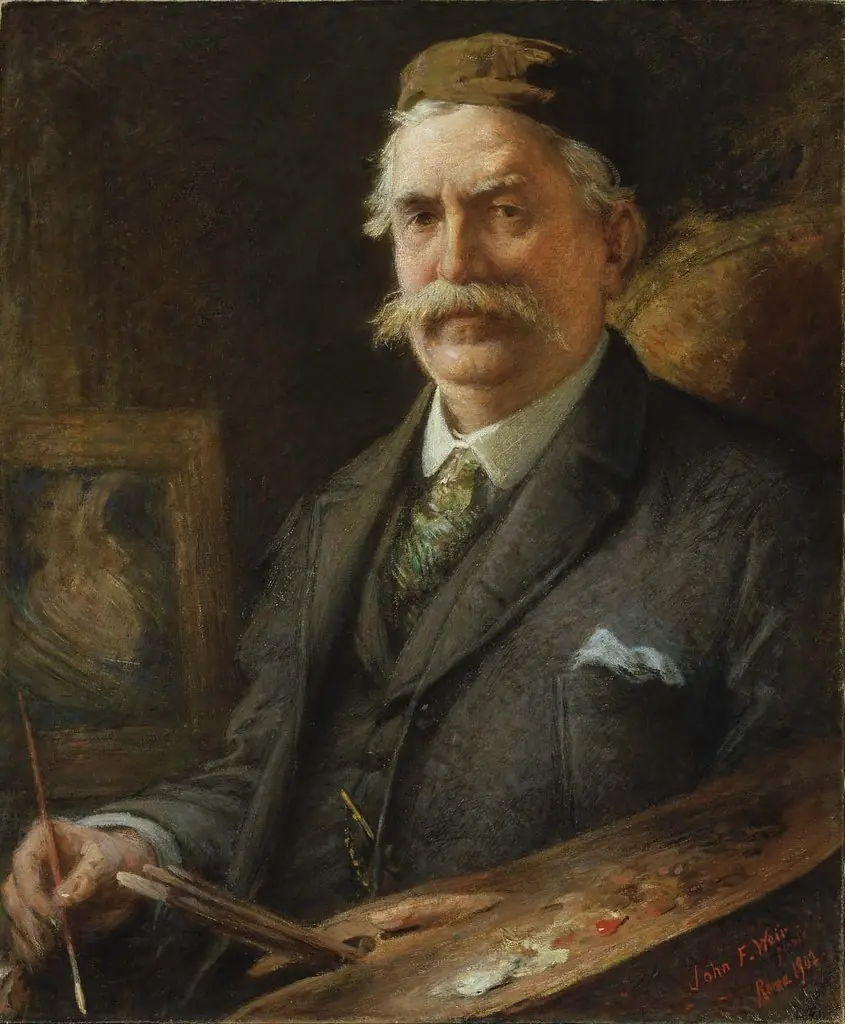
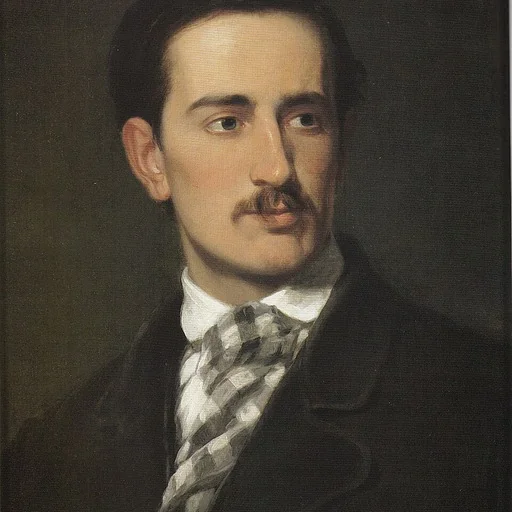
John Ferguson Weir (August 28, 1841 – April 26, 1926) was an American painter, sculptor, writer, and educator.