Artwork
Almy's Pond, Newport
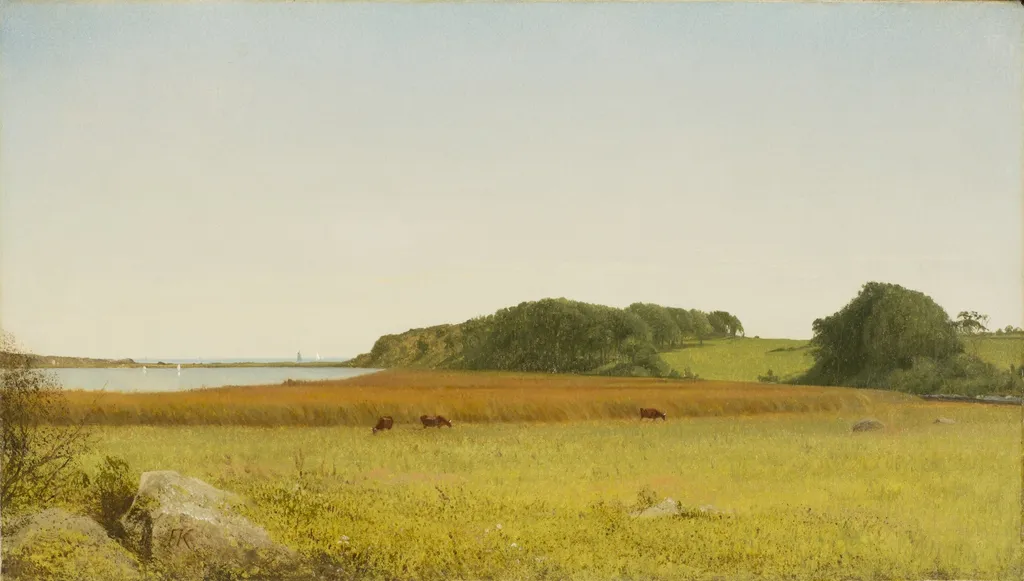
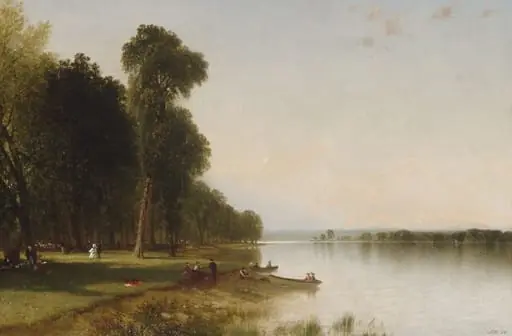
Almy's Pond, Newport is an oil painting by John Frederick Kensett. It dates from 1860 and is held in the collection of the Los Angeles County Museum of Art.
About this work
Overview
John Frederick Kensett painted Almy's Pond, Newport in 1860 using oil on canvas. The work captures a tranquil scene in Newport, Rhode Island, centered on a still pond framed by natural elements. It is part of the collection at the Los Angeles County Museum of Art, where it exemplifies Kensett’s quiet, observational approach to American landscape painting during the mid-nineteenth century.
Subject & Meaning
The painting presents a modest, unidealized stretch of water bordered by dry grass, scattered rocks, and a line of vegetation.
The painting presents a modest, unidealized stretch of water bordered by dry grass, scattered rocks, and a line of vegetation. Three cows graze near the shore, their presence grounding the scene in everyday rural life. The absence of human figures and the gentle stillness of the water suggest contemplation rather than narrative, reflecting a quiet reverence for the natural world as it exists without dramatic intervention.
Technique & Style
Kensett employed soft, blended brushwork and subtle tonal transitions to evoke a sense of calm. The sky and water are rendered with delicate glazes, creating a luminous, atmospheric effect. Light falls gently across the grass and surface of the pond, indicating the low angle of morning or evening sun. The composition avoids sharp contrasts, favoring harmony and muted hues to reinforce the scene’s serenity.
History & Provenance
Created in 1860, the painting remained in private hands for much of its early history before entering the collection of the Los Angeles County Museum of Art. Its journey reflects the growing appreciation for Luminist works in the twentieth century, though it was never widely exhibited during Kensett’s lifetime. The painting’s preservation has allowed continued study of his restrained aesthetic within the context of American landscape traditions.
Context
Almy’s Pond emerged during a period when American artists were turning away from grand, romanticized vistas toward intimate, localized scenes. Kensett, associated with the Hudson River School, focused on the quiet beauty of coastal New England. His work aligned with broader cultural shifts toward introspection and the spiritual value of ordinary natural settings, distinct from the more dramatic landscapes of his contemporaries.
Legacy
The painting contributes to the recognition of Luminism as a distinct tendency within American art, characterized by stillness, light, and meticulous surface treatment. While not widely known to the public, Almy’s Pond is referenced in scholarly discussions of 19th-century landscape techniques and the evolution of American visual culture. Its understated presence continues to inform how quietude and observation are valued in landscape representation.
Artist & collection

Artist
John Frederick Kensett was an American landscape painter and engraver born in Cheshire, Connecticut.

 Zealand Landscape. Open Country in North Zealand
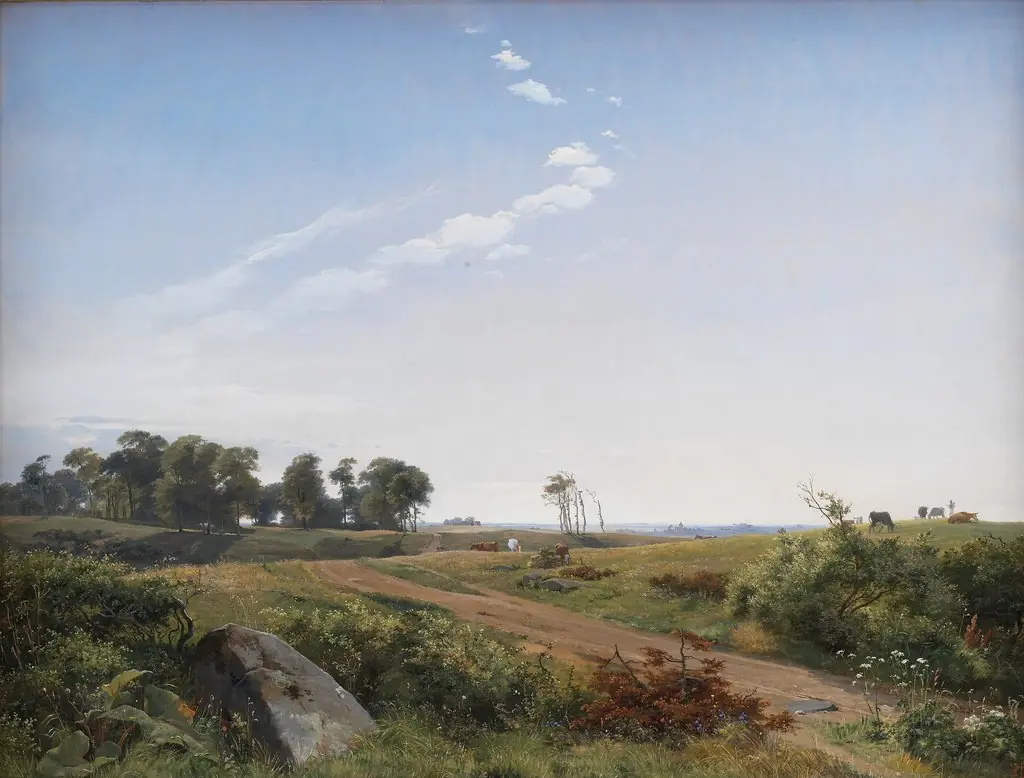 Zealand Landscape. Open Country in North Zealand
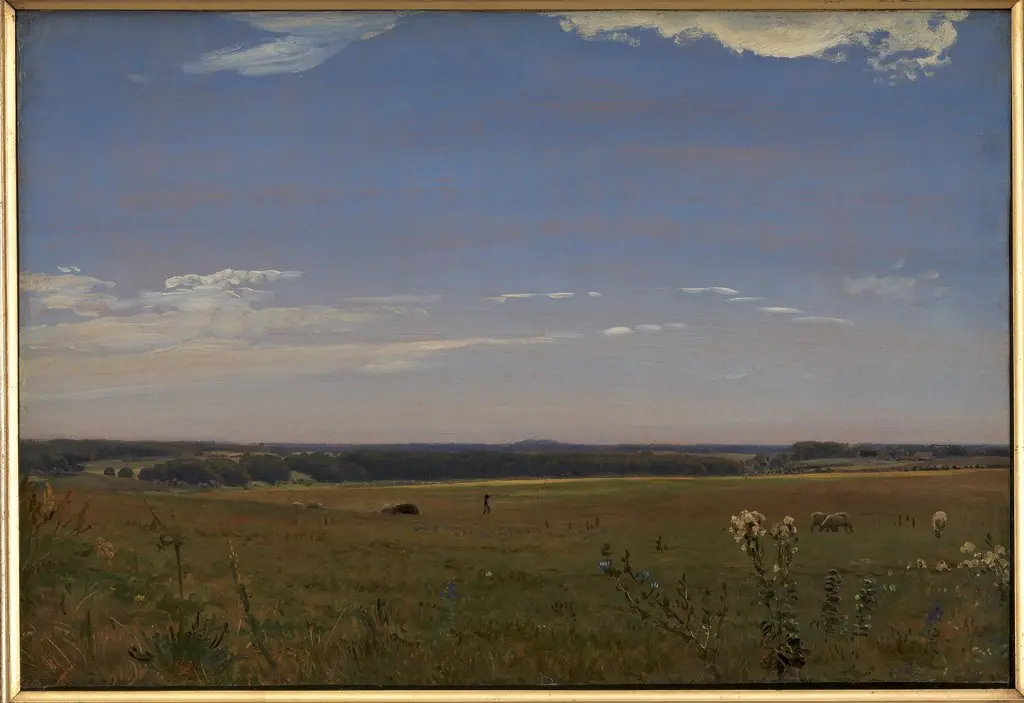 Udsigt mod herregården Beldringe
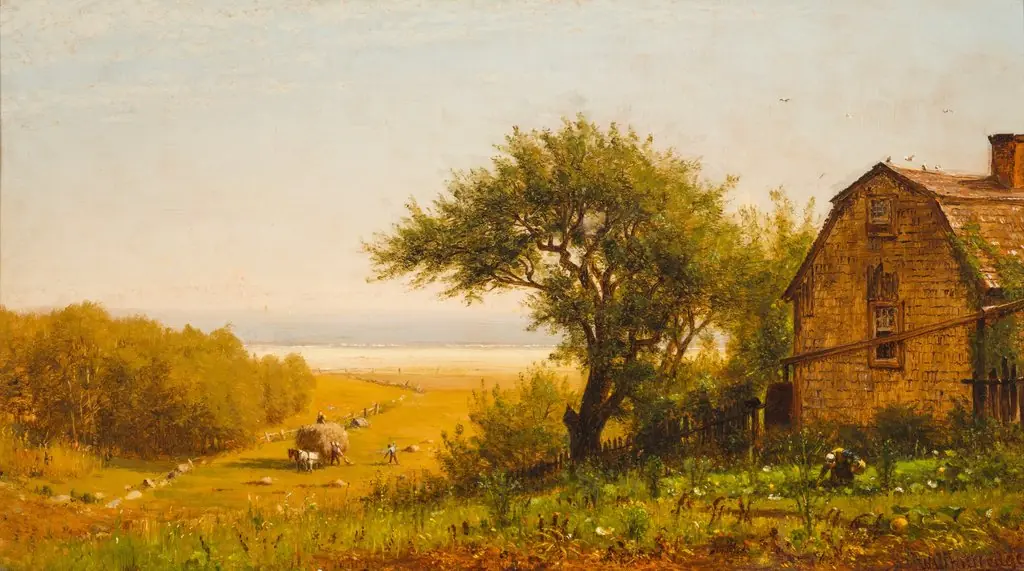 A Home by the Seaside
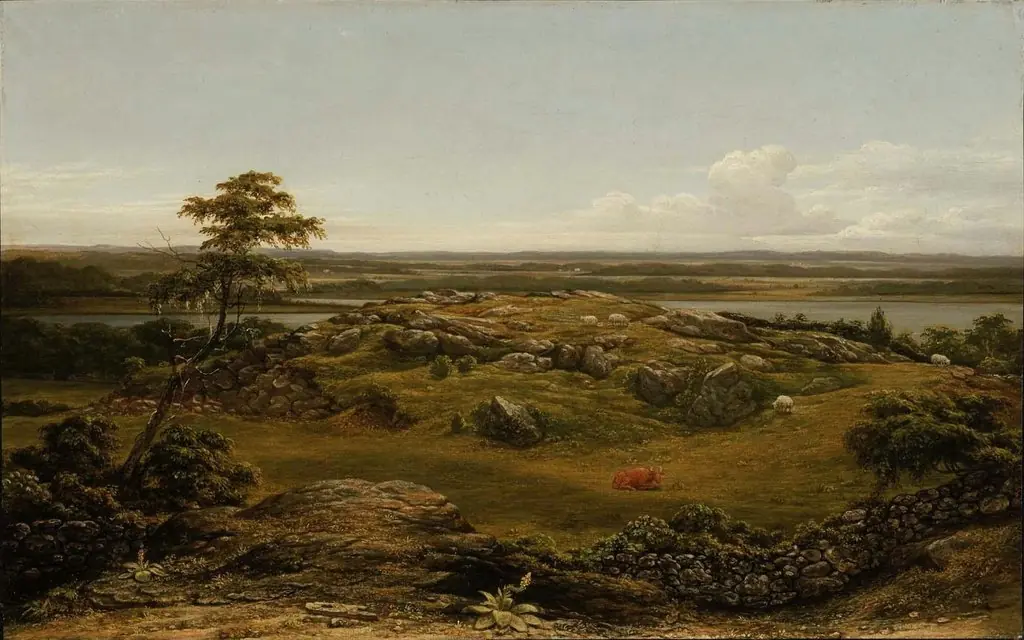 Rocks in New England
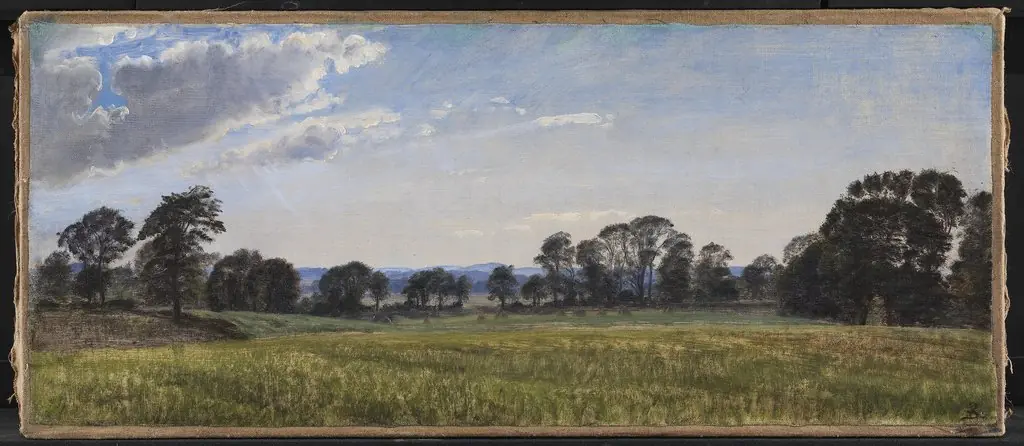 Engene ved Dortheaslyst
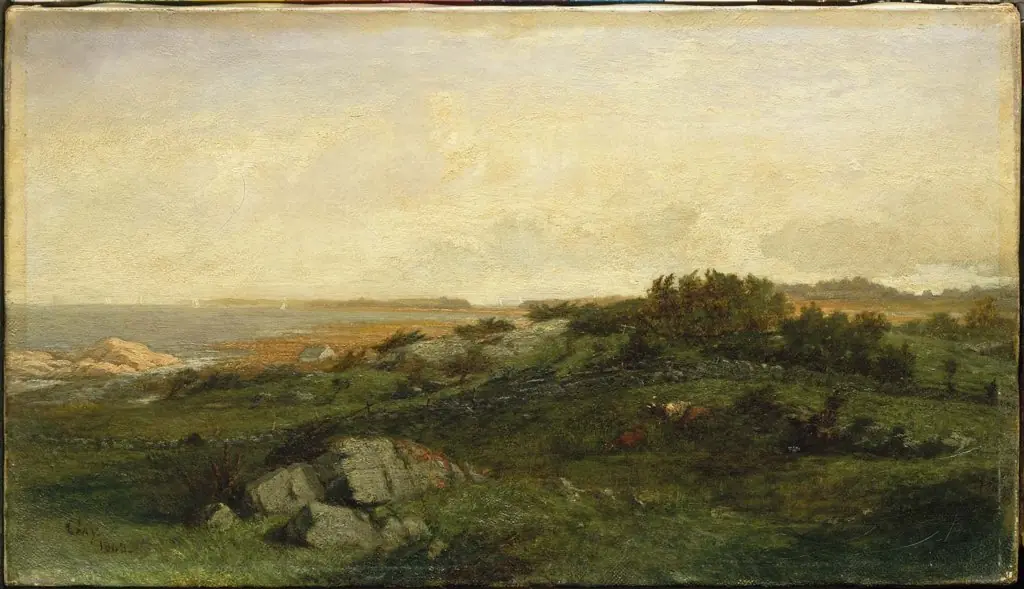 By the Sea
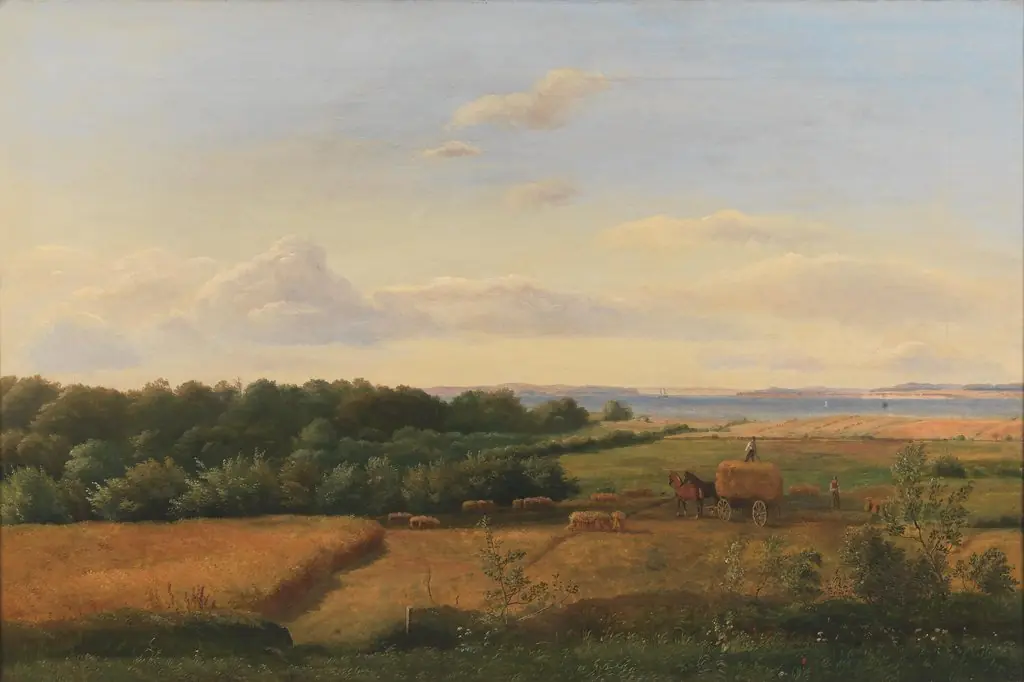 A Funen Landscape at Harvest Time with Wedellsborghoved in the Background
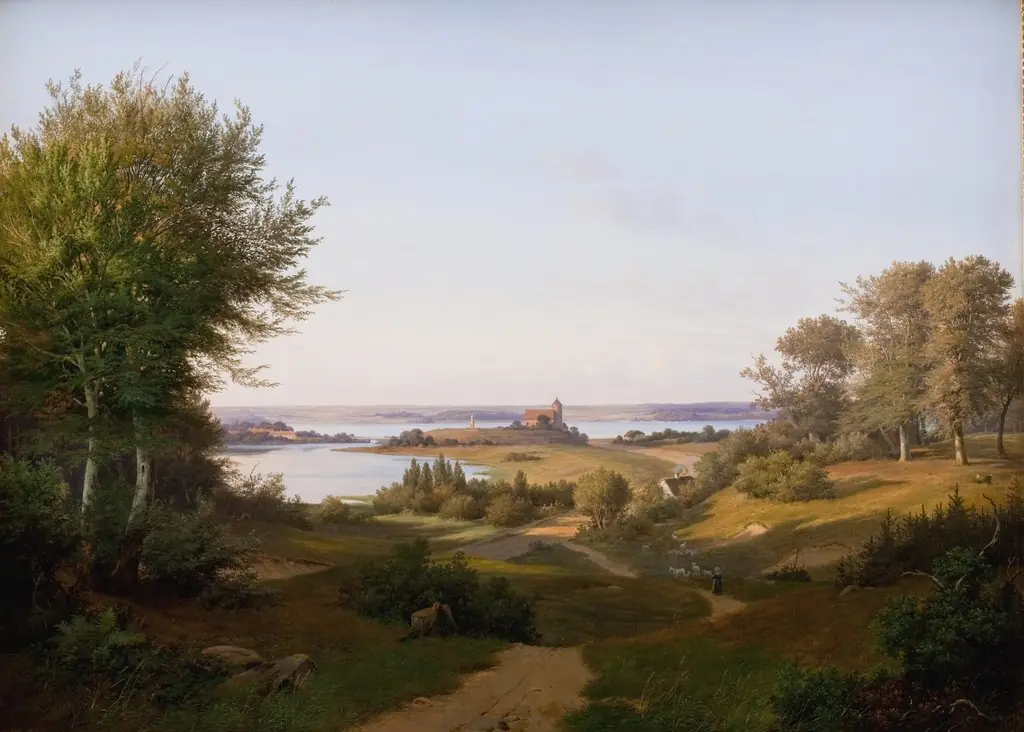 View of the Hill at Skanderborg Castle, Jutland, and the Memorial to frederik VI
 Opklarende vejr efter en regnbyge ved Gurre Sø
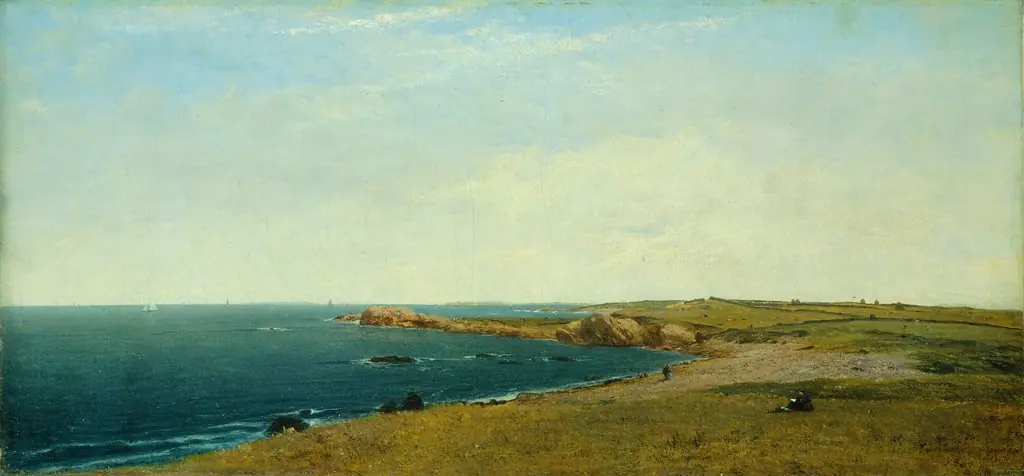 Near Newport