Artwork
Aloys Senefelder, Inventor of Lithography
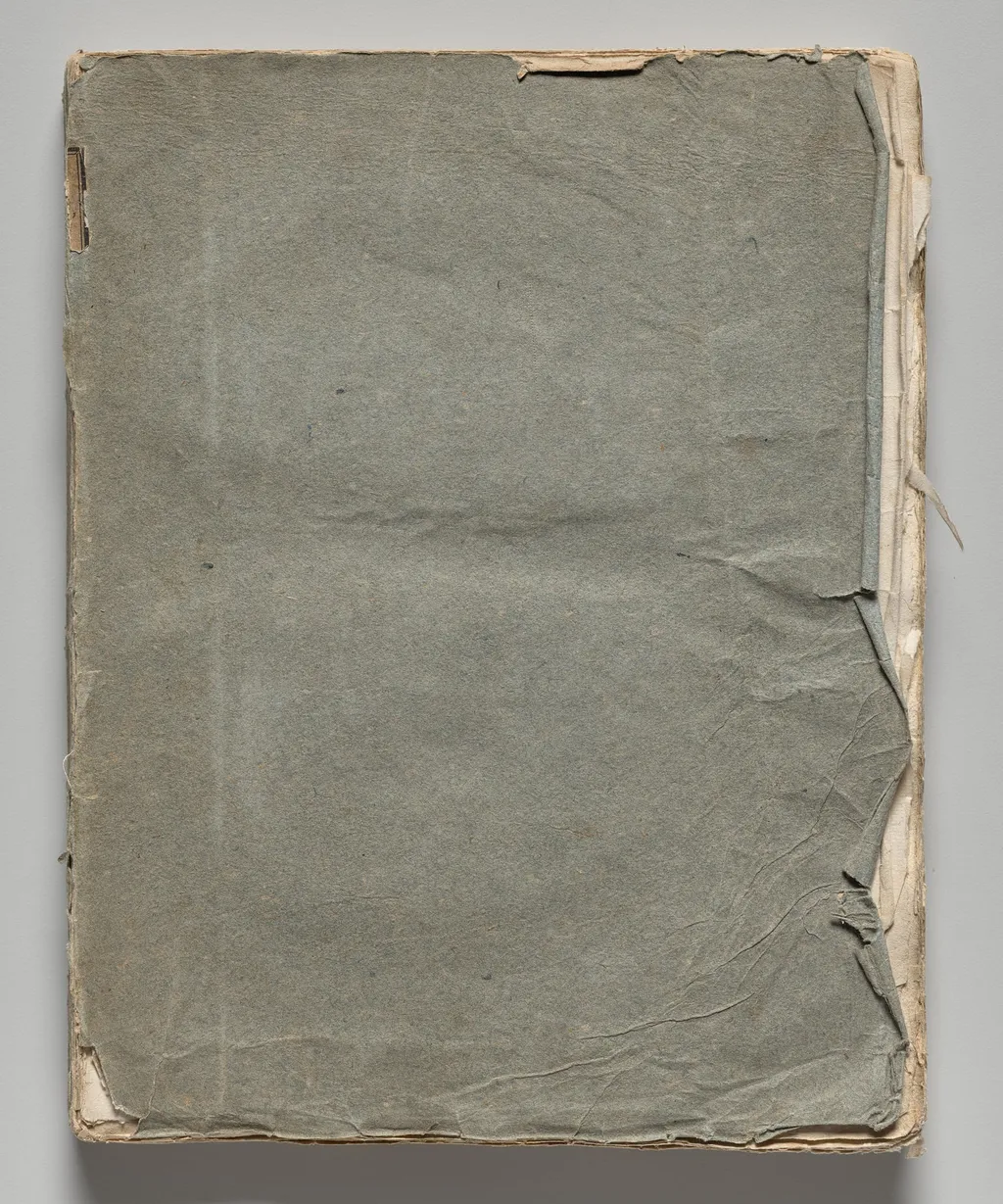
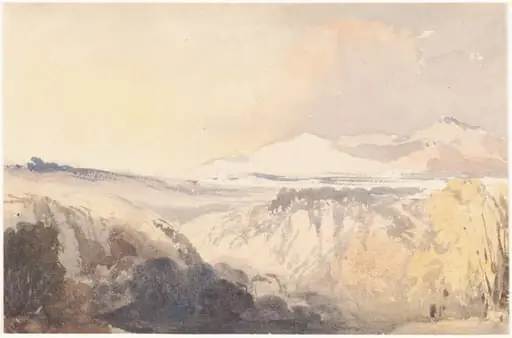
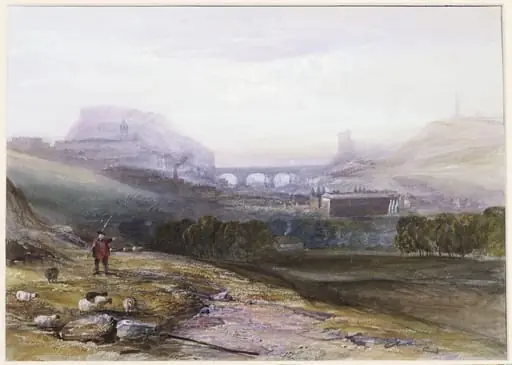
Aloys Senefelder, Inventor of Lithography is a print by the Romanticist artist John Gendall. It dates from 1819 and is held in the collection of the Cleveland Museum of Art.
About this work
The painting shows a man sitting at a desk, surrounded by papers and books. He is wearing a white shirt and a dark jacket, and has a serious expression on his face.
The man is Aloys Senefelder, the inventor of lithography. The painting is a portrait of him, created in 1819 by John Gendall.
To learn more about the artist who painted Aloys Senefelder, look up John Gendall.
Overview
The work commemorates Senefelder’s development of lithography, a printing technique that revolutionized graphic reproduction.
John Gendall, a British artist known for his landscape depictions of Devon, painted a portrait of Aloys Senefelder in 1819. The work commemorates Senefelder’s development of lithography, a printing technique that revolutionized graphic reproduction. Though Gendall primarily focused on natural scenery, this portrait reflects his engagement with contemporary intellectual and technological advances in London’s artistic circles during the early 19th century.
Subject & Meaning
The portrait depicts Aloys Senefelder seated at a cluttered desk, surrounded by papers and books, conveying a sense of scholarly focus. His attire—a white shirt and dark jacket—suggests modest professionalism. The serious expression and organized workspace emphasize his role as an inventor rather than a celebrated figure, underscoring the quiet, methodical nature of his contribution to print technology.
Technique & Style
Gendall rendered the portrait in oil on canvas, employing a restrained palette and precise brushwork to capture texture and form. The lighting falls naturally on Senefelder’s face and hands, drawing attention to his contemplative demeanor. Background elements are softly blurred, keeping focus on the subject. The composition reflects early 19th-century portraiture conventions, prioritizing dignity and intellectual presence over theatricality.
History & Provenance
Painted in 1819, the portrait entered the collection of The Cleveland Museum of Art at an unspecified date. Its journey from Gendall’s studio to institutional ownership remains undocumented in public records. The painting’s survival and preservation suggest early recognition of Senefelder’s significance, even if Gendall himself was not widely celebrated beyond regional circles in Devon.
Context
In the early 1800s, lithography was gaining traction as a cost-effective method for reproducing text and images, especially in publishing and music. Senefelder’s invention, developed in the 1790s, was still relatively new when Gendall painted his portrait. Artists and printers across Europe were adopting the technique, making Senefelder a symbolic figure of innovation—even if his public recognition lagged behind his impact.
Legacy
Though John Gendall’s name is largely associated with Devon landscapes, this portrait endures as a rare visual record of the man behind lithography. It serves as a quiet testament to the intersection of art and technology in the Industrial Age. The image continues to be referenced in historical accounts of printmaking, preserving Senefelder’s contribution beyond the technical manuals he authored.
Artist & collection
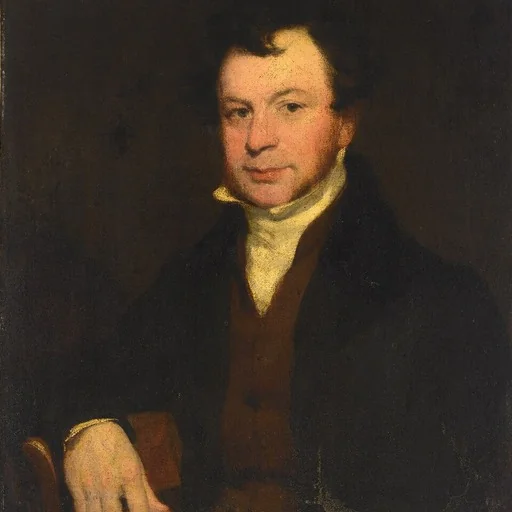
Artist
John Gendall (c. 1790 – 1 March 1865) was a British painter known particularly for his landscapes of Devon. Gendall was involved in the early use of lithography in London. He was born and died in Exeter, where he…