Artwork
Miss Charlotte Papendick as a Child
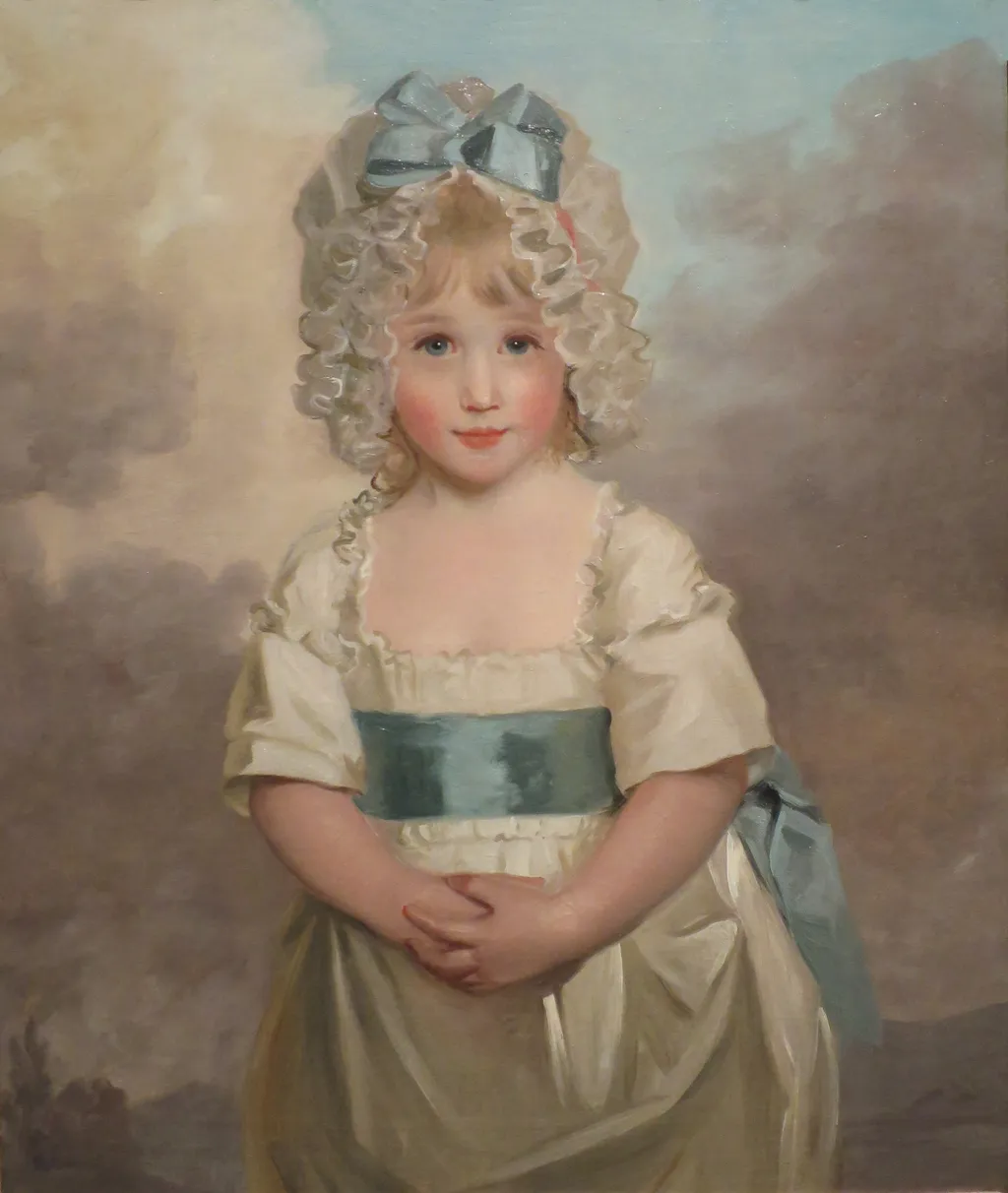
Miss Charlotte Papendick as a Child is an oil painting by the Rococo painting artist John Hoppner. It dates from 1794 and is held in the collection of the Los Angeles County Museum of Art.
About this work
Overview
It reflects Hoppner’s reputation for sensitive depictions of children, rendered with a quiet formality typical of late 18th-century British portraiture.
Painted in 1794 by English artist John Hoppner, this oil portrait depicts Charlotte Papendick as a young girl. The work is part of the collection at the Los Angeles County Museum of Art. It reflects Hoppner’s reputation for sensitive depictions of children, rendered with a quiet formality typical of late 18th-century British portraiture. The painting’s composition and tonal balance emphasize the subject’s poise and youth.
Subject & Meaning
Charlotte Papendick, daughter of a court official, is portrayed in a moment of stillness, her gaze meeting the viewer with calm directness. Her attire—a white dress and elaborate bow—signals aristocratic upbringing and formal presentation. The clasped hands suggest decorum and restraint, common expectations for young girls of her social standing. The portrait functions less as a personal snapshot than as a statement of status and refinement.
Technique & Style
Hoppner employs subtle chiaroscuro to model the girl’s face and dress, creating soft transitions between light and shadow. The brushwork is refined but not overly detailed, favoring a gentle realism over theatricality. The muted background isolates the figure, focusing attention on her expression and costume. The texture of the fabric and the sheen of the bow are rendered with quiet precision, characteristic of Hoppner’s approach to child portraiture.
History & Provenance
The painting was completed in 1794, during Hoppner’s period of prominence as a portraitist to British elite families. Charlotte Papendick’s father served in the royal household, which likely facilitated the commission. The work remained in private hands for much of its history before entering LACMA’s collection, where it has been preserved as an example of Georgian-era portraiture.
Context
In late 18th-century England, portraits of children often served to affirm family lineage and social position. Hoppner, influenced by Reynolds and Gainsborough, balanced idealization with psychological nuance. This portrait aligns with a broader trend of depicting children not as miniature adults but as distinct, tender figures—still bound by the conventions of class and propriety.
Legacy
Though not widely exhibited, the portrait remains a representative example of Hoppner’s skill in capturing childhood with dignity and restraint. It contributes to scholarly understanding of how British aristocratic families used art to project identity. The work continues to be studied for its technical subtlety and its reflection of social norms surrounding youth and gender in the Georgian era.
Own this work as a print
Artist & collection

Artist
John Hoppner (4 April 1758 – 23 January 1810) was an English painter, much influenced by Joshua Reynolds, who achieved fame as a colourist.

 The Hoppner Children
 The Sackville Children
 Richard Humphreys, the Boxer
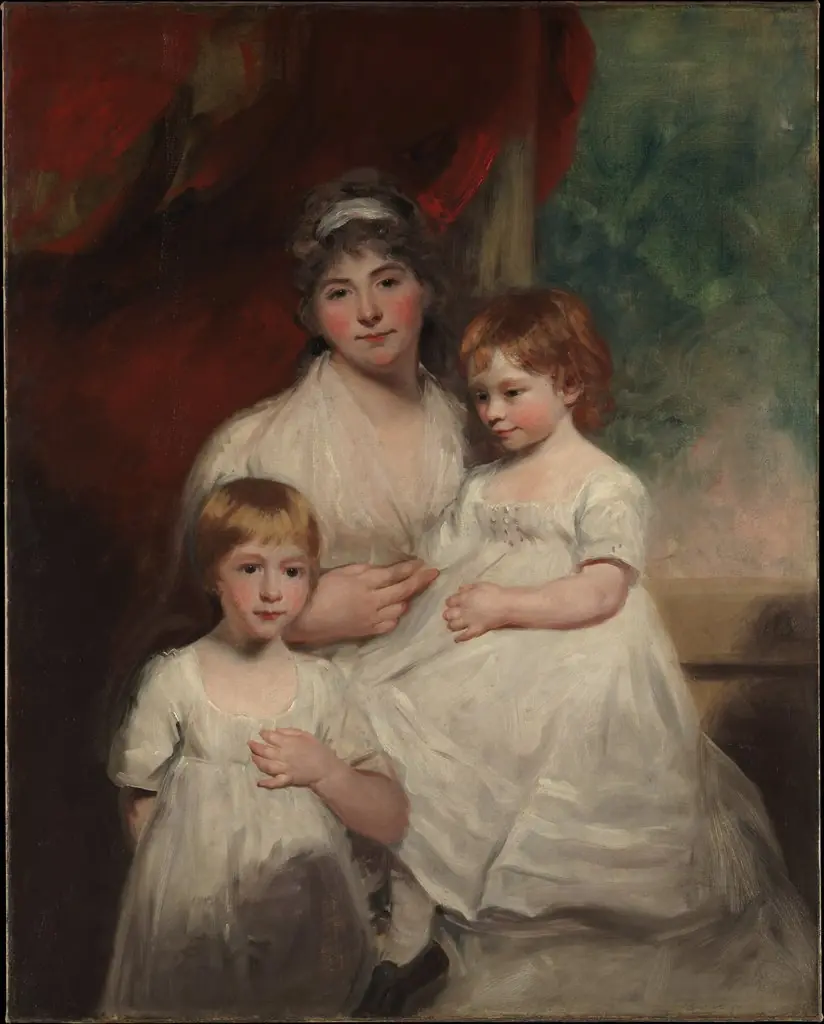 Mrs. John Garden (Ann Garden, 1769–1842) and Her Children, John (1796–1854) and Ann Margaret (born 1793)
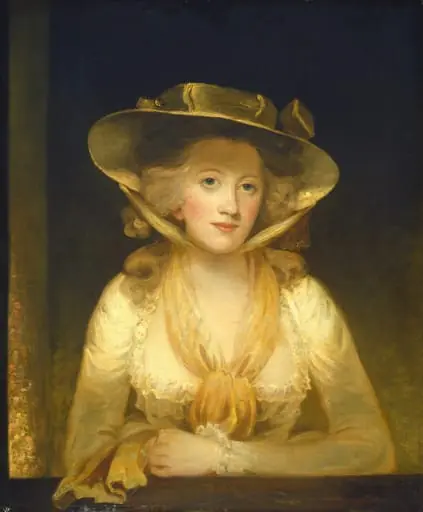 Lady Cunliffe
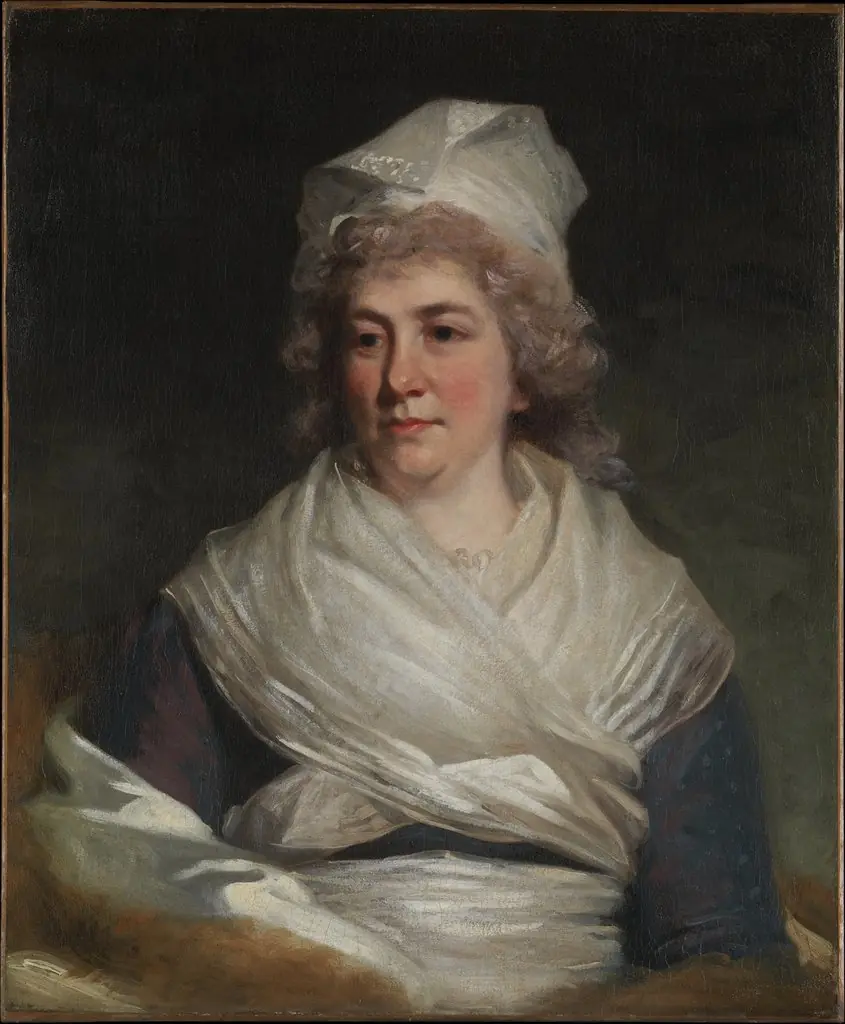 Mrs. Richard Bache (Sarah Franklin, 1743–1808)
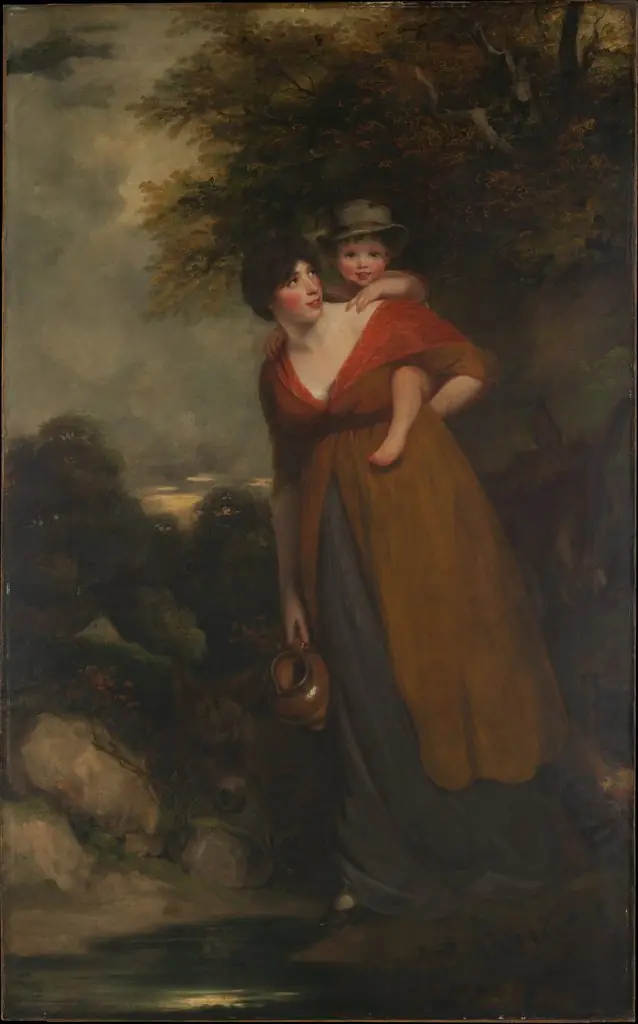 Mrs. Richard Brinsley Sheridan (Hester Jane Ogle, 1775/76–1817) and Her Son (Charles Brinsley Sheridan, 1796–1843)
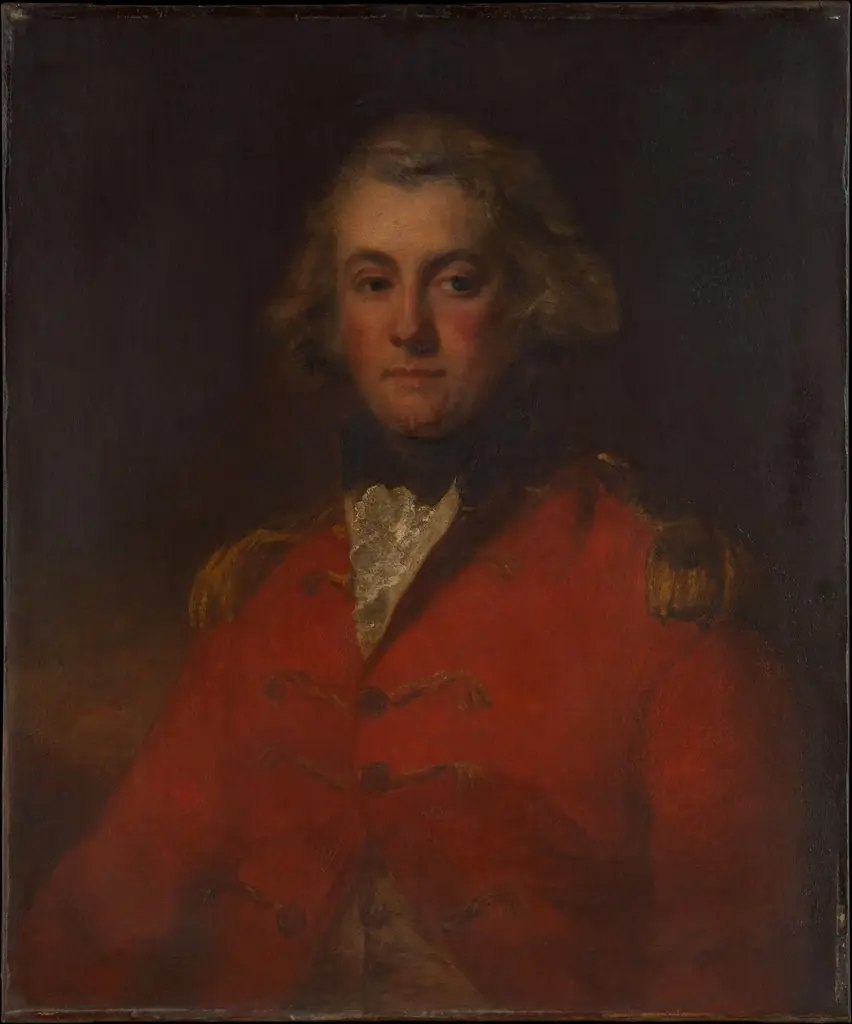 Major Thomas Pechell (1753–1826)
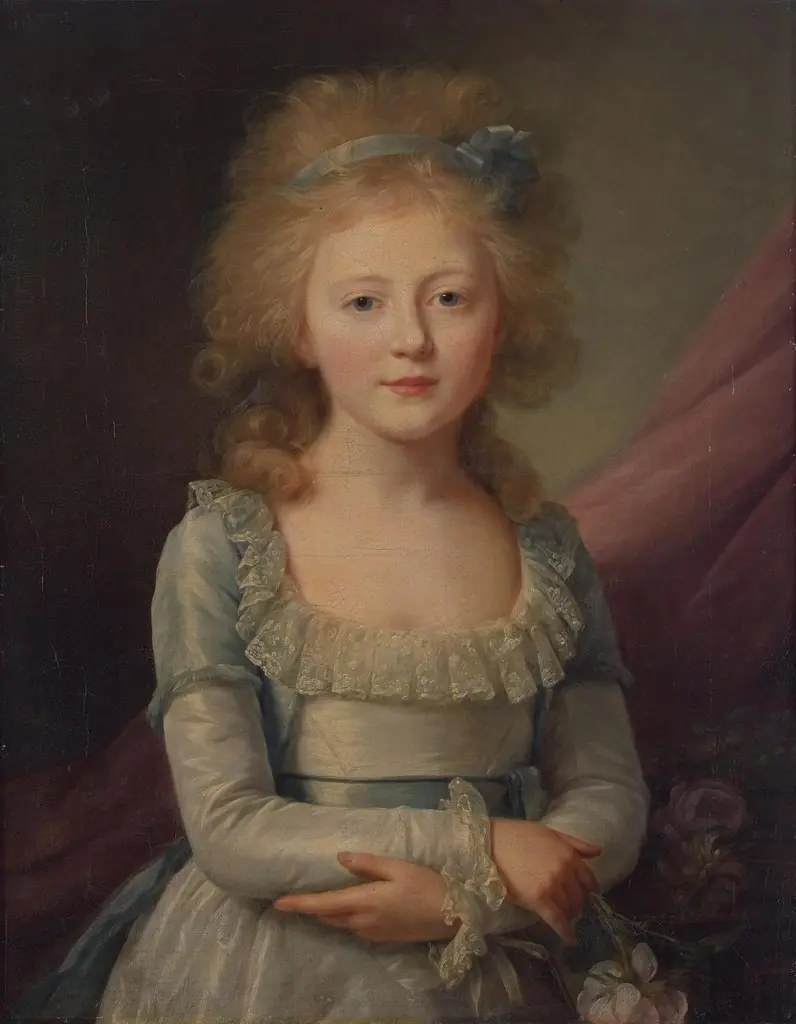 Portrait of grand Duchess Yelena Pavlovna as the Child
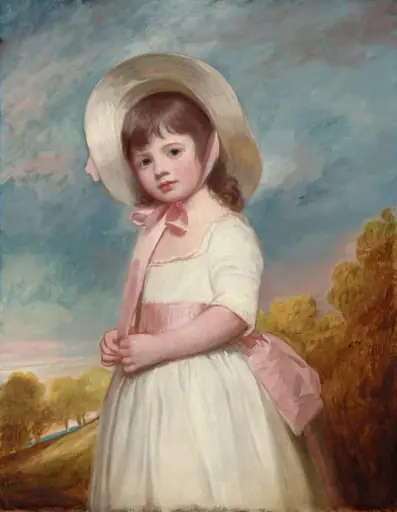 Miss Juliana Willoughby
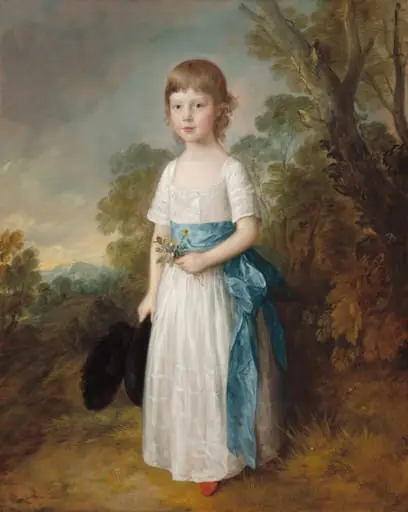 Master John Heathcote
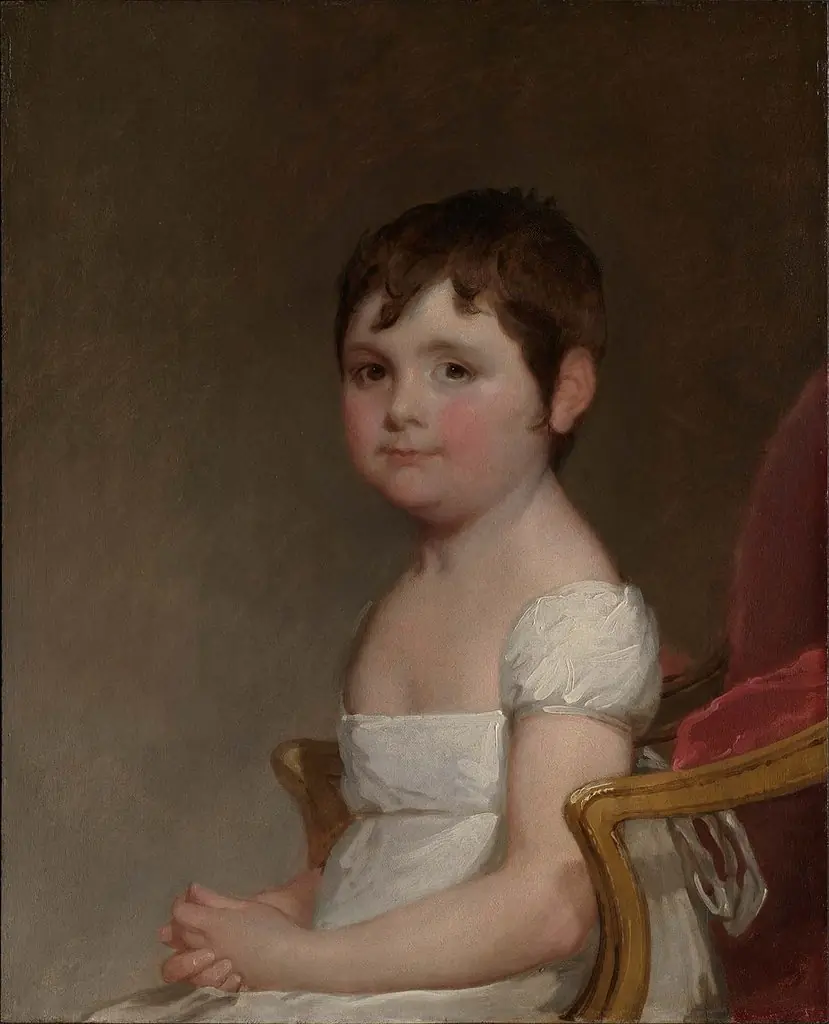 Sally Patten
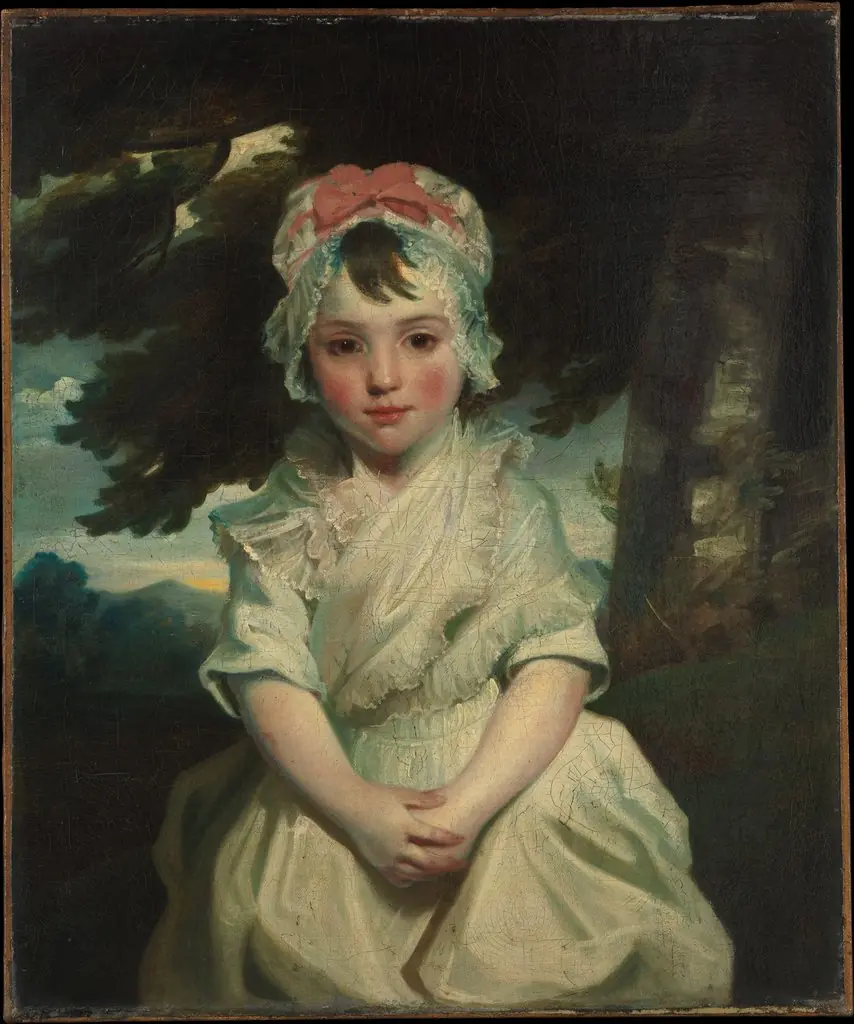 Georgiana Augusta Frederica Elliott (1782–1813), Later Lady Charles Bentinck
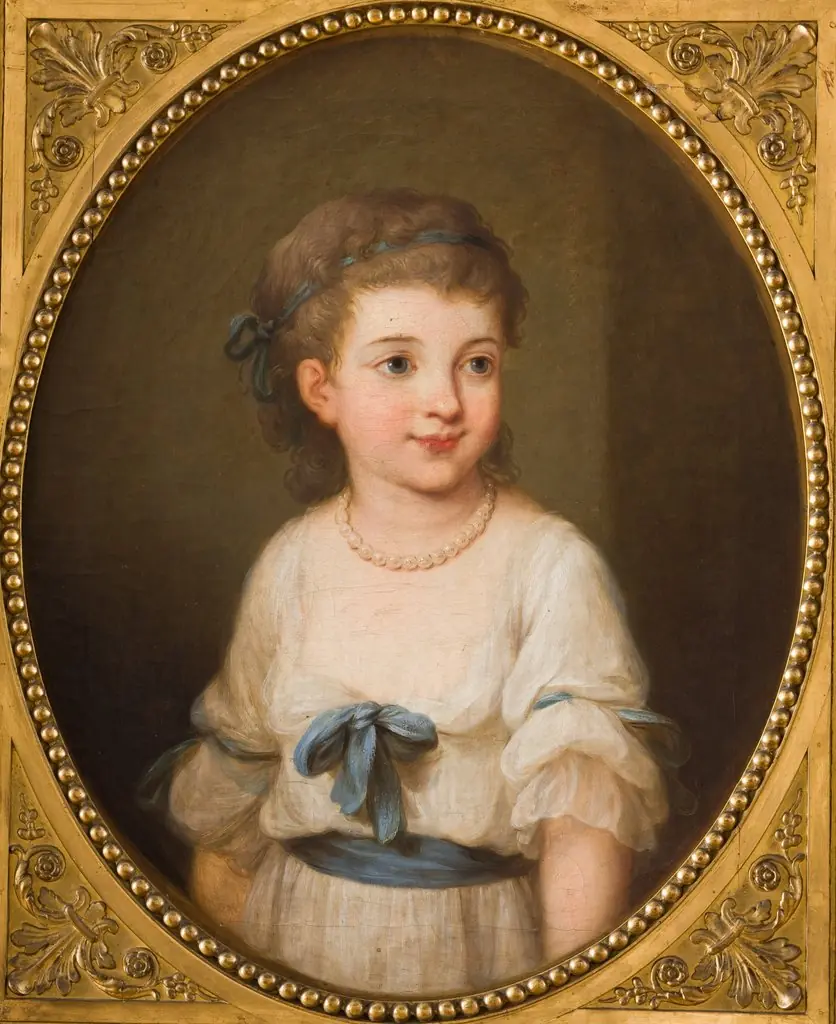 Portrait of Elżbieta Mniszech (born 1792)
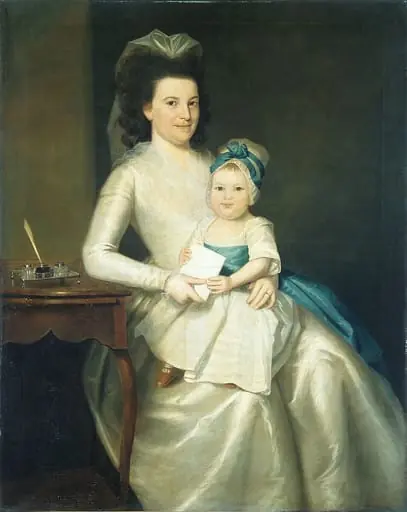 Lady Williams and Child
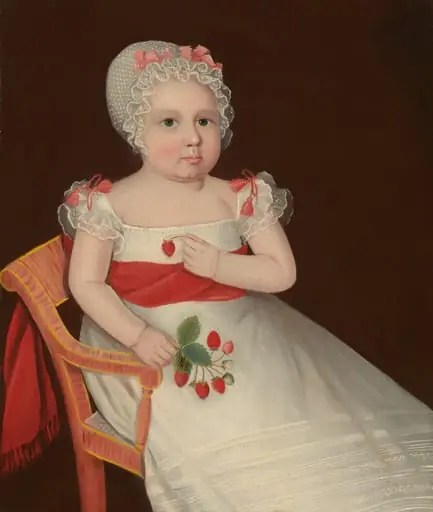 The Strawberry Girl
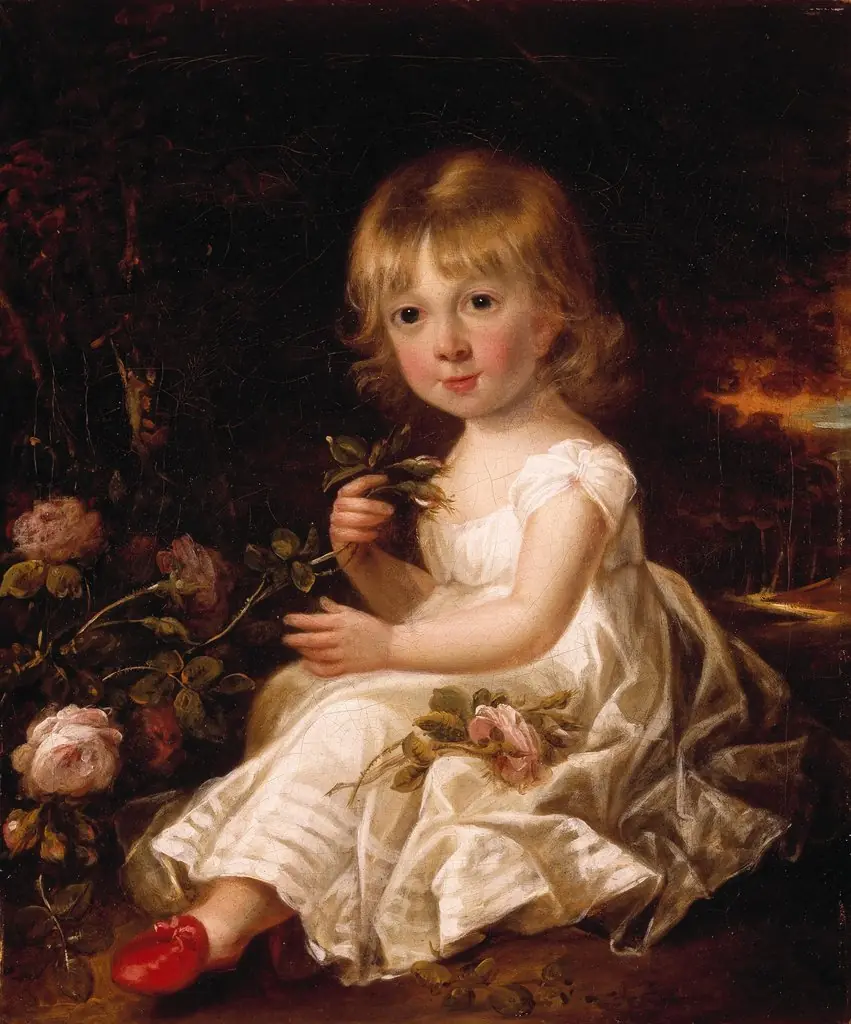 Portrait of a Young Girl
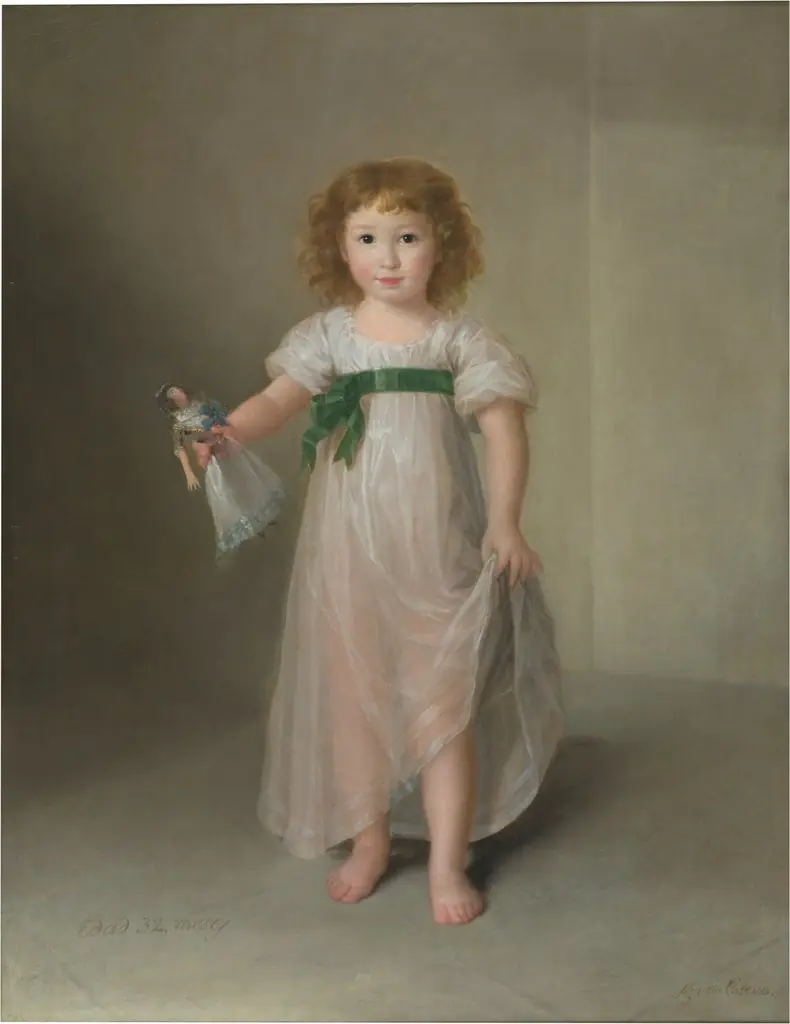 Portrait of Manuela Téllez-Girón
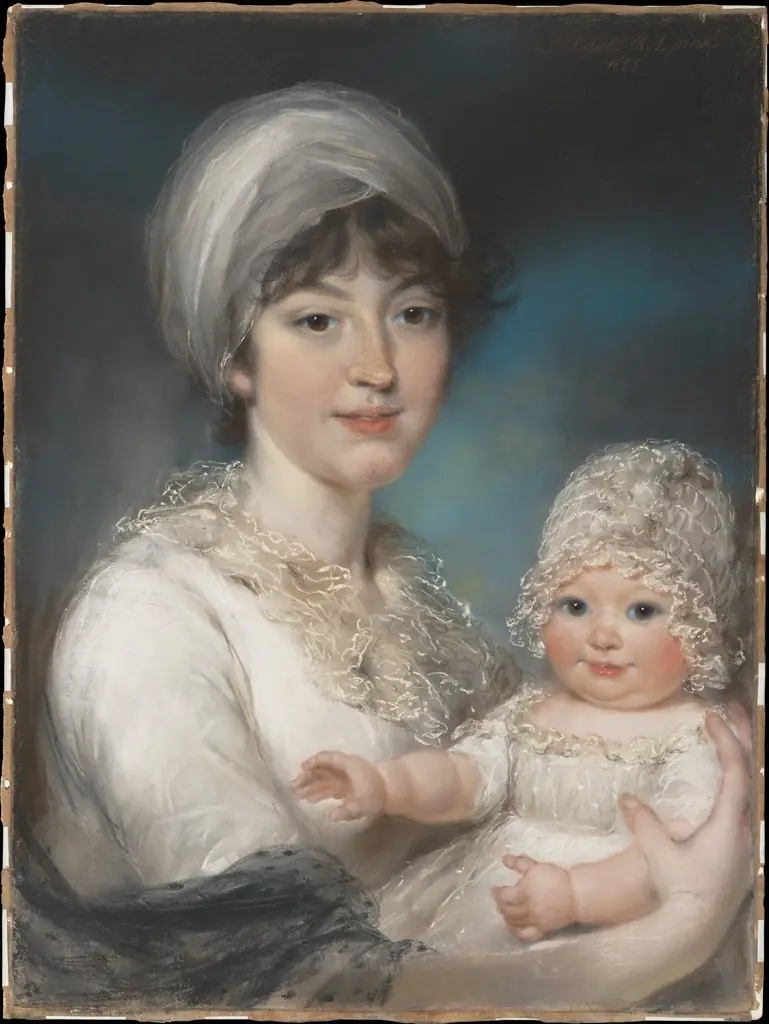 Mrs. Robert Shurlock (Henrietta Ann Jane Russell, 1775–1849) and Her Daughter Ann
 Infantin Maria Theresa von Neapel (1772-1807)