Artwork
Portrait of a Man
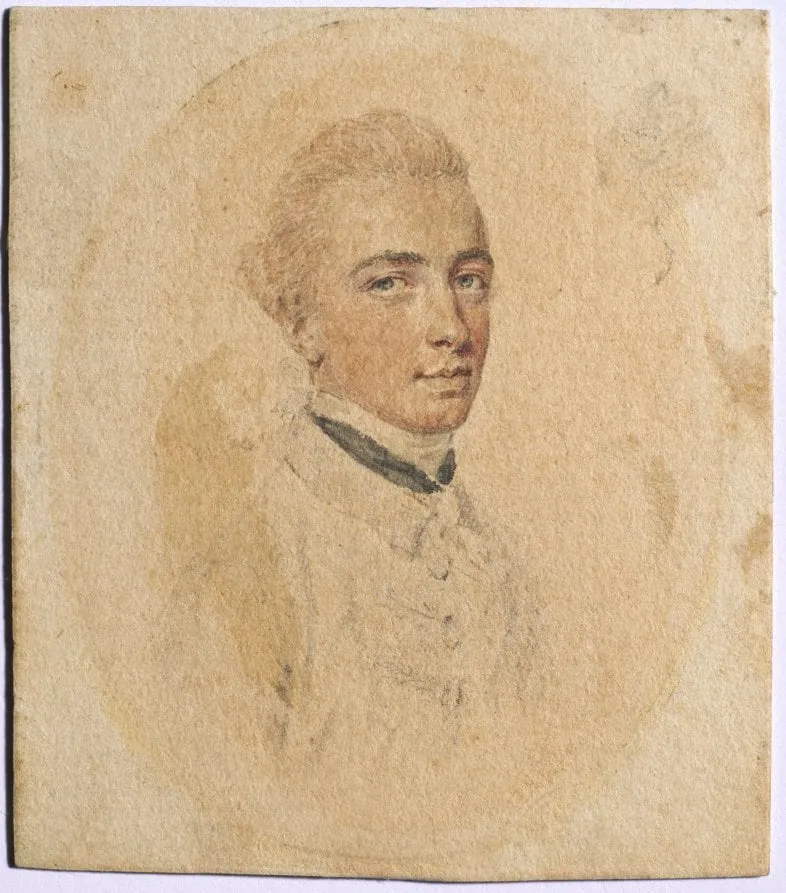
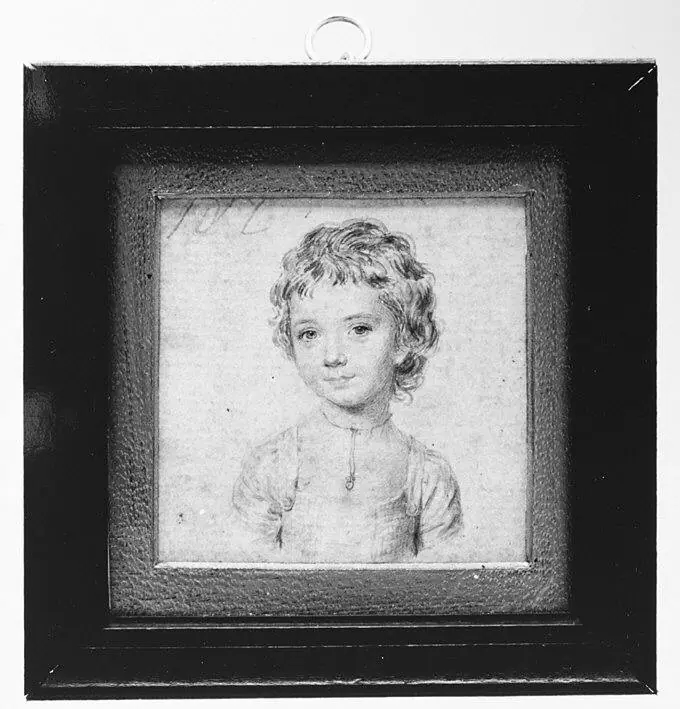
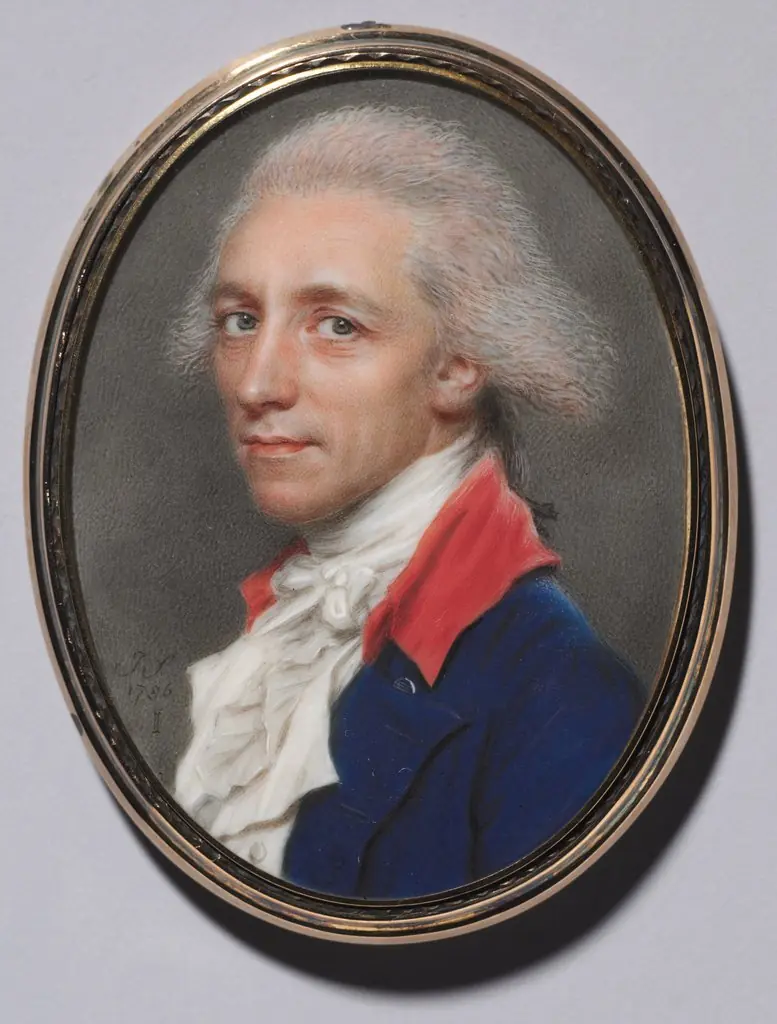
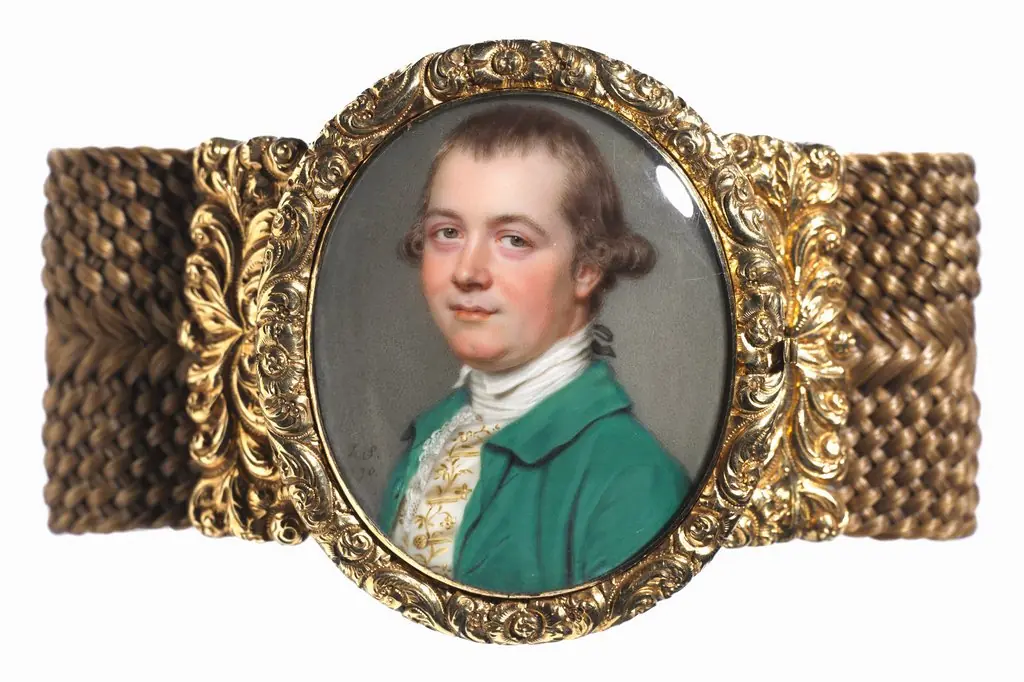
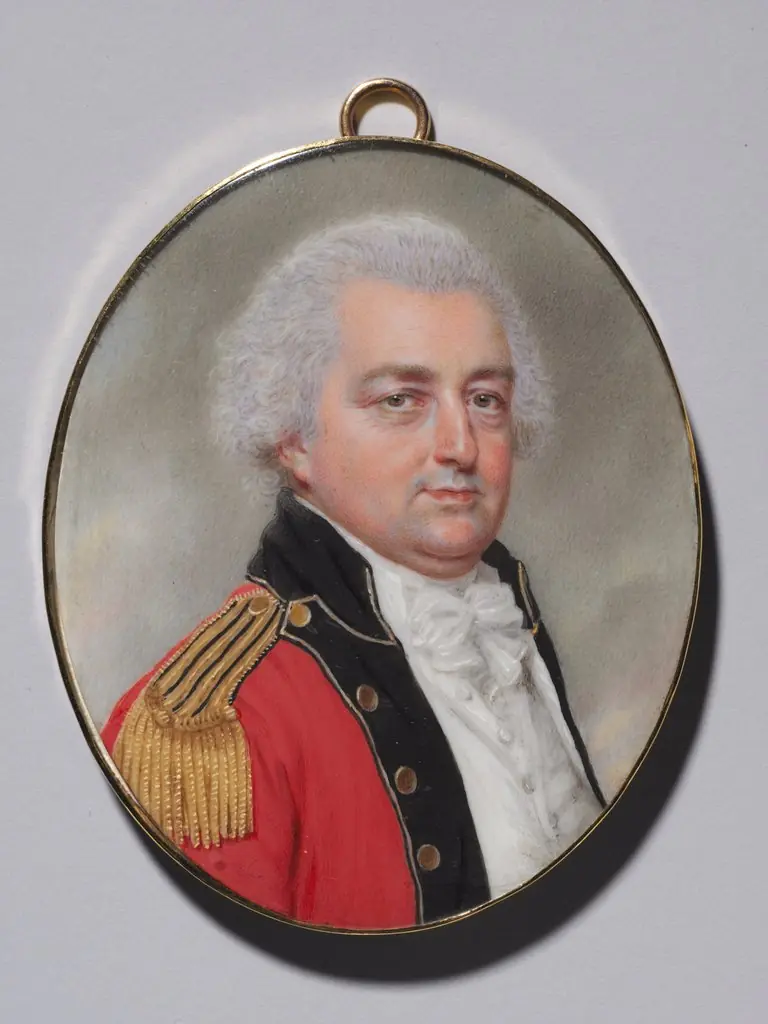
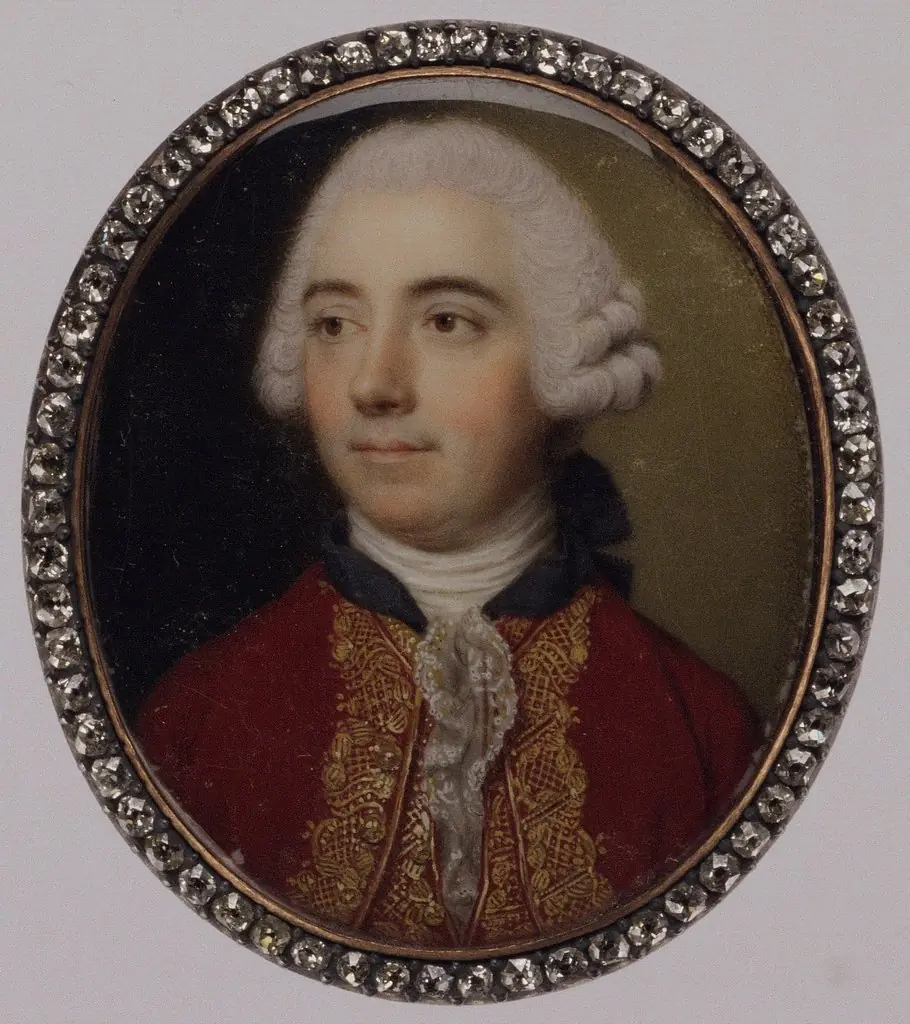
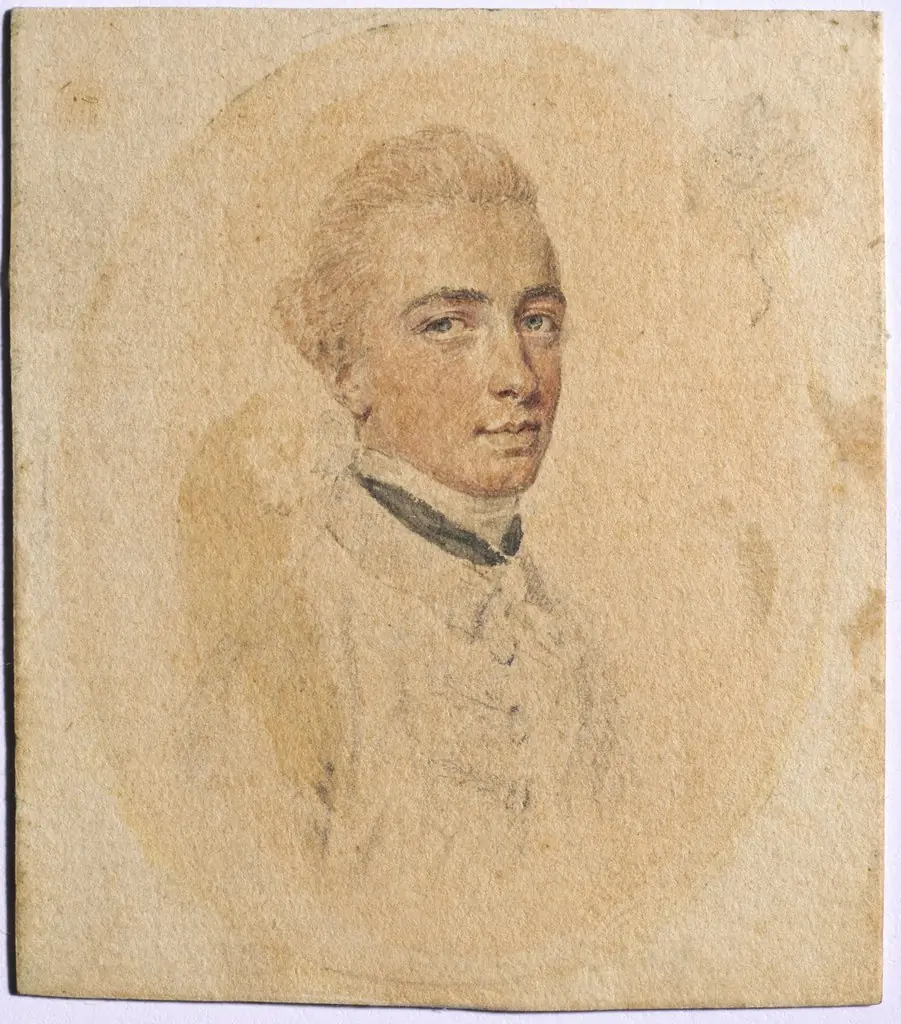
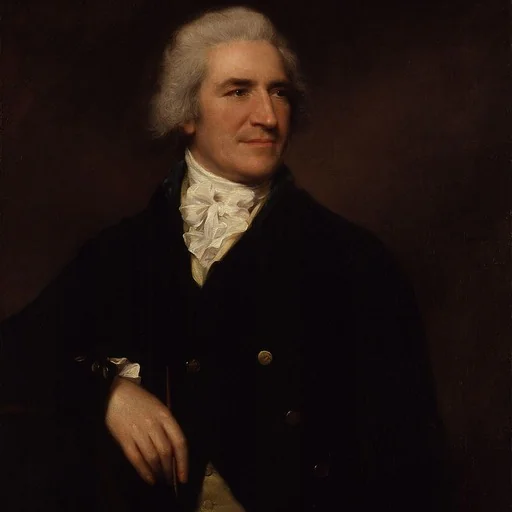
Portrait of a Man is an unspecified portrait miniature by the Rococo painting artist John Smart. It dates from 1775 and is held in the collection of the Cleveland Museum of Art. This miniature portrait depicts a gentleman turned toward the left, rendered in fine pen work on paper.
About this work
If you like how Smart catches a person’s quiet expression, look up more works from england, 18th century.
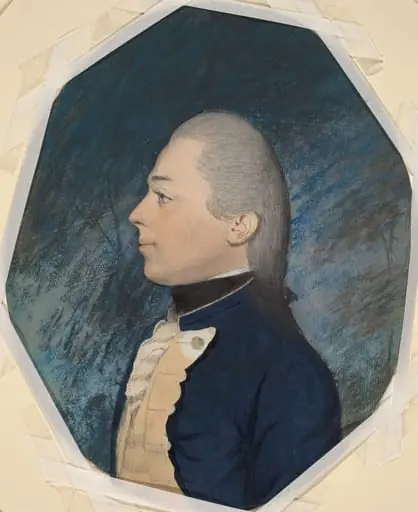
This is a tiny portrait of a man in a powdered wig and a dark coat. His blue-green eyes look off to the side, and his hair is tied back in a short ponytail.
Smart painted miniatures—small, detailed portraits meant to be carried like photos. Most were done on ivory, which gives the skin a soft glow. This one might have been a practice sketch before the final version.
If you like how Smart catches a person’s quiet expression, look up more works from england, 18th century.
Overview
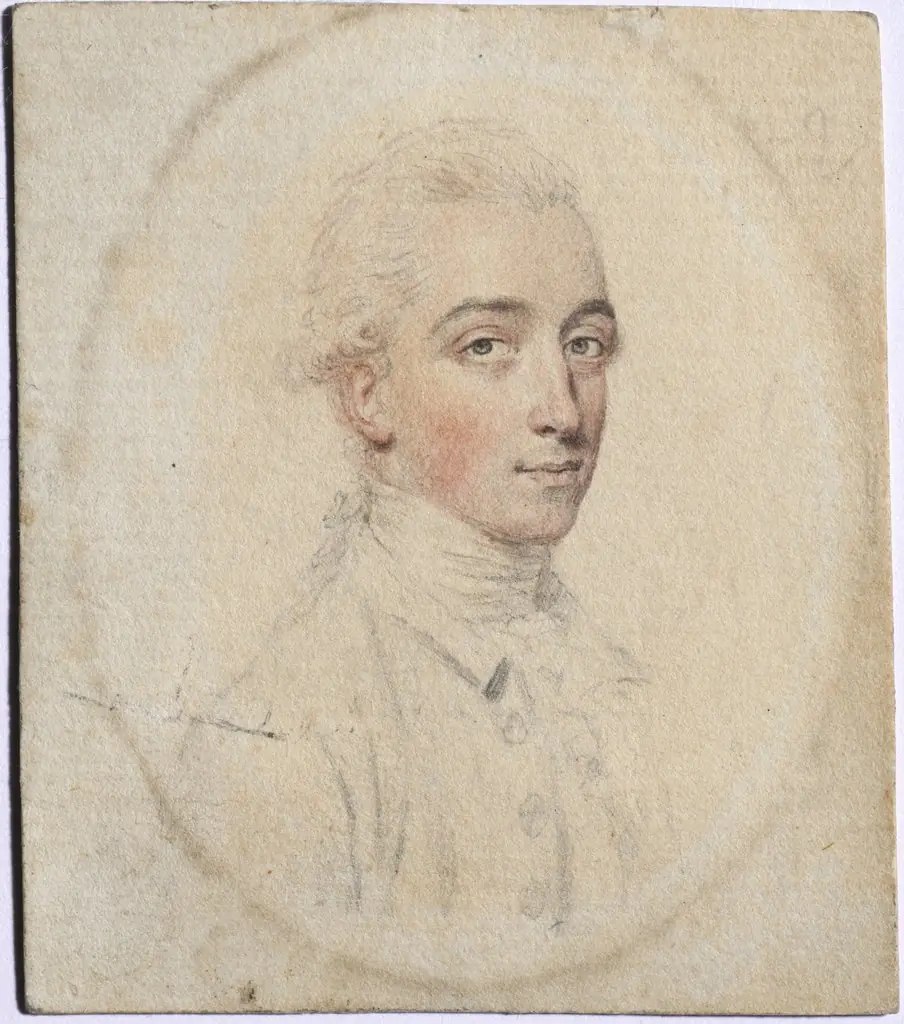
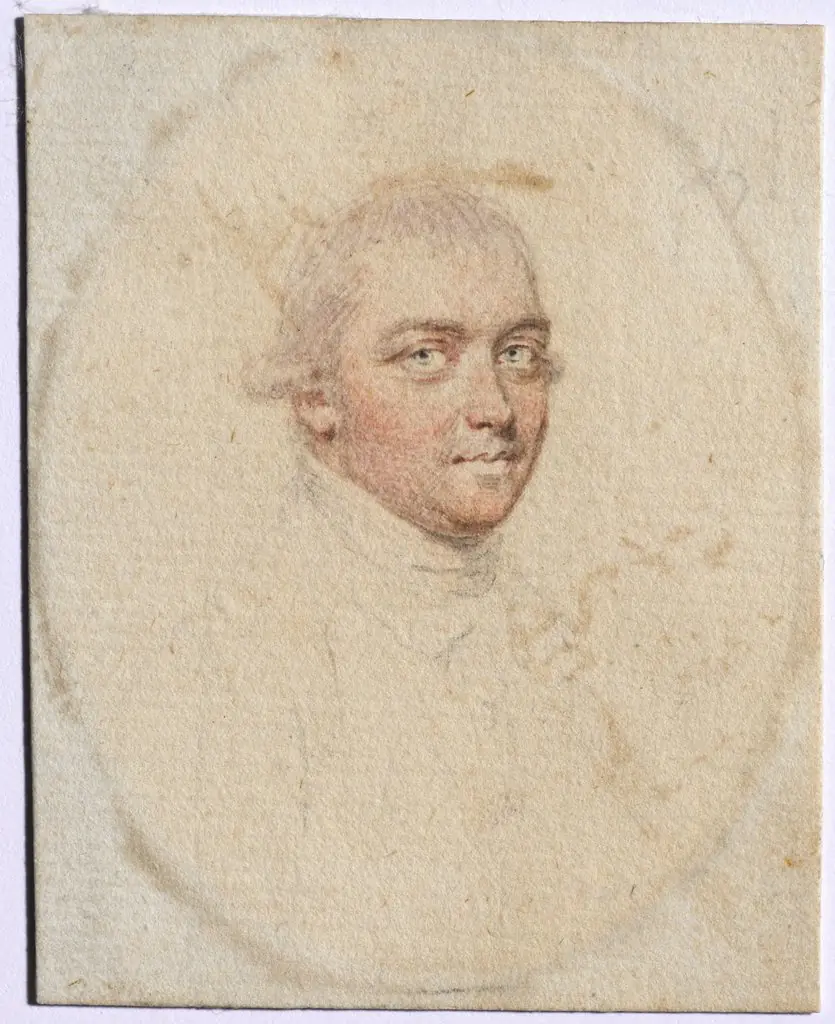
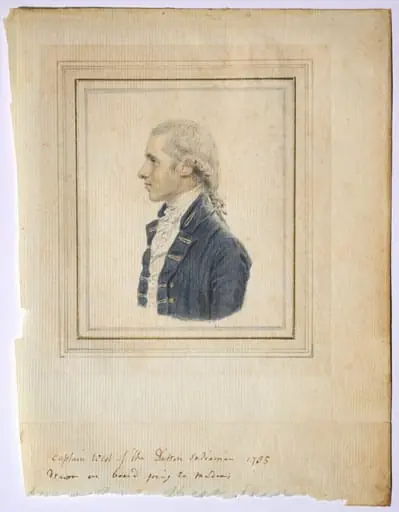
This miniature portrait depicts a gentleman turned toward the left, rendered in fine pen work on paper. He wears a powdered wig tied in a short queue, dark coat with a narrow collar, and a high‑collared frilled vest. His blue‑green eyes glance sideways, and a black band at his throat suggests an additional collar or decorative ribbon. The background remains unpainted, emphasizing the figure.
Subject & Meaning
The sitter has traditionally been identified as “Mr. Batson,” a name recorded in the 1928 Smirke auction catalogue and supported by a later graphite inscription on the verso. When the backing paper was removed in 2011, a faint, partially legible note appeared, mentioning a bracelet and a cloth cape, but it does not clarify the identity further.
Technique & Style
The drawing is executed in delicate line work, characteristic of preparatory sketches for miniature paintings. Such studies were commonly used by 18th‑century portraitists to plan composition and detail before transferring the image onto ivory, a substrate prized for its luminous skin tones.
History & Provenance
Art historian G. C. Williamson first proposed that this sketch served as a preparatory study for a painted ivory miniature, though the finished work has not yet been located. The drawing entered the market in the early 20th century, appearing in the 1928 Smirke sale, and was later examined when its backing paper was removed in 2011, revealing the faint verso inscription.
Context
Miniature portraits were popular in 18th‑century England as portable likenesses, often exchanged as personal mementos. Artists like the creator of this work produced both the final ivory pieces and the preparatory drawings that guided their intricate brushwork.
Artist & collection
Artist
John Smart (1 May 1741 – 1 May 1811) was an English painter who specialised in portrait miniatures. He was a contemporary of Richard Cosway, George Engleheart, William Wood and Richard Crosse.