Artwork
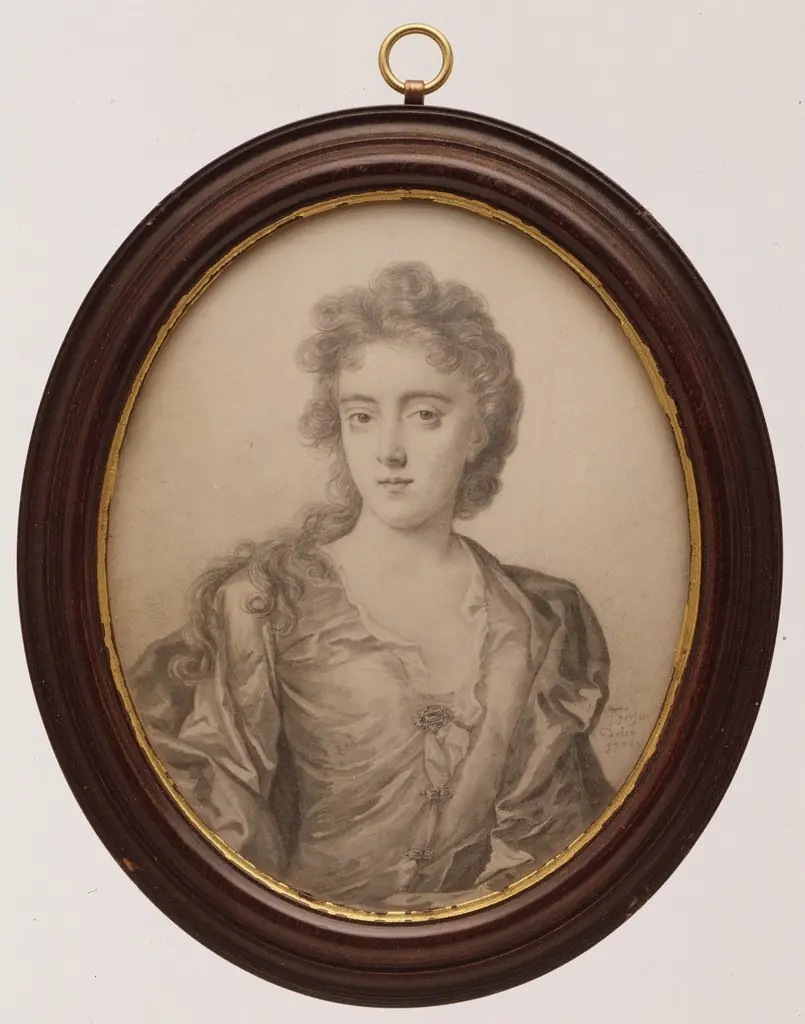
Portrait of a Woman
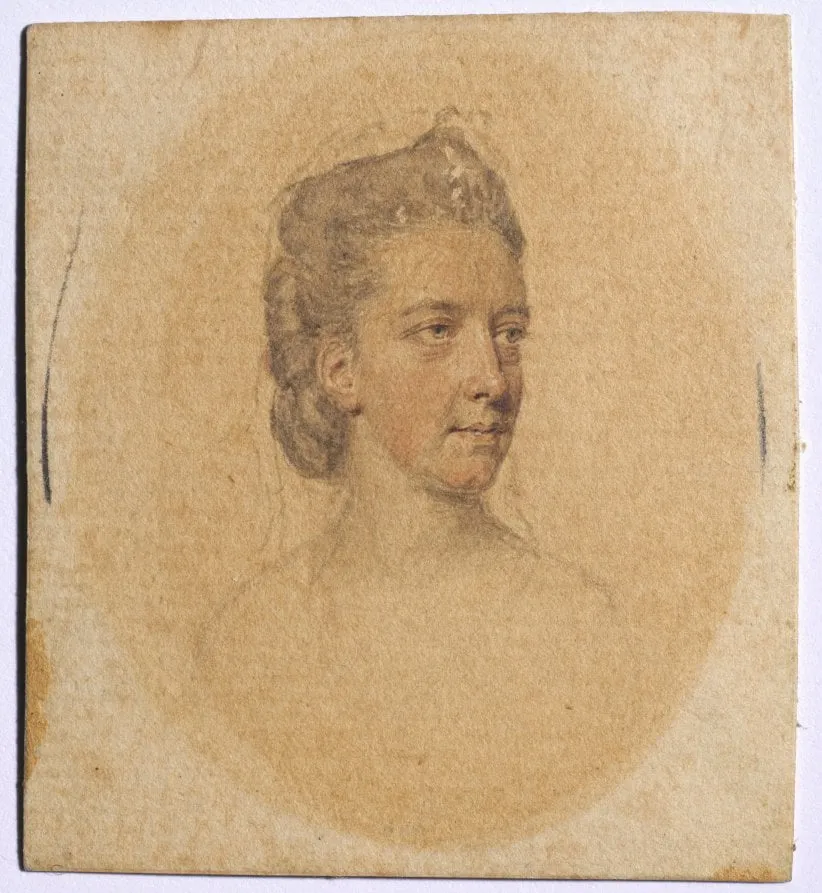
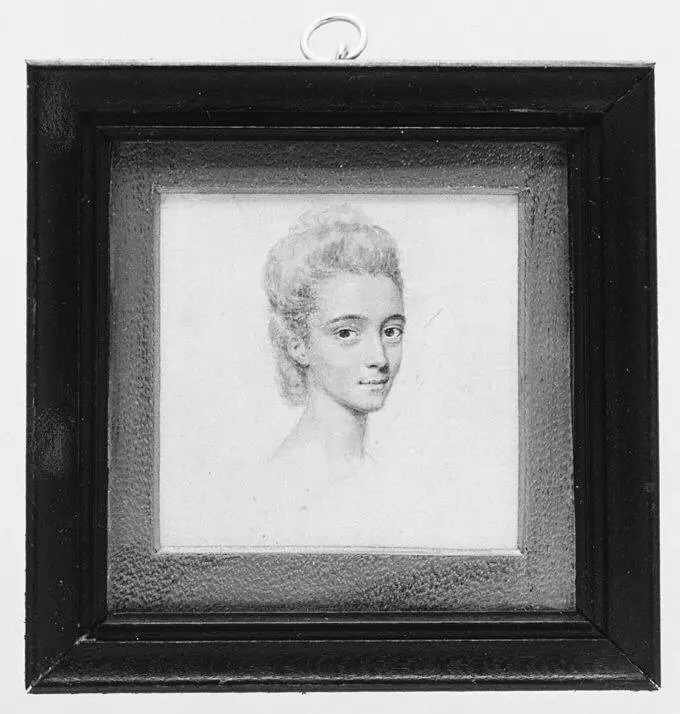
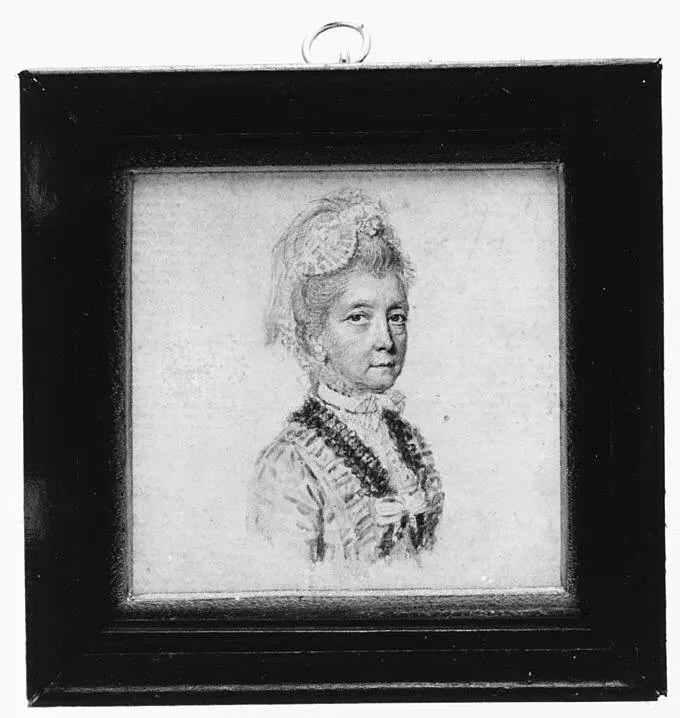
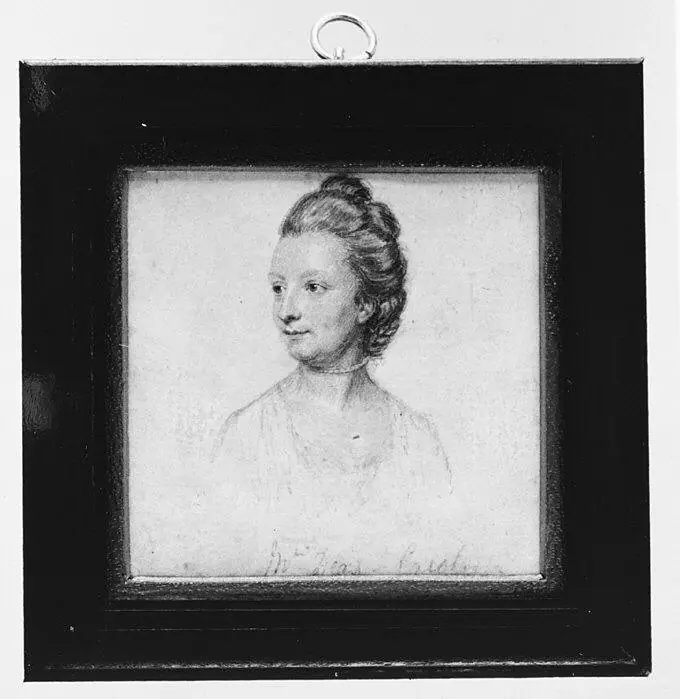
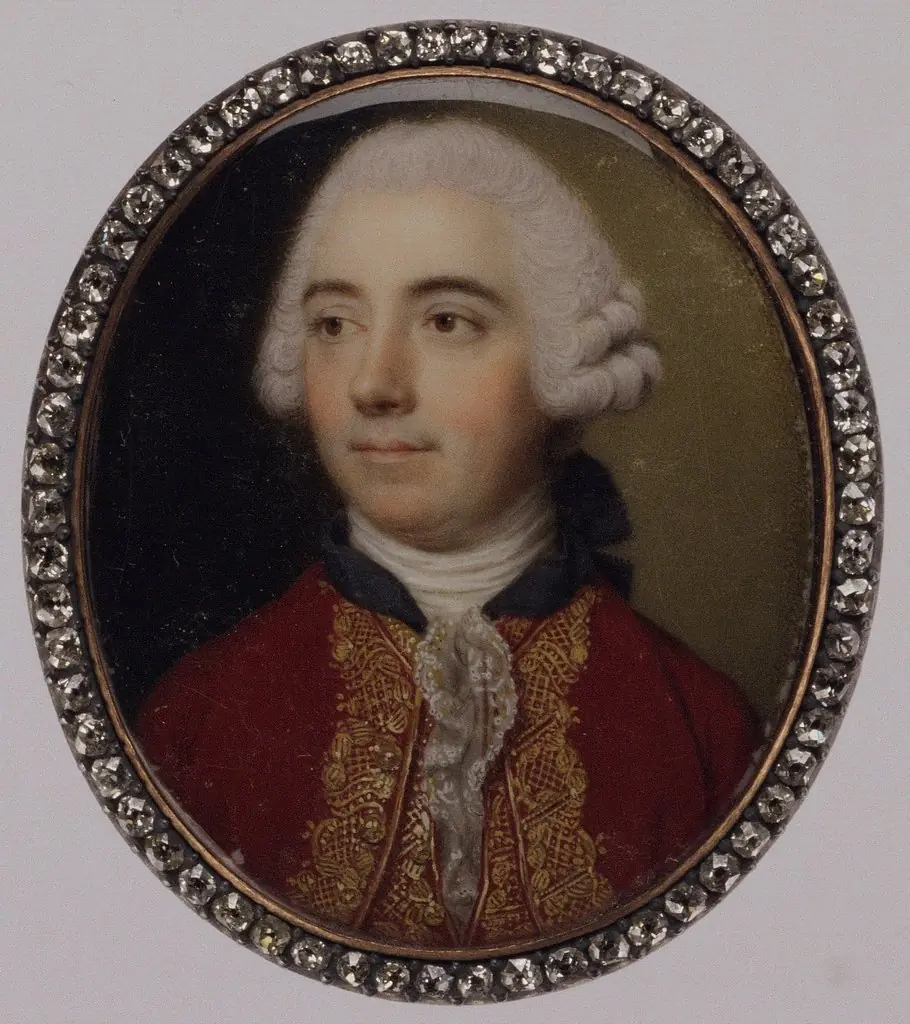
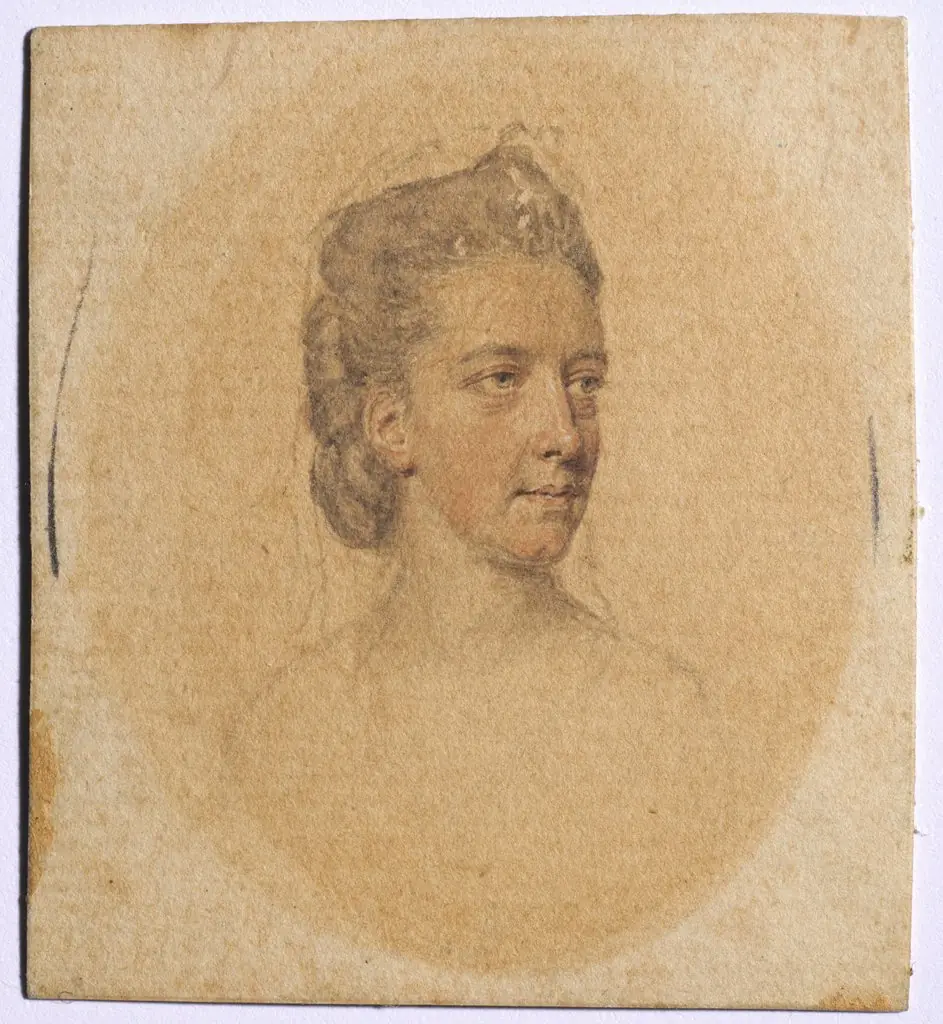
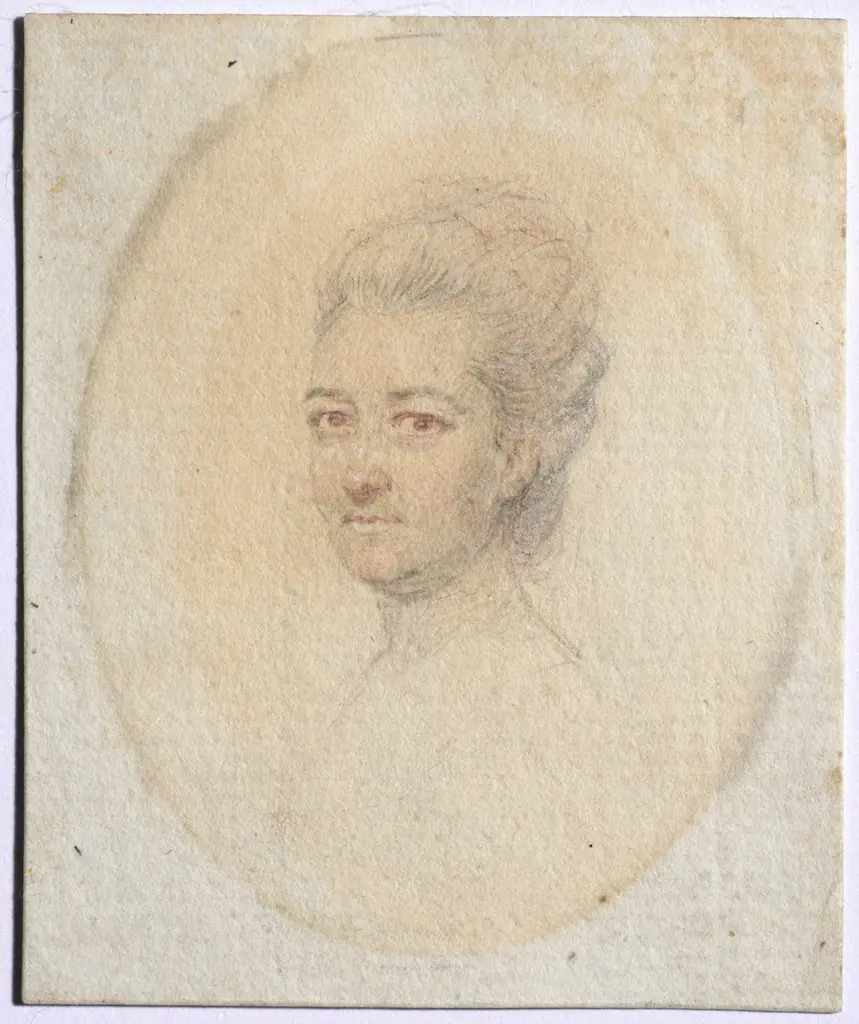
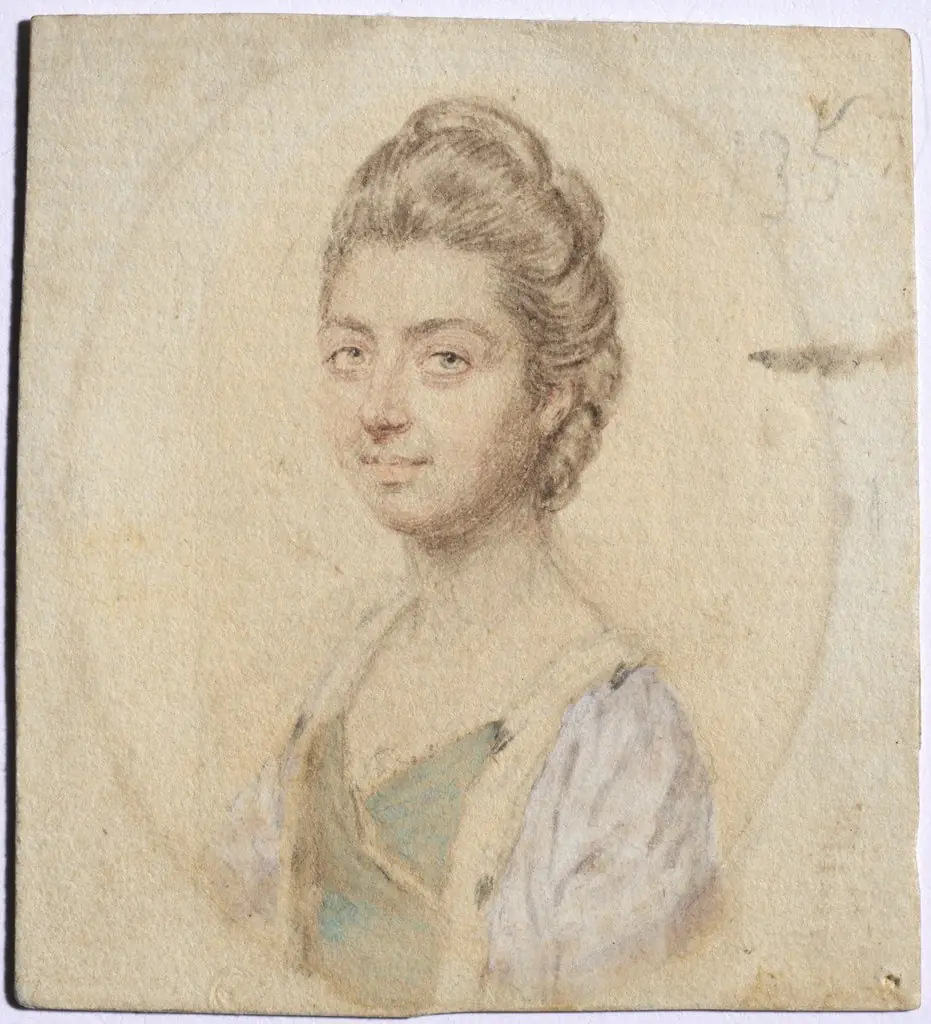
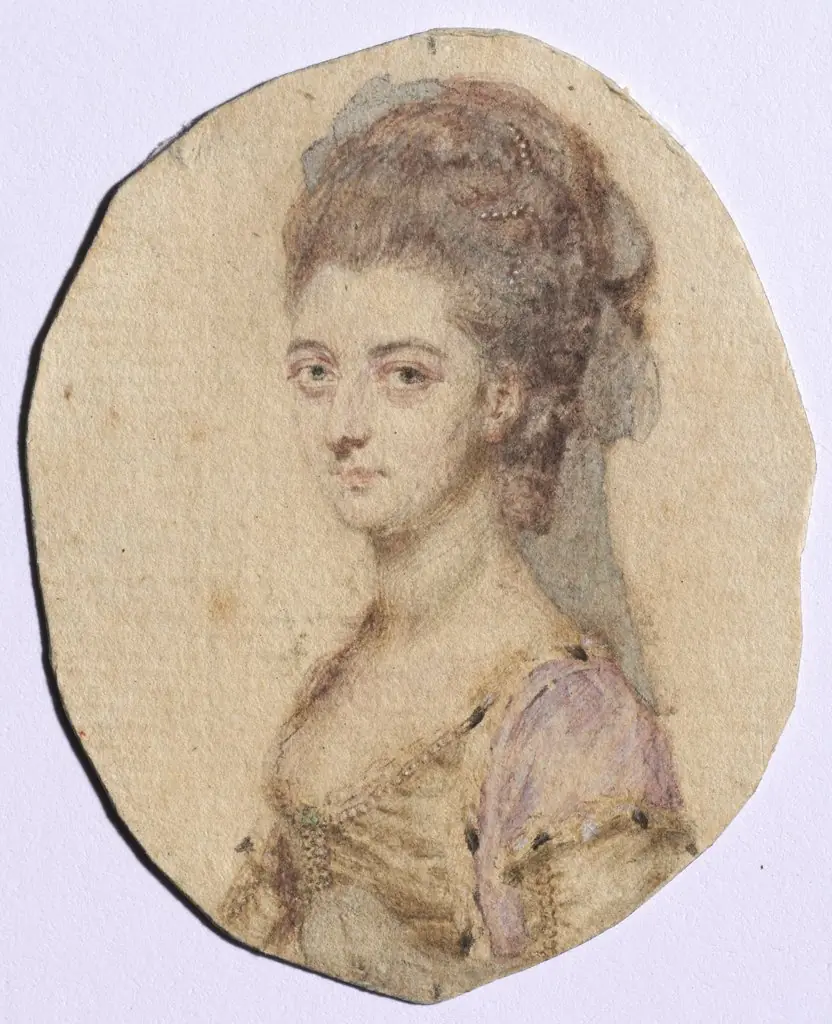
Portrait of a Woman is an unspecified portrait miniature by the Rococo painting artist John Smart. It dates from 1775 and is held in the collection of the Cleveland Museum of Art. The work is a small, unfinished portrait miniature depicting only the head and neck of a woman.
About this work
If you like these small, careful portraits, look up John I Smart (British, 1741–1811)—he made a lot of them.
You see a small, close-up portrait of a woman’s face and neck. Her dark hair is pulled back, and she wears a faint, low-necked dress. The background is plain, so all the focus stays on her.
This isn’t a finished painting—it’s a quick sketch, probably done in one sitting. Dealers later gave it a fancy name, "Anne of Denmark," even though no one knows who she really was. That kind of made-up title was common for portraits like this.
If you like these small, careful portraits, look up John I Smart (British, 1741–1811)—he made a lot of them.
Overview
The work is a small, unfinished portrait miniature depicting only the head and neck of a woman. Rendered as a quick sketch, the drawing shows a dark, high‑styled hairdo with flat curls, a faint veil, and a low‑necked dress suggested only by minimal lines. The background remains blank, concentrating attention on the sitter’s features.
Subject & Meaning
The sitter appears as a mature woman, indicated by a sagging jawline and subtle lines beneath her blue‑green eyes. No definitive identification exists; a later graphite note on the paper mentions “very dark brown hair,” but the name “Anne of Denmark” was later attached by dealers without historical basis.
Technique & Style
Executed in a light, gestural manner, the sketch likely served as a preparatory study for an ivory miniature that has not survived. The artist’s hand is evident in the swift rendering of hair, veil, and facial contours, while the overall composition remains unfilled, characteristic of miniature studies of the period.
History & Provenance
The drawing was originally part of a larger sheet, as indicated by a fragmentary brown‑ink note reading “to be set… and put in a Black / Frame…”. In 2011, the paper backing was removed, revealing this inscription and a graphite annotation. The work has been linked to the British miniaturist John I. Smart (1741–1811), whose oeuvre includes many similar female sketches.
Context
During the 19th and early 20th centuries, art dealers frequently assigned illustrious, though fictitious, titles to portraits of unknown sitters to enhance their appeal. This practice was especially common with miniature portraits and sketches, leading to the enduring but inaccurate label of “Anne of Denmark” for this piece.
Artist & collection
Artist
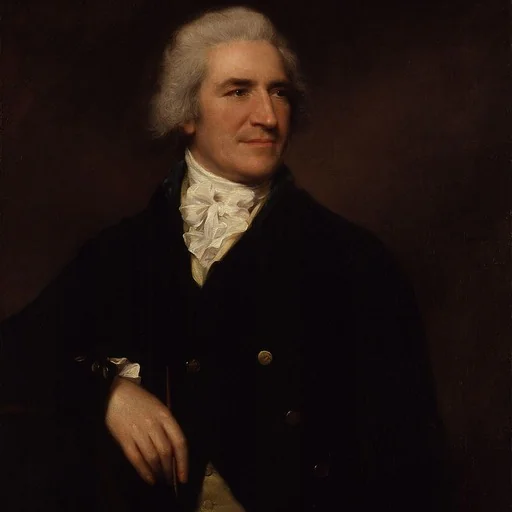
John Smart (1 May 1741 – 1 May 1811) was an English painter who specialised in portrait miniatures. He was a contemporary of Richard Cosway, George Engleheart, William Wood and Richard Crosse.