Artwork
Portrait of Mr. Shippard
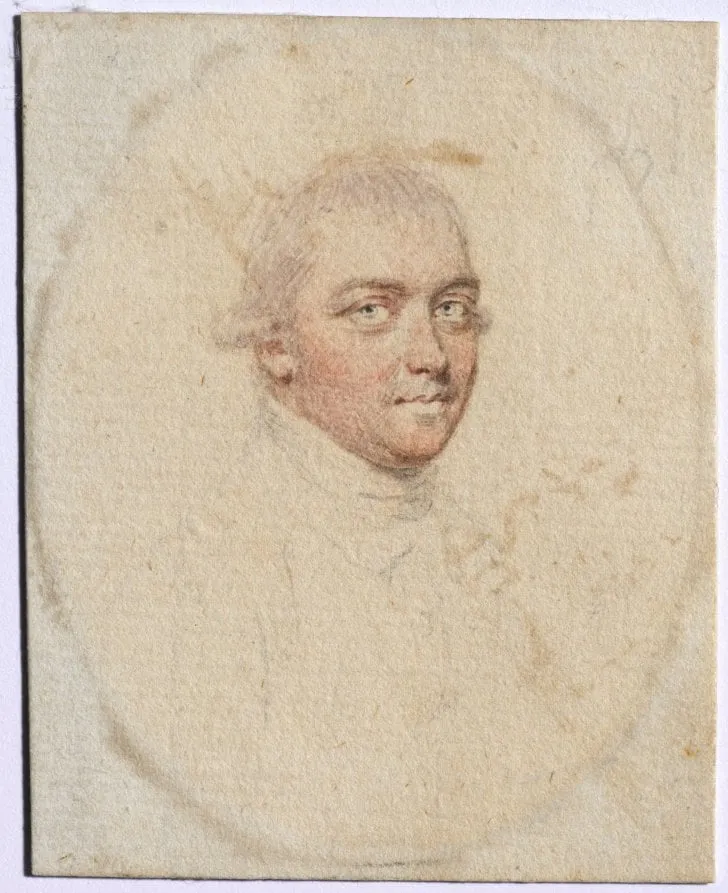
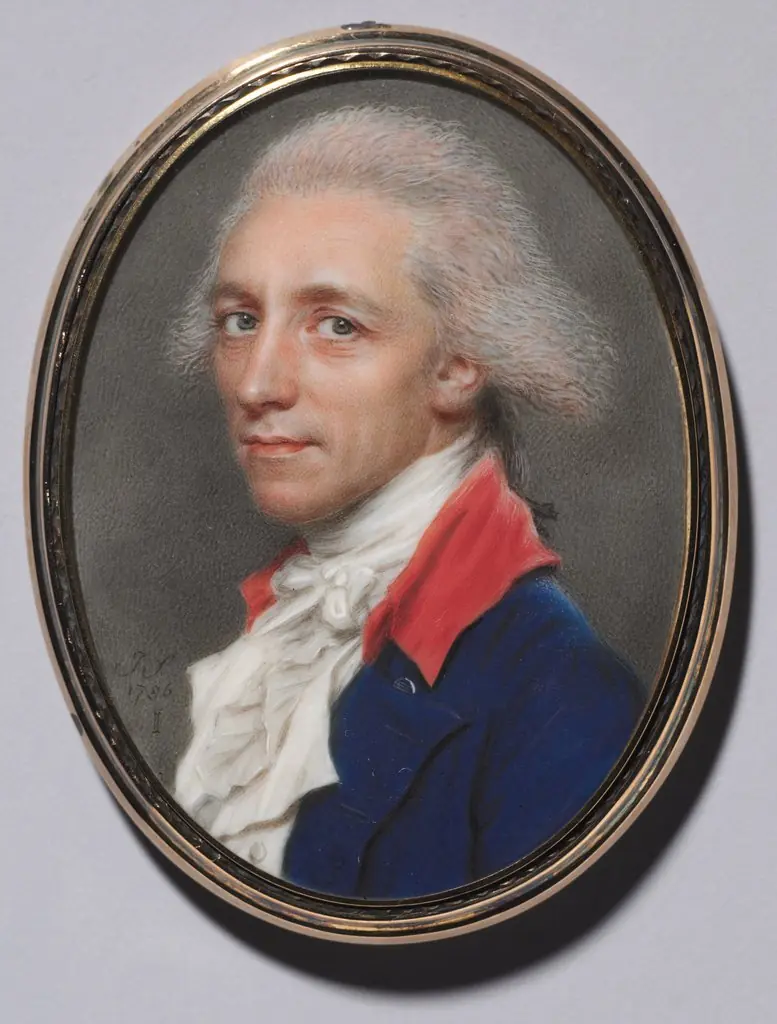
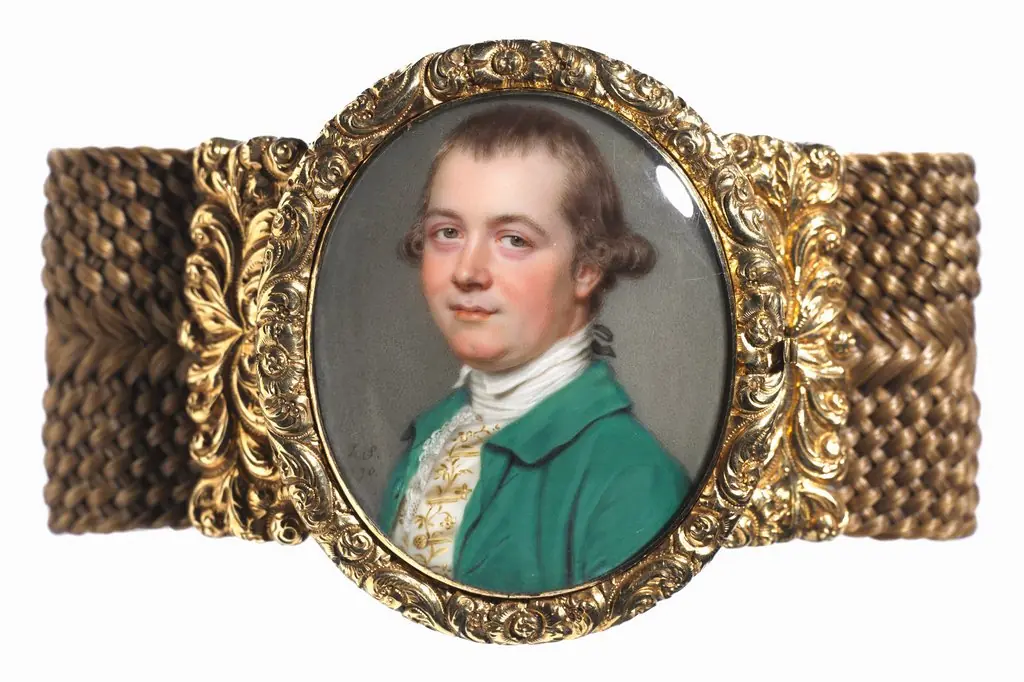
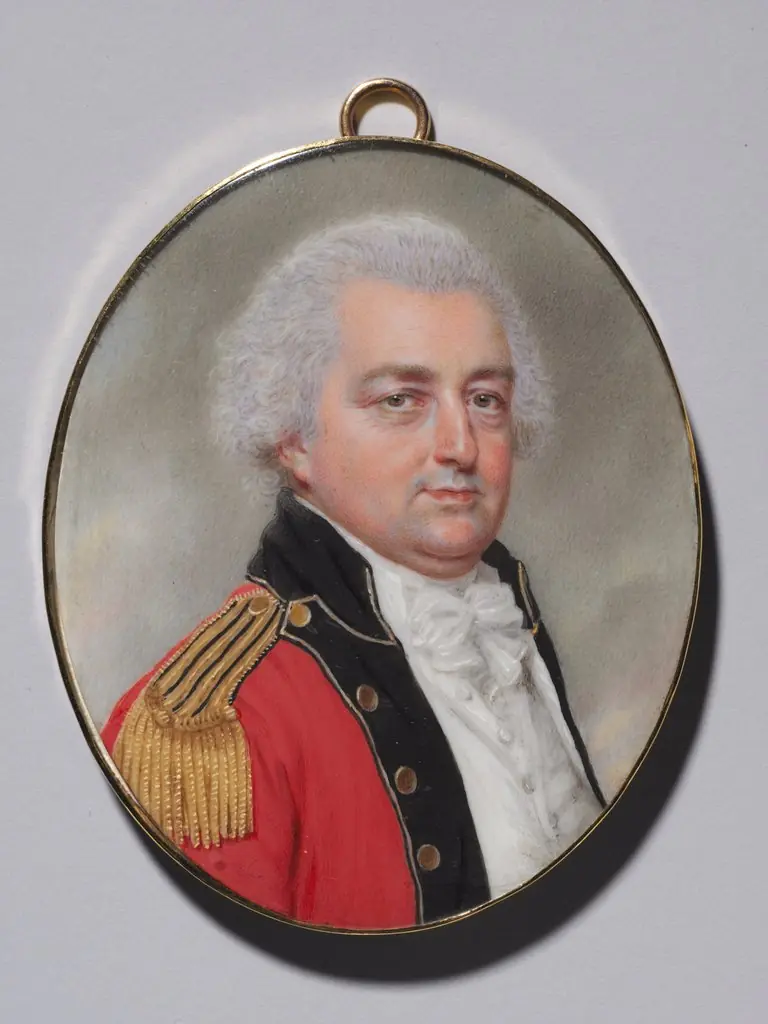
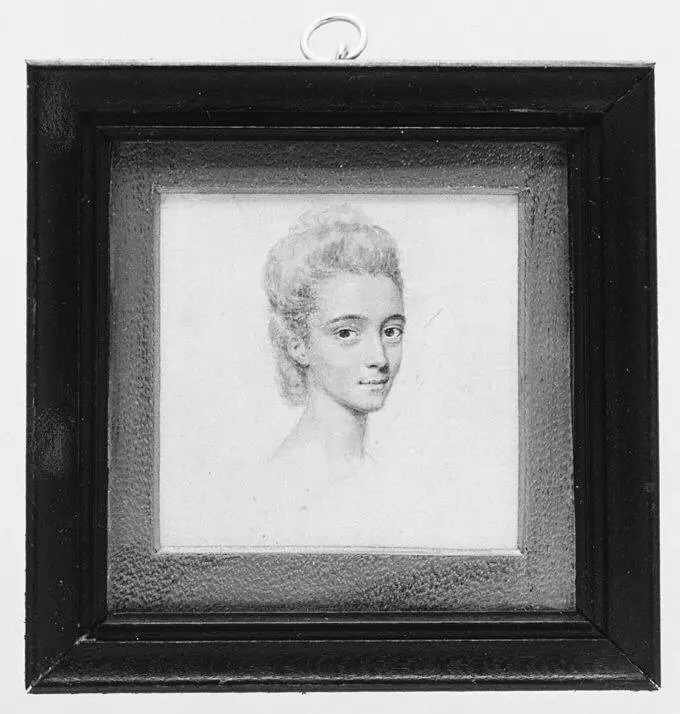
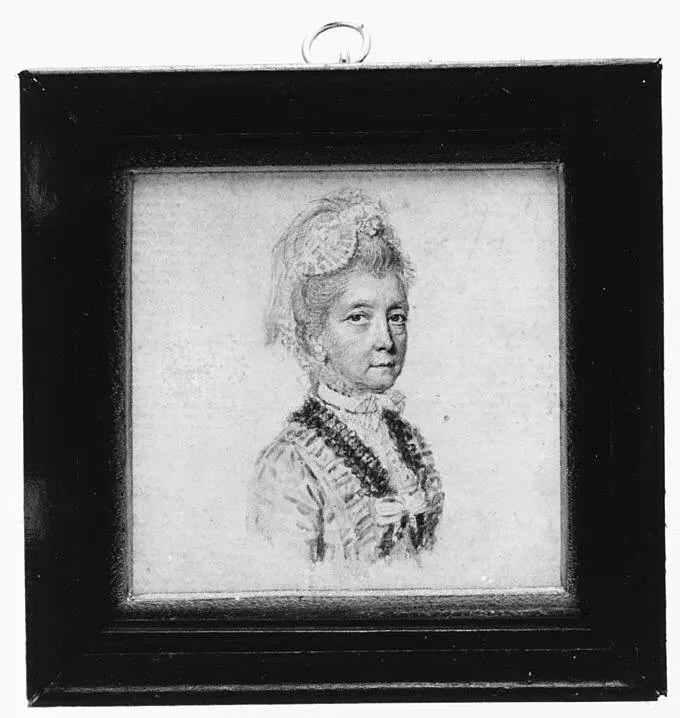
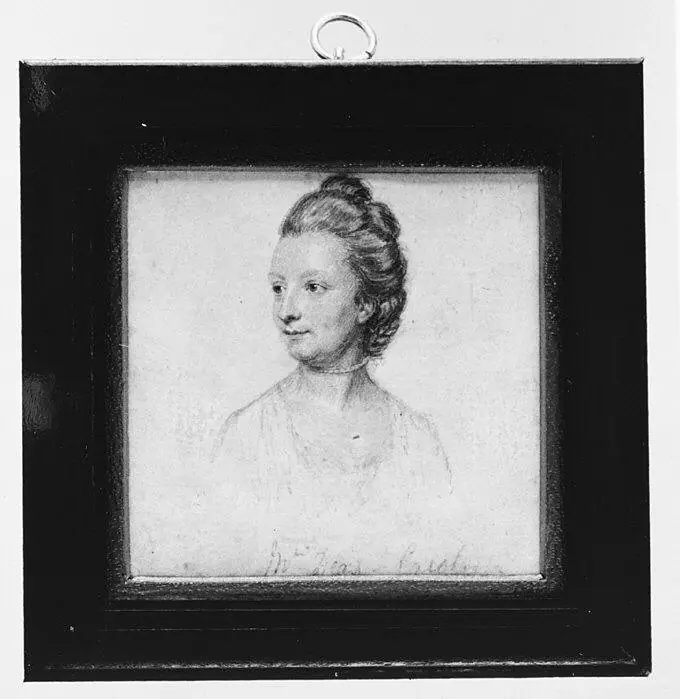
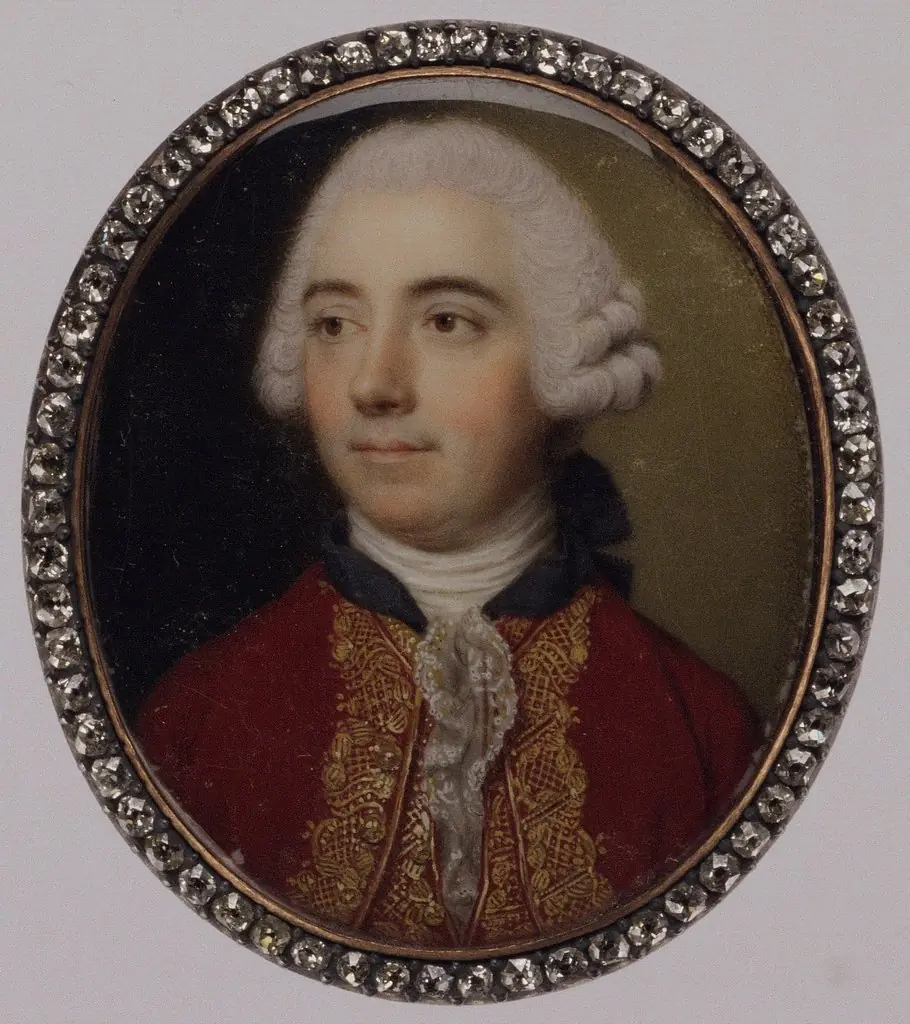
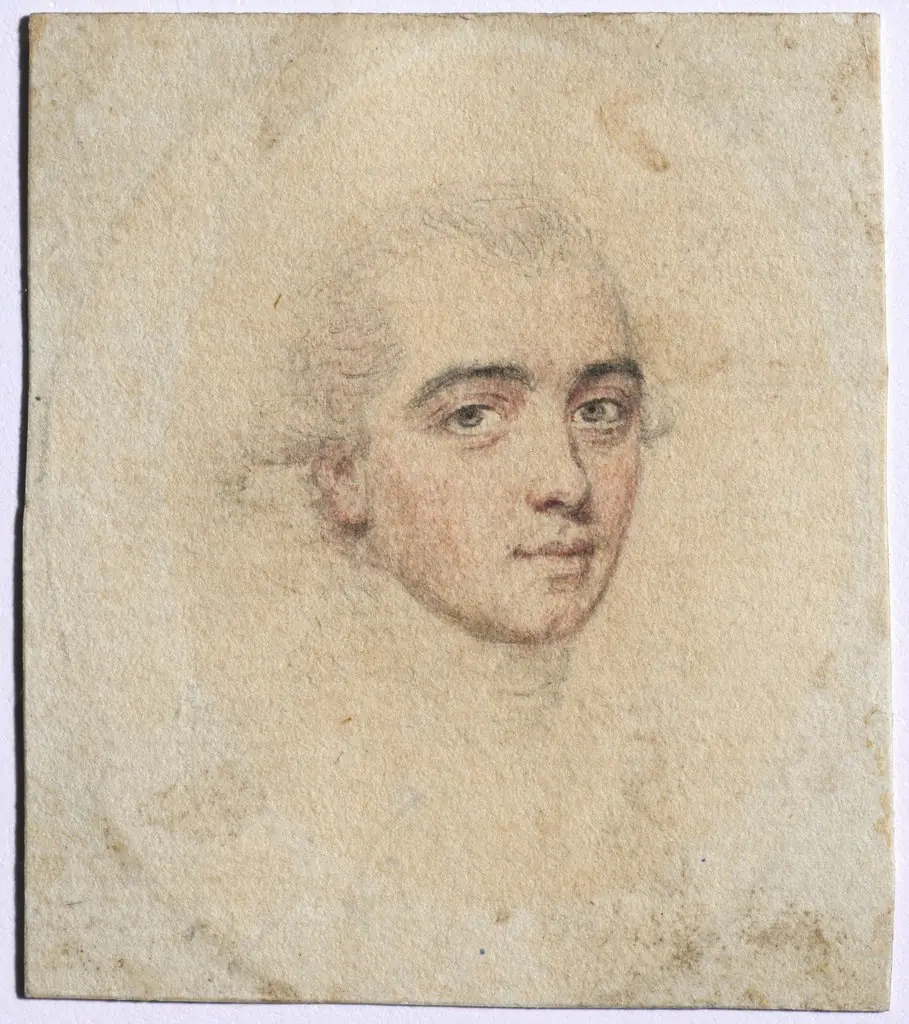
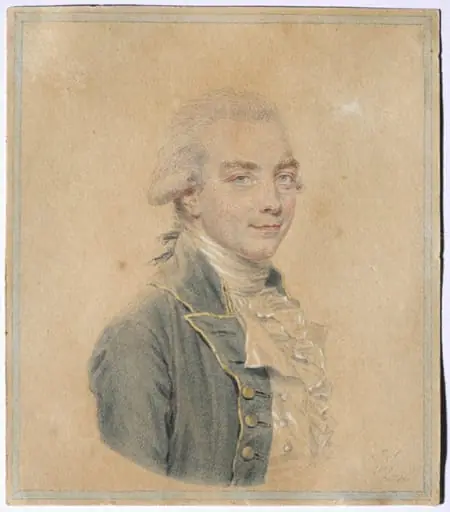
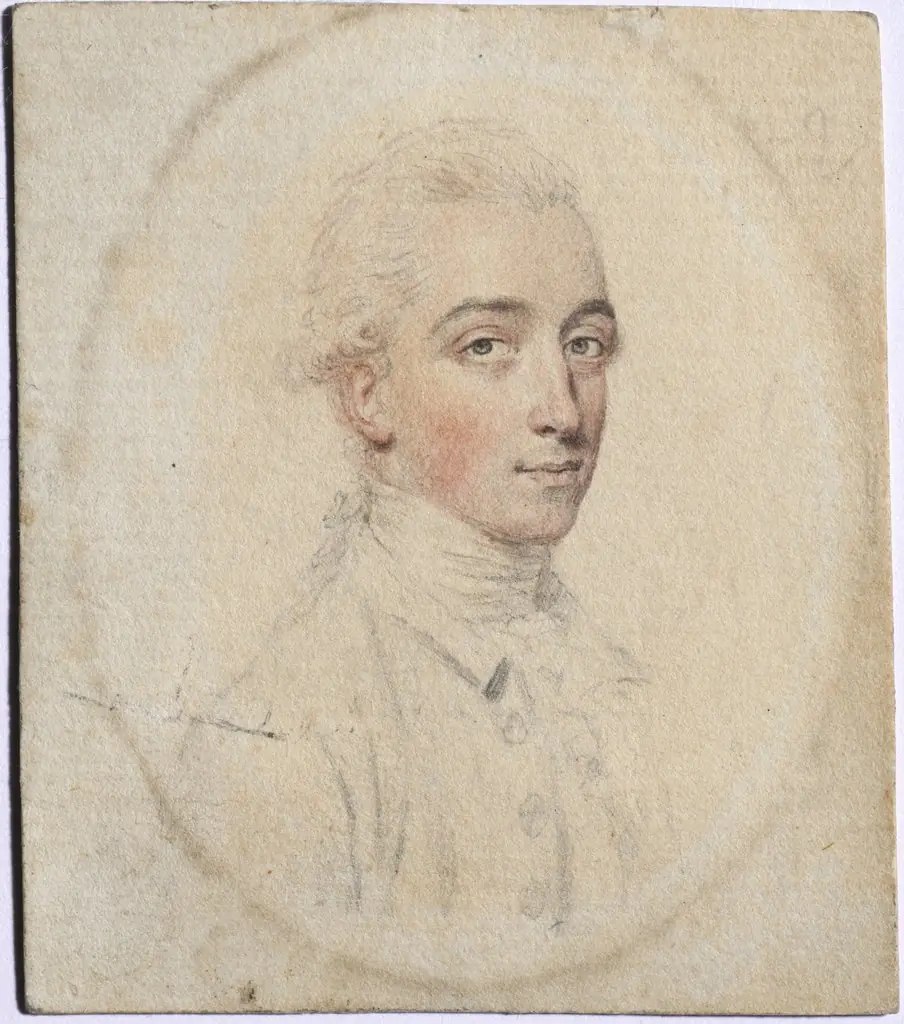
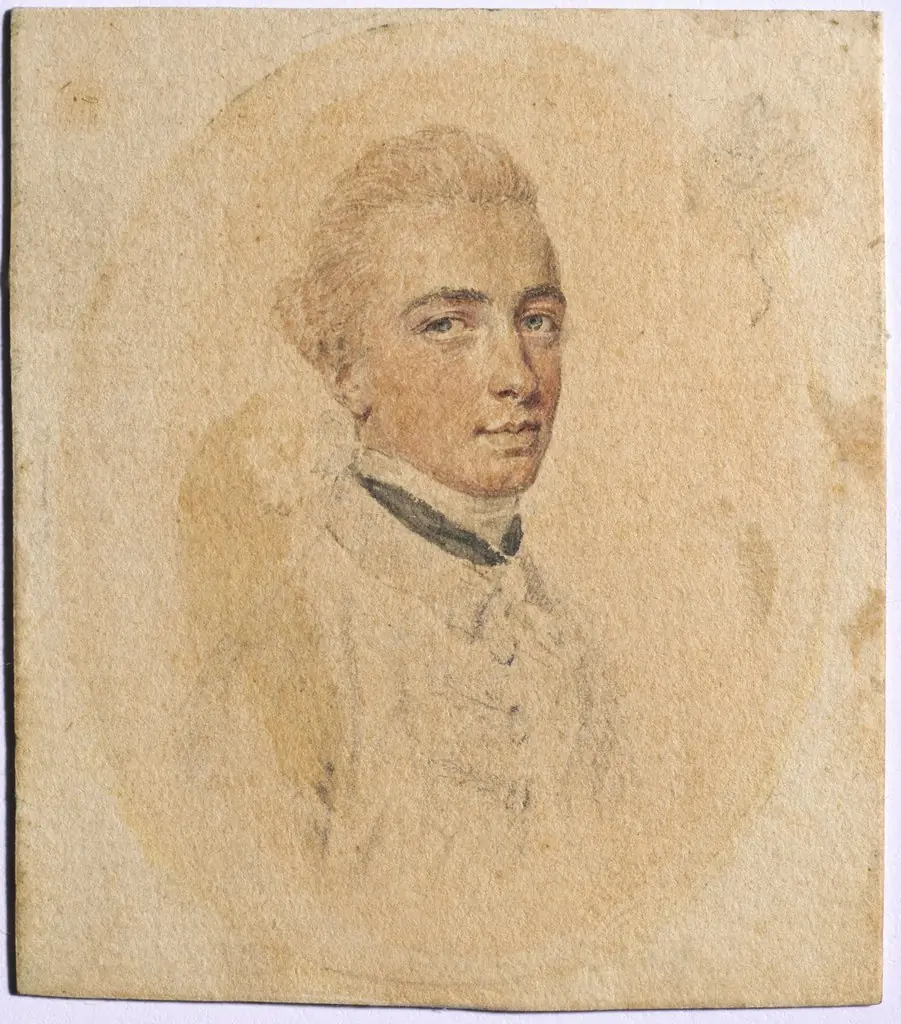
Portrait of Mr. Shippard is an unspecified portrait miniature by the Rococo painting artist John Smart. It dates from 1776 and is held in the collection of the Cleveland Museum of Art.
About this work
Look up more portraits from England, 18th century to see how these tiny faces shaped a whole era.
You see a small, careful portrait of a man in a powdered wig and dark coat.
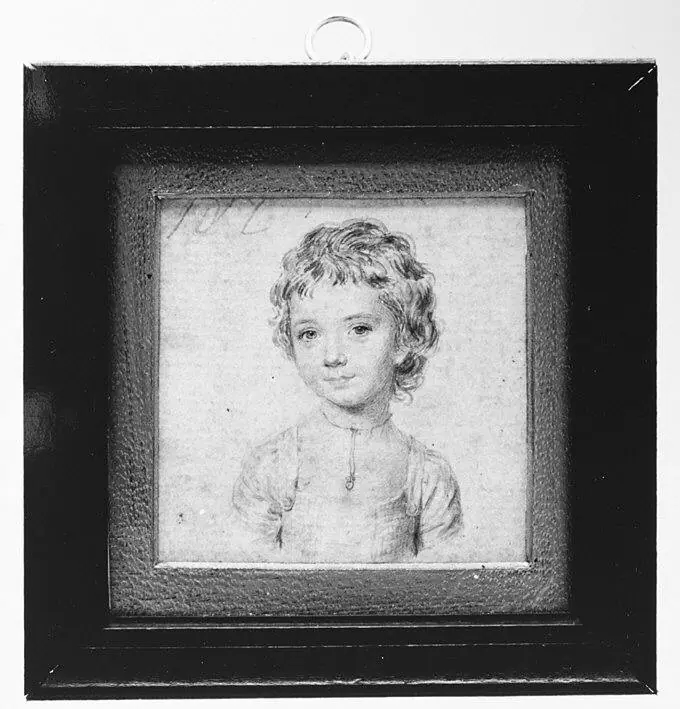
This is actually a practice sketch—one of hundreds the artist kept. He drew it first, then painted the final miniature. The lines are loose, almost like a quick note, but the face feels alive. It’s rare to peek at an artist’s first try.
Look up more portraits from England, 18th century to see how these tiny faces shaped a whole era.
Overview
This small graphite drawing is one of hundreds of preparatory studies by John Smart, created as preliminary work for portrait miniatures. Unlike finished works, it lacks color and full detail, focusing solely on the sitter’s head and upper neck. The sketch was likely retained by Smart for reference, not as a standalone piece. Its survival offers rare insight into his working method, revealing how he refined facial features before committing to watercolor on ivory.
Subject & Meaning
The sitter is a man with light hair combed back, wearing a powdered wig and a high collar, typical of late 18th-century male dress. His gaze turns left, capturing a quiet, unposed demeanor. No identity is confirmed beyond the original misattributed label 'Mr. Jones,' which originated from a later paper backing. The sketch’s intimacy lies not in known biography but in its unguarded presence—suggesting a moment of stillness before the formal portrait was painted.
Technique & Style
Executed in graphite, the drawing employs loose, economical lines to suggest form rather than define it. The oval format and bare background reflect Smart’s focus on the sitter’s features alone. Subtle shading defines the contours of the face and the texture of the wig, while the collar is indicated with minimal strokes. The absence of color and detail underscores its function as a study, yet the vitality of the expression reveals Smart’s acute observational skill.
History & Provenance
The sketch was once part of a sketchbook given by Smart’s daughter Sarah to Mary Smirke, sister of architect Sydney Smirke. Around 1877, the book was disassembled, and its contents divided between Mary’s daughters. In 1928, both portions were auctioned. Art historian G. C. Williamson later identified these drawings as preparatory studies, though many sitter attributions remain speculative. The label 'Mr. Jones' attached to this piece has no documentary basis and was added after removal from the original volume.
Context
In late 18th-century England, portrait miniatures were prized as personal mementos among the gentry. Artists like Smart often produced multiple studies to perfect likeness and expression before painting on ivory. Retaining these sketches was uncommon, making Smart’s archive exceptional. These drawings reveal a private, iterative process behind public commissions, contrasting with the polished finish of the final works displayed in homes and collections.
Legacy
Smart’s preserved sketches transformed understanding of miniature painting as a process, not merely a product. Their survival allowed later scholars to trace his artistic decisions and refine attributions of finished portraits. Though once considered mere drafts, these studies are now valued as intimate records of 18th-century portraiture’s craftsmanship. They offer a window into the artist’s hand and mind, bridging the gap between conception and completion.
Artist & collection
Artist
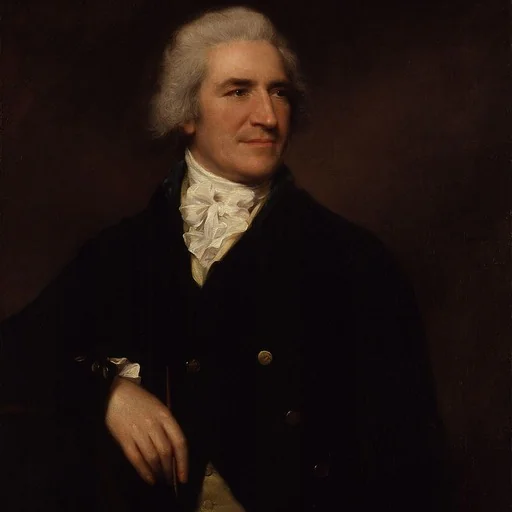
John Smart (1 May 1741 – 1 May 1811) was an English painter who specialised in portrait miniatures. He was a contemporary of Richard Cosway, George Engleheart, William Wood and Richard Crosse.