Artwork
Water Lily
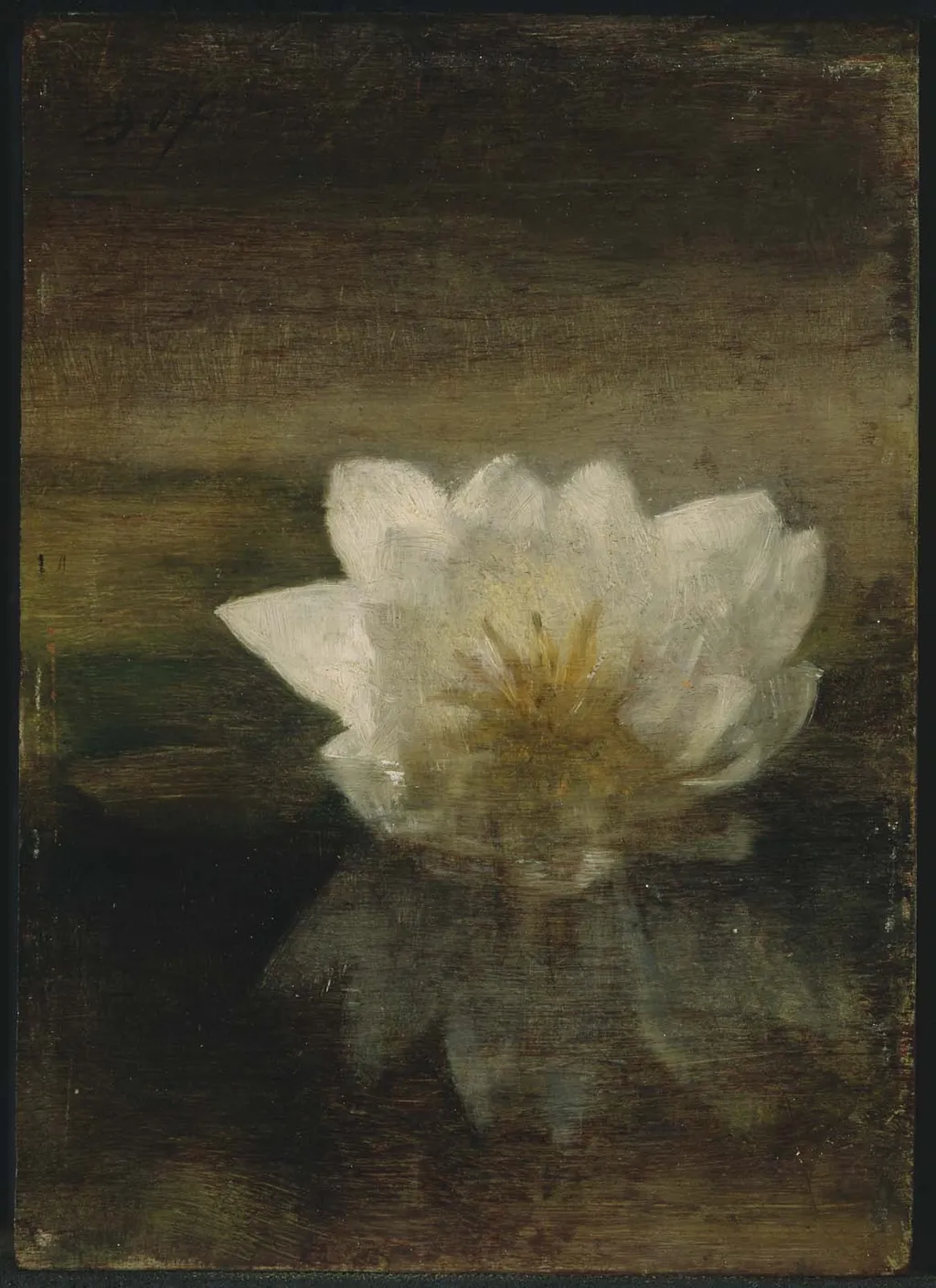
Water Lily is an unspecified painting by the American Impressionist artist John La Farge. It dates from 1890 and is held in the collection of the Museum of Fine Arts Boston.
About this work
Overview
John La Farge painted *Water Lily* in 1890, a quiet study of a single aquatic bloom that reflects his broader interest in color harmony and natural form.
John La Farge painted *Water Lily* in 1890, a quiet study of a single aquatic bloom that reflects his broader interest in color harmony and natural form. Though known for murals and stained glass, this work belongs to his lesser-known but significant contributions to American Impressionism. The painting is part of the Museum of Fine Arts, Boston’s permanent collection, where it stands as a subtle example of his transition from decorative arts to intimate oil studies.
Subject & Meaning
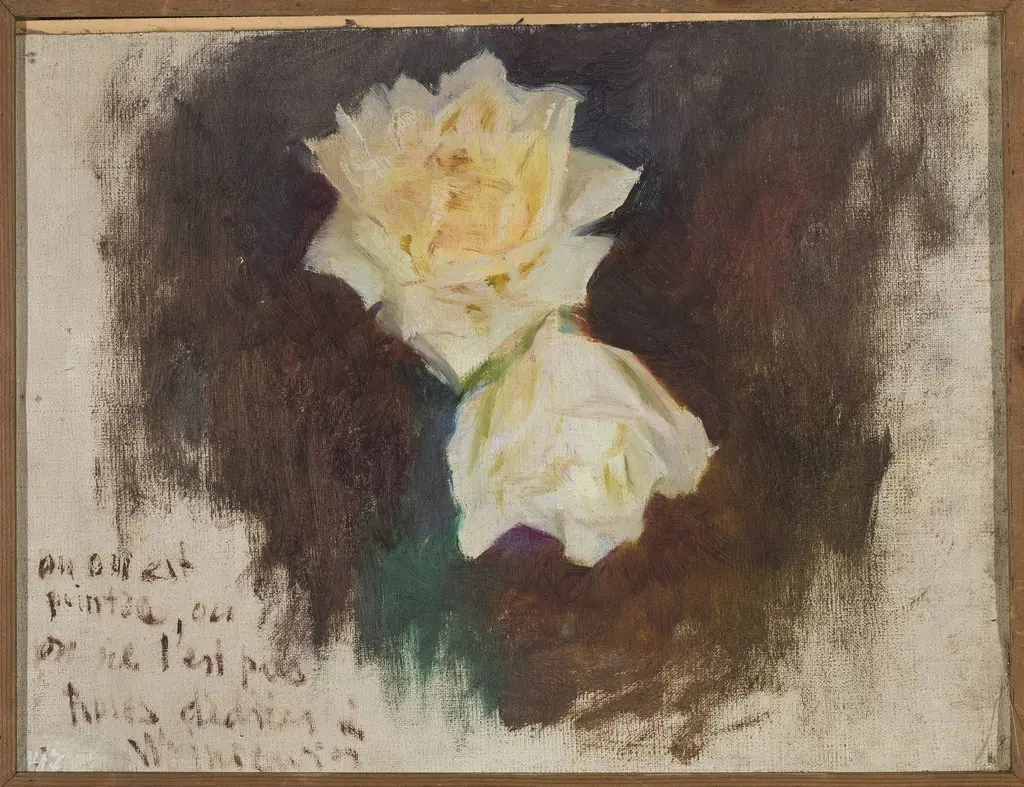
The painting centers on a single white water lily, fully open, with a bright yellow center, rendered with careful attention to its natural structure. Set against a deep, gradient background of brown and black, the flower emerges as a solitary presence, evoking stillness and introspection. There is no narrative or symbolic reference beyond the flower itself, suggesting an emphasis on observation and the quiet beauty of the natural world.
Technique & Style
La Farge employed visible, deliberate brushstrokes to model the petals and center of the lily, capturing subtle shifts in light and texture. The dark, almost monochromatic background enhances the flower’s luminosity without relying on atmospheric perspective. His approach blends realism with impressionistic handling of pigment, revealing his deep understanding of color relationships developed through years of working with glass and pigment layers.
History & Provenance
Created in 1890, *Water Lily* emerged during a period when La Farge was increasingly focused on smaller-scale works after his major mural commissions. The painting remained in private hands until it entered the Museum of Fine Arts, Boston’s collection, where it has been preserved as part of the museum’s holdings of 19th-century American art. Its provenance reflects La Farge’s enduring influence among collectors of American Impressionist works.
Context
In the late 19th century, American artists were turning to nature for subject matter, influenced by French Impressionism but often with a more restrained aesthetic. La Farge’s *Water Lily* aligns with this trend, yet differs in its intensity of focus and lack of landscape context. His background in design and color theory informed a methodical approach, distinguishing his work from the looser brushwork of his European contemporaries.
Legacy
Though not widely exhibited, *Water Lily* exemplifies La Farge’s ability to merge technical precision with poetic restraint. It contributes to a broader understanding of American Impressionism as a diverse movement, not solely defined by plein air scenes. The painting remains a reference point for scholars examining how decorative artists extended their color sensibilities into fine art.
Artist & collection

Artist
John La Farge (March 31, 1835 – November 14, 1910) was an American artist whose career spanned illustration, murals, interior design, painting, and popular books on his Asian travels and other art-related topics.

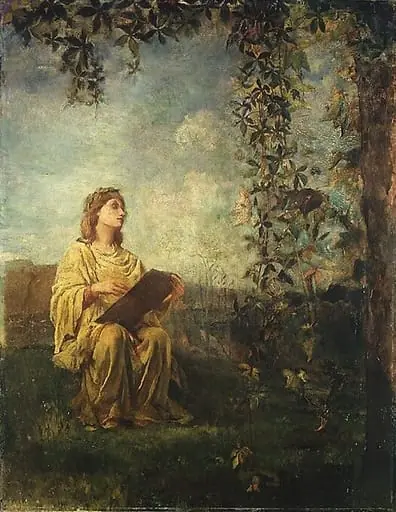 The Muse of Painting
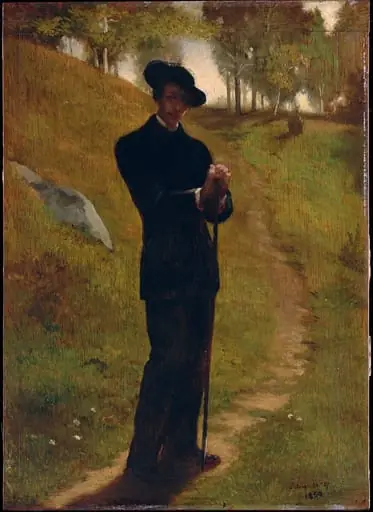 Portrait of the Painter
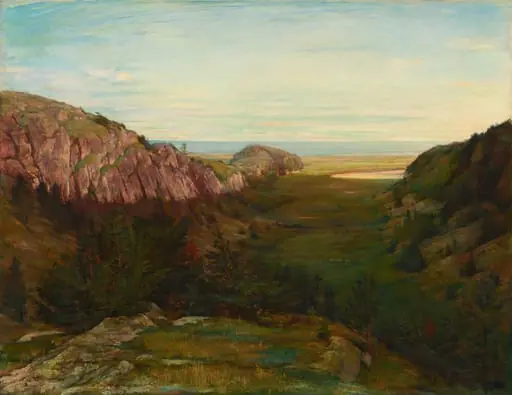 The Last Valley - Paradise Rocks
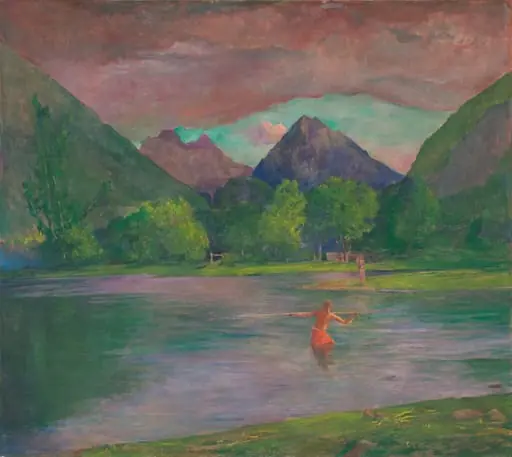 The Entrance to the Tautira River, Tahiti. Fisherman Spearing a Fish
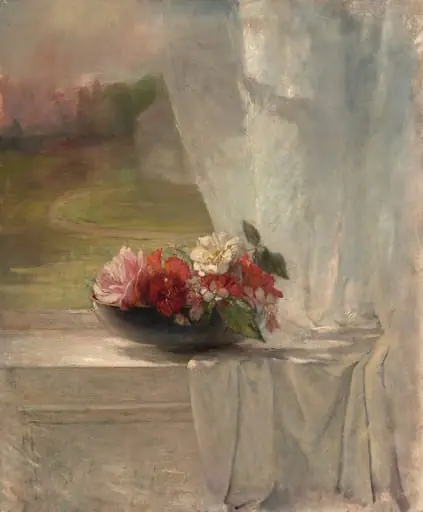 Flowers on a Window Ledge
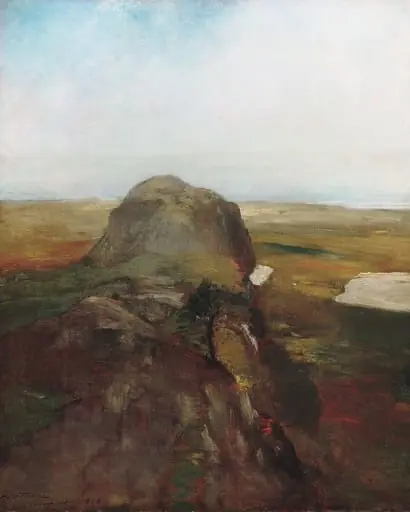 Autumn Study, View over Hanging Rock, Newport, R.I.
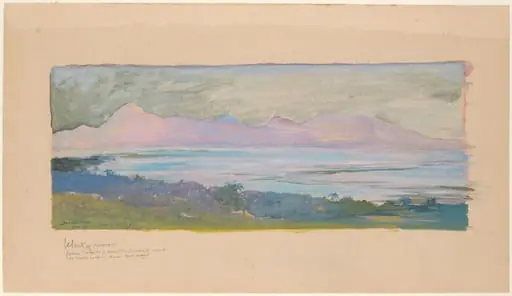 The Island of Moorea Looking across the Strait from Tahiti, January 1891
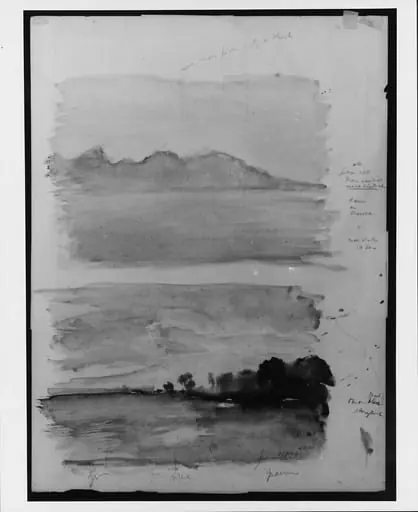 Double Study of Dawn, Moorea Seen across the Water, Tahiti