Artwork
Portrait of Lady Lavery as Kathleen Ni Houlihan
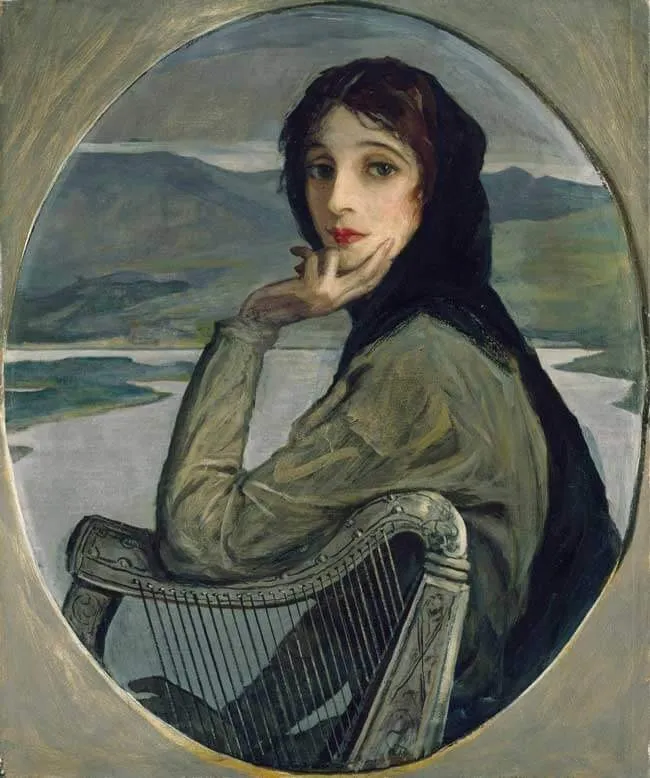
Portrait of Lady Lavery as Kathleen Ni Houlihan is an oil painting by John Lavery. It dates from 1927 and is held in the collection of the National Gallery of Ireland.
About this work
Overview
It resides in the National Gallery of Ireland, where it continues to invite interpretation as both a private portrait and a public emblem.
Painted in 1927 by Sir John Lavery, this oil portrait presents his wife, Hazel Lavery, embodying the symbolic figure of Kathleen Ni Houlihan, a personification of Irish nationalism. The work merges personal likeness with national allegory, reflecting the cultural climate of post-independence Ireland. It resides in the National Gallery of Ireland, where it continues to invite interpretation as both a private portrait and a public emblem.
Subject & Meaning
Hazel Lavery is depicted not merely as herself but as Kathleen Ni Houlihan, a mythical woman representing Ireland’s sovereignty and sacrifice. Her stillness and direct gaze evoke solemn resolve, while the dark scarf recalls traditional Irish mourning attire. The landscape behind her—mountains and water—suggests the enduring land she embodies. The painting transforms a domestic image into a civic symbol, aligning personal identity with national myth.
Technique & Style
Lavery employed subtle chiaroscuro to model the face and fabric, creating soft transitions between light and shadow that lend volume without harsh contrast. The palette is restrained, dominated by muted earth tones and pale fabric against a hazy, atmospheric background. Brushwork is fluid yet controlled, emphasizing texture in the scarf and skin while allowing the distant landscape to recede into gentle ambiguity, reinforcing the figure’s symbolic weight.
History & Provenance
Commissioned shortly after the establishment of the Irish Free State, the painting was intended for public display to reinforce national identity. It entered the National Gallery of Ireland’s collection in the late 1920s and has remained there since. Though privately painted, its public reception quickly elevated it beyond a familial portrait, becoming a recognized cultural artifact tied to the nation’s evolving self-image.
Context
Created during a period of intense nation-building, the portrait responded to a cultural push to visualize Irish identity beyond British influence. Kathleen Ni Houlihan had appeared in literature and theater as a symbol of resistance; Lavery’s depiction translated this into visual art. The timing—just years after the Anglo-Irish Treaty—gave the image added resonance, offering a serene yet powerful emblem of sovereignty rooted in tradition.
Legacy
The painting endures as a quiet but potent representation of how personal and political identities intersect in art. It has been referenced in discussions of Irish visual culture and gendered national symbols. While not overtly political in tone, its enduring presence in the National Gallery underscores its role in shaping how Ireland chose to portray itself in the early decades of independence.
Artist & collection
Artist
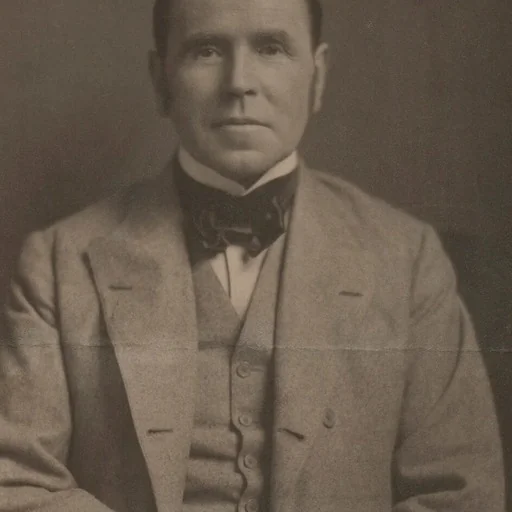
Sir John Lavery (20 March 1856 – 10 January 1941) was an Irish painter best known for his portraits and wartime depictions.

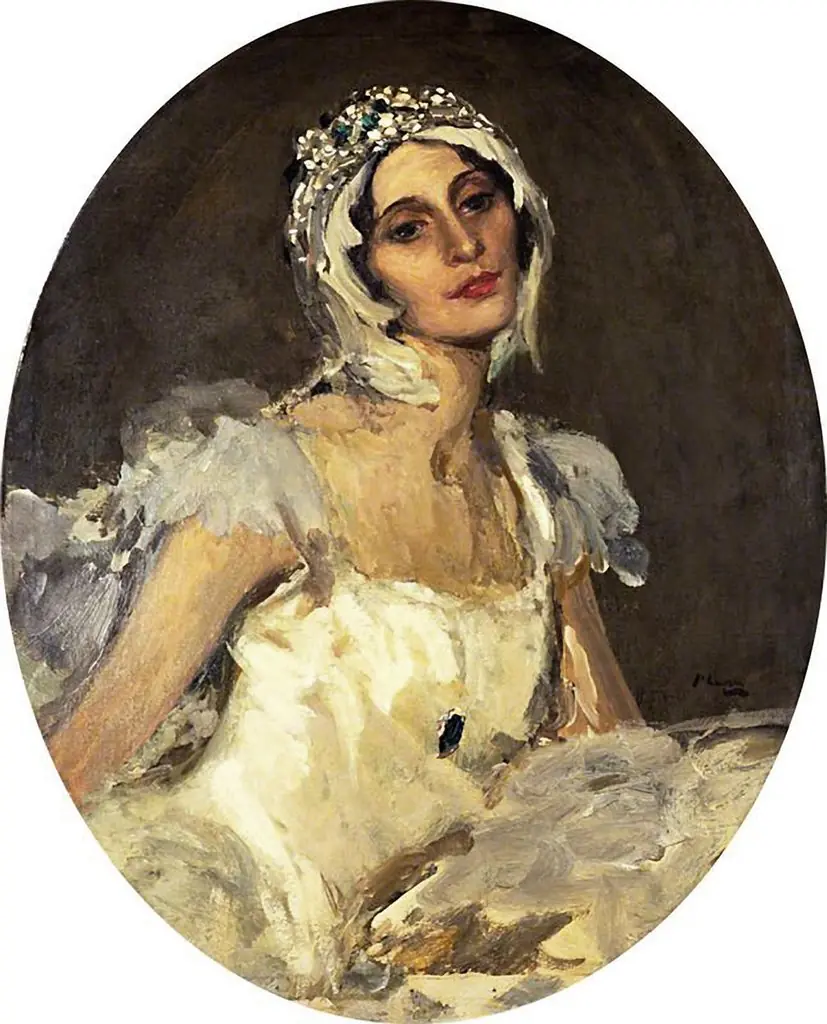 Anna Pavlova (1881–1931), as 'The Dying Swan'
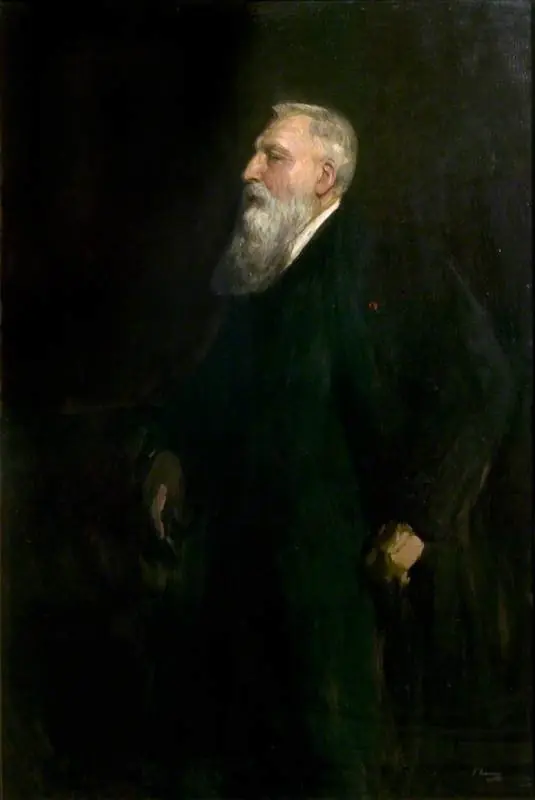 Auguste Rodin (1840–1917)
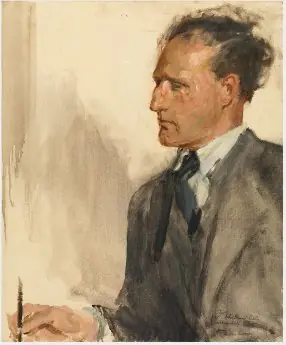 Portrait of John Stewart Collis (1900-1984), Author
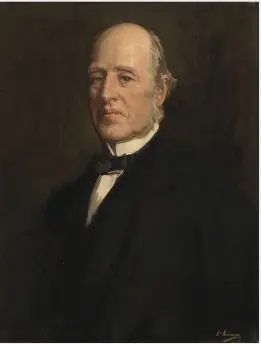 Portrait of W.E.H. Lecky (1838-1903), Historian
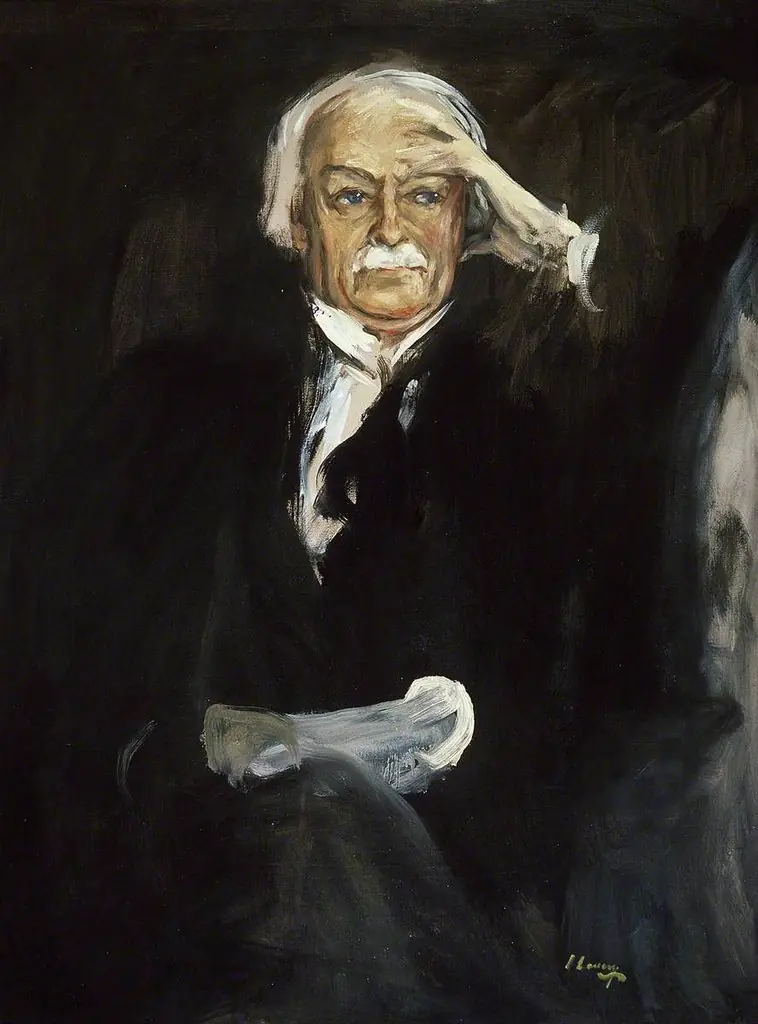 David Lloyd George (1863–1945)
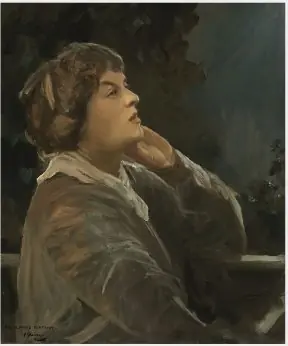 Portrait of Dora Sigerson (Mrs Shorter) (c.1870-1918), Poet
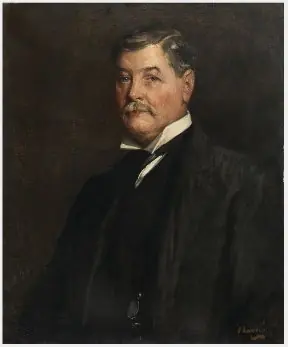 Portrait of T.P. O'Connor, Parliamentarian and Journalist
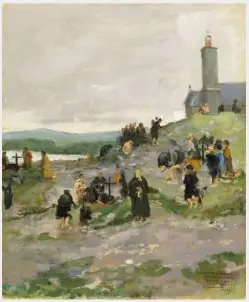 Saint Patrick's Purgatory, Lough Derg
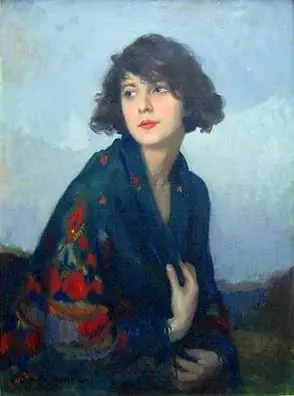 Woman with green shawl
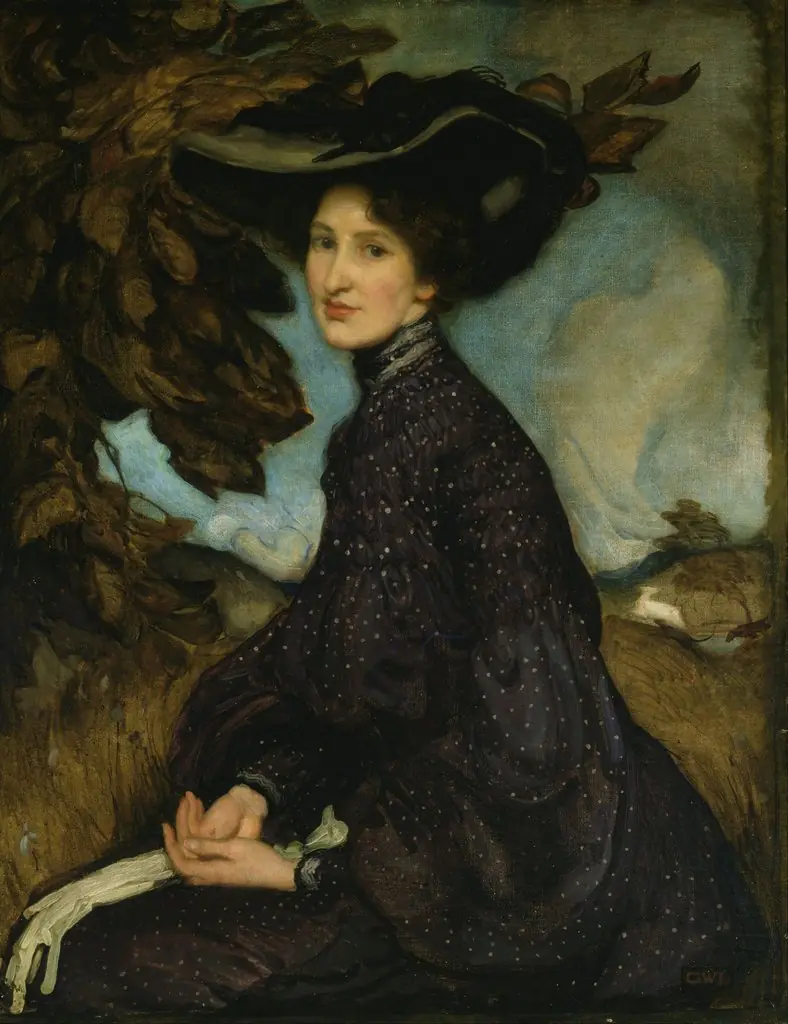 Miss Thea Proctor
 Femeie în verde
 Portrait of Miss Ethel Warwick
 Profil de femeie
 Mrs. Charles S. Carstairs
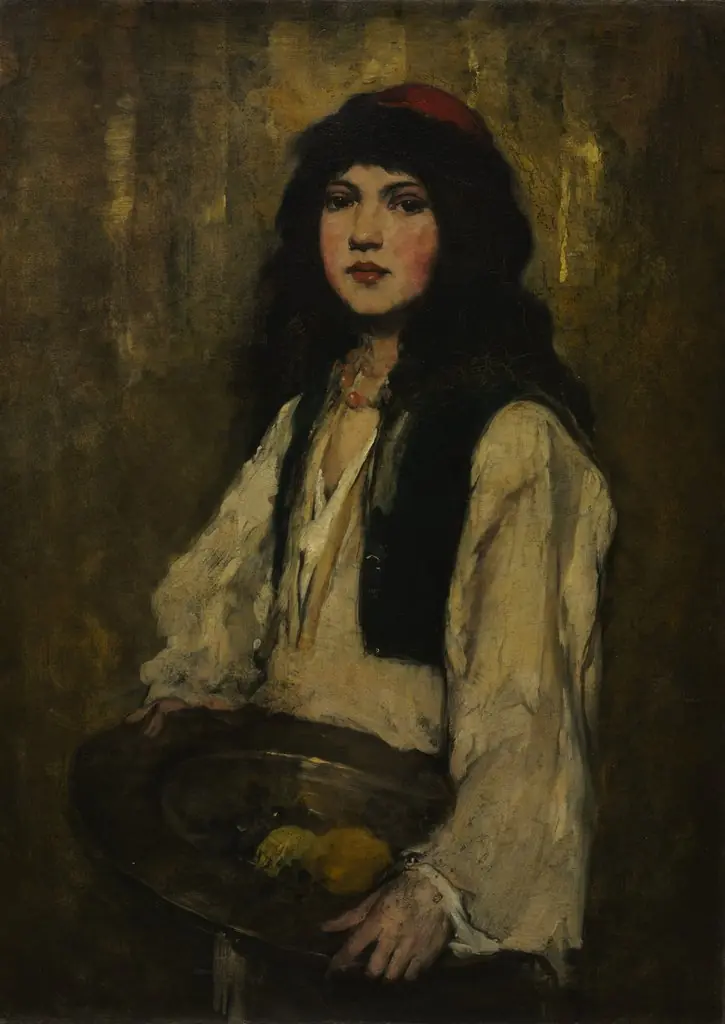 The Venetian Girl
 The Artist's Wife, Constance, Comtesse de Markievicz (1868-1927), Irish Painter and Revolutionary
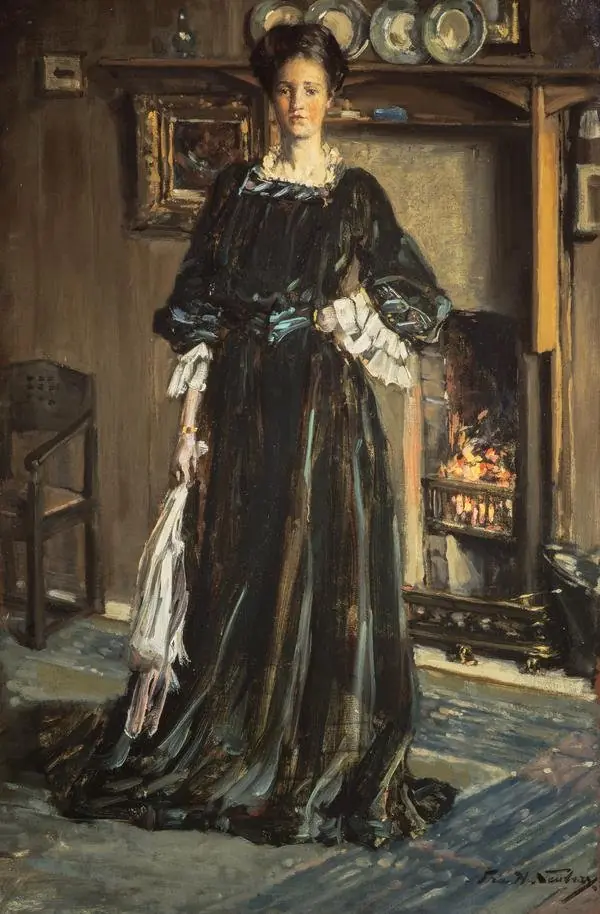 Eileen Lavery, 1890 - 1935
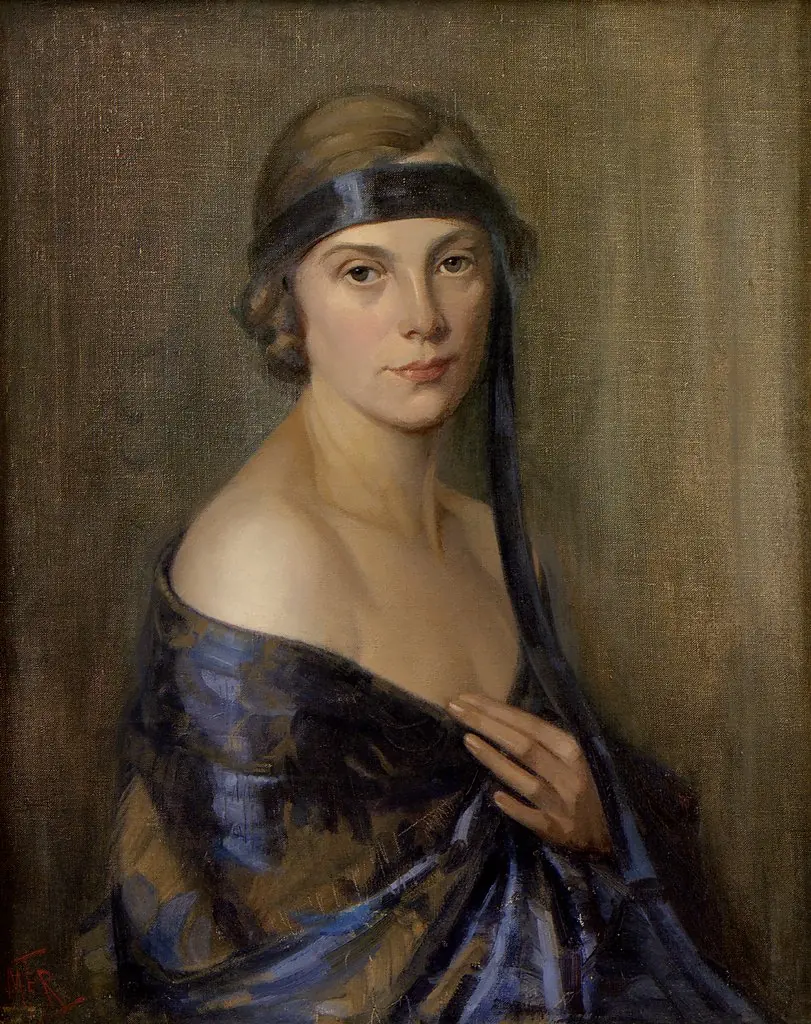 The blue ribbon
 Maud Murray Dale (Mrs. Chester Dale)
 Maggie Gripenberg