Artwork
Glacier Streams
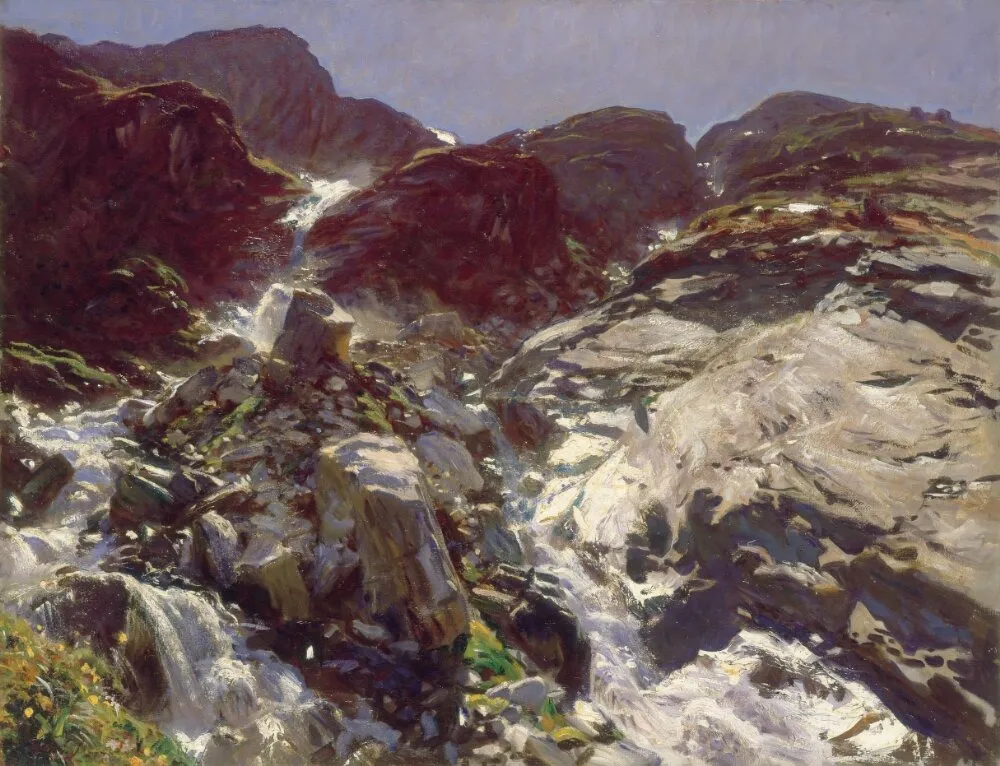
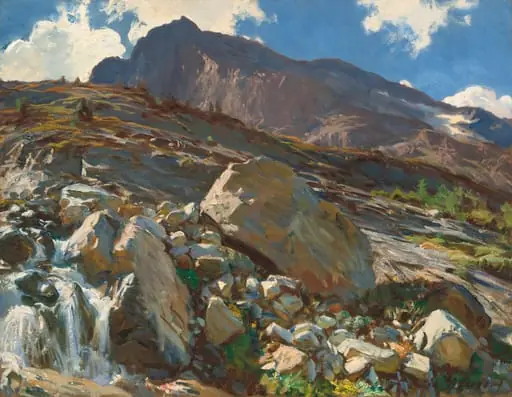
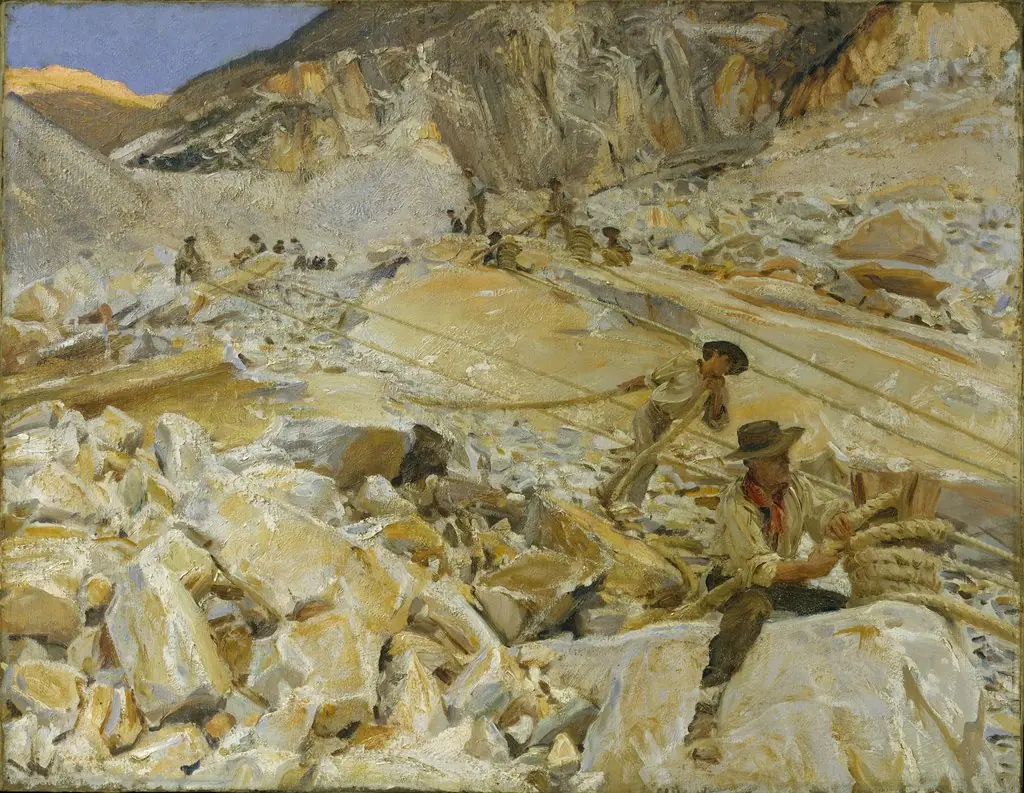
Glacier Streams is an oil painting by the American Impressionist artist John Singer Sargent. It dates from 1909 and is held in the collection of the Springfield Museums.
About this work
Overview
John Singer Sargent’s 1909 oil painting *Glacier Streams* depicts a tranquil alpine scene. A mountain range rises in the distance, its rocky peaks softened by patches of vegetation. In the foreground, large boulders—some dusted with snow—frame a clear stream that winds from the highlands toward the bottom edge of the canvas.
Subject & Meaning
The work captures a moment of quiet natural grandeur, emphasizing the gentle movement of water amid solid stone and distant mountains. The composition invites contemplation of the landscape’s enduring calm, suggesting a harmonious relationship between the fleeting flow of the stream and the timeless solidity of the surrounding terrain.
Technique & Style
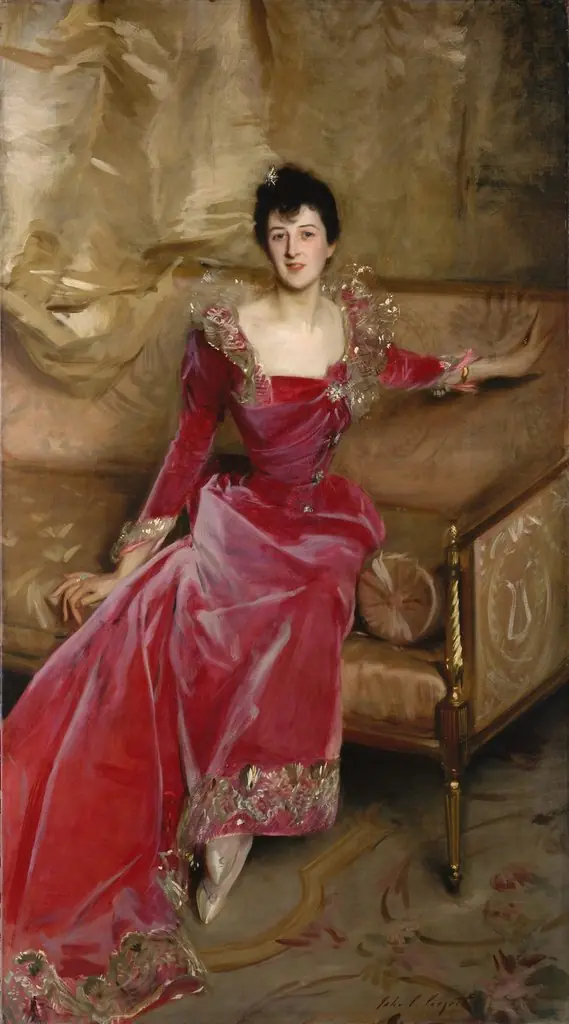
Executed in oil, the painting displays Sargent’s characteristic loose brushwork, with visible strokes that create a textured surface. A muted palette of browns, grays, and greens conveys atmospheric subtlety, while the handling of light on snow‑capped rocks and water reflects the influence of American Impressionism’s focus on fleeting illumination.
History & Provenance
Created during Sargent’s extensive travels, *Glacier Streams* was completed after his European training in Florence and Paris. The painting entered the collection of Sweden’s Nationalmuseum, where it remains part of the institution’s holdings of early‑20th‑century American art.
Context
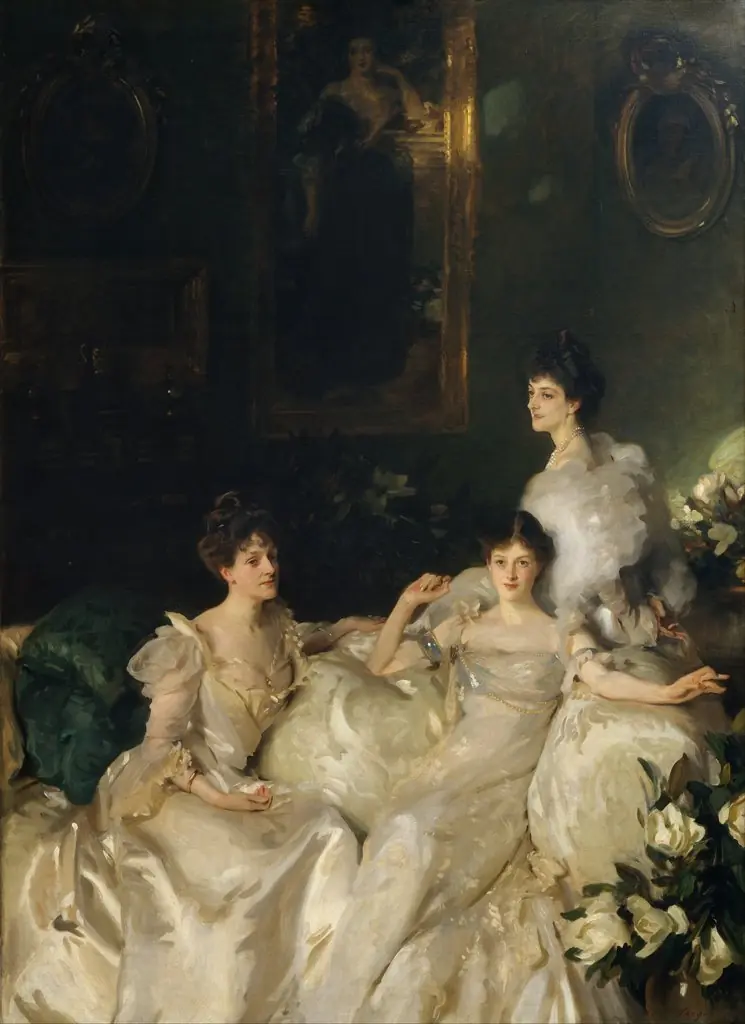
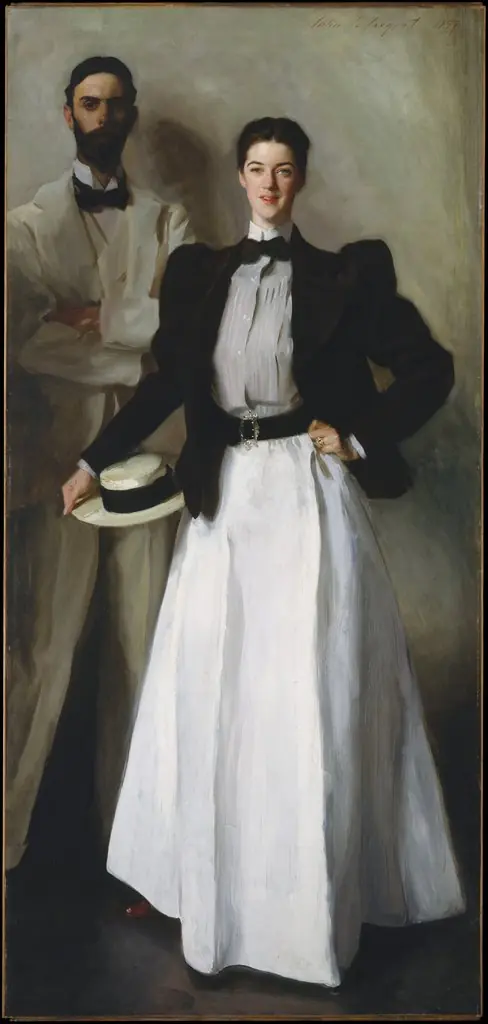
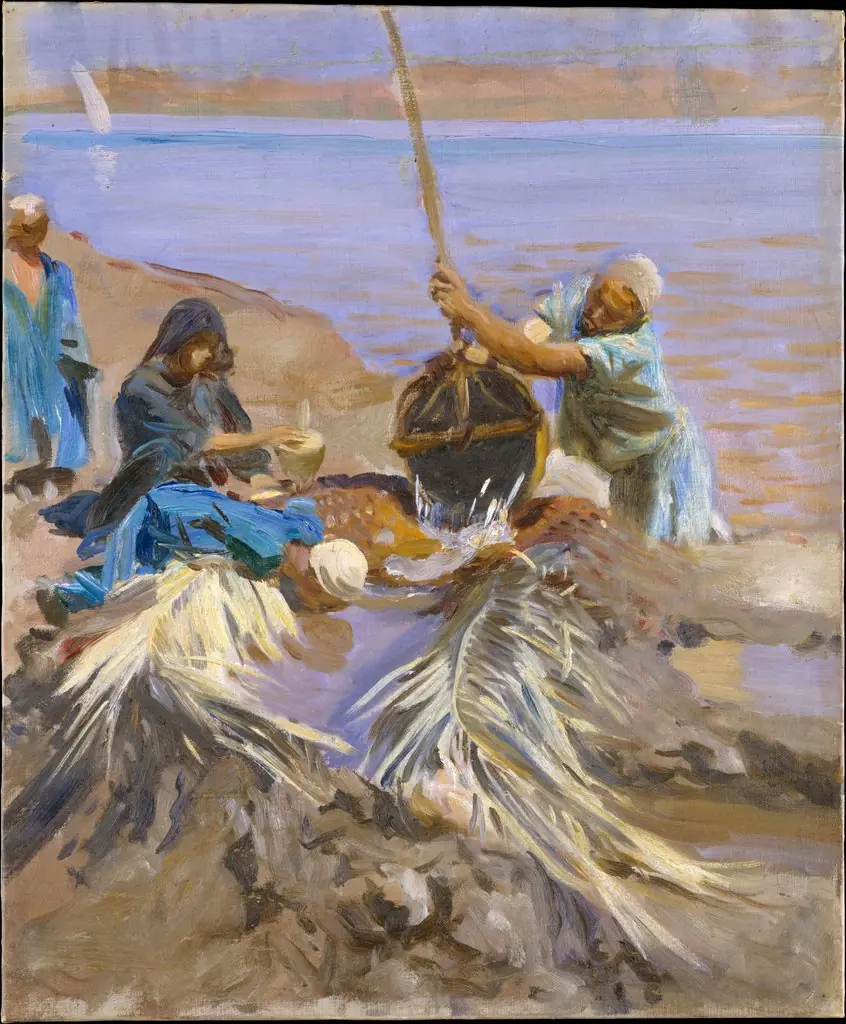
Although best known for society portraiture, Sargent produced a substantial body of landscape work that documented his journeys across continents. This piece exemplifies his lesser‑known interest in natural scenery, aligning with contemporary trends that valued plein‑air observation and the impressionistic rendering of light and atmosphere.
Artist & collection
Artist
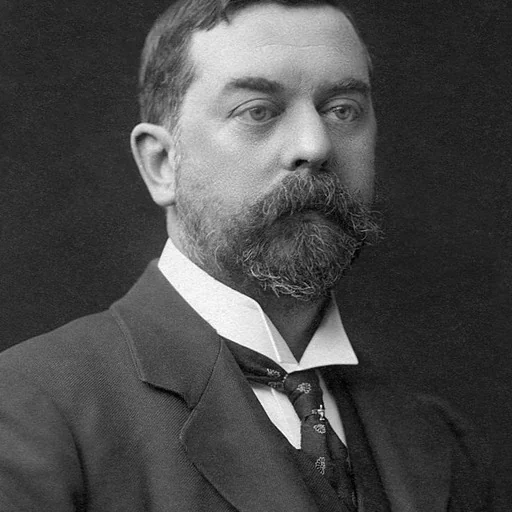
John Singer Sargent (; January 12, 1856 – April 15, 1925) was an American expatriate artist, considered the "leading portrait painter of his generation" for his evocations of Belle Époque and Edwardian-era luxury.