Artwork
Mrs. James Smith (Elizabeth Murray)
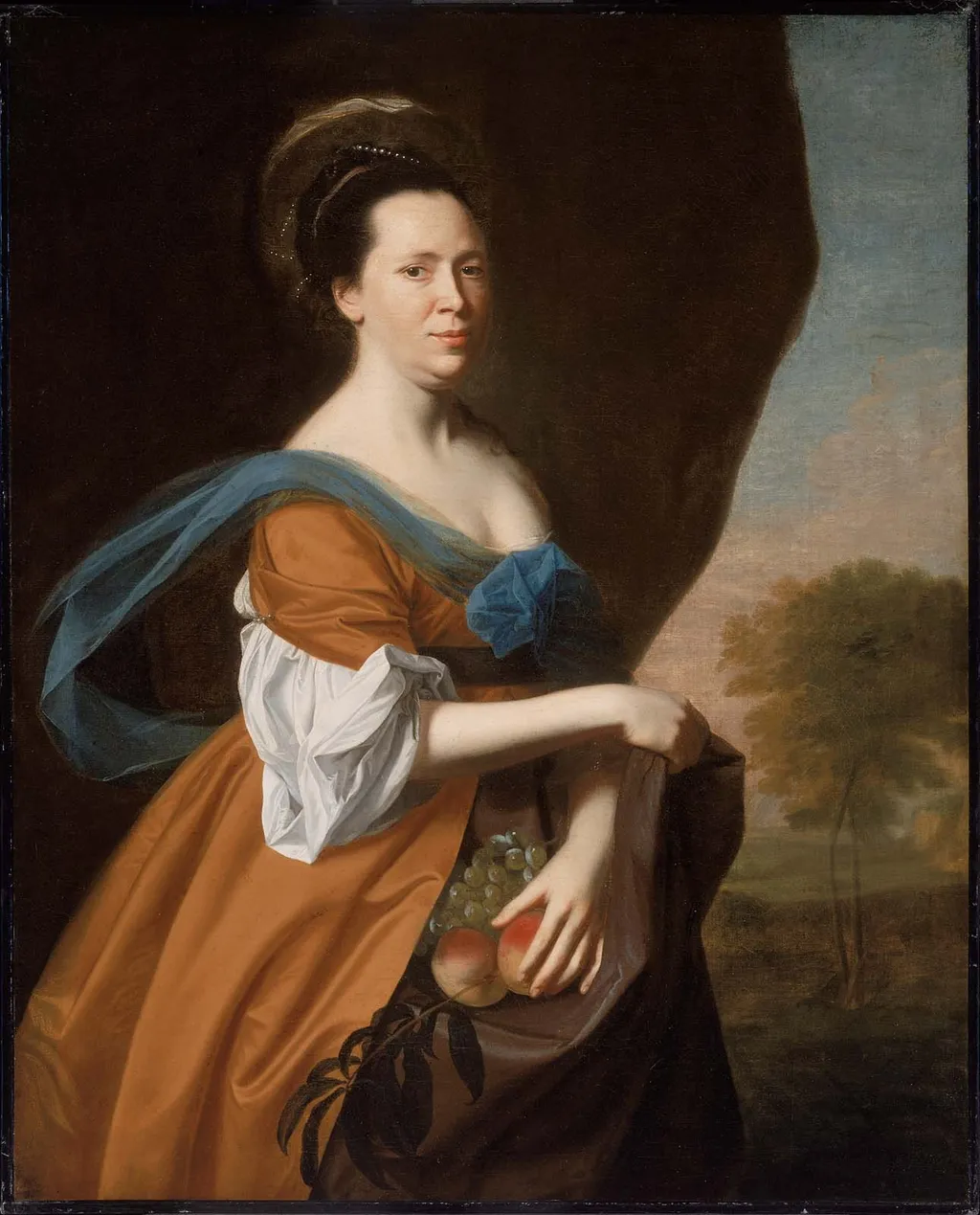
Mrs. James Smith (Elizabeth Murray) is an oil painting by the Rococo painting artist John Singleton Copley. It dates from 1769 and is held in the collection of the Museum of Fine Arts Boston.
About this work
Overview
Executed in oil on canvas, the work exemplifies his skill in capturing the poise and social standing of New England’s merchant class.
John Singleton Copley completed this portrait of Elizabeth Murray in 1769, during his early career in colonial America. Executed in oil on canvas, the work exemplifies his skill in capturing the poise and social standing of New England’s merchant class. Copley, born in Boston to Anglo-Irish parents, had not yet relocated to London, where he would later pursue academic recognition. The painting remains in the Museum of Fine Arts, Boston, as part of its foundational collection of American portraiture.
Subject & Meaning
Elizabeth Murray, wife of merchant James Smith, is portrayed not as a passive aristocrat but as a cultivated woman of taste. Her poised stance, the fruit-laden cloth in her lap, and the refined textiles suggest domestic refinement and economic comfort. The subtle inclusion of fruit may allude to abundance or seasonal plenty, while her direct yet reserved gaze reflects the composure expected of elite women in colonial society. The portrait affirms her identity through quiet elegance rather than overt symbolism.
Technique & Style
Copley employed precise brushwork and careful modeling to render fabric textures—particularly the orange silk dress and white lace sleeves—with lifelike detail. He used chiaroscuro to isolate the figure against a dark, indistinct background, enhancing three-dimensionality. A faint landscape glimpsed to the right adds depth without distracting from the subject. The blue sash and dark headband introduce restrained color contrasts, demonstrating his sensitivity to tonal harmony and the influence of British portraiture traditions.
History & Provenance
Commissioned by the Smith family in Boston, the portrait remained in private hands for generations before entering the Museum of Fine Arts, Boston’s collection. Its preservation reflects the enduring value placed on Copley’s early works by New England collectors. Unlike many of his later London paintings, this piece retains its original frame and condition, offering a rare glimpse into pre-Revolutionary American patronage and artistic practice.
Context
Painted before the American Revolution, the portrait reflects the cultural aspirations of Boston’s mercantile elite, who sought to align themselves with European notions of gentility. Copley’s style blended local realism with imported aesthetic ideals, responding to colonial clients’ desire for sophistication. Though influenced by Rococo elegance, his work avoided excessive ornamentation, favoring clarity and dignity—qualities that distinguished him from both British and continental contemporaries.
Legacy
This portrait stands as a key example of Copley’s formative period, illustrating his ability to convey character through subtle gesture and texture. It influenced subsequent American portraitists by demonstrating how local subjects could be rendered with technical rigor and psychological presence. Today, it remains a touchstone in the study of colonial art, valued for its historical specificity and quiet authority rather than theatrical flourish.
Artist & collection

Artist
John Singleton Copley (July 3, 1738 – September 9, 1815) was an American-born British painter active in both the Thirteen Colonies and England.

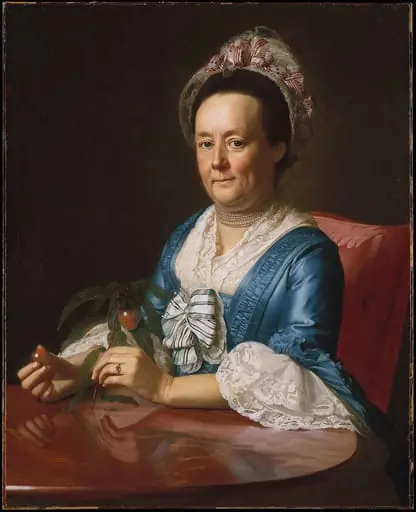

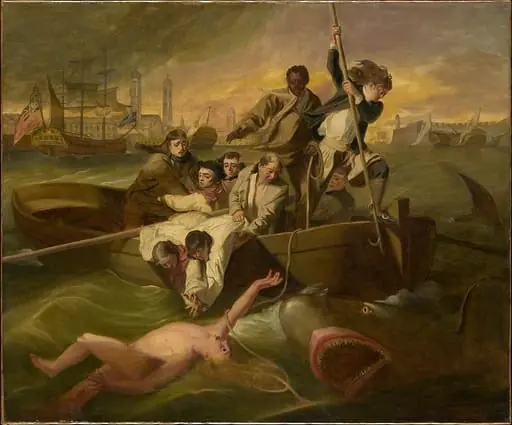
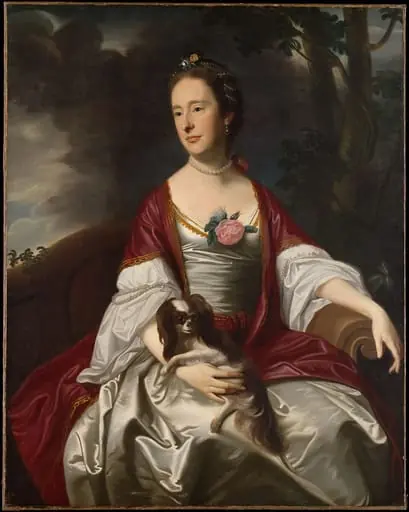

 Mrs. Joseph Warren (Elizabeth Hooton)
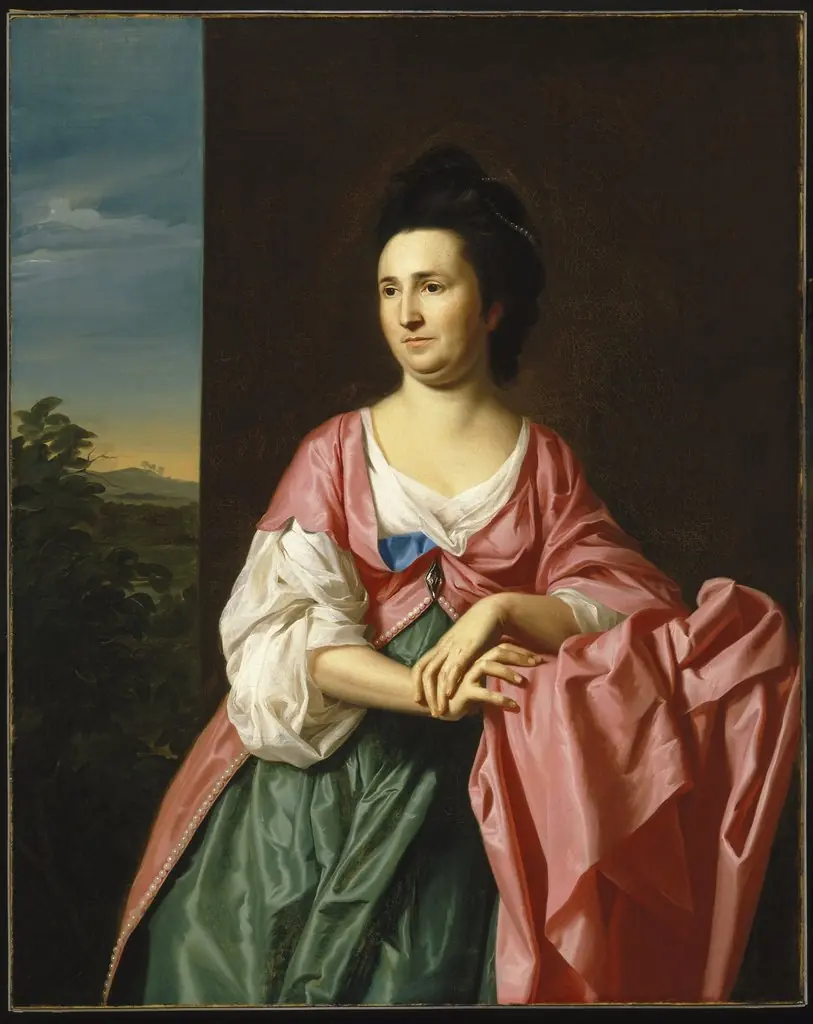 Mrs. Sylvester Gardiner, née Abigail Pickman, formerly Mrs. William Eppes
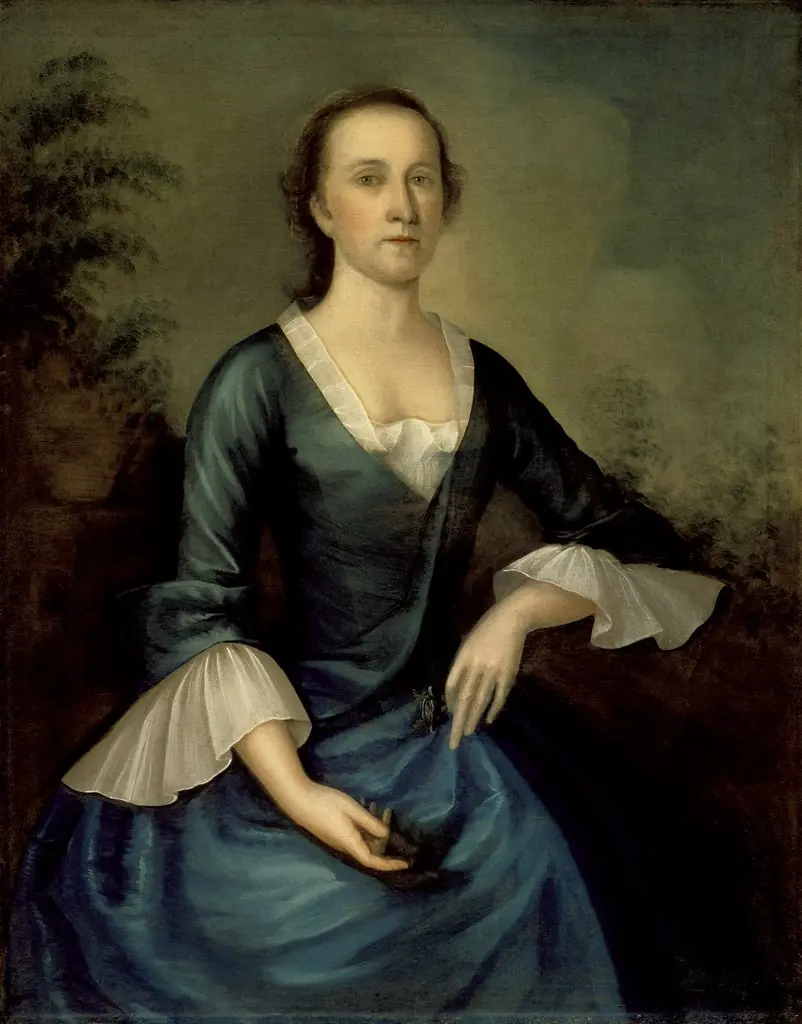 Portrait of Sarah Larrabee Edes
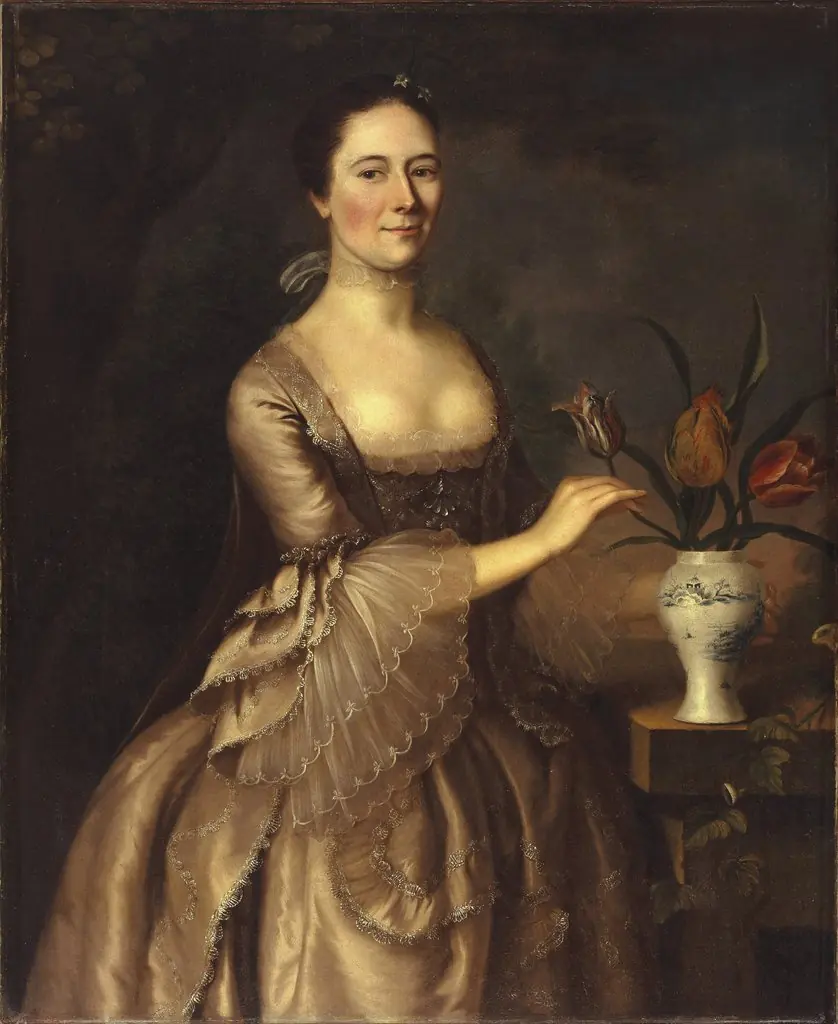 Portrait of a Woman
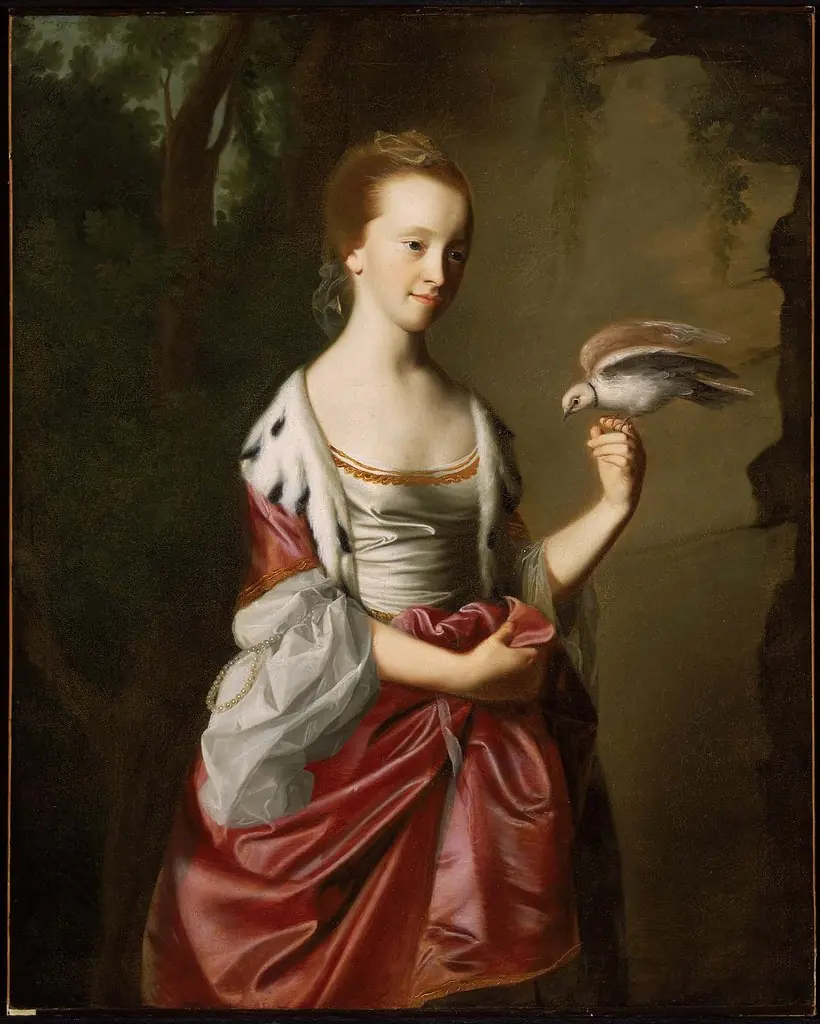 Elizabeth Ross (Mrs. William Tyng)
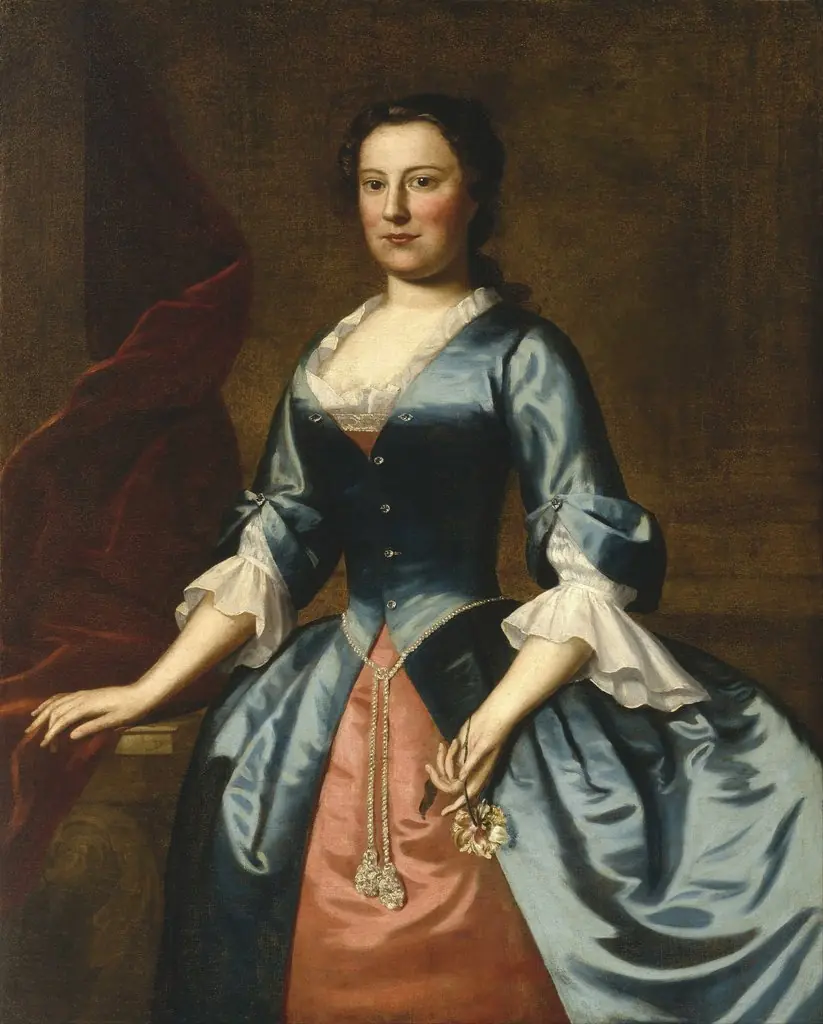 Portrait of Mrs. Samuel McCall, Sr. (Anne McCall, 1720–1785)
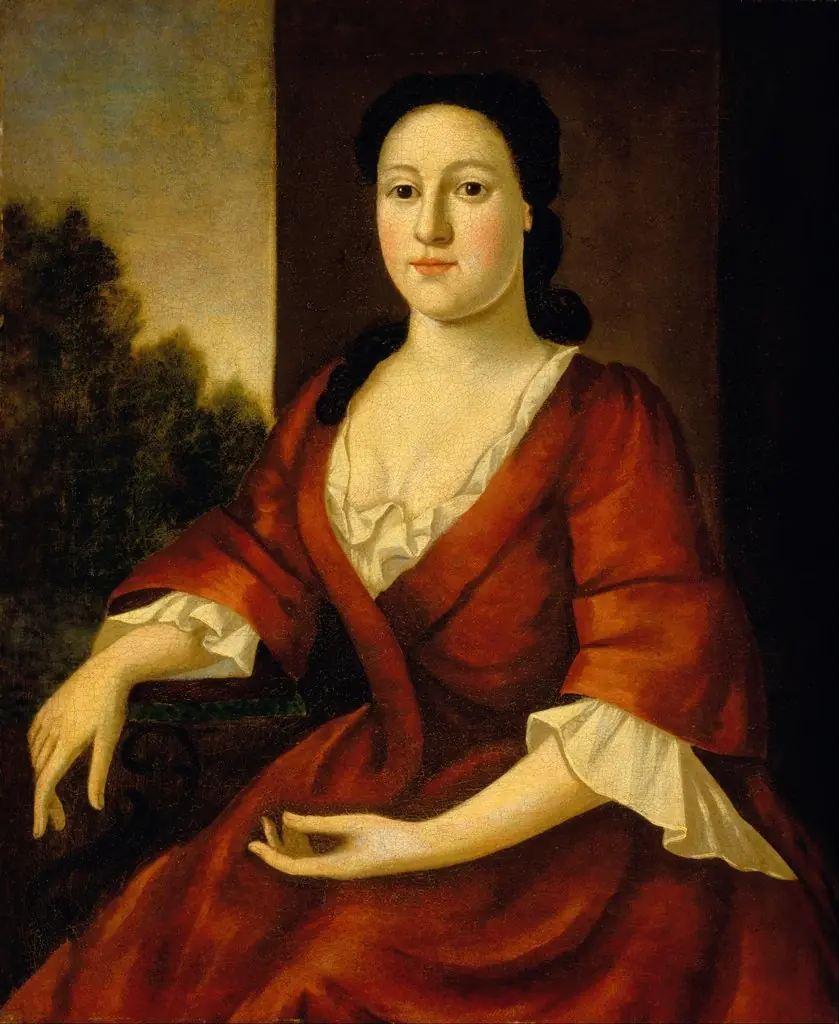 Portrait of Mrs. John Greenleaf (Priscilla Brown, born 1725)
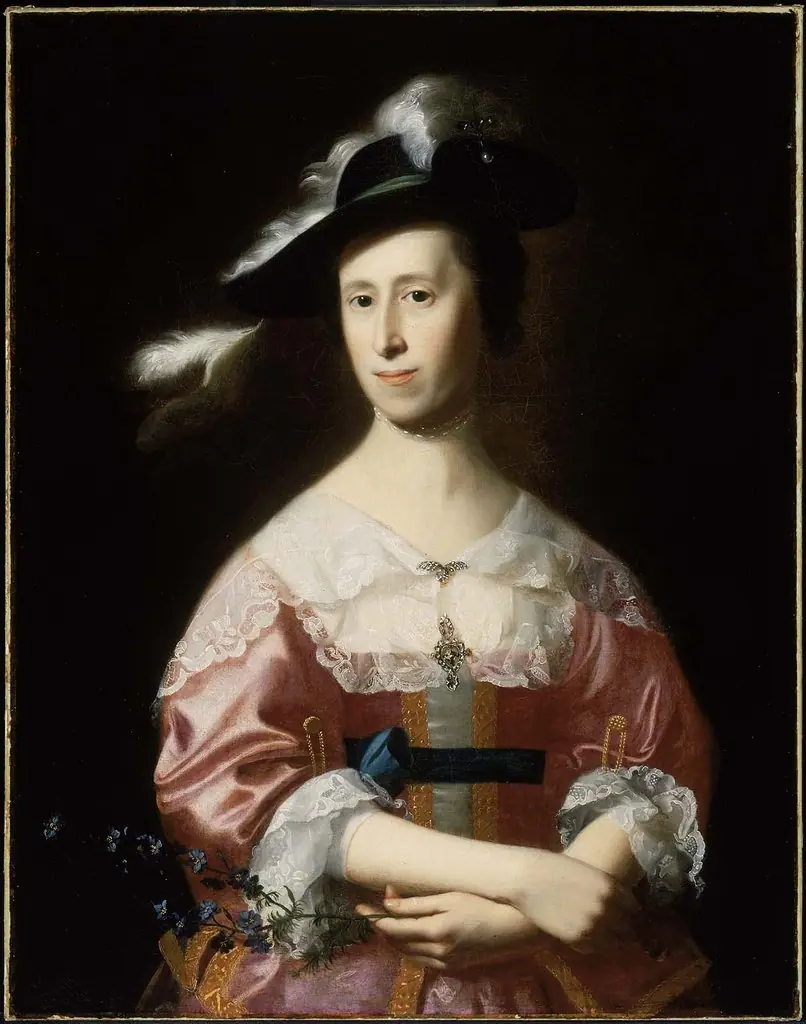 Mrs. Samuel Quincy (Hannah Hill)
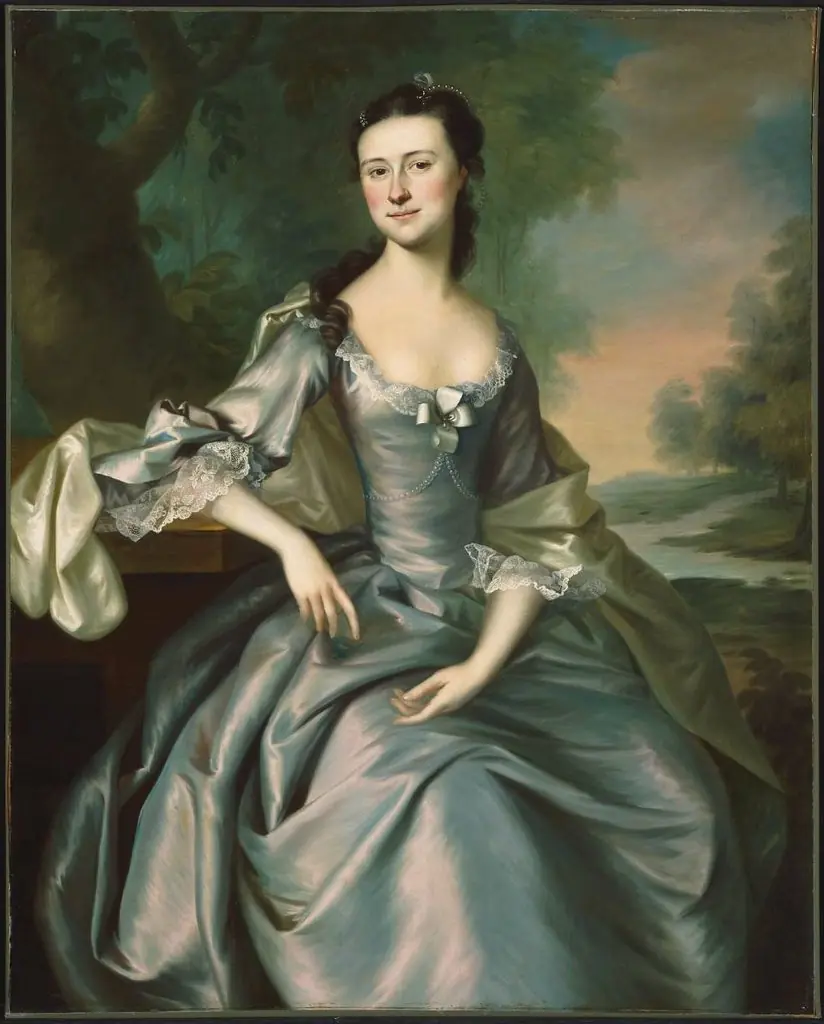 Susan Apthorp (Mrs. Thomas Bulfinch)