Artwork
Mrs. James Warren (Mercy Otis)
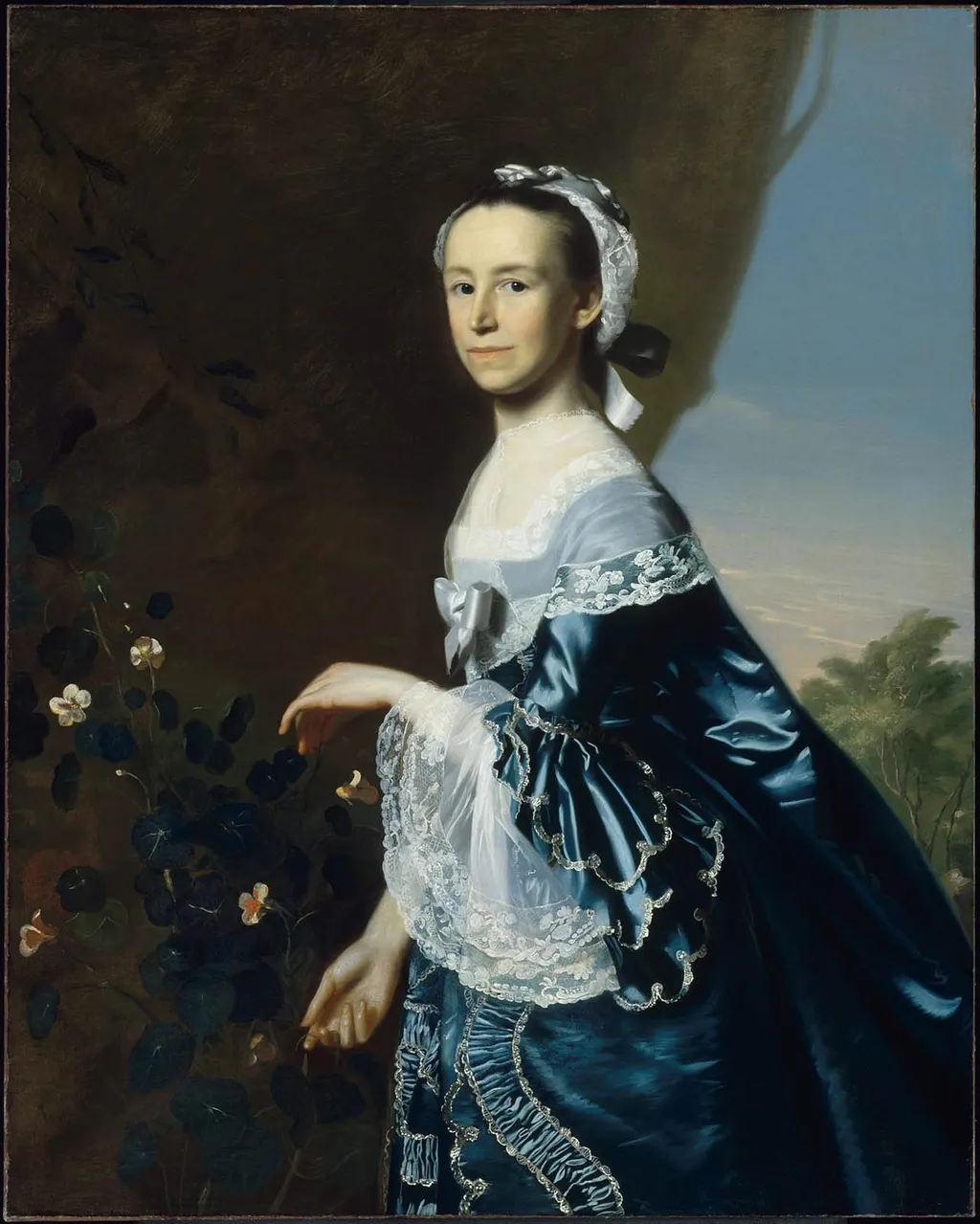
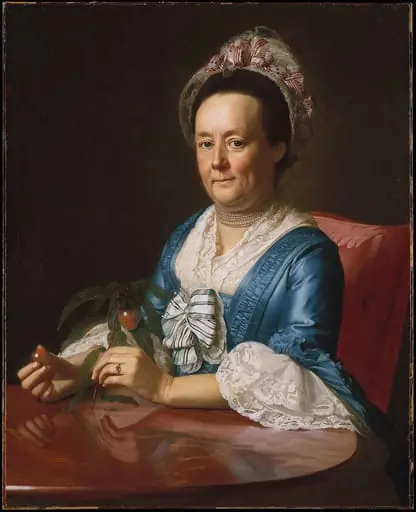
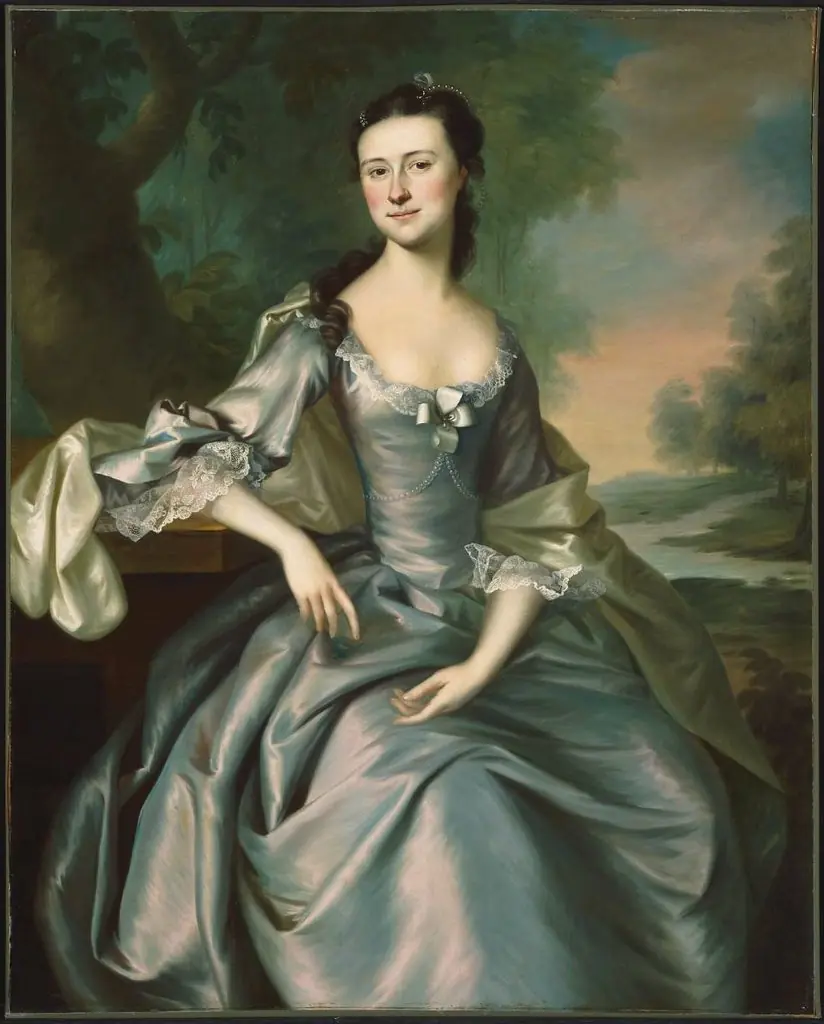
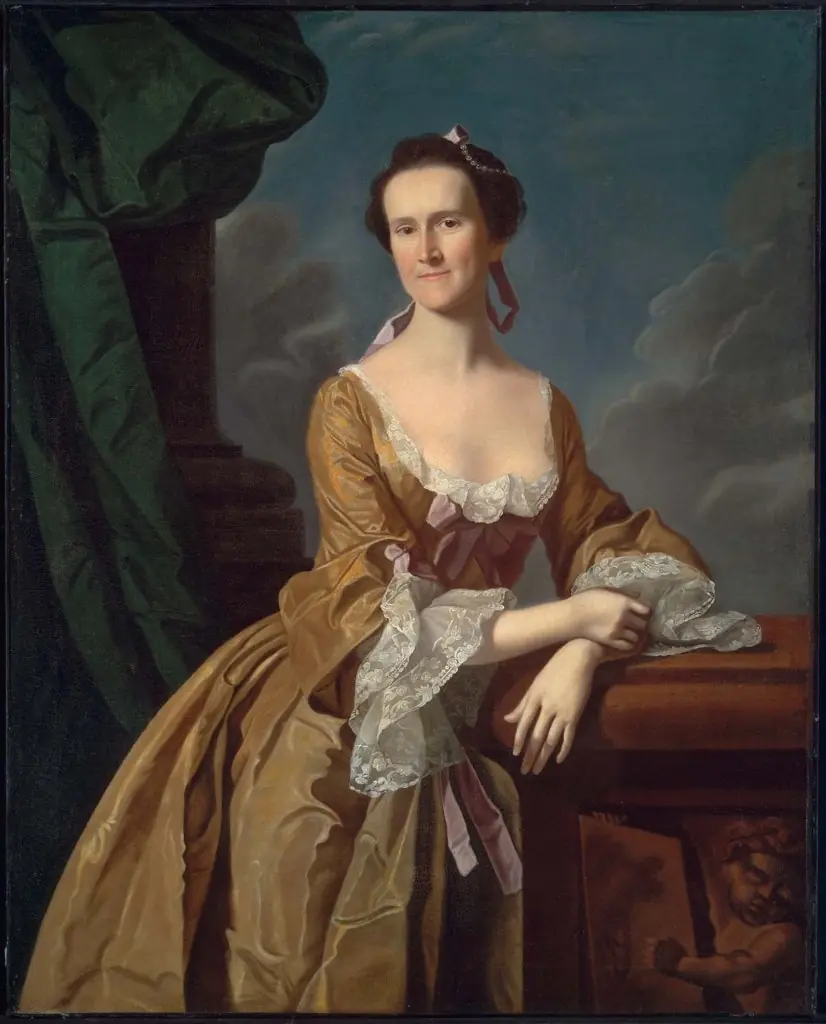
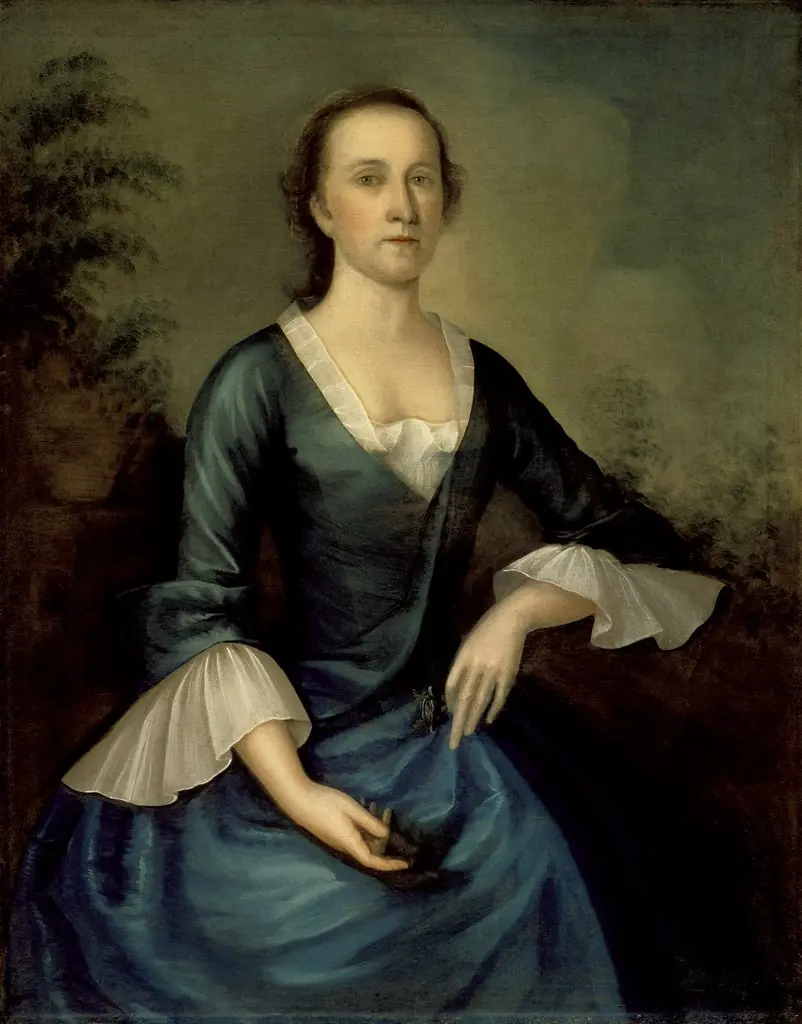
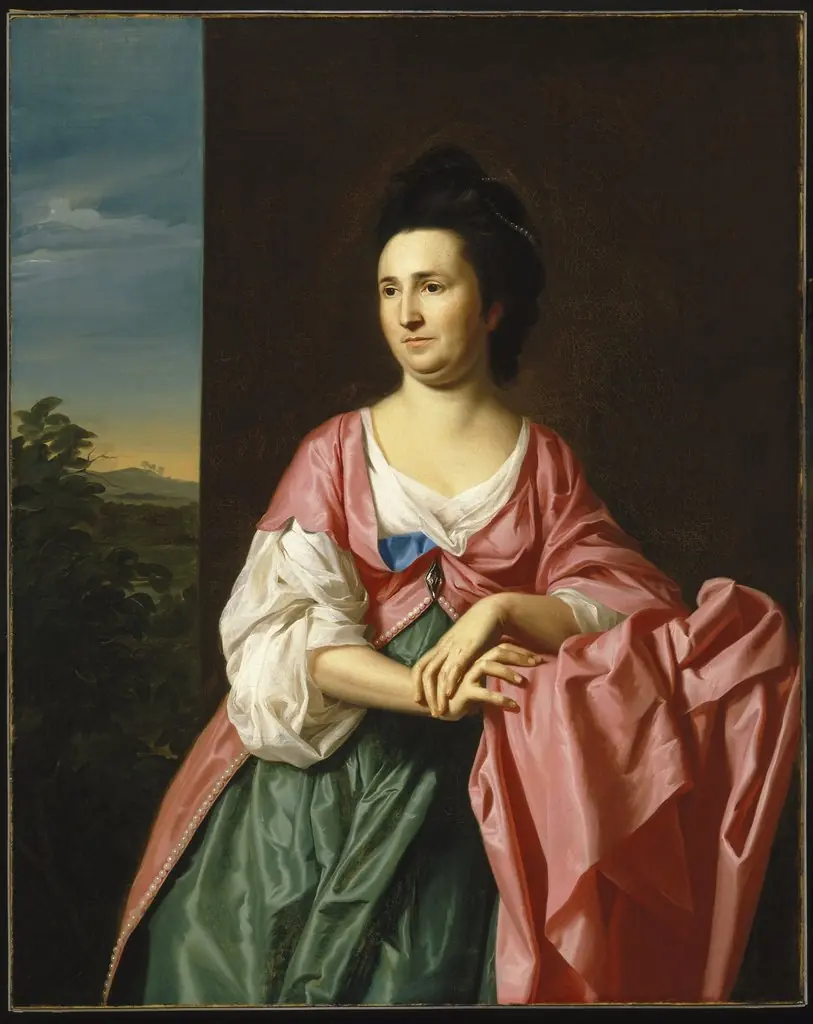
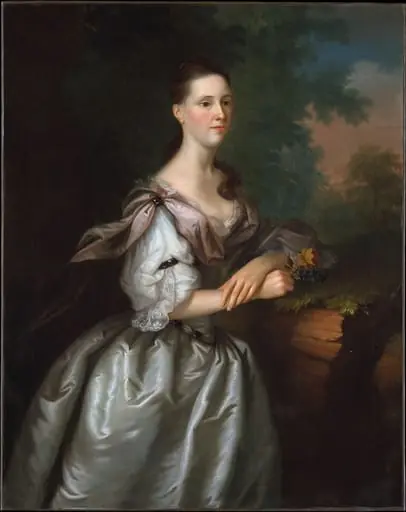
Mrs. James Warren (Mercy Otis) is an oil painting by the Rococo painting artist John Singleton Copley. It dates from 1763 and is held in the collection of the Museum of Fine Arts Boston.
About this work
Overview
Painted in 1763, this oil portrait captures Mercy Otis Warren, a member of Boston’s colonial elite, by John Singleton Copley. Created during his early career in America before his move to London, the work exemplifies Copley’s precision in rendering aristocratic sitters. It remains in the Museum of Fine Arts, Boston, where it stands as a key example of colonial American portraiture.
Subject & Meaning
Her composed demeanor and elegant attire reflect social status and cultivated taste.
Mercy Otis Warren, later known for her political writings and historical accounts of the American Revolution, is portrayed not as a public figure but as a refined private woman. Her composed demeanor and elegant attire reflect social status and cultivated taste. The inclusion of a flowering plant suggests natural grace and moral virtue, common symbolic tropes in portraiture of the era, aligning her image with ideals of feminine propriety.
Technique & Style
Copley employs chiaroscuro to model the figure with subtle gradations of light and shadow, enhancing the three-dimensionality of her form. The blue silk of her dress is rendered with attention to texture and fold, while the lace trim is delicately painted to suggest fine fabric. The landscape background, though softly focused, provides depth without distracting from the central figure, demonstrating Copley’s command of spatial harmony.
History & Provenance
Commissioned during Copley’s years in Boston, the portrait remained within the Warren family until entering the Museum of Fine Arts, Boston’s collection. Its preservation reflects the family’s prominence and the painting’s early recognition as a significant work. No major alterations or reworkings are documented, preserving Copley’s original composition and brushwork.
Context
In 1763, colonial American portraiture was still developing a distinct identity, often borrowing from British conventions. Copley, trained locally without formal European schooling, relied on prints and direct observation to refine his technique. This portrait reflects the aspirations of New England’s merchant and intellectual class to align themselves with European aesthetic norms through visual representation.
Legacy
Though Mercy Otis Warren gained later renown as a historian and patriot, this early portrait preserves her image before public activism. Copley’s work here anticipates his mature style and marks a transition in American art toward greater psychological nuance. The painting endures as a quiet testament to the cultural ambitions of colonial elites and the artist’s emerging voice.
Artist & collection

Artist
John Singleton Copley (July 3, 1738 – September 9, 1815) was an American-born British painter active in both the Thirteen Colonies and England.