Artwork
Thomas Lane and His Sister Harriot
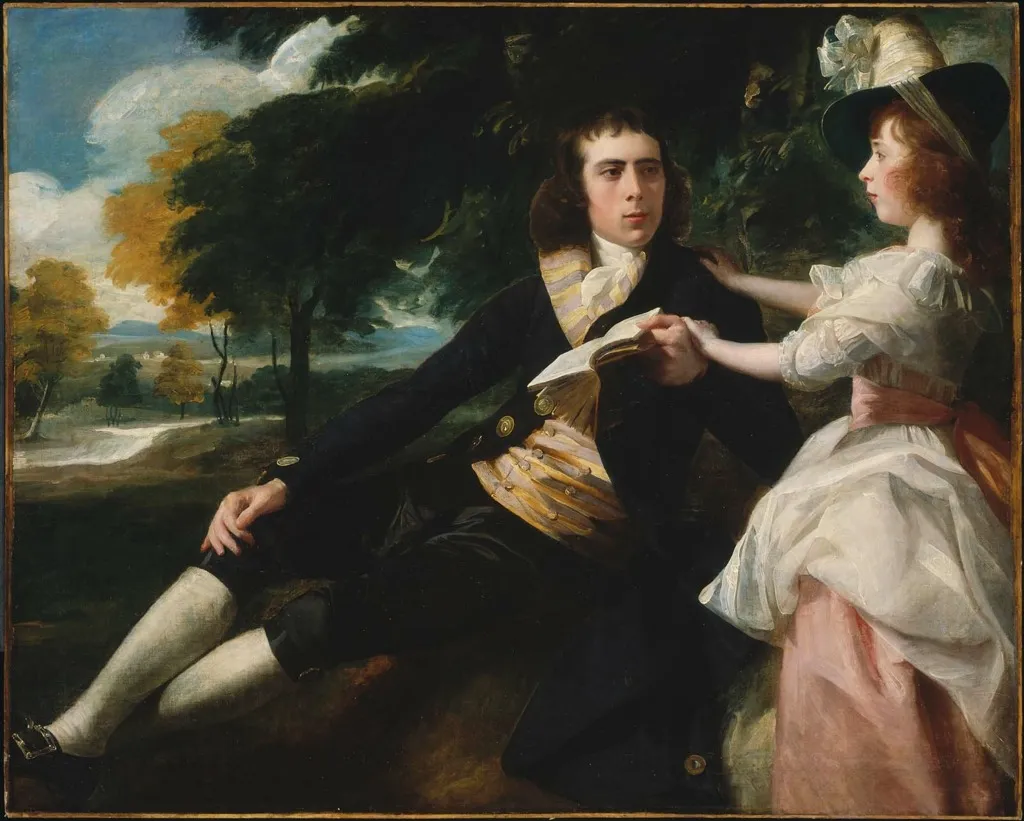
Thomas Lane and His Sister Harriot is an oil painting by the American Impressionist artist John Singleton Copley. It dates from 1796 and is held in the collection of the Museum of Fine Arts Boston.
About this work
Overview
John Singleton Copley completed *Thomas Lane and His Sister Harriot* in 1796 using oil on canvas.
John Singleton Copley completed *Thomas Lane and His Sister Harriot* in 1796 using oil on canvas. The portrait depicts two siblings in a naturalistic outdoor setting, reflecting Copley’s transition from colonial American portraiture to the more refined conventions of British academic painting after his move to London in 1774. The work is part of the Museum of Fine Arts, Boston’s permanent collection.
Subject & Meaning
The painting portrays Thomas Lane and his sister Harriot in a moment of quiet companionship. Thomas, seated on a rock with a book, suggests intellectual reflection, while Harriot, standing beside him in a light dress, appears attentive and poised. Their mutual gaze implies a bond of familiarity and affection, typical of familial portraits that emphasized character and social standing rather than narrative drama.
Technique & Style
Copley employed precise brushwork and careful modeling to render fabric, skin, and foliage with tactile realism. He used chiaroscuro to define forms against the soft landscape, enhancing the three-dimensionality of the figures. The palette is restrained yet nuanced, with subtle variations in tone that ground the subjects within their environment without overwhelming them with decorative detail.
History & Provenance
Painted during Copley’s London years, the portrait likely commemorates the Lane siblings as members of the British gentry or professional class. It remained in private hands until entering the Museum of Fine Arts, Boston’s collection, where it is now preserved as an example of transatlantic portraiture from the late 18th century. No documented commission records survive, but its composition aligns with Copley’s mature style.
Context
Copley’s relocation to England in 1774 marked a shift from the direct, vigorous portraiture of colonial America to the more formal, historically inflected style favored by British academies. *Thomas Lane and His Sister Harriot* reflects this evolution, blending American attention to individual likeness with European conventions of landscape and genteel comportment, common among elite sitters of the period.
Legacy
The painting stands as a testament to Copley’s adaptability across cultural and artistic contexts. While not widely exhibited as a highlight, it contributes to scholarly understanding of how American artists navigated identity and style after emigrating to Europe. Its preservation in Boston underscores its significance as a bridge between colonial and transatlantic artistic traditions.
Artist & collection
Artist
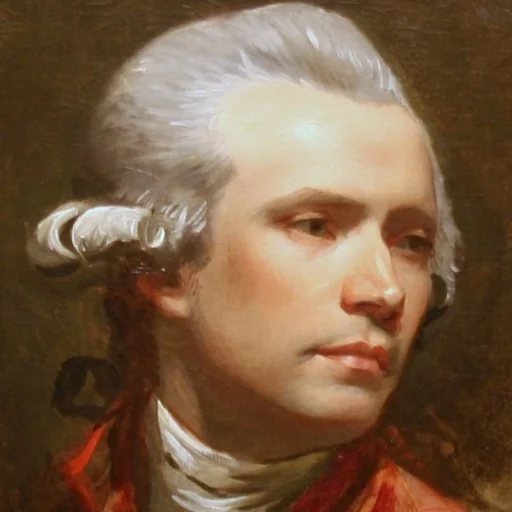
John Singleton Copley (July 3, 1738 – September 9, 1815) was an American-born British painter active in both the Thirteen Colonies and England.

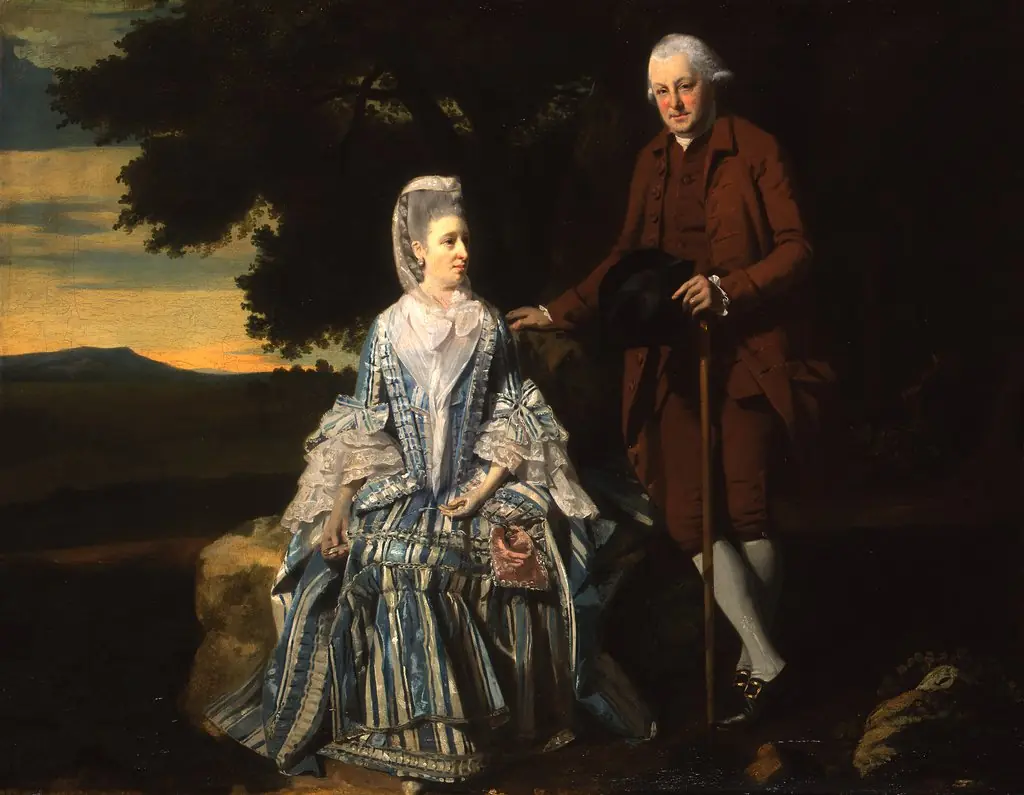 Portrait of a Married Couple in a Park
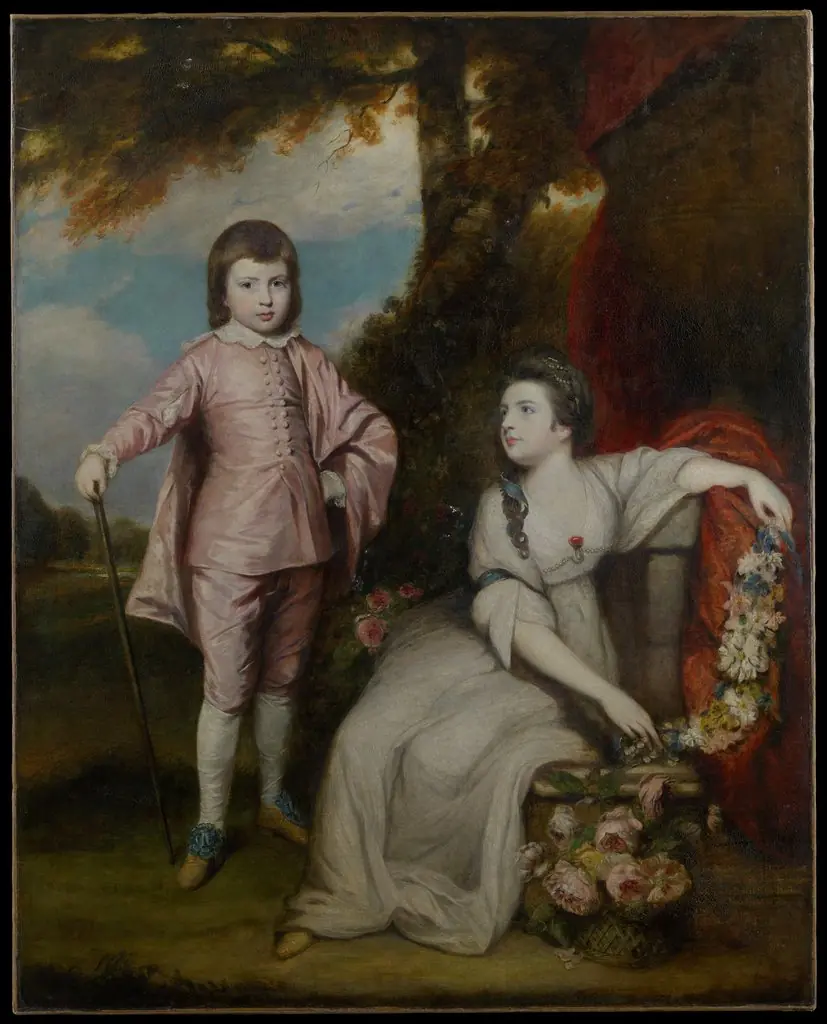 George Capel, Viscount Malden (1757–1839), and Lady Elizabeth Capel (1755–1834)
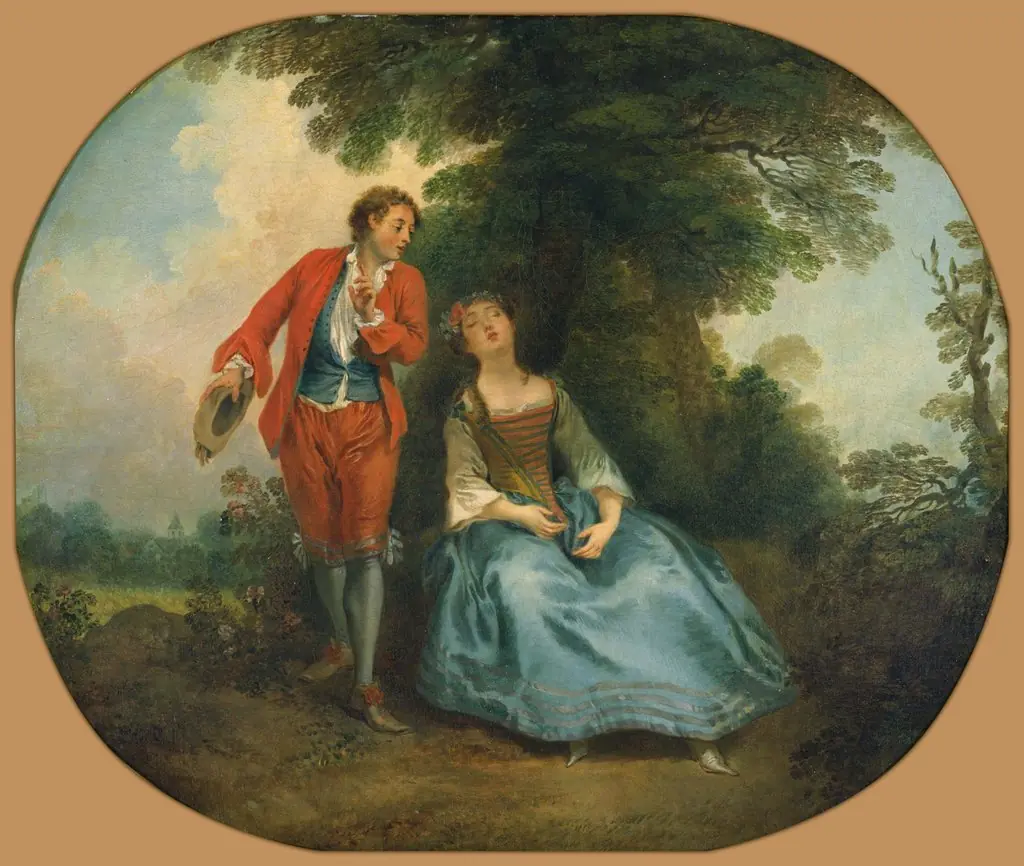 Sleeping Shepherdess
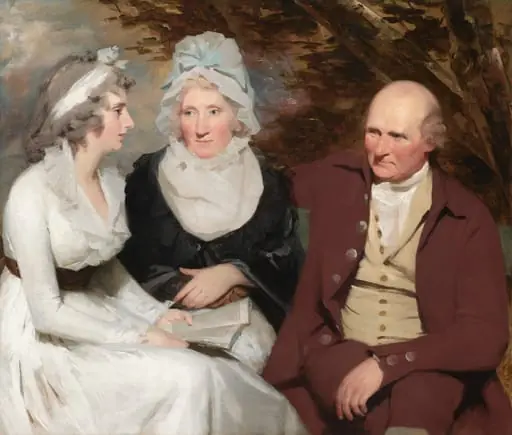 John Johnstone, Betty Johnstone, and Miss Wedderburn
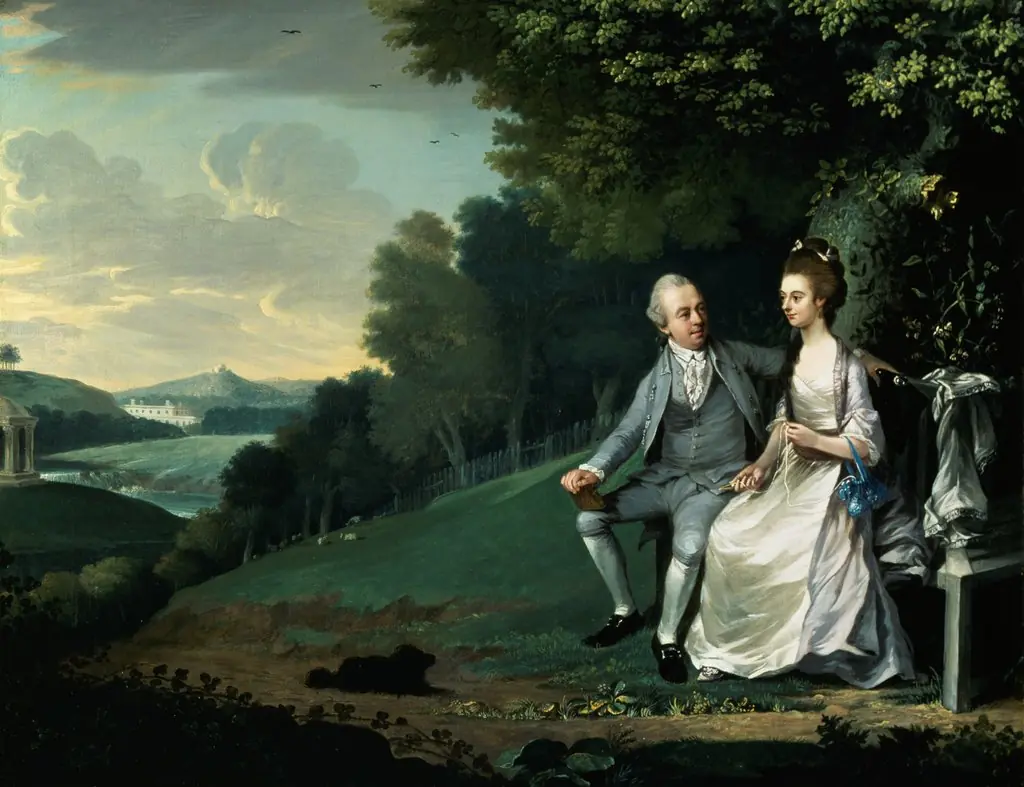 Portrait of a Couple, said to be Sir Francis and Lady Dashwood at Wycombe Park
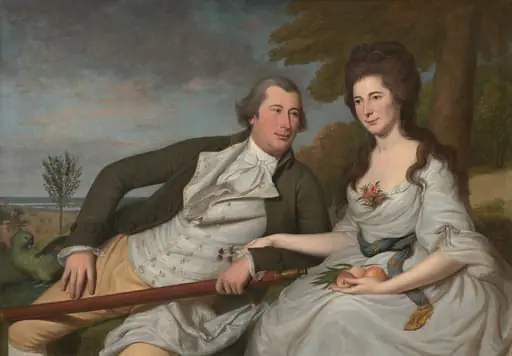 Benjamin and Eleanor Ridgely Laming
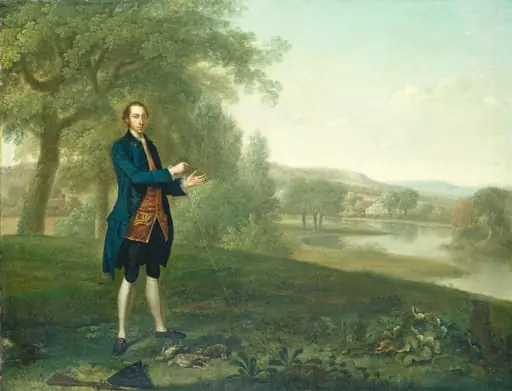 Portrait of a Gentleman Netting Partridges
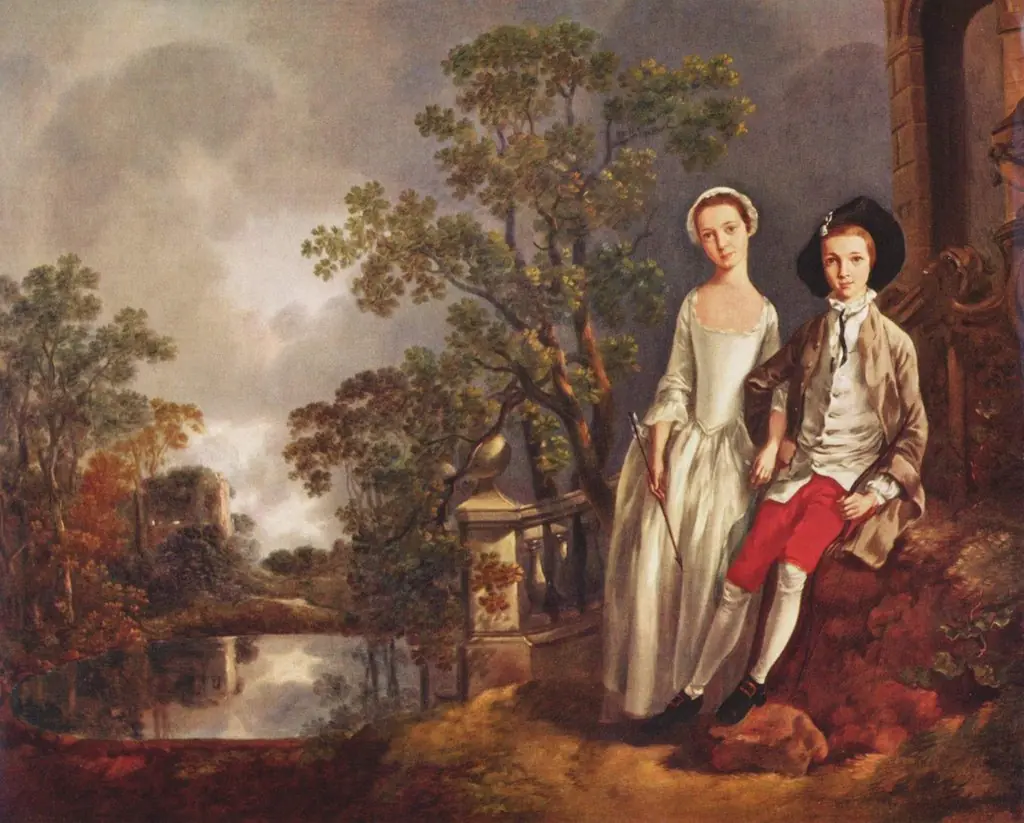 Heneage Lloyd and His Sister
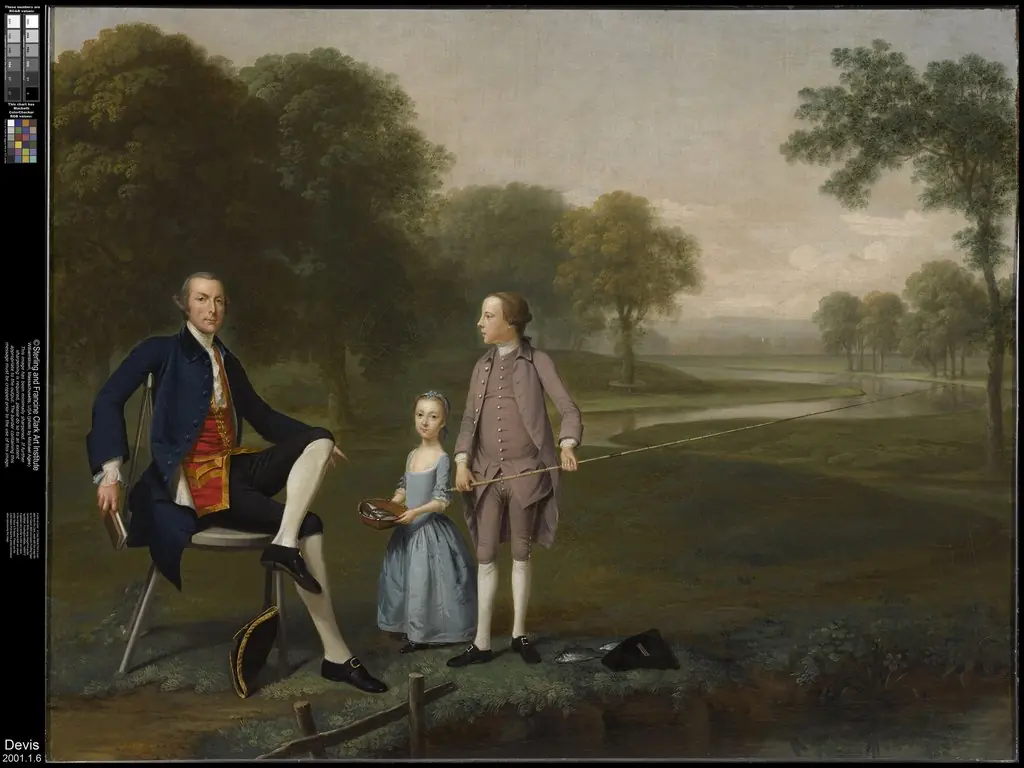 Richard Moreton, Esq. of Tackley with His Nephew and Niece John and Susanna Weyland
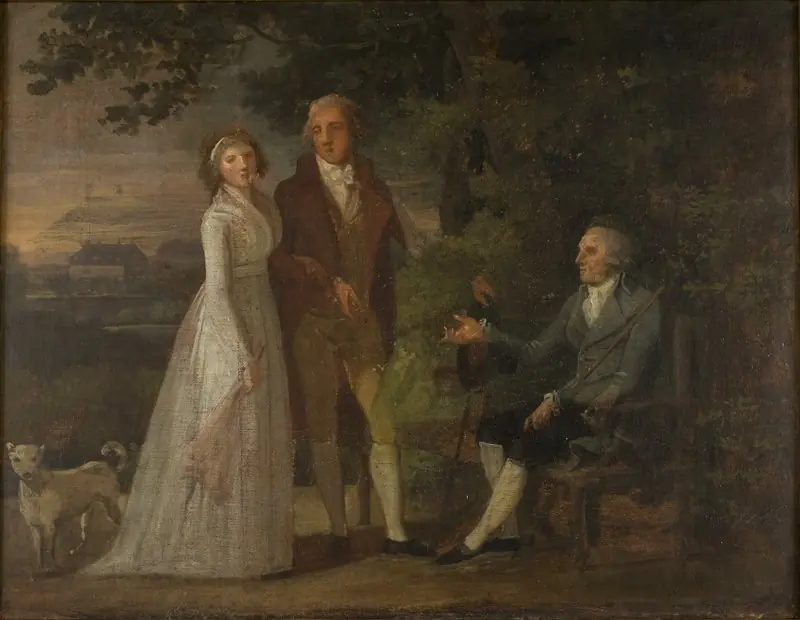 The Ryberg Family
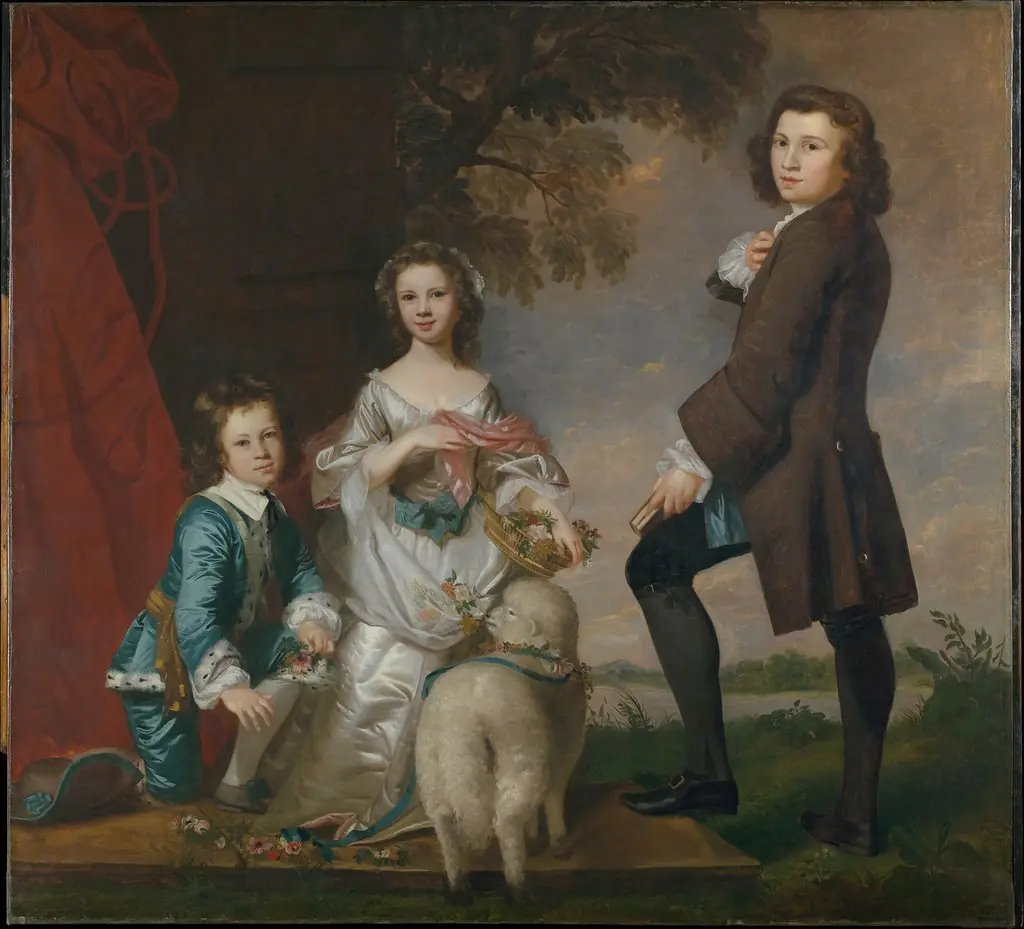 Thomas (1740–1825) and Martha Neate (1741–after 1795) with His Tutor, Thomas Needham
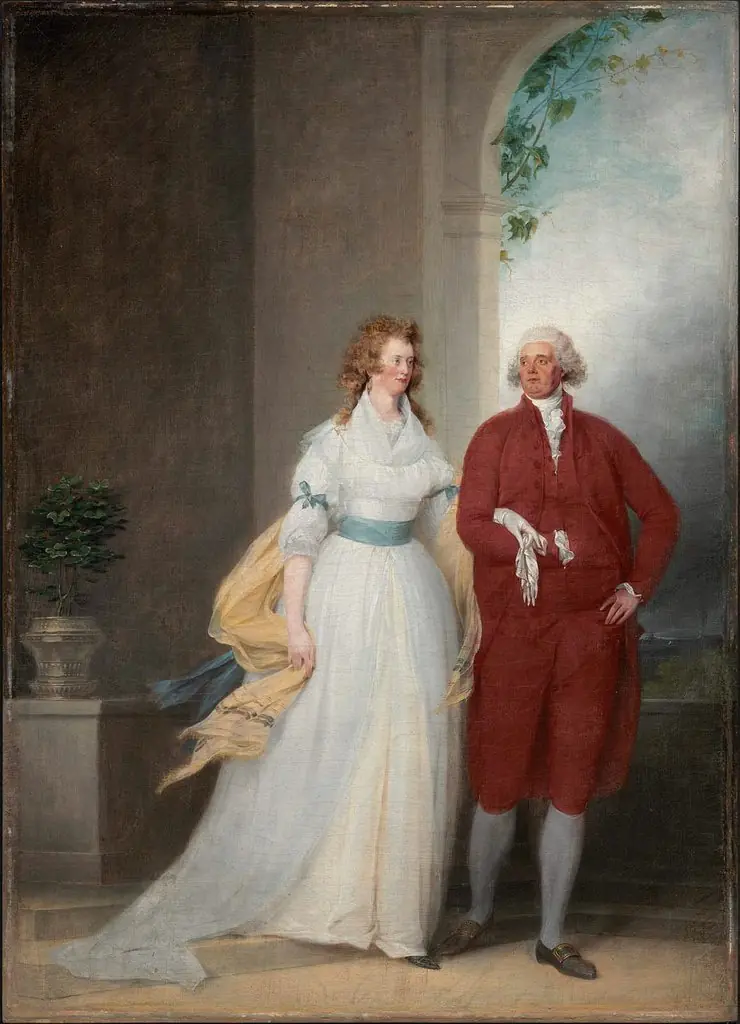 Mr. and Mrs. Thomas Russell