Artwork
Watson and the Shark
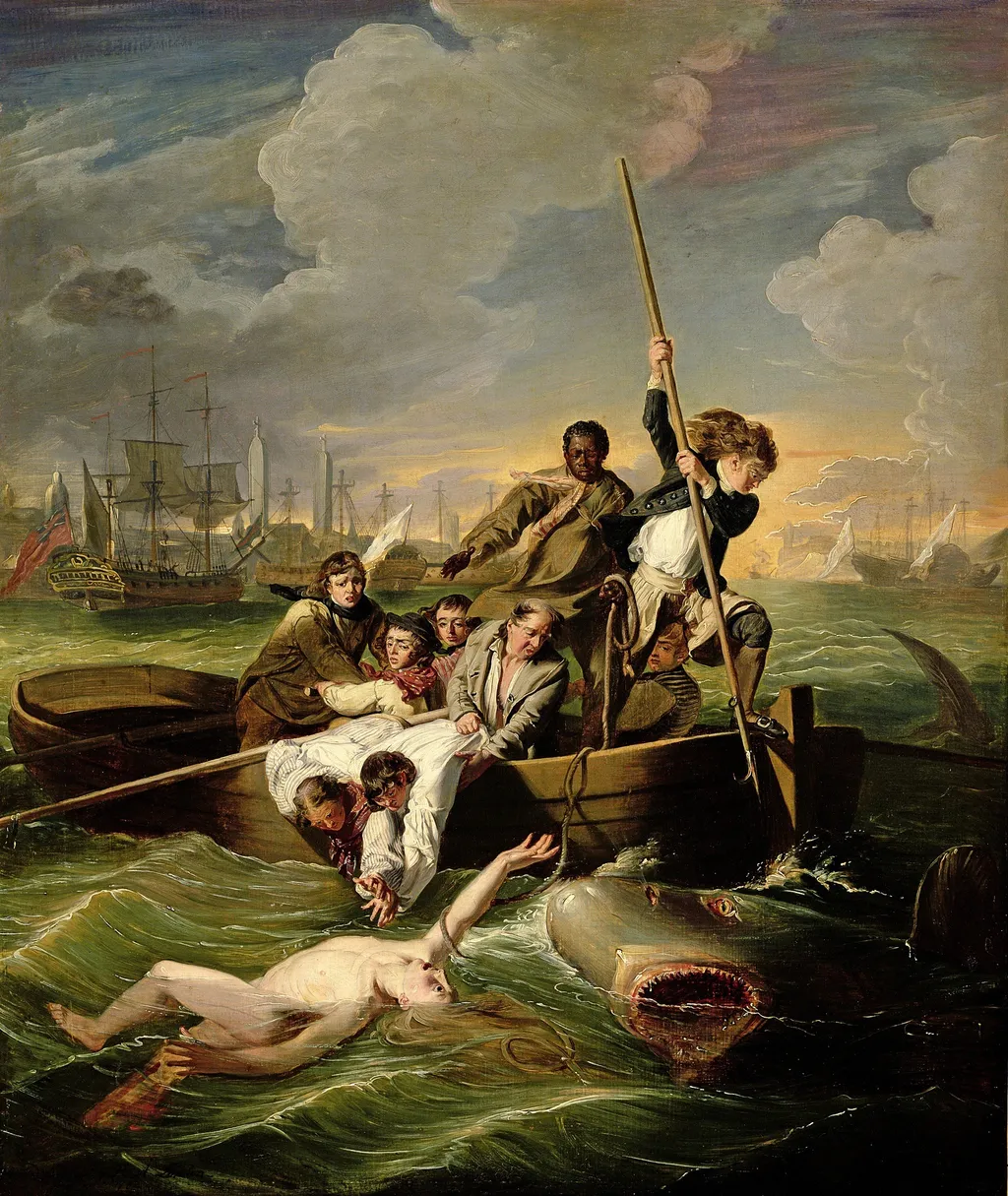
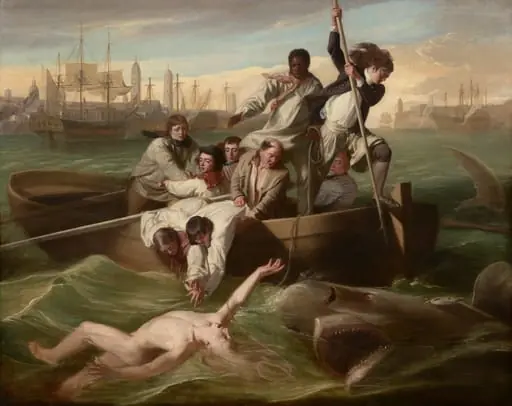
Watson and the Shark is an oil painting by the Rococo painting artist John Singleton Copley. It dates from 1792 and is held in the collection of the Detroit Institute of Arts.
About this work
Overview
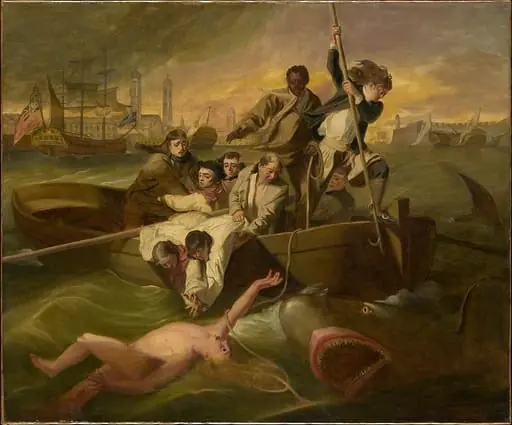
John Singleton Copley’s 1792 oil on canvas, *Watson and the Shark*, portrays a dramatic rescue scene off the coast of Havana. A group of 18th‑century sailors in a small boat struggle to save a naked man from a massive shark, whose gaping jaws dominate the composition. The work is part of the Detroit Institute of Arts’ collection.
Subject & Meaning
The painting records the real‑life ordeal of Brook Watson, who survived a shark attack in 1749. By emphasizing the frantic efforts of the rescuers and the terror of the animal, Copley underscores themes of human vulnerability, courage, and the thin line between life and death in a natural setting.
Technique & Style
Executed in oil, the canvas combines Rococo’s dynamic movement with a nascent Romantic sensibility. Copley renders the water’s turbulence and the shark’s musculature with vigorous brushwork, while the figures are detailed in period costume, their expressions rendered through chiaroscuro to heighten drama.
History & Provenance
After completing the work in London, Copley exhibited the painting to a British audience, where it attracted considerable attention. It entered the Detroit Institute of Arts in the early 20th century, where it has remained a central piece of the museum’s American art holdings.
Context
Created shortly after Copley’s relocation to England, the painting reflects his shift from colonial portraiture to grand historical subjects. The incident it depicts had become a popular anecdote in 18th‑century travel literature, allowing Copley to explore contemporary interests in exotic locales and the perils of sea travel.
Own this work as a print
Artist & collection

Artist
John Singleton Copley (July 3, 1738 – September 9, 1815) was an American-born British painter active in both the Thirteen Colonies and England.