Artwork
The Lighthouse in the Bay of Dublin, with His Majesty's Yacht 'Dorset'
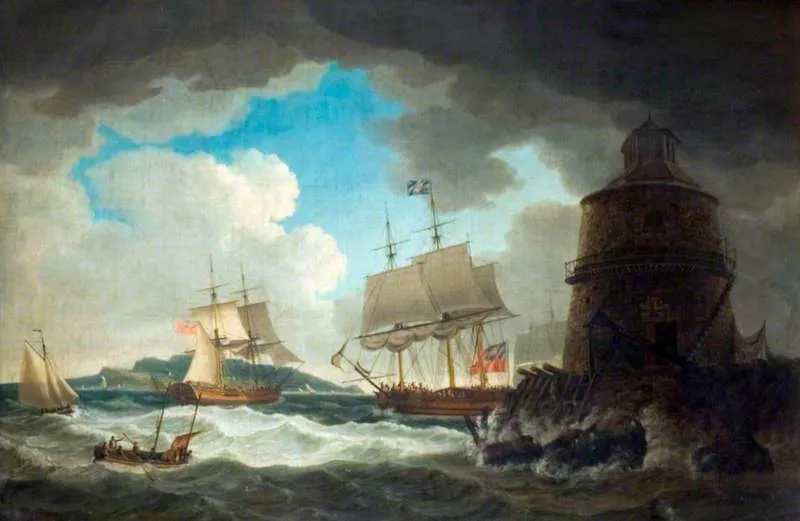
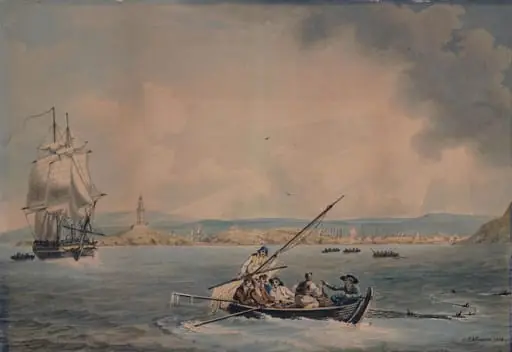
The Lighthouse in the Bay of Dublin, with His Majesty's Yacht 'Dorset' is an oil painting by the Rococo painting artist John Thomas Serres. It dates from 1794 and is held in the collection of the Victoria and Albert Museum.
About this work
Overview
The scene combines natural topography with naval activity, reflecting his professional engagement with British maritime interests.
Painted in 1794 by John Thomas Serres, this oil-on-canvas work captures a coastal view in Dublin Bay, centered on a lighthouse and His Majesty’s royal yacht, the Dorset. Serres, appointed maritime painter to King George III, focused on precise marine subjects, often displaying at the Royal Academy. The scene combines natural topography with naval activity, reflecting his professional engagement with British maritime interests.
Subject & Meaning
The painting presents a functional lighthouse on a rugged shoreline alongside the royal yacht Dorset, symbolizing both navigational aid and royal presence. Several vessels, their sails catching the wind, suggest active maritime traffic. The inclusion of the king’s yacht implies a connection between state authority and seafaring operations, while the lighthouse underscores the importance of coastal safety in an era reliant on sea transport.
Technique & Style
Serres employed fine brushwork to render textures: the lighthouse’s stone surface, the ripple of water, and the crisp folds of sailcloth. The sky, with soft clouds and pale blue tones, provides contrast to the darker rocks and hulls. Movement is suggested through angled sails and directional brushstrokes in the water, while atmospheric perspective softens the distant hills, enhancing depth without romantic exaggeration.
History & Provenance
Commissioned or created during Serres’s tenure as royal maritime painter, the work likely served as a record of royal naval activity. It was probably exhibited at the Royal Academy in 1794, consistent with his regular submissions. The painting remained within British collections, with no documented public display changes until its acquisition by its current institution, preserving its original context as a documented maritime scene.
Context
In the 1790s, Britain’s naval power depended on secure coastal routes and accurate navigation aids. Lighthouses were state-funded infrastructure, and royal yachts symbolized the monarchy’s oversight of maritime affairs. Serres’s work aligned with this practical focus, avoiding mythological or dramatic elements common in continental art, instead emphasizing observation and topographical accuracy.
Legacy
Serres’s detailed seascapes contributed to the documentation of British maritime infrastructure during a period of naval expansion. While not widely celebrated today, his oeuvre remains a valuable resource for historians studying 18th-century port activity and royal naval presence. His approach influenced later British marine painters who prioritized factual representation over theatricality.
Artist & collection
Artist
John Thomas Serres (December 1759 – 28 December 1825) was an English maritime painter who enjoyed significant success, including exhibiting extensively at the Royal Academy, and was for a time Maritime Painter to King George III.

 A Sea-piece
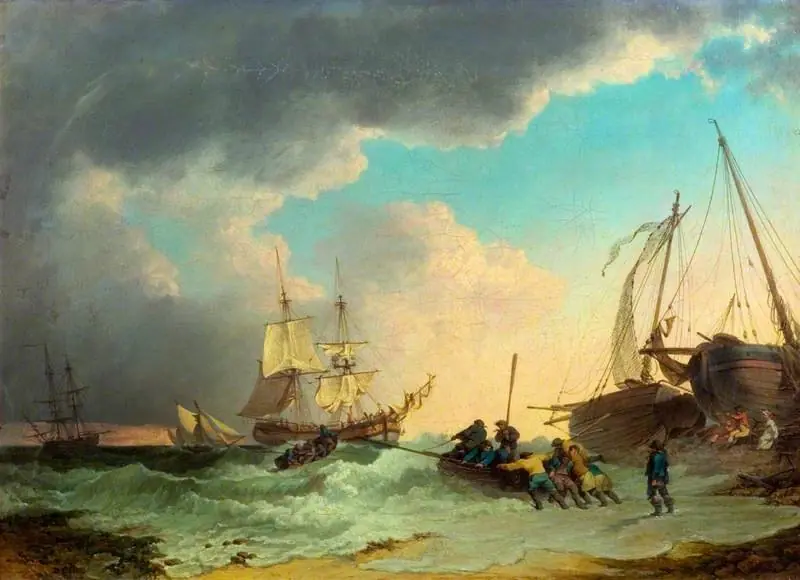 A Sea Piece
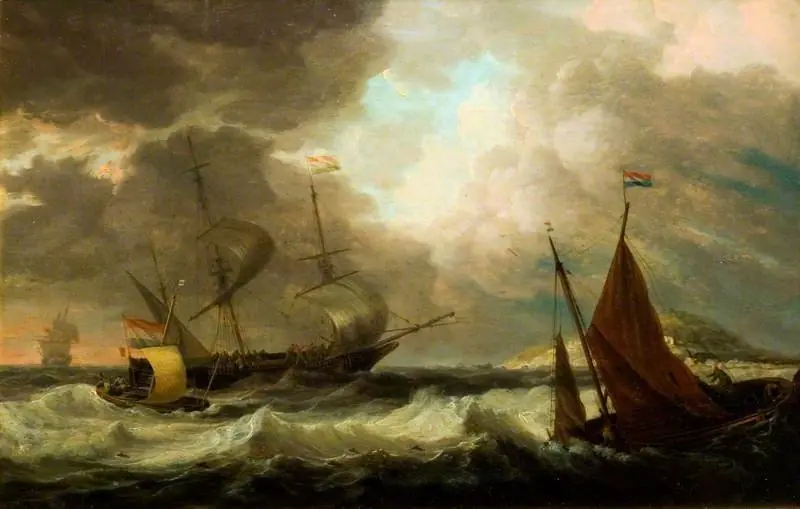 Ships in a Gale
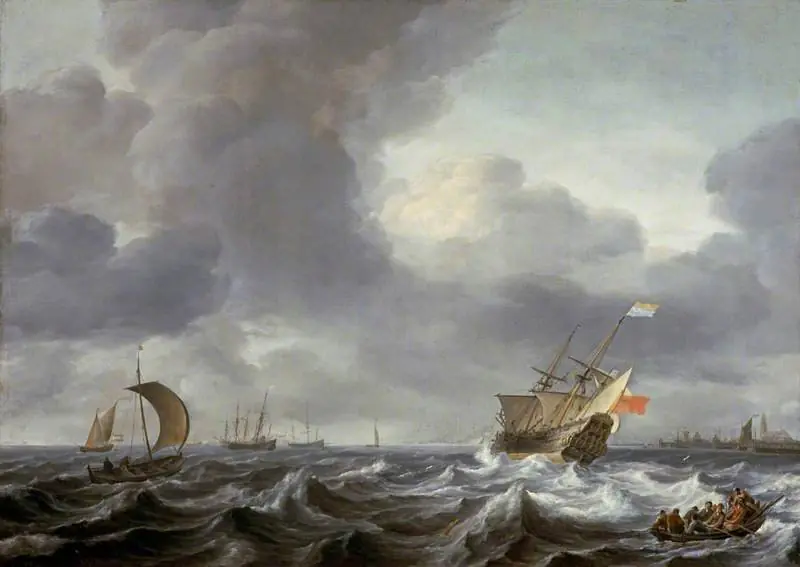 Shipping in a Choppy Sea
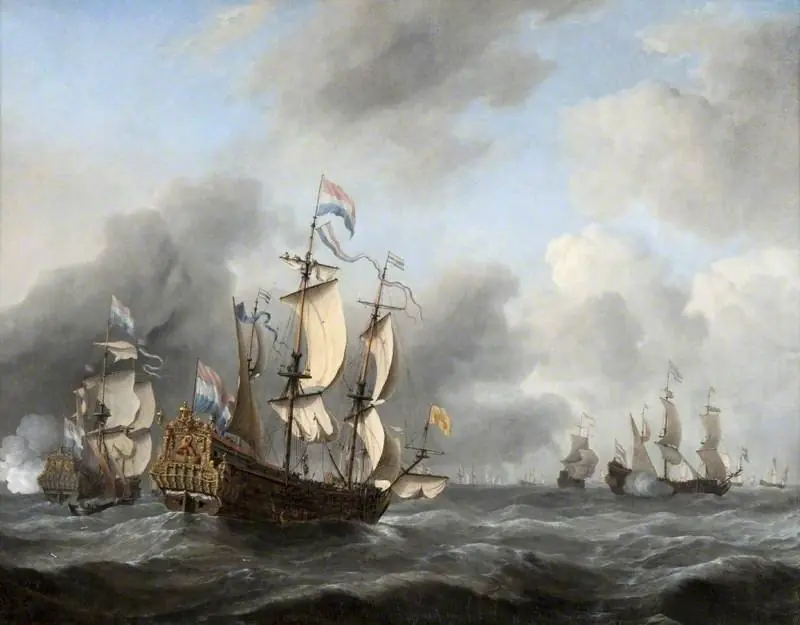 The 'Eendracht' and Other Ships of the Dutch Fleet
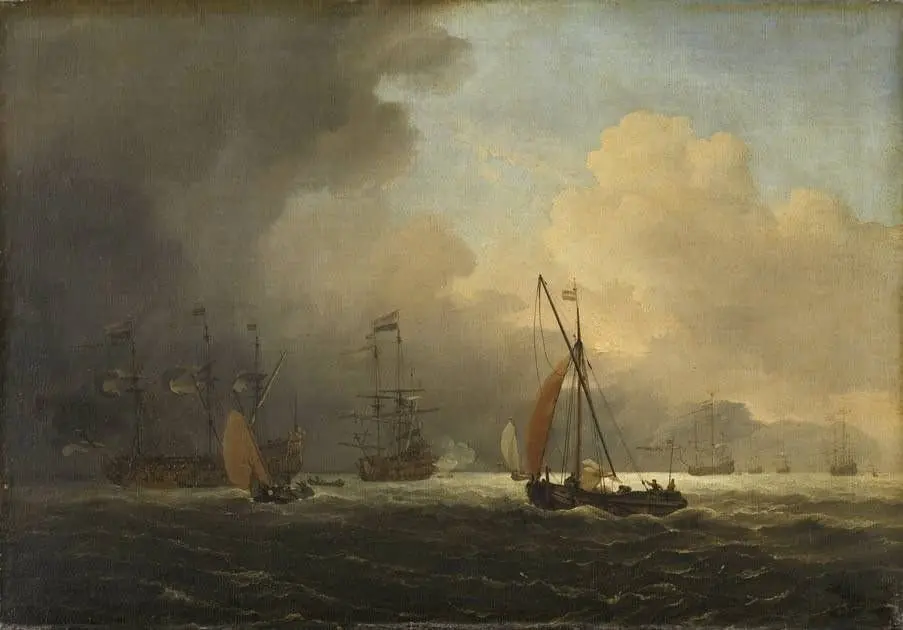 Sea storm with a rising thunderstorm
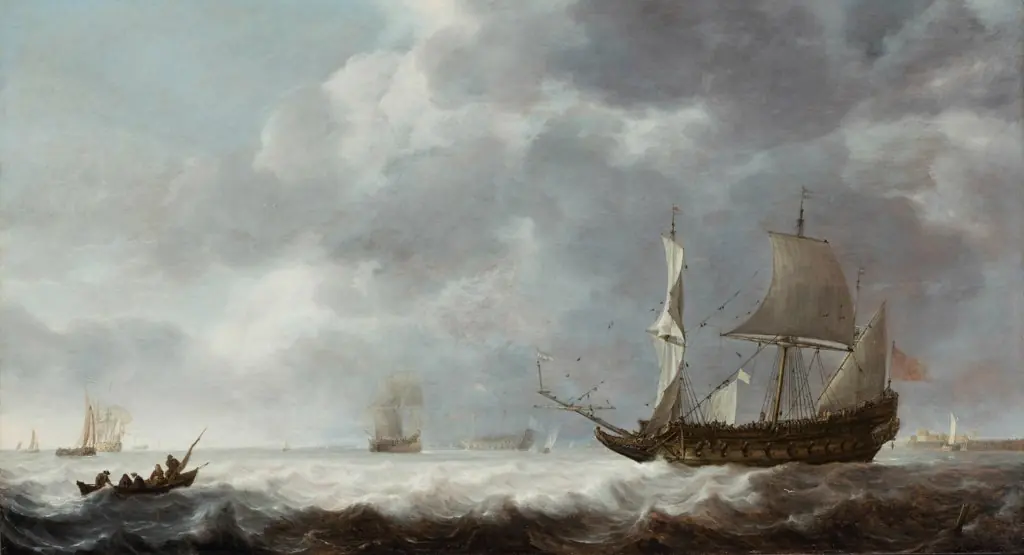 Sea-piece, a breeze near a Dutch port
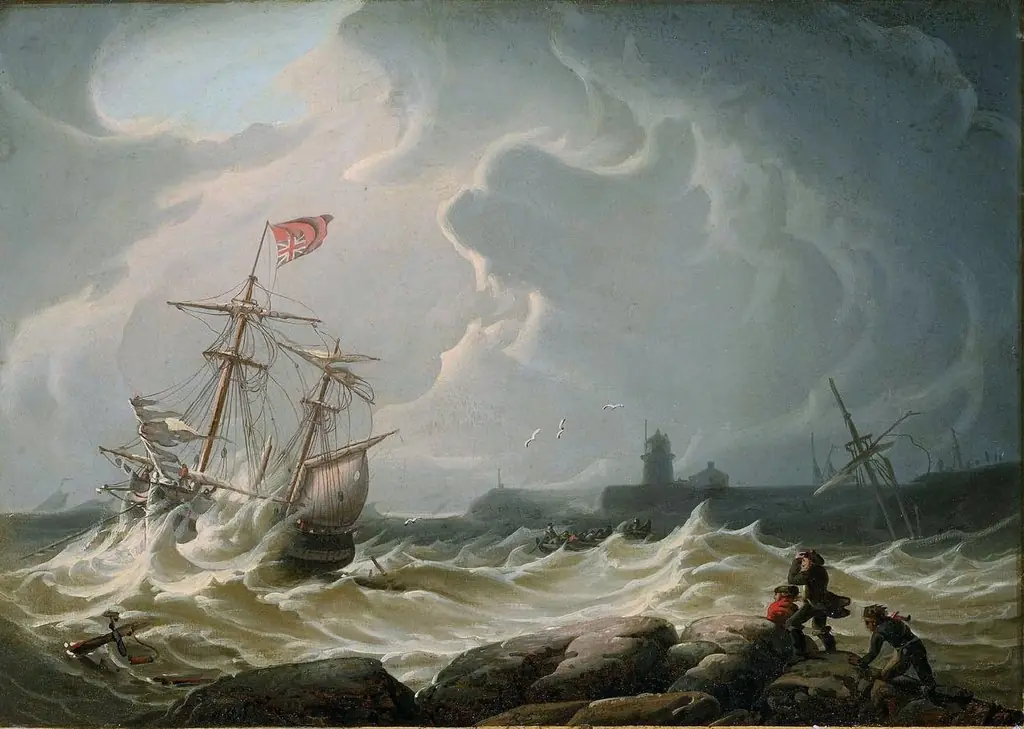 Ship in Storm
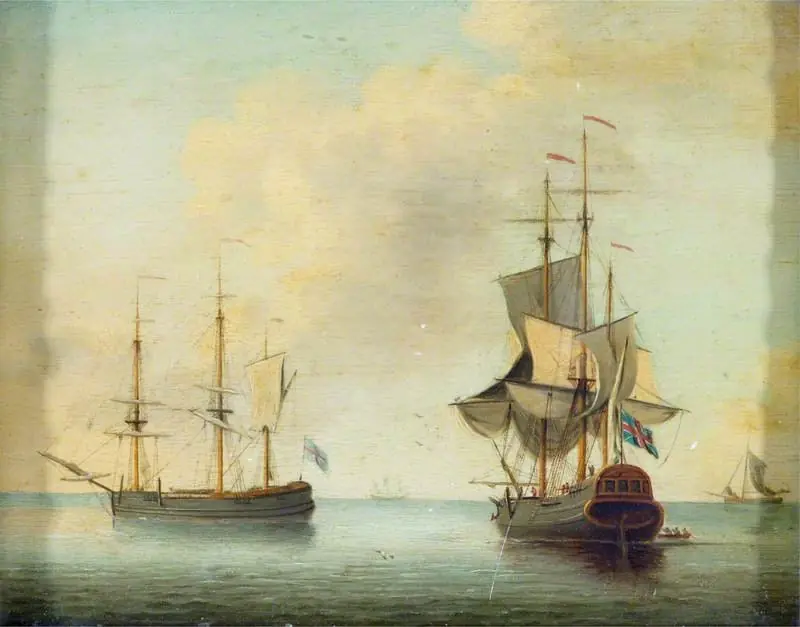 Shipping in a Calm
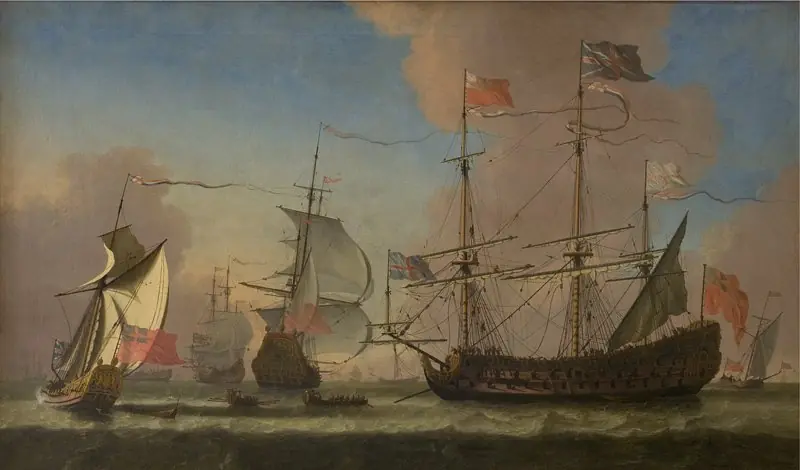 English Warships at Sea in a Fresh Breeze
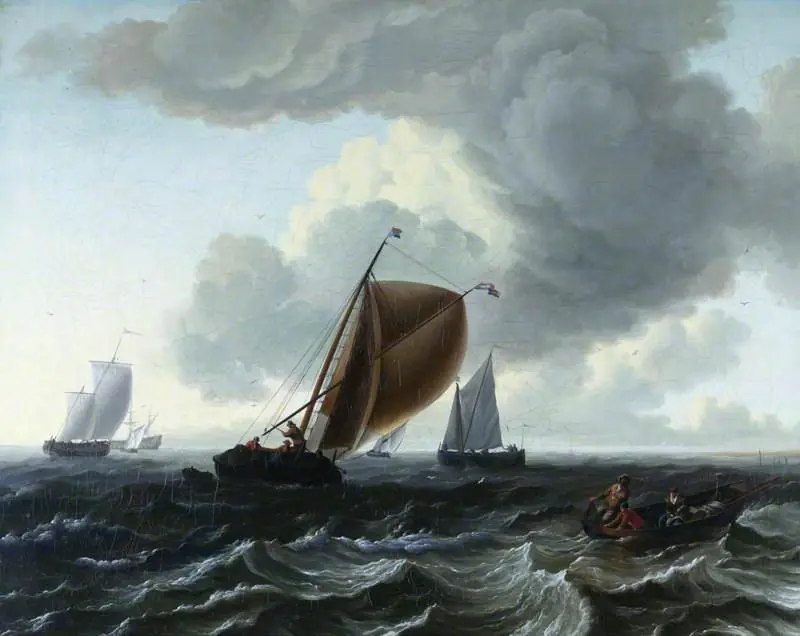 Fishing Boats: A Roughish Sea
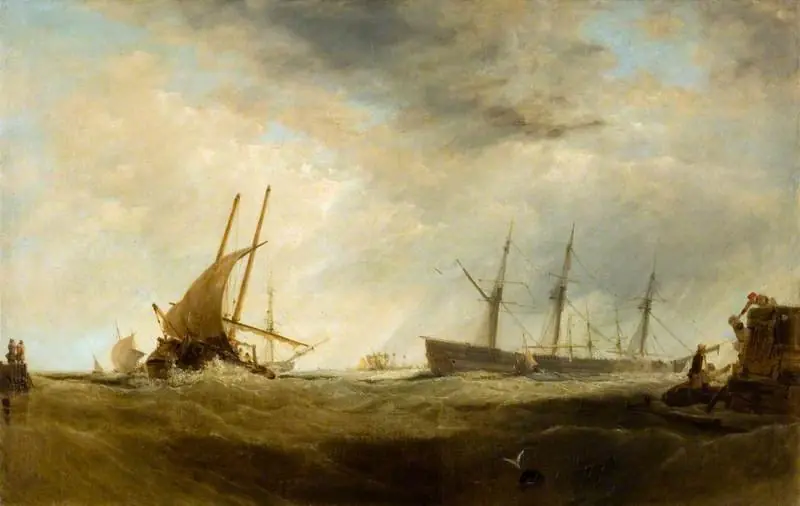 A Brisk Gale: A Dutch East-Indiaman Landing Passengers