Artwork
Portrait of a Young Man
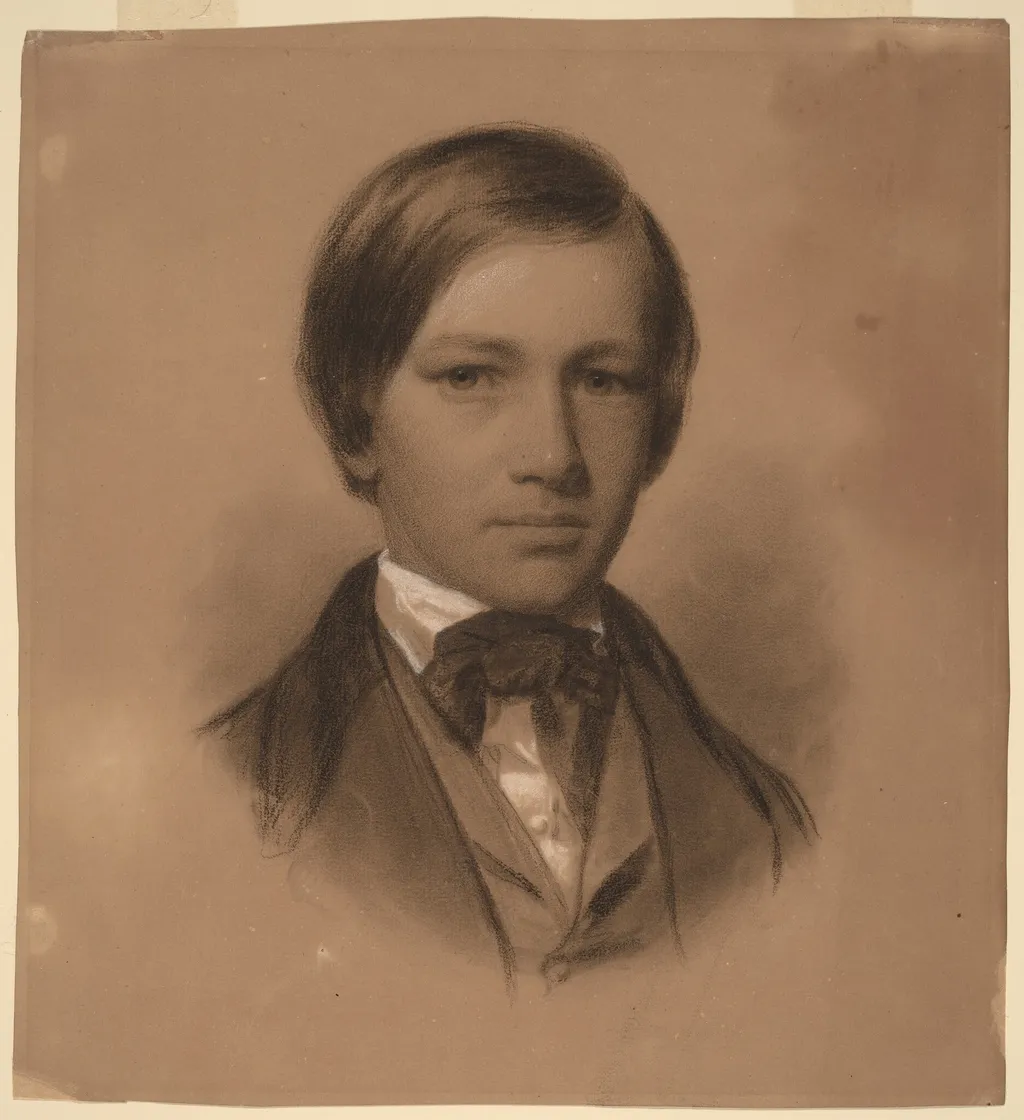
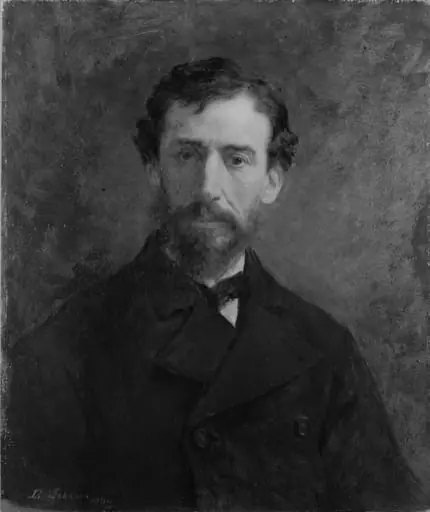
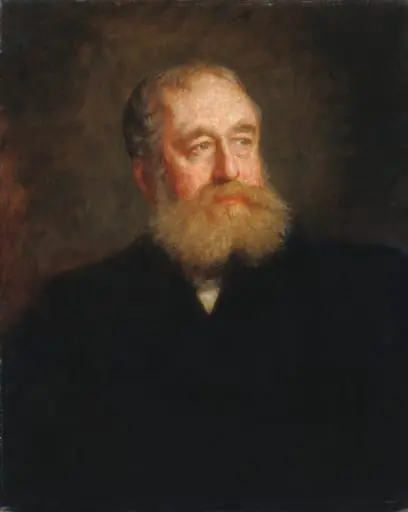
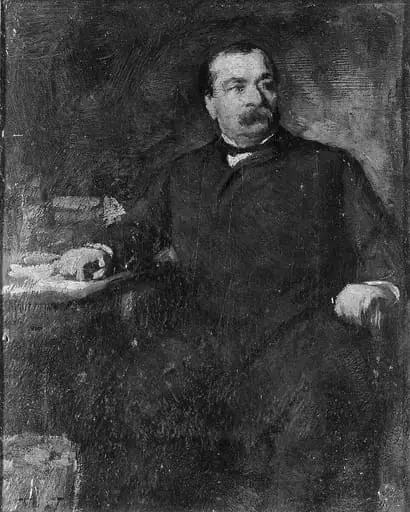
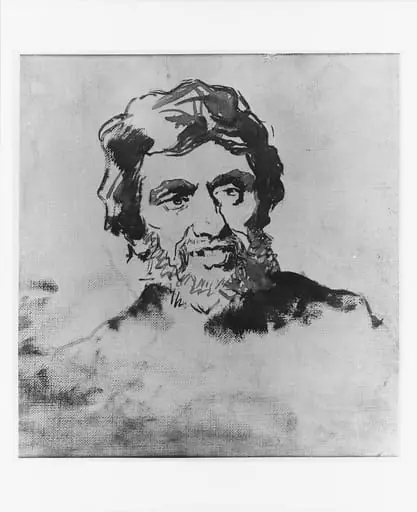
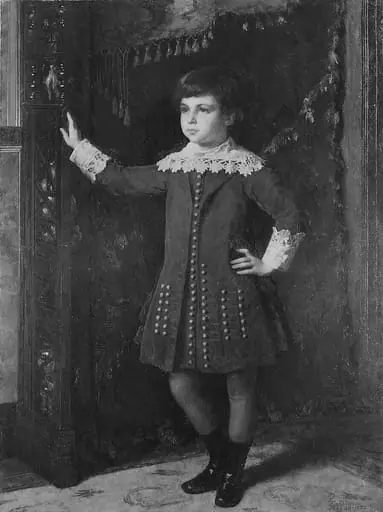
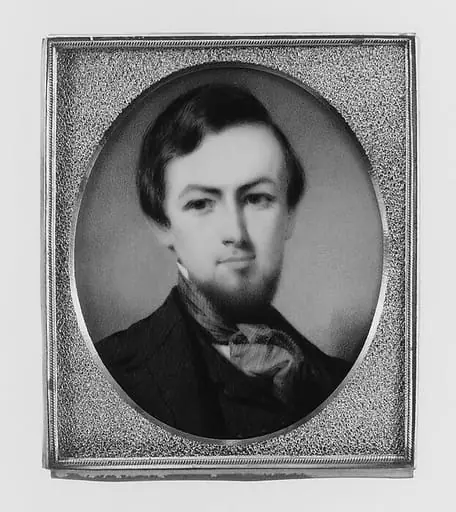
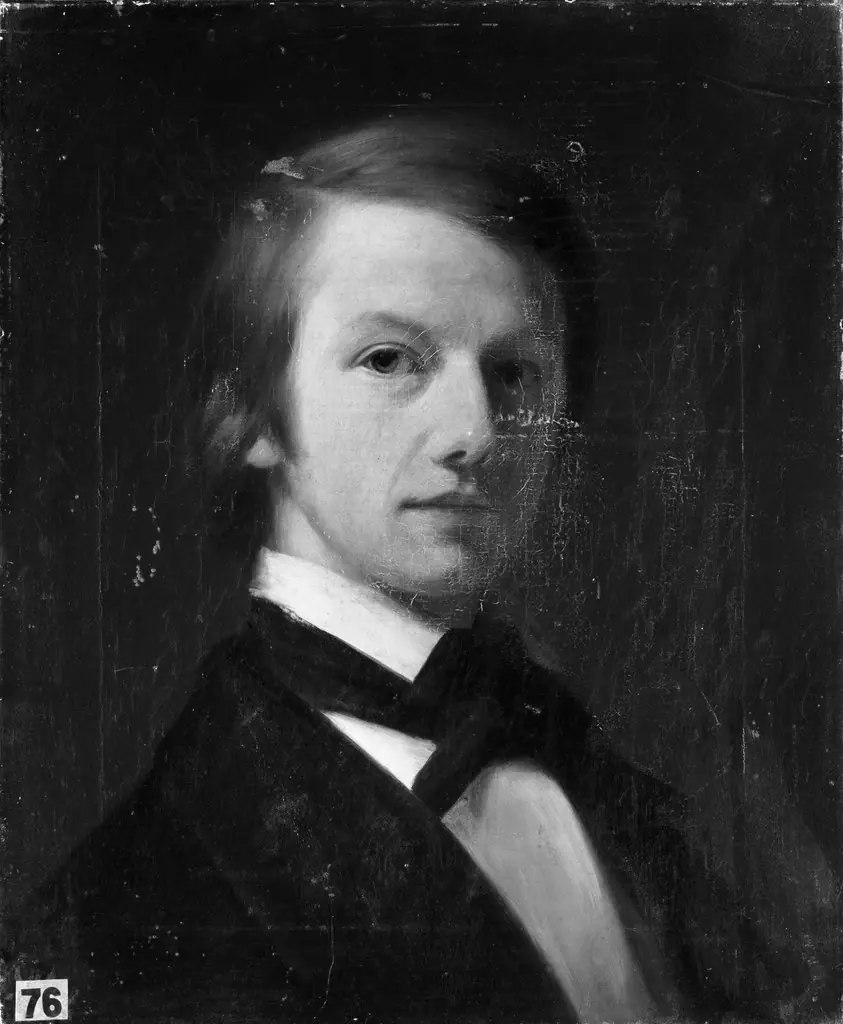
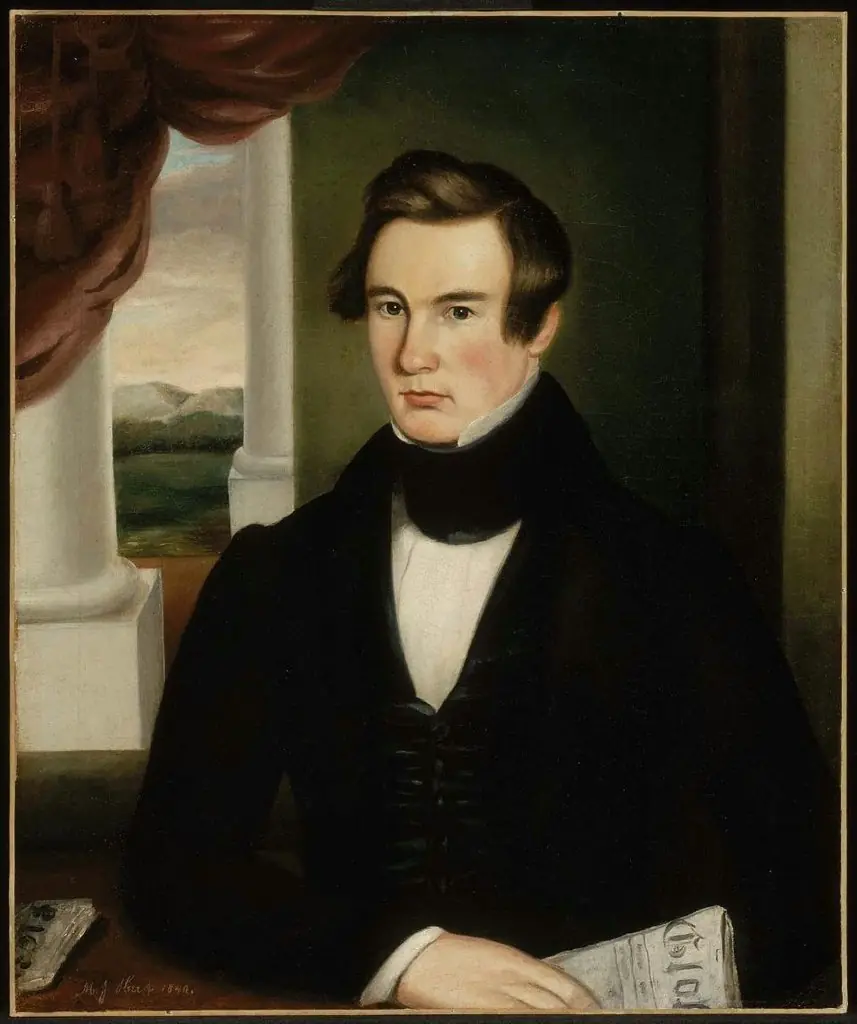
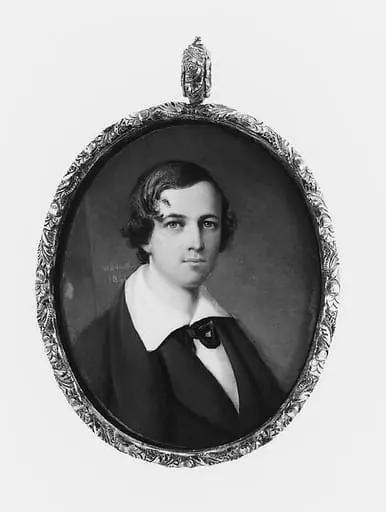
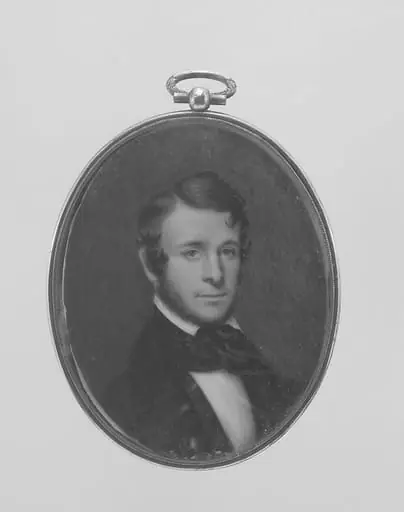
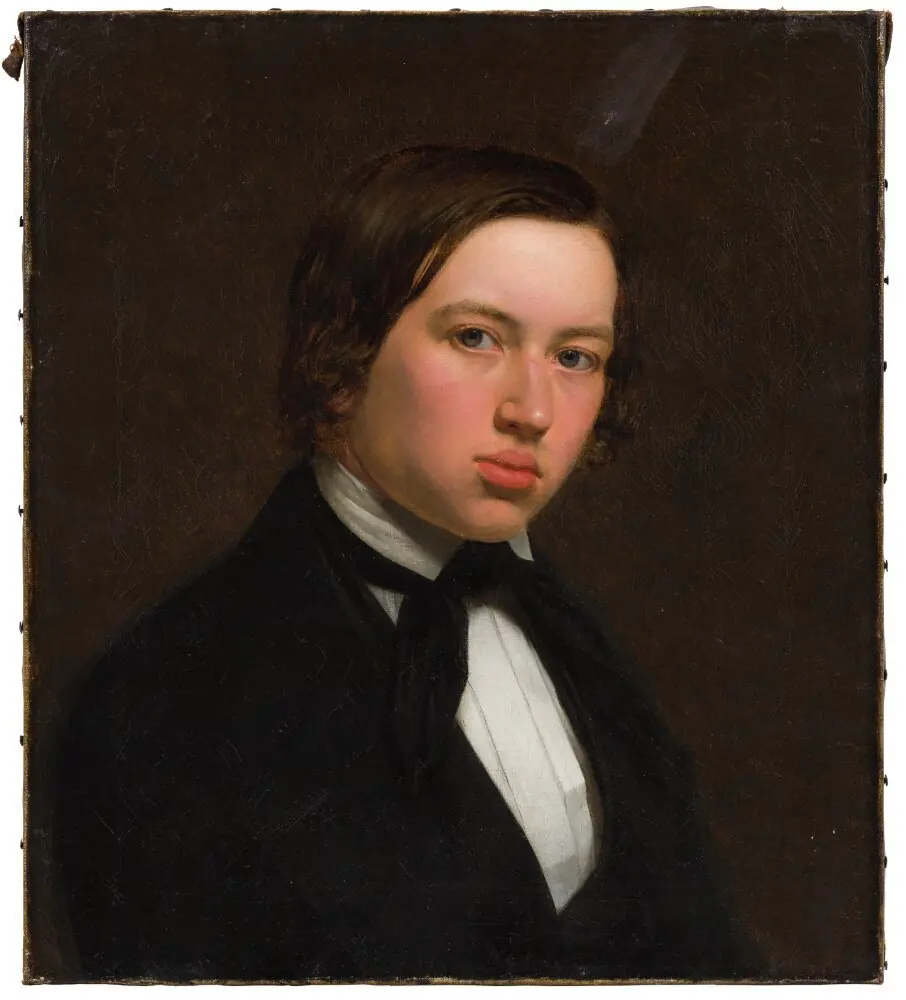
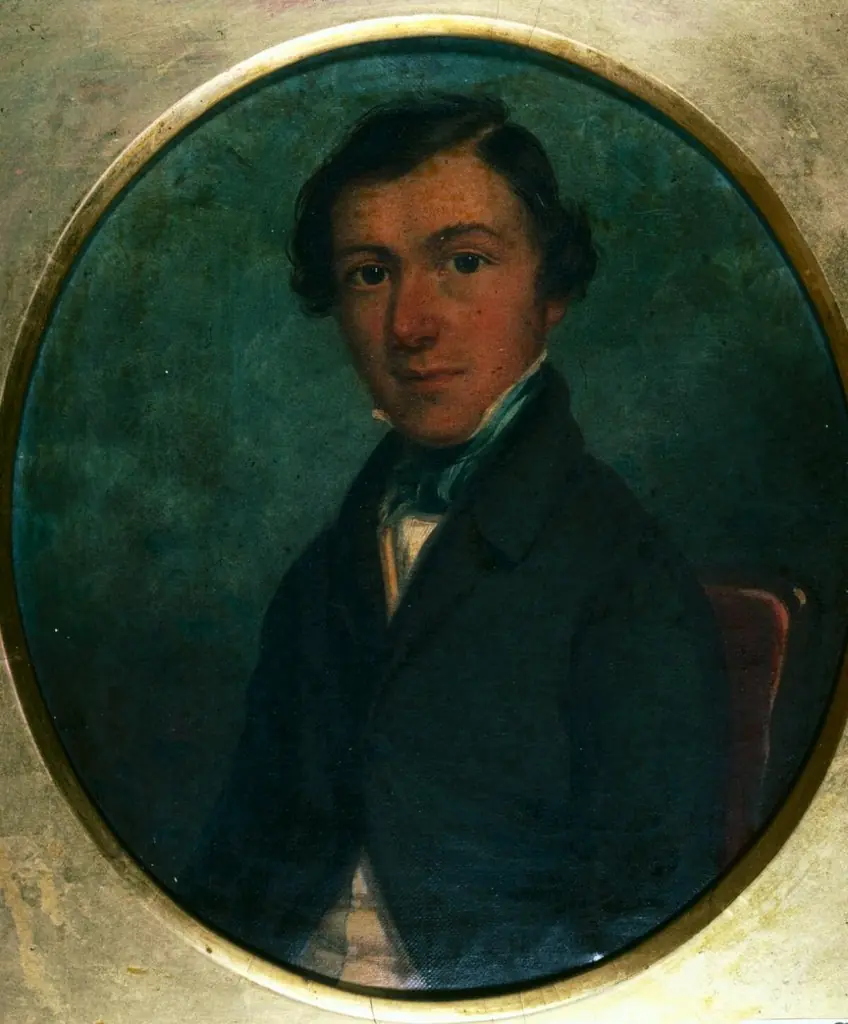
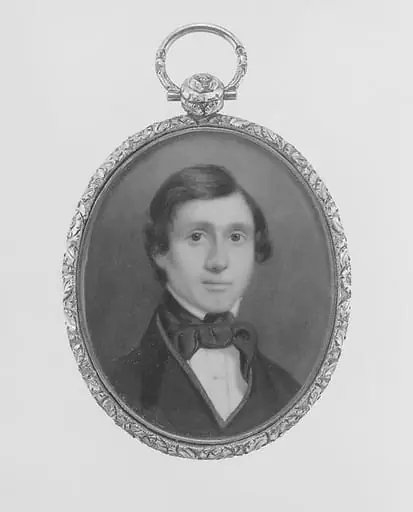
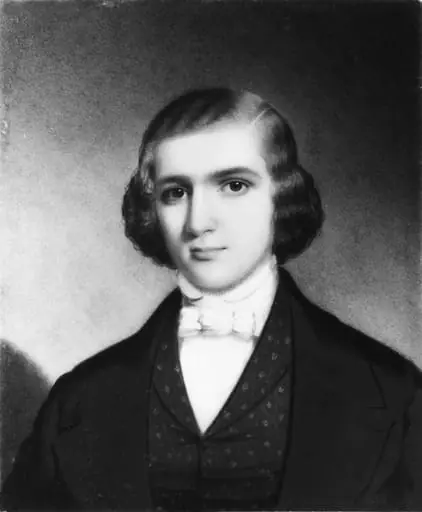
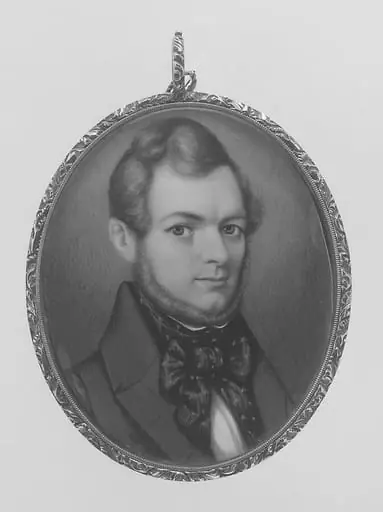
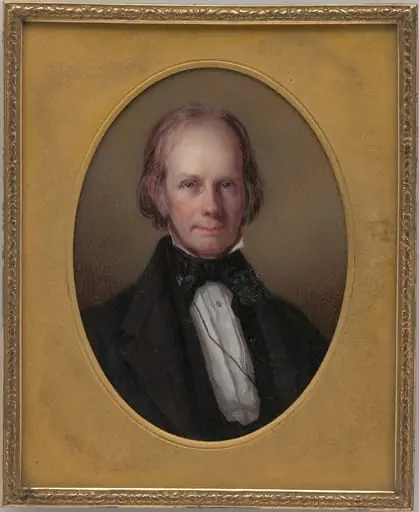
Portrait of a Young Man is a chalk drawing by the Romanticist artist Eastman Johnson. It dates from 1865 and is held in the collection of the National Gallery of Art.
About this work
Overview
Created in 1865, this drawing by Eastman Johnson captures a young man in quiet stillness. Executed in black and white chalk on paper, the work belongs to a series of intimate portrait studies Johnson made during the Civil War era. Its modest scale and unadorned surface reflect a focus on character over formal presentation, aligning with Johnson’s interest in everyday subjects.
Subject & Meaning
His dark coat and neatly tied white cravat suggest modest respectability, while his direct gaze and composed posture convey quiet introspection.
The subject is a young man, rendered with restrained dignity. His dark coat and neatly tied white cravat suggest modest respectability, while his direct gaze and composed posture convey quiet introspection. No external context is provided, allowing the viewer to engage with the individual’s presence rather than his social role. The absence of narrative detail emphasizes the humanity of the sitter.
Technique & Style
Johnson employed soft chalk strokes to model the face and clothing with subtle gradations of tone. The lines are deliberate yet fluid, avoiding sharp definition in favor of atmospheric suggestion. Background areas are left largely untouched, enhancing the focus on the figure. The technique conveys immediacy, as if the artist responded to the sitter’s presence in real time.
History & Provenance
The drawing emerged from Johnson’s personal sketchbook practice during the mid-1860s, a period when he frequently recorded individuals he encountered in Washington, D.C. Its survival as a standalone work suggests it was valued by the artist or an early collector. It entered a public collection in the 20th century, where it remains part of a broader archive of his observational drawings.
Context
During the Civil War, Johnson turned increasingly to intimate portraiture as a means of documenting ordinary Americans. Unlike his larger genre paintings, these chalk studies were private exercises, often made quickly during pauses in his studio work. They reflect a shift toward psychological realism and a quiet empathy for his subjects, distinct from the grand narratives of the era.
Legacy
This drawing exemplifies Johnson’s commitment to capturing individual presence with sensitivity and restraint. Though less known than his painted scenes, such works influenced later American draftsmen who valued direct observation over idealization. They remain important for understanding how 19th-century artists engaged with the quiet dignity of everyday life.
Artist & collection
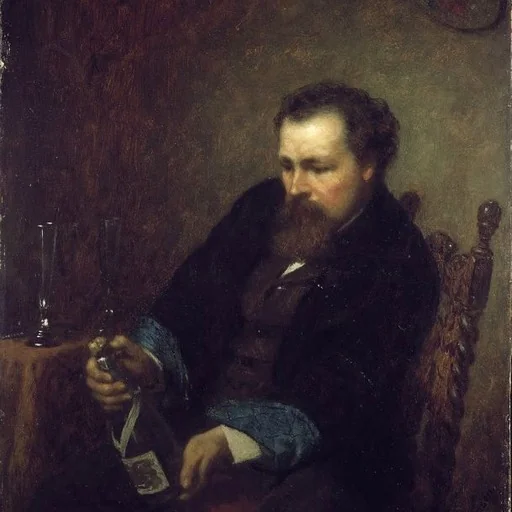
Artist
Jonathan Eastman Johnson (July 29, 1824 – April 5, 1906) was an American painter and co-founder of the Metropolitan Museum of Art, New York City, with his name inscribed at its entrance.