Artwork
Richard Peters
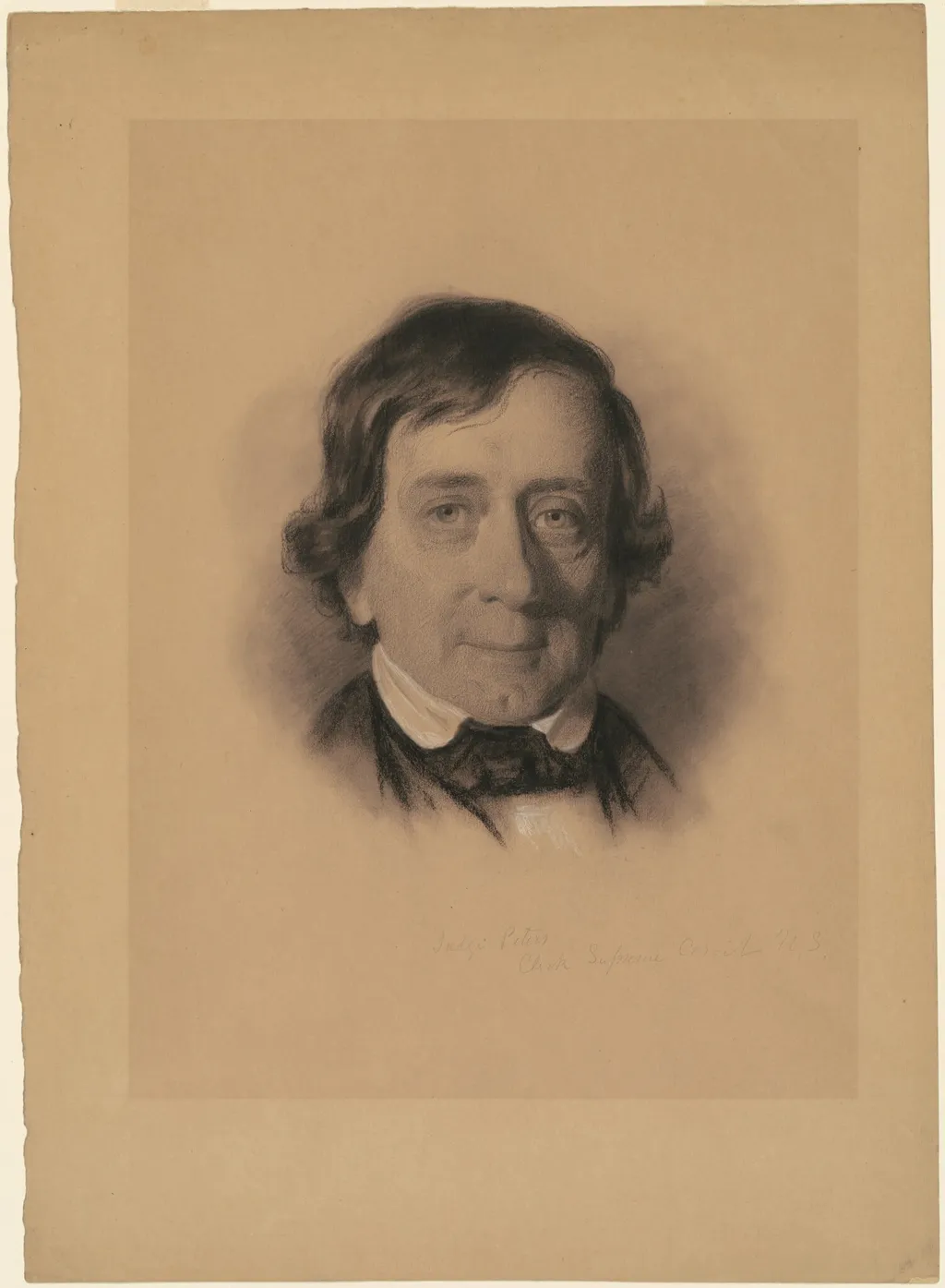
Richard Peters is a graphite drawing by the Romanticist artist Eastman Johnson. It dates from 1842 and is held in the collection of the National Gallery of Art.
About this work
Overview
Created around 1842, this drawing by Eastman Johnson portrays a seated gentleman in a dark coat with a white collar. Executed in charcoal, graphite, and white chalk on wove paper, the work presents a close‑up view of the sitter’s face and upper torso against an unadorned background. The artist’s signature is absent, but the figure is identified by the inscription "Judge Peters" at the lower edge.
Subject & Meaning
The portrait depicts a middle‑aged man with greying hair and a solemn expression, suggesting a formal or professional status. The title and the label "Judge Peters" indicate that the sitter was a judicial figure, likely a local magistrate, whose demeanor conveys the gravitas associated with his public role.
Technique & Style
Johnson employed a combination of charcoal and graphite for the dark outlines and tonal modeling, while white chalk adds highlights to the collar and facial features. The surface appears intentionally rough; smudged areas create soft transitions around the face and neck, a technique akin to scumbling that yields a muted, atmospheric quality.
History & Provenance
The drawing is dated to the early 1840s, a period when Johnson was establishing his reputation as a portraitist before turning to genre scenes. The work’s provenance traces to private collections associated with the Peters family, though the artist’s signature does not appear on the sheet, leaving attribution to Johnson’s documented style and historical records.
Artist & collection
Artist
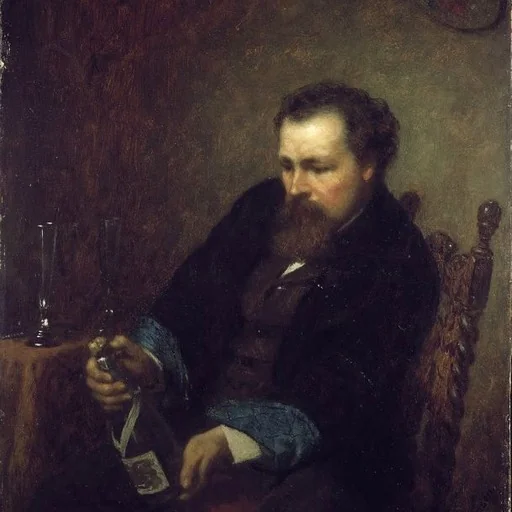
Jonathan Eastman Johnson (July 29, 1824 – April 5, 1906) was an American painter and co-founder of the Metropolitan Museum of Art, New York City, with his name inscribed at its entrance.

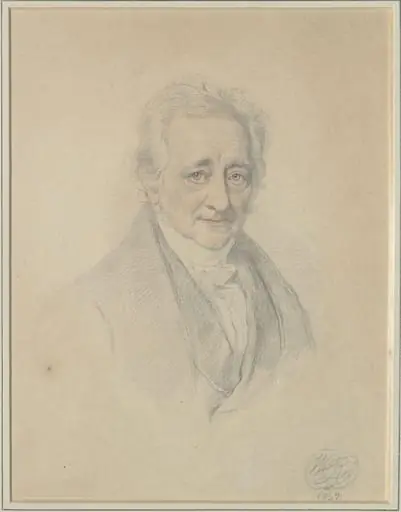 Portrait of William Ross, a miniature painter
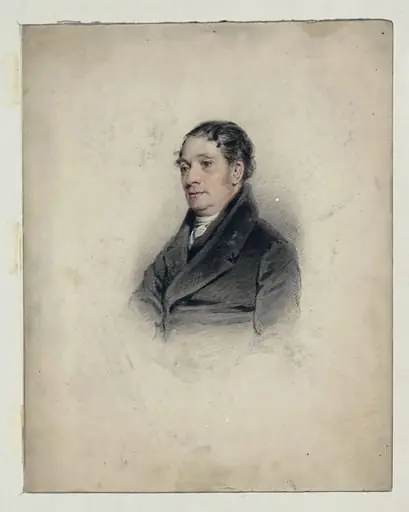 Portrait of a Man
 Guy Little Theatrical Photograph
 The Painter Peter von Cornelius
 Guy Little Theatrical Photograph
 Guy Little Theatrical Photograph
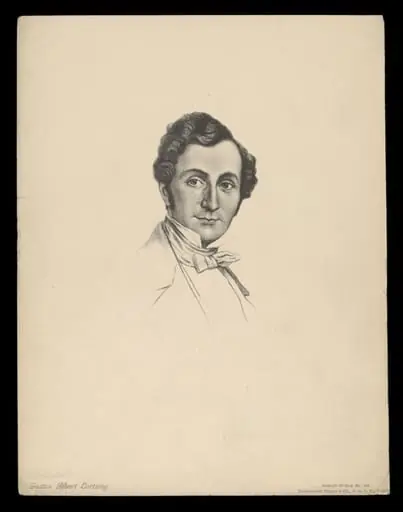 H Beard Print Collection
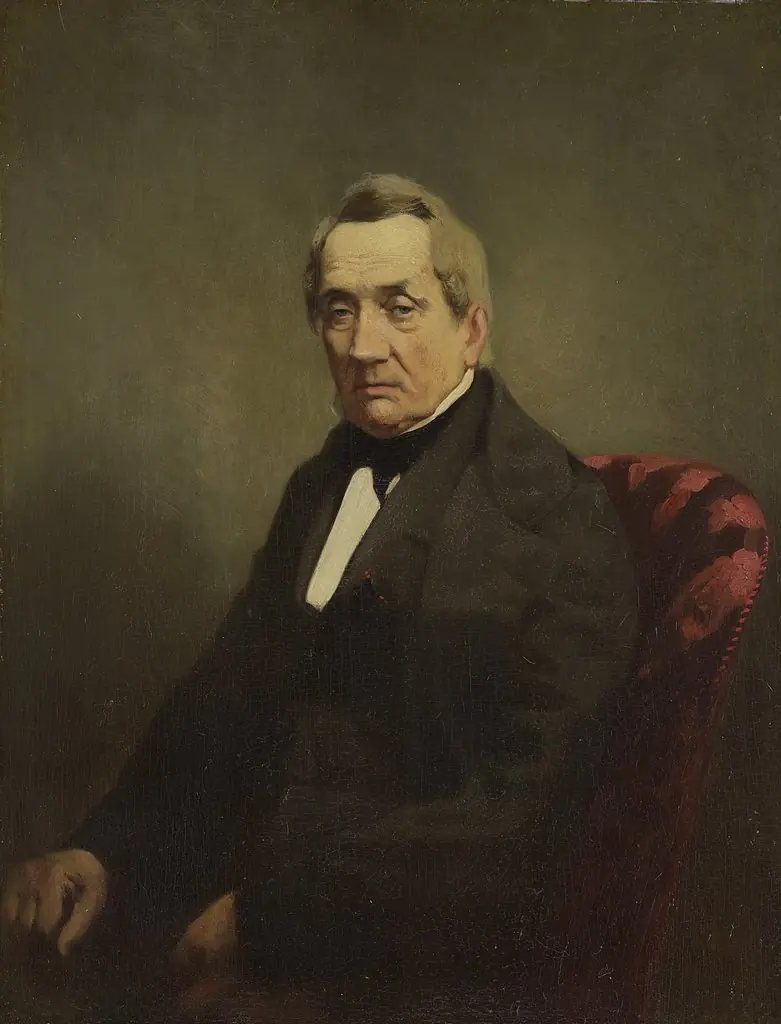 Portrait of J C de Brunett, Consul-General of Russia to Amsterdam
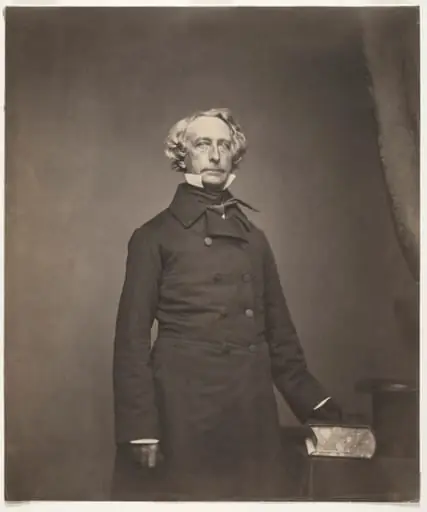 Prosper M. Wetmore
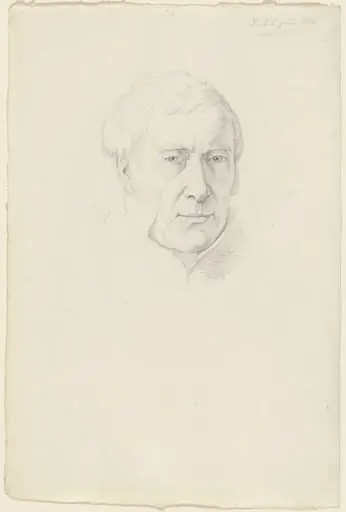 Principe Massimiliano Massimi
 Edward Parry
 Benjamin King