Artwork
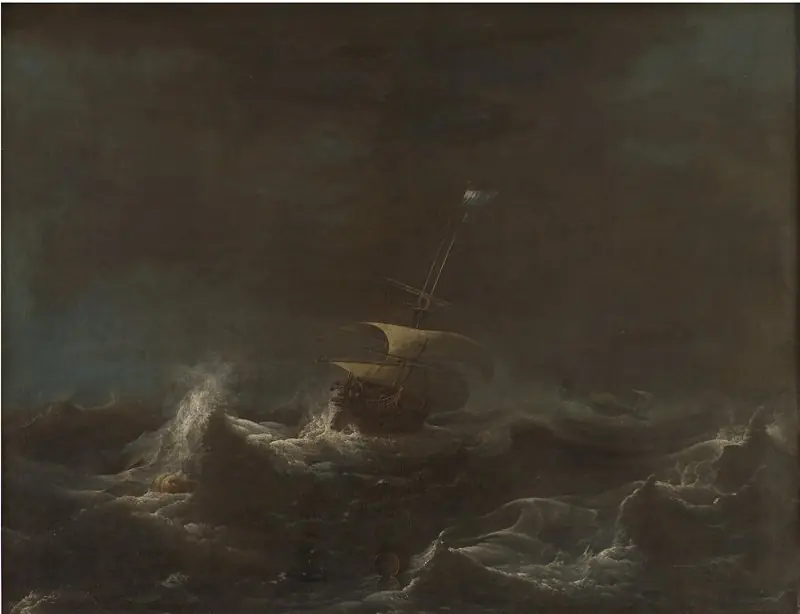
The Storm at Sea
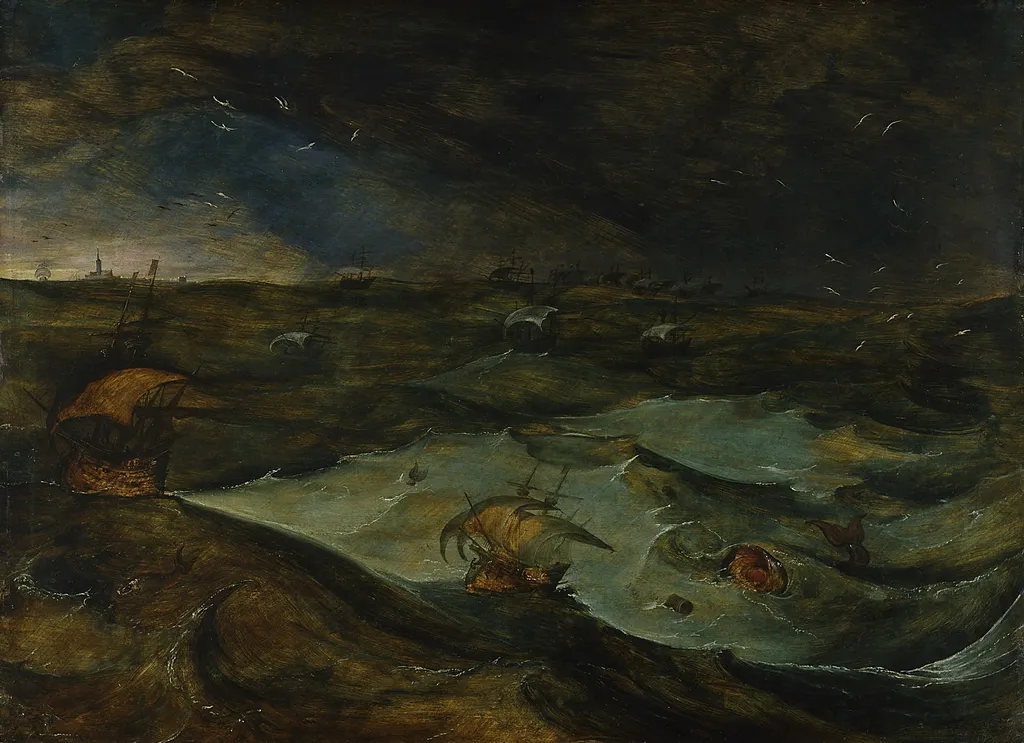
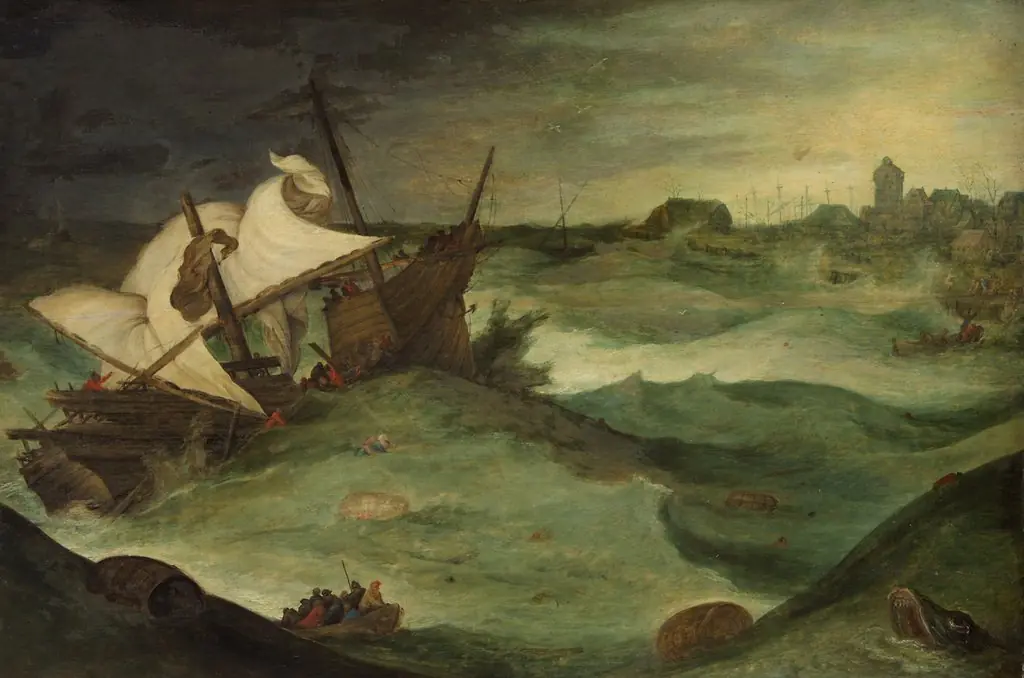
The Storm at Sea is an oil painting by the Flemish Baroque painting artist Joos de Momper the Younger. It dates from 1610 and is held in the collection of the Kunsthistorisches Museum.
About this work
The Storm at Sea is a painting. It's an oil painting on panel.
The painting is attributed to Pieter Bruegel the Elder, but it's also linked to Joos de Momper the Younger. There's a note about a similar painting from around 1569.
To learn more about the style and techniques used in this period, look up the technique of glazing.
Overview
The Storm at Sea is an oil painting on panel, created circa 1569, currently housed at the Kunsthistorisches Museum in Vienna.
Context
Attributed to Pieter Bruegel the Elder, though some sources also associate it with Joos de Momper the Younger, highlighting uncertainties in its definitive authorship. A comparable piece from the same era exists, suggesting possible thematic or stylistic parallels.
Technique & Style
Executed in oil on panel, the painting exemplifies techniques characteristic of the Netherlandish Renaissance. Notably, the use of glazing—a method involving the application of multiple thin, transparent layers of paint to achieve depth and luminosity—may have been employed to capture the dynamic, light-play of the stormy scene.
History & Provenance
Painted around 1569, the work's early history is not detailed here, but it is now part of the permanent collection at the Kunsthistorisches Museum in Vienna, indicating its recognized value within the canon of Netherlandish Renaissance art.
Legacy
While specific influences of The Storm at Sea on later art are not outlined here, as a potentially Bruegel or Momper work, it contributes to the broader legacy of Netherlandish Renaissance painting, influencing subsequent depictions of natural phenomena in European art.
Artist & collection
Artist
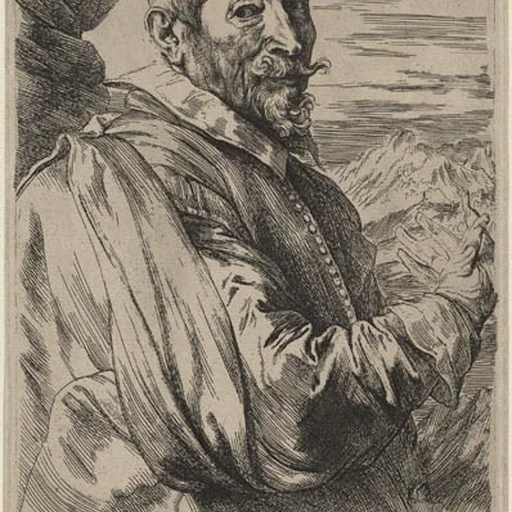
Joos de Momper the Younger or Joost de Momper the Younger (c. 1564 – 5 February 1635) was a Flemish landscape painter active in Antwerp between the late 16th century and the early 17th century. Brueghel's influence is…