Artwork
Knabenbildnis
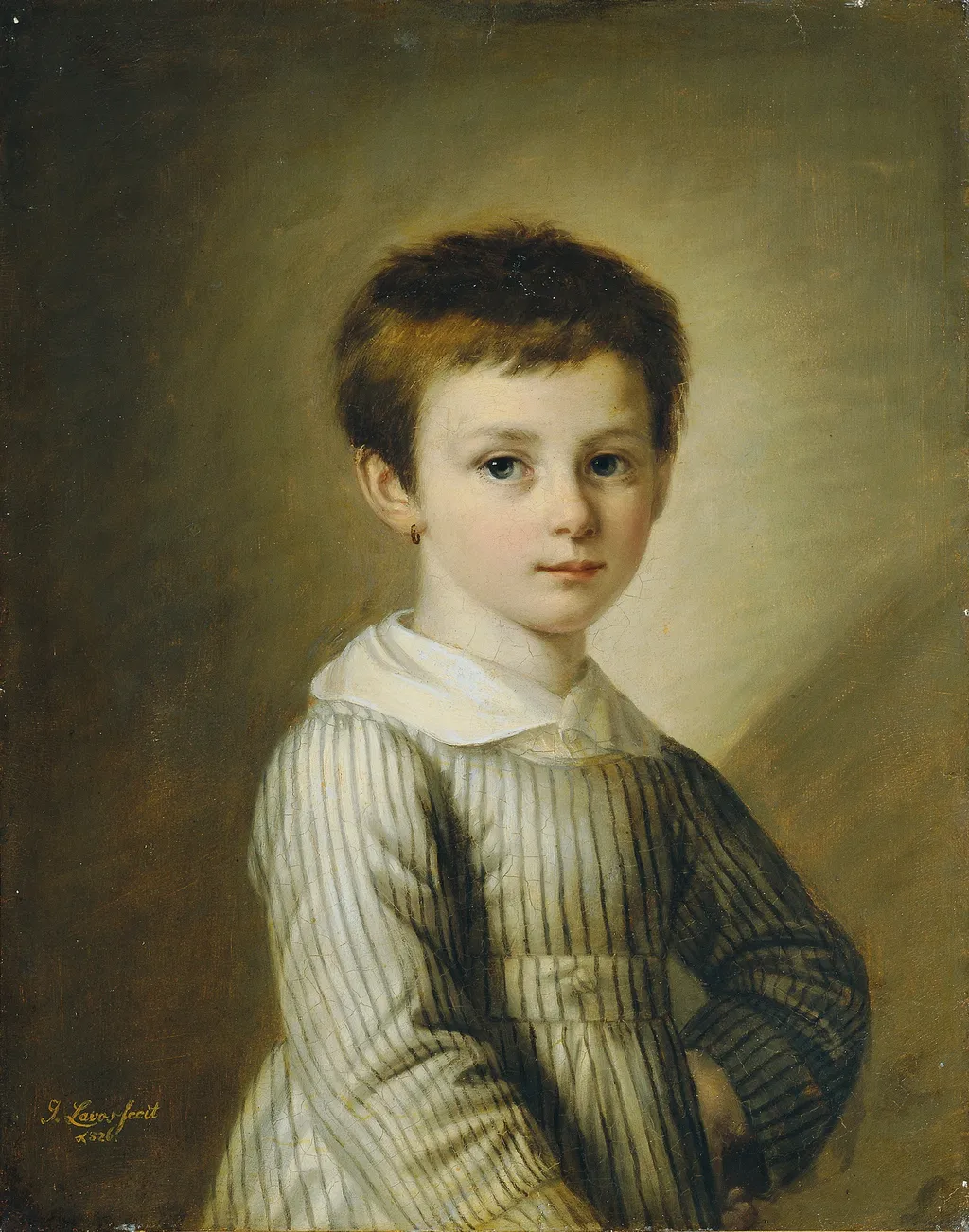
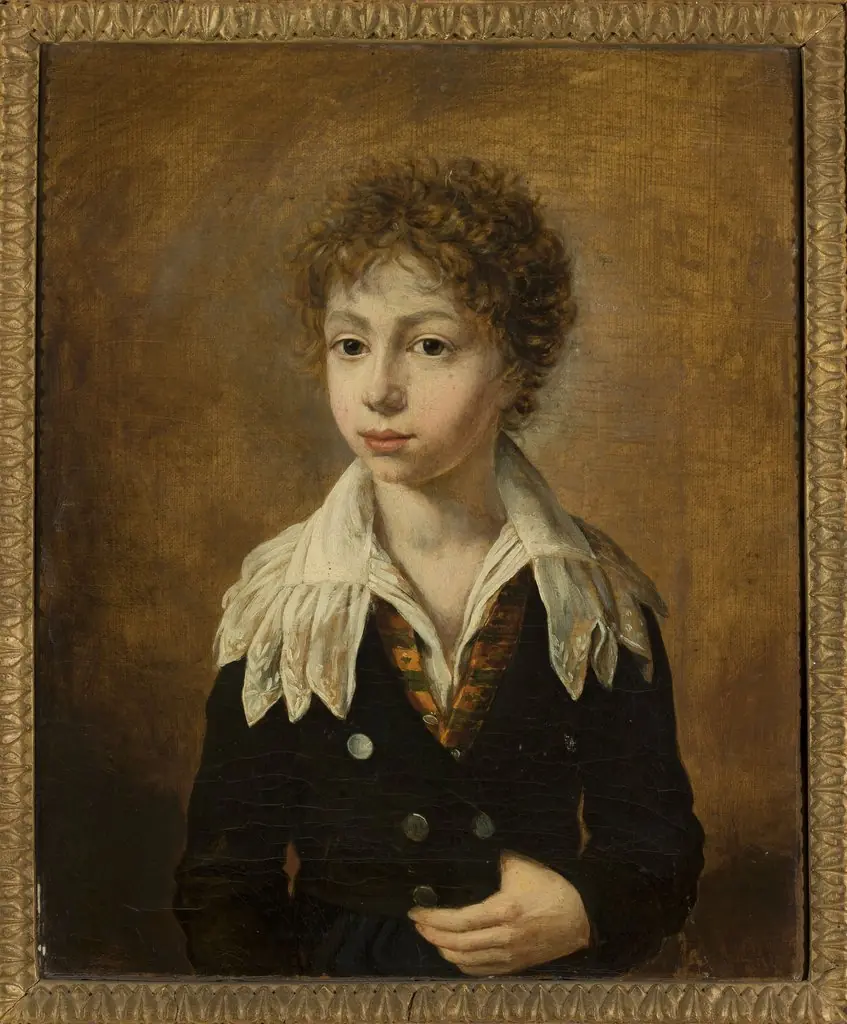
Knabenbildnis is an oil painting by the Biedermeier artist Josef Lavos. It dates from 1826 and is held in the collection of the Kunsthistorisches Museum. Painted in 1826, this oil portrait depicts a young boy in a quiet, direct gaze.
About this work
Overview
The work is attributed to Josef Lavos and resides in the collection of the Kunsthistorisches Museum in Vienna.
Painted in 1826, this oil portrait depicts a young boy in a quiet, direct gaze. The work is attributed to Josef Lavos and resides in the collection of the Kunsthistorisches Museum in Vienna. Its modest scale and intimate composition reflect a tradition of private portraiture common in early 19th-century Central Europe, where individual character was rendered with restrained elegance rather than grandeur.
Subject & Meaning
The boy, dressed in a white shirt with narrow black stripes and a crisp collar, holds his arms crossed in a posture of quiet composure. A small earring in his left ear suggests personal or familial adornment, possibly indicating status or cultural identity. His serious expression and direct gaze invite contemplation, avoiding theatricality in favor of psychological presence, typical of bourgeois portraiture of the period.
Technique & Style
Lavos employs subtle gradations of tone to model the boy’s face and clothing, creating soft transitions between light and shadow. The warm golden background enhances the figure’s presence without distraction. Brushwork is precise yet unobtrusive, particularly in the rendering of fabric texture and the delicate sheen of the earring. The palette remains restrained, emphasizing naturalism over decorative flourish.
History & Provenance
The painting entered the Kunsthistorisches Museum’s collection in the 19th century, likely through acquisition or bequest. While Josef Lavos is not widely documented, his works appear in regional Austrian collections, suggesting he operated within local artistic circles. The painting’s preservation and institutional ownership indicate its recognition as a representative example of domestic portraiture from the era.
Context
In the 1820s, portrait painting in the Habsburg territories often served to document family lineage and social standing. Children were increasingly depicted with individualized expressions rather than as miniature adults. Lavos’s work aligns with this shift, capturing a moment of youthful stillness that reflects broader cultural values of introspection and familial pride among the middle classes.
Legacy
Though Josef Lavos remains a lesser-known figure, this portrait endures as a quiet testament to the sensitivity of regional portraiture in early 19th-century Austria. Its presence in a major museum underscores its value as a historical document of everyday life, offering insight into the aesthetics and social norms of a time when personal identity was often conveyed through subtle detail rather than overt symbolism.
Own this work as a print
Artist & collection

 Portrait of a Boy
 Portrait of Master Crosby
 Bust portrait of a boy
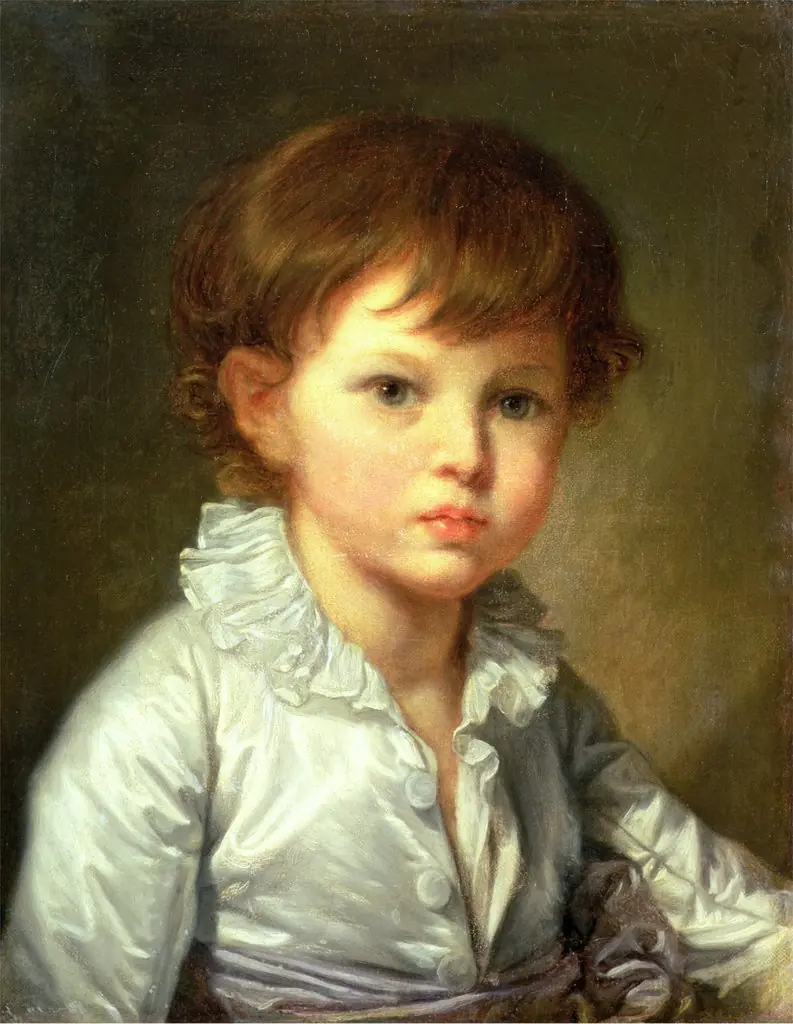 Portrait of Count Pavel Stroganov as A Child
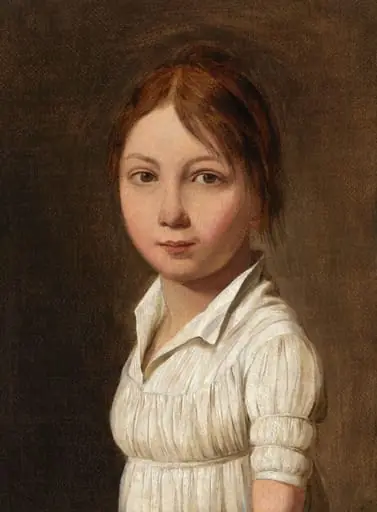 Malvina Mortier de Trévise
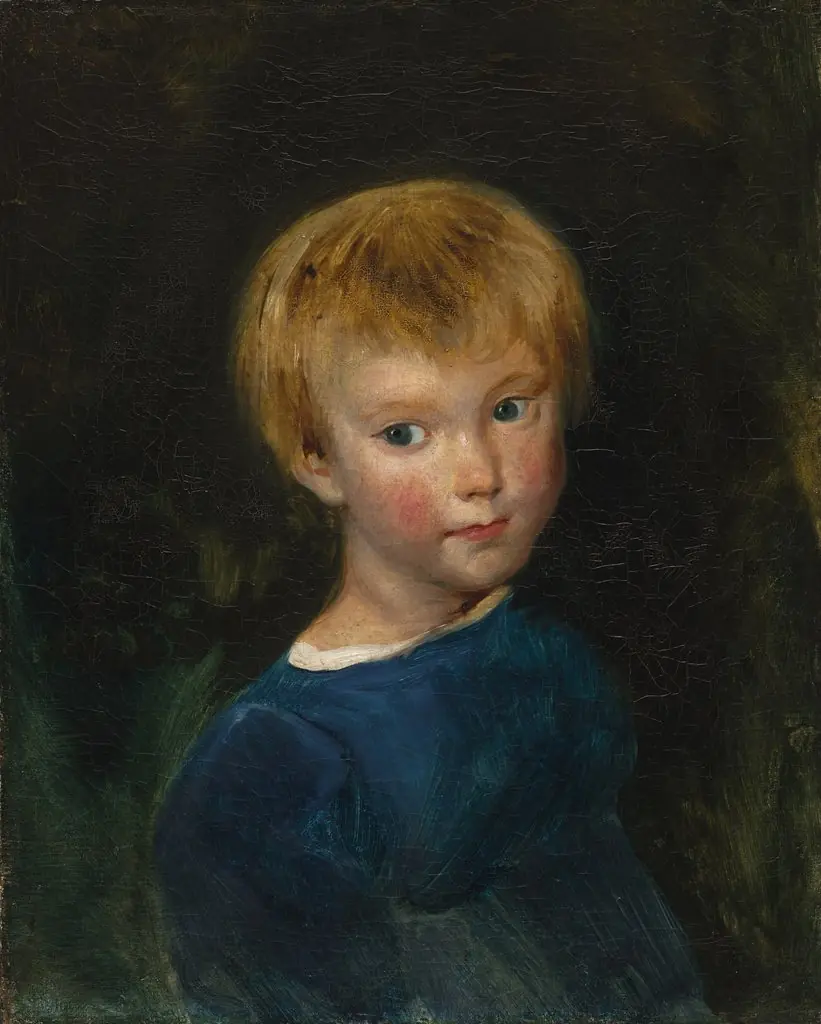 Marguerite-Juliette Pierret
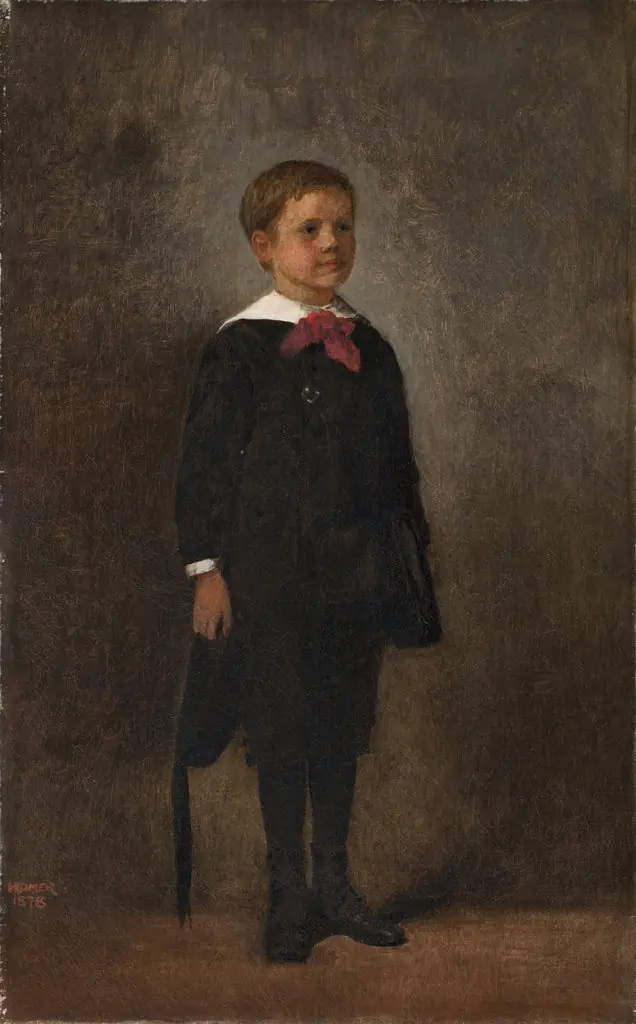 Charles Prentice Howland
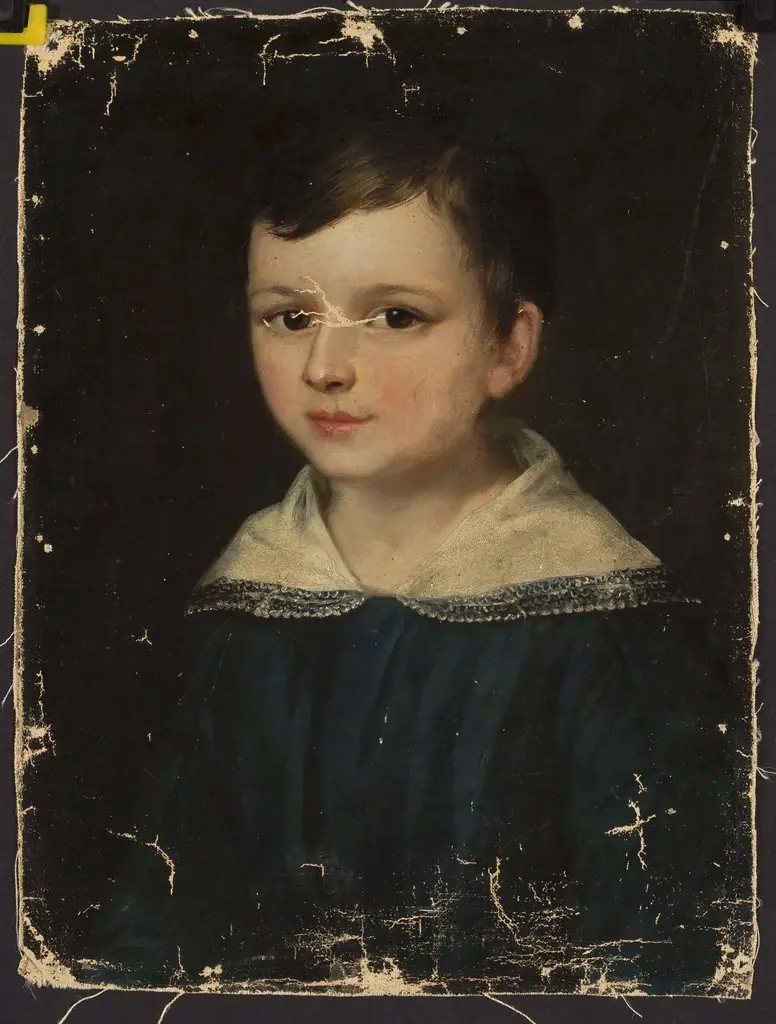 Portrait of Oktawian Szukiewicz as a child
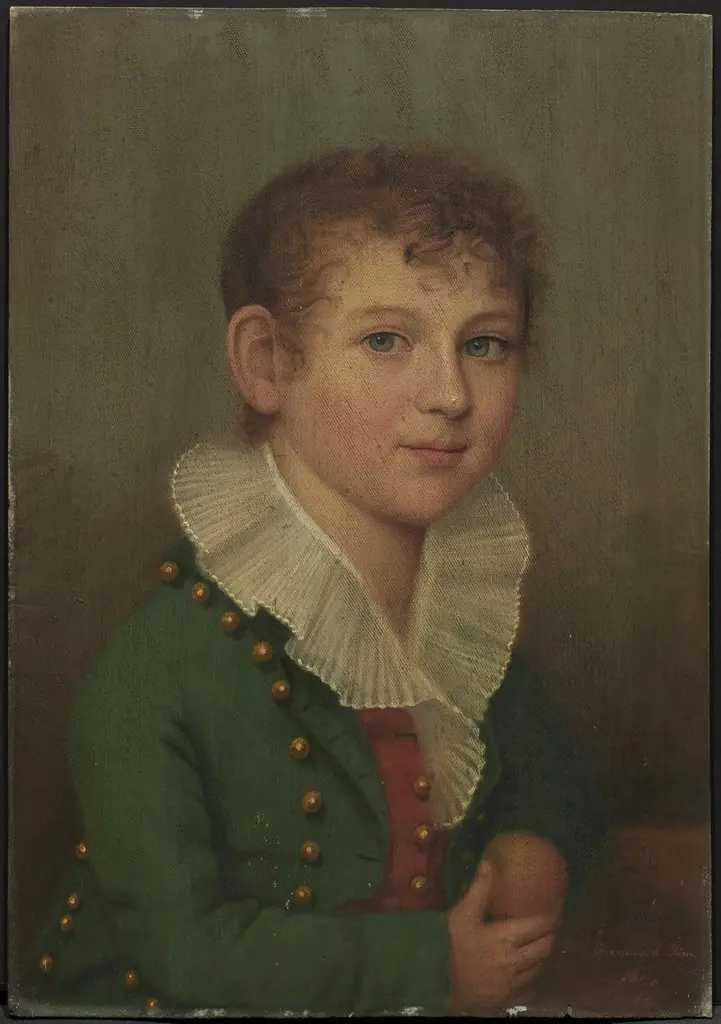 A Young Boy (one of pair of portraits)
 Marguerite-Juliette Pierret
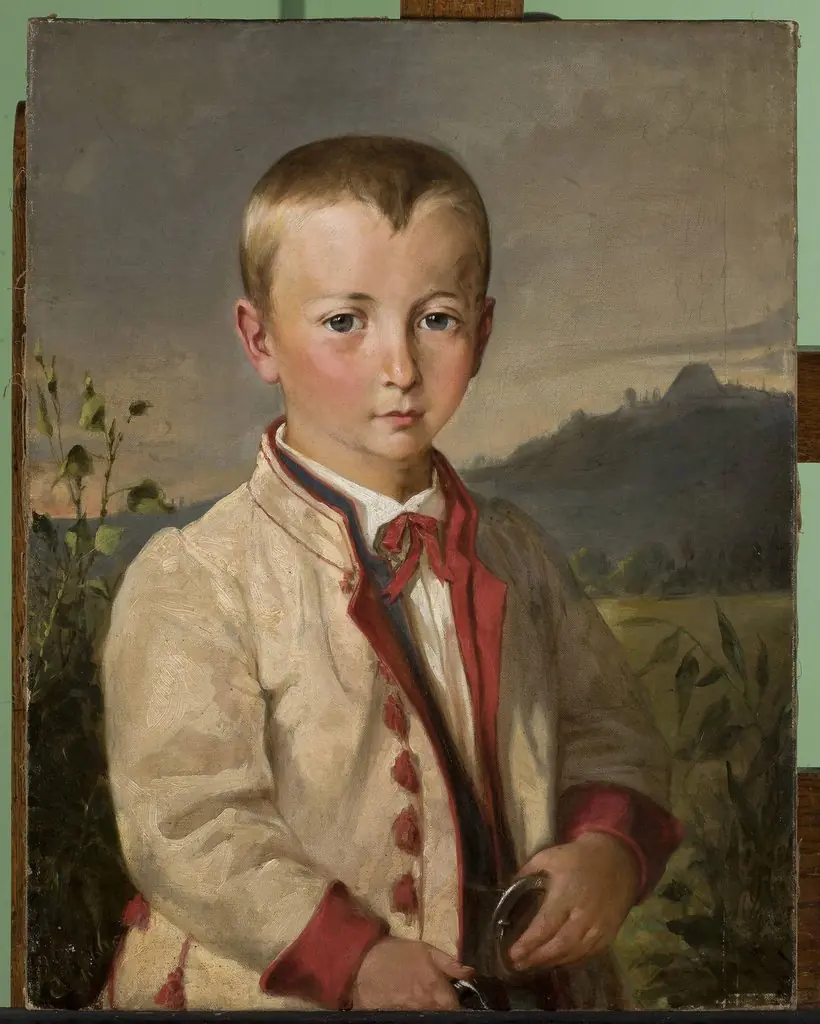 Boy against landscape
 Childhood portrait of Julius von Minutoli