Artwork
Anbetung
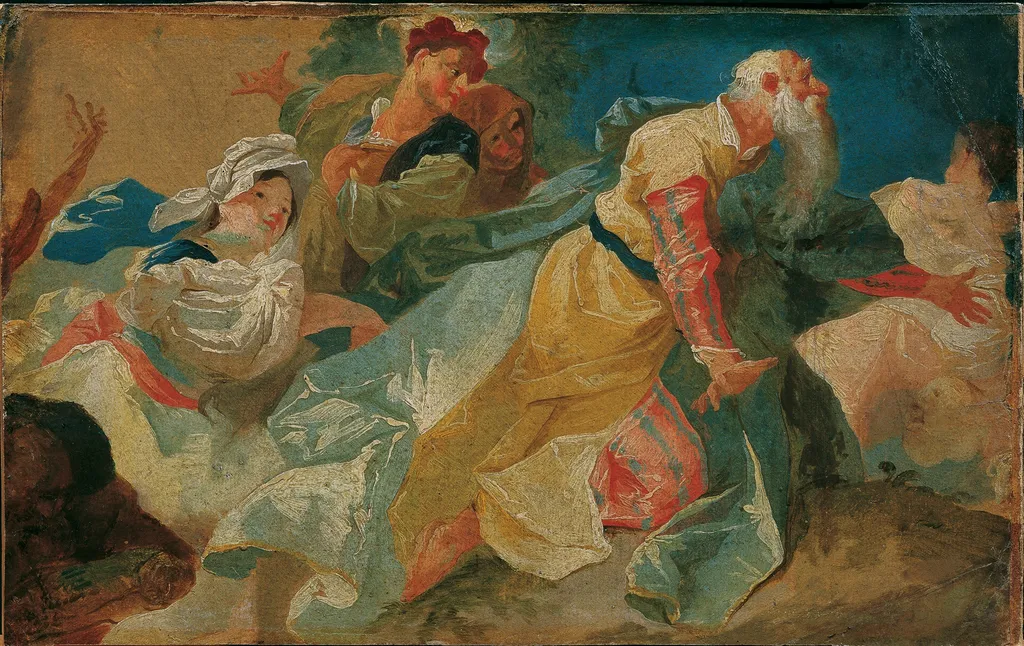
Anbetung is an unspecified painting by the Rococo painting artist Josef Winterhalder der Jüngere. It dates from 1764 and is held in the collection of the Kunsthistorisches Museum.
About this work
Overview
Anbetung is a Rococo-period painting created in 1764 by Josef Winterhalder the Younger, a German-Bohemian artist from a family of painters. It is now held in the collection of the Kunsthistorisches Museum.
Subject & Meaning
The painting is an allegorical scene featuring multiple figures. At its center is an older, bearded man in a yellow robe with red and blue accents, captured in a dynamic, turned pose. A woman in white, with her body twisted and arms outstretched, stands to his left. Less defined figures populate the background.
Technique & Style
Winterhalter employs a vibrant color palette and expressive composition to convey a sense of energy and movement. The work showcases his use of chiaroscuro, though details on this aspect are available through external reference.
History & Provenance
Created in 1764, Anbetung reflects Winterhalder's contributions to Central Europe's late 18th-century decorative and religious art. His practice spanned Moravia, Lower Austria, and Hungary.
Context
As a Rococo work, Anbetung situates itself within the era's emphasis on expressive, ornate, and emotionally charged art, common in Central European religious and decorative traditions of the time.
Legacy
While specific lasting impacts of Anbetung are not detailed, it represents Winterhalder's role in the region's artistic heritage, preserved through its inclusion in the Kunsthistorisches Museum's collection.
Artist & collection
Artist
Josef Winterhalder der Jüngere
Josef Winterhalder the Younger (25 January 1743 – 17 January 1807) was a German-Bohemian painter belonging to the fourth generation of painters and sculptors in the Winterhalder family. He worked in Moravia, Lower Austria and Hungary.

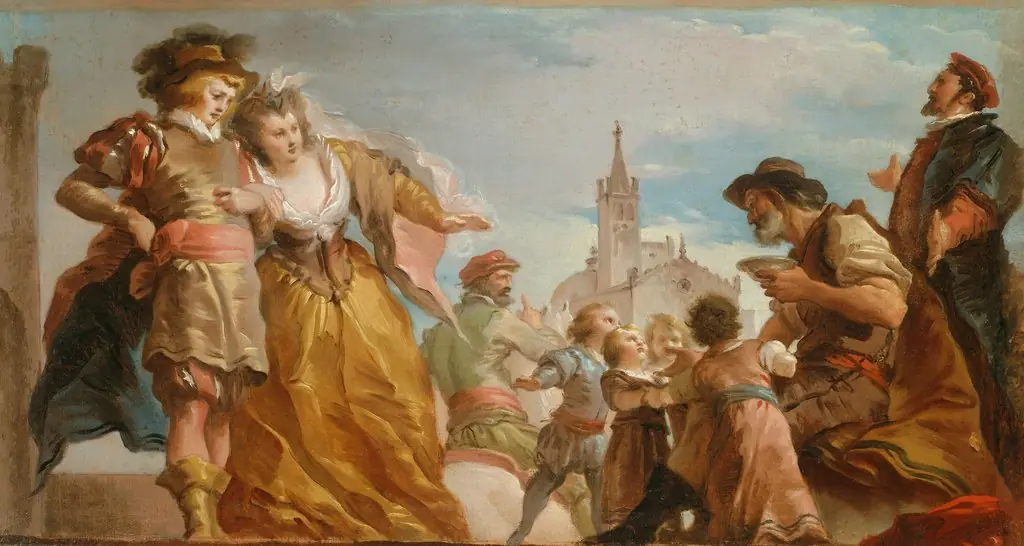 The Meeting of Gautier, Count of Antwerp, and his Daughter, Violante
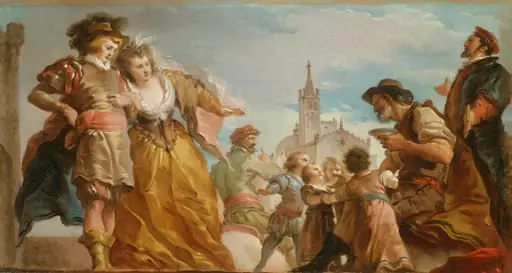 The Meeting of Gautier, Count of Antwerp, and his Daughter, Violante
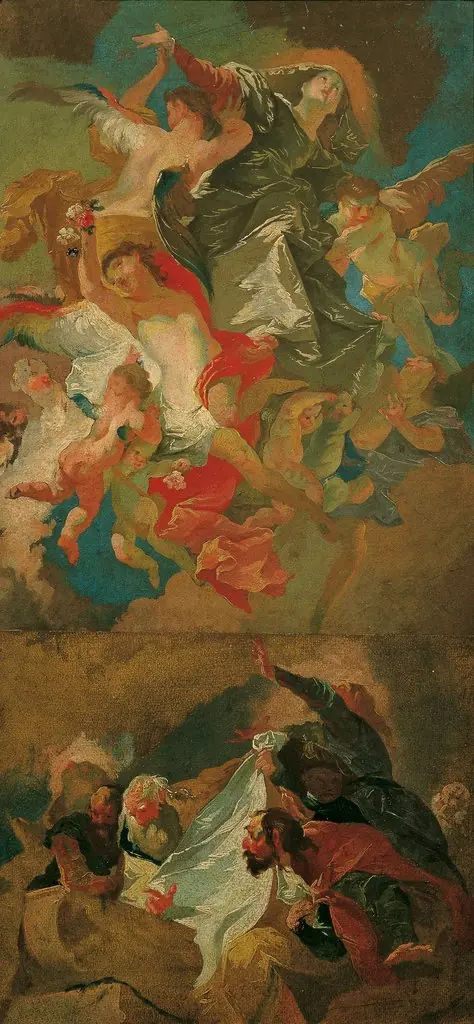 Assumption of Mary
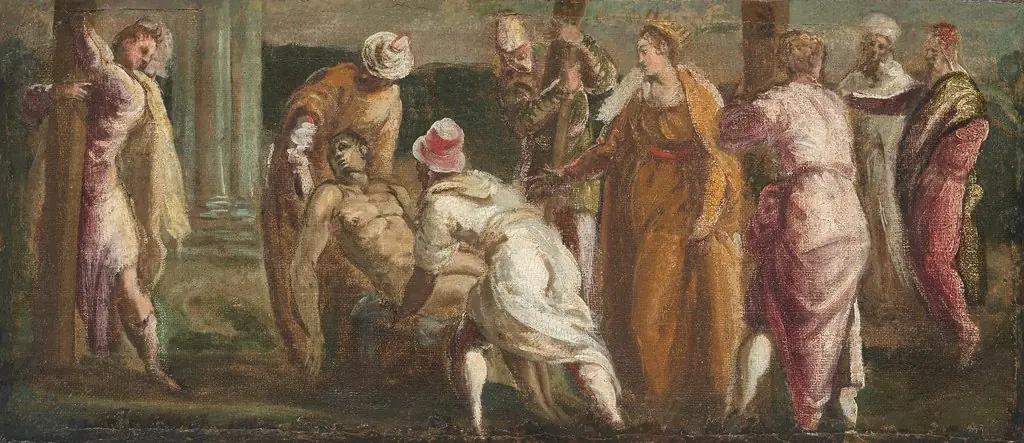 Saint Helen Testing the True Cross
 Saint Helen Testing the True Cross
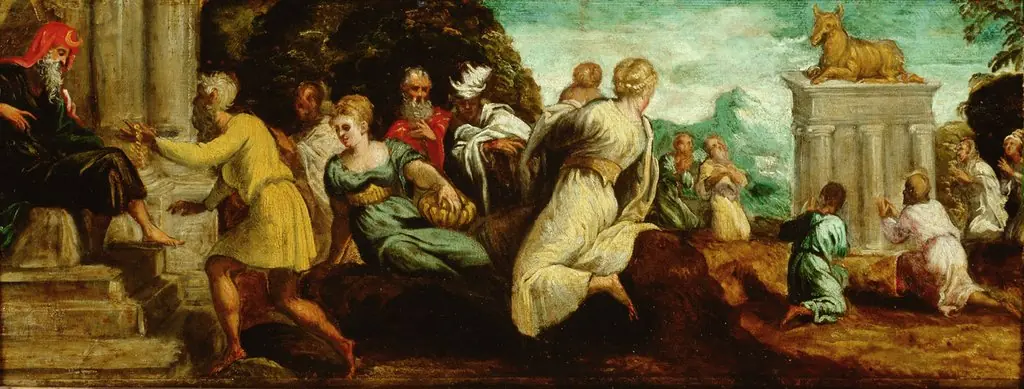 Anbetung des Goldenen Kalbes
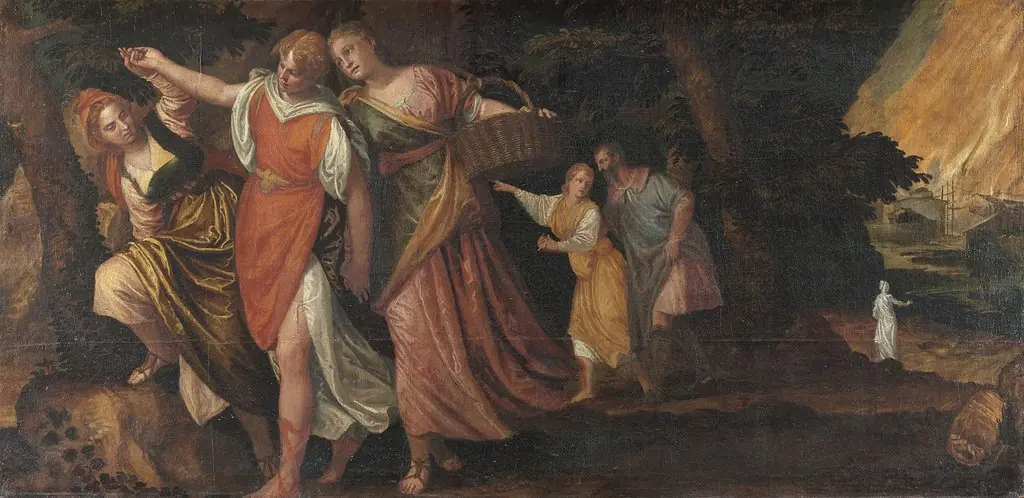 Lot flees Sodom
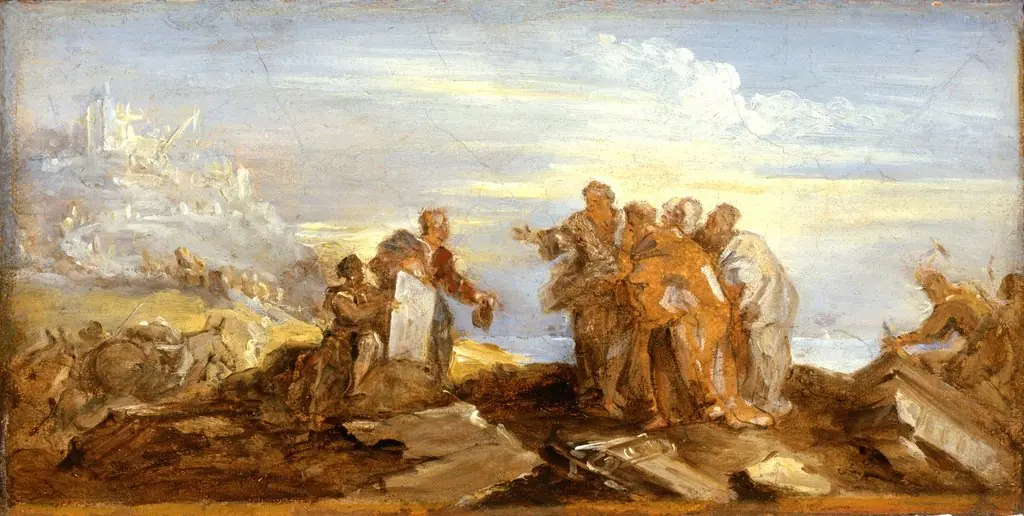 Scene from Ancient History
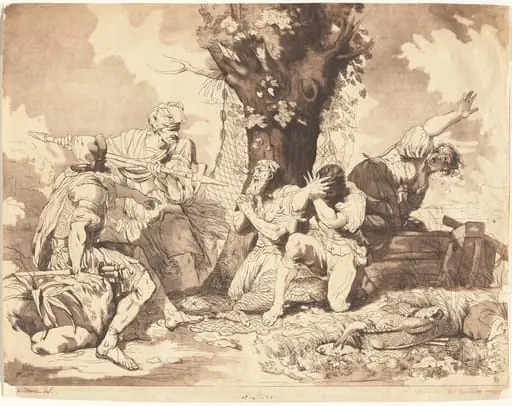 Banditti Robbing Fishermen
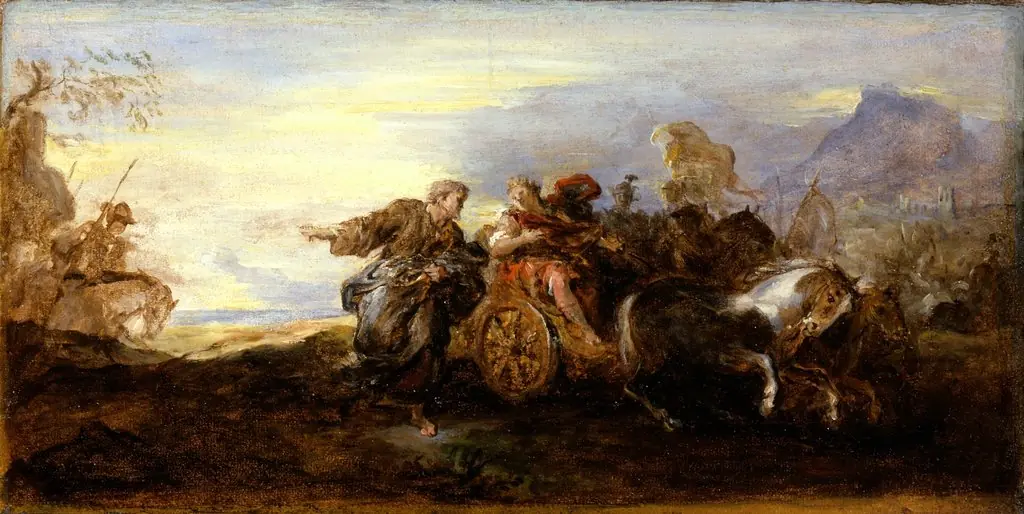 Scene from Ancient History