Artwork
Elizabeth Storer (Mrs. Isaac Smith)
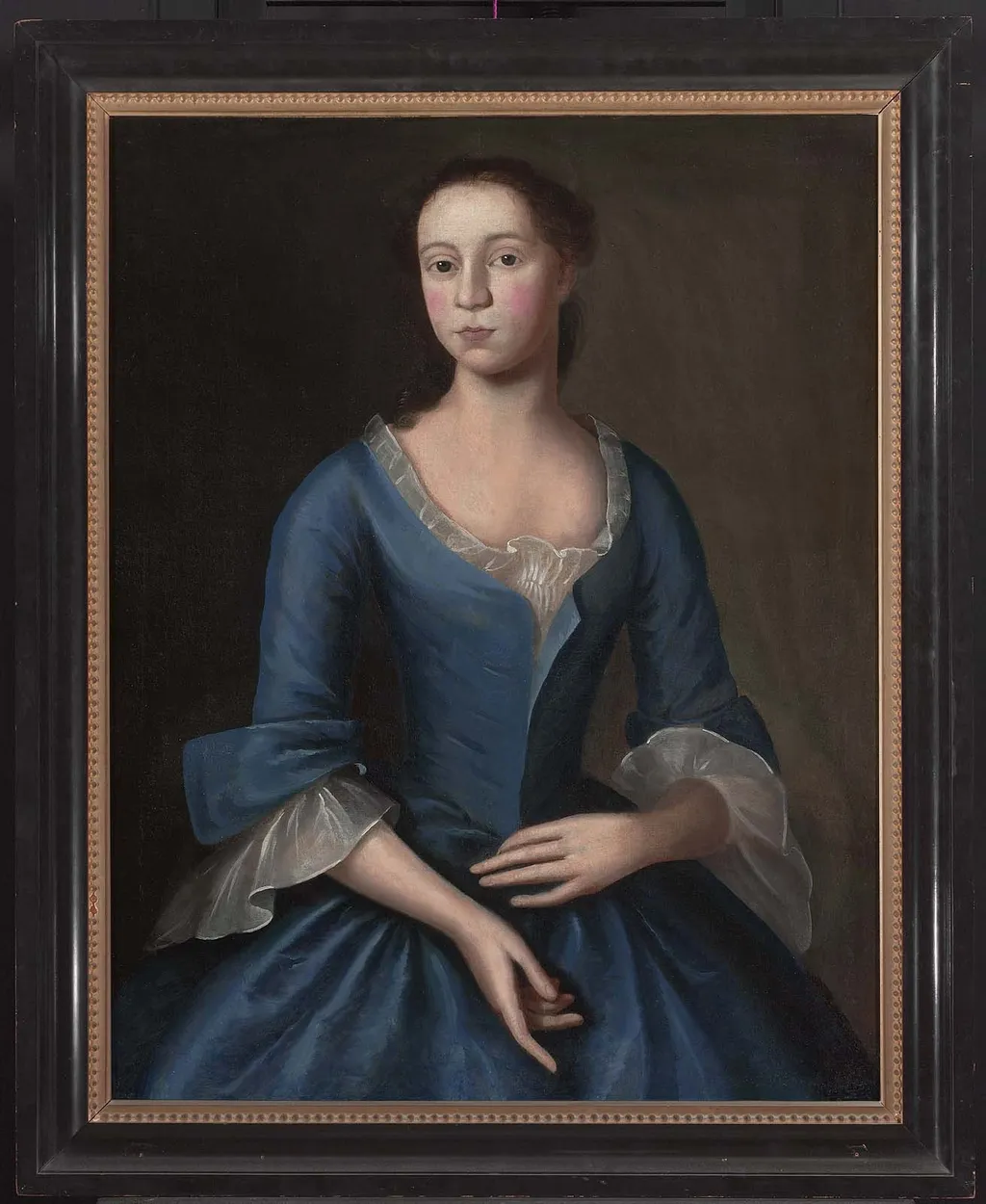
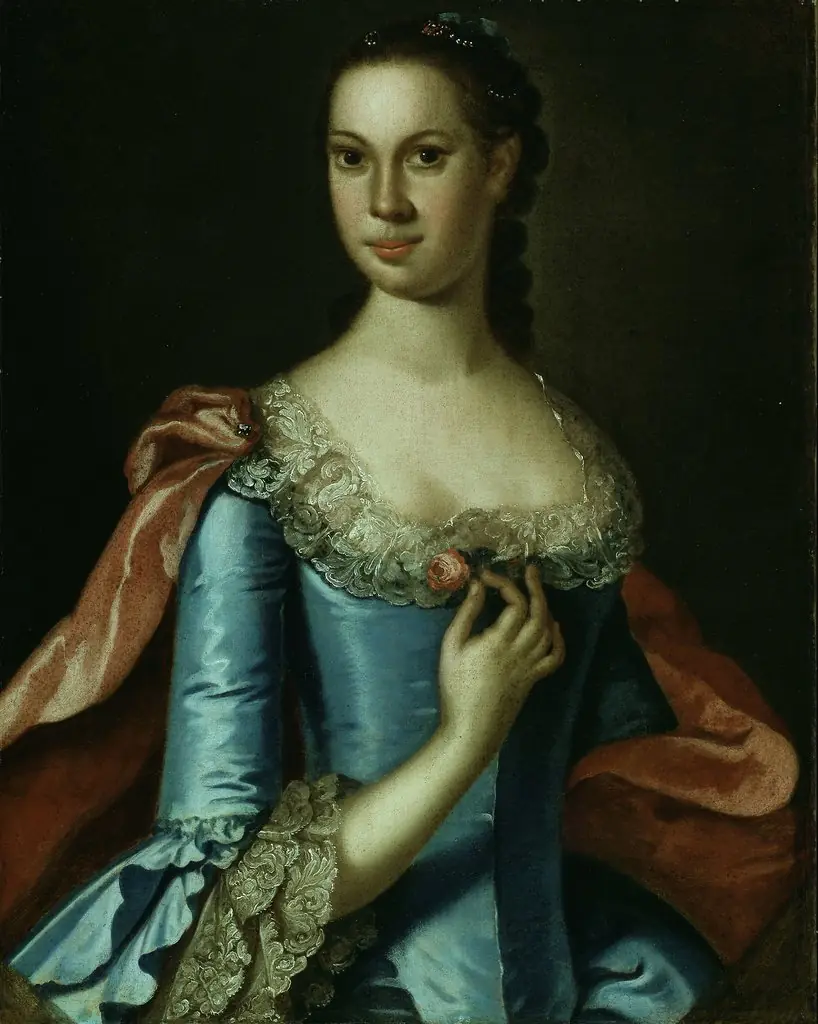
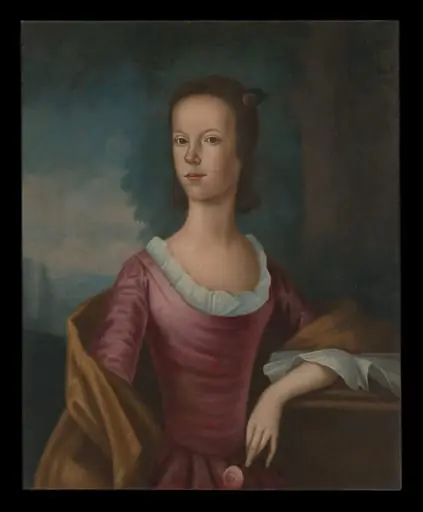
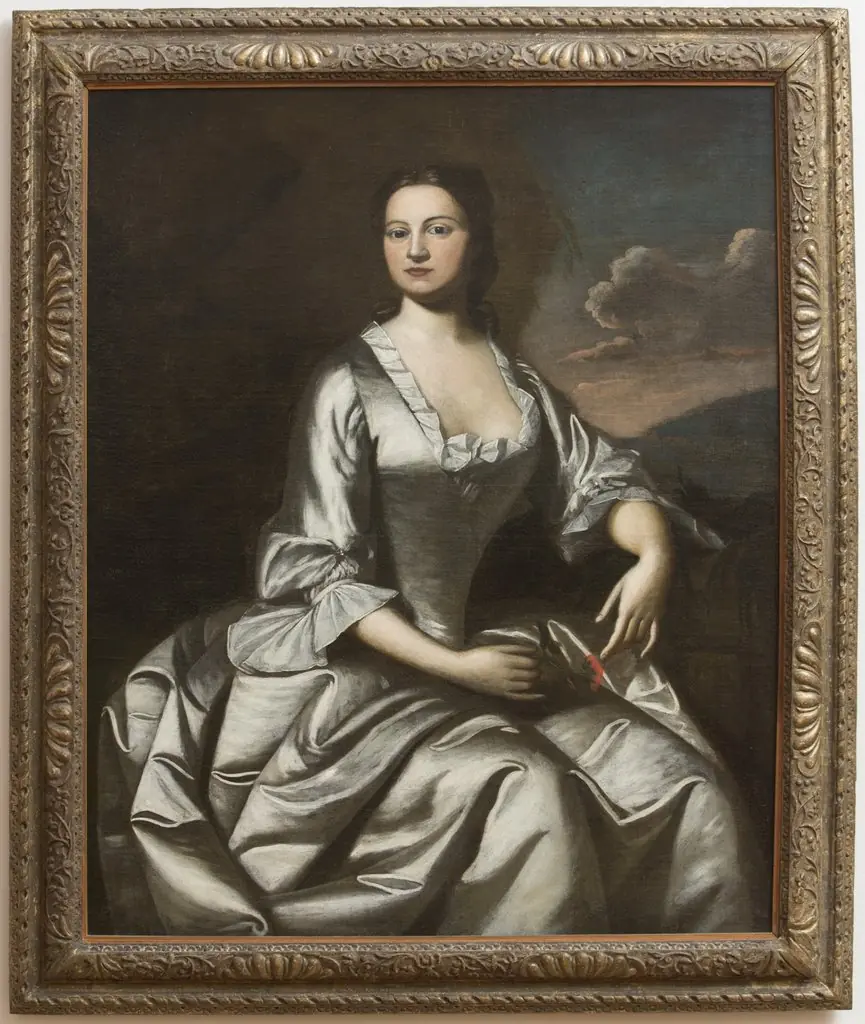
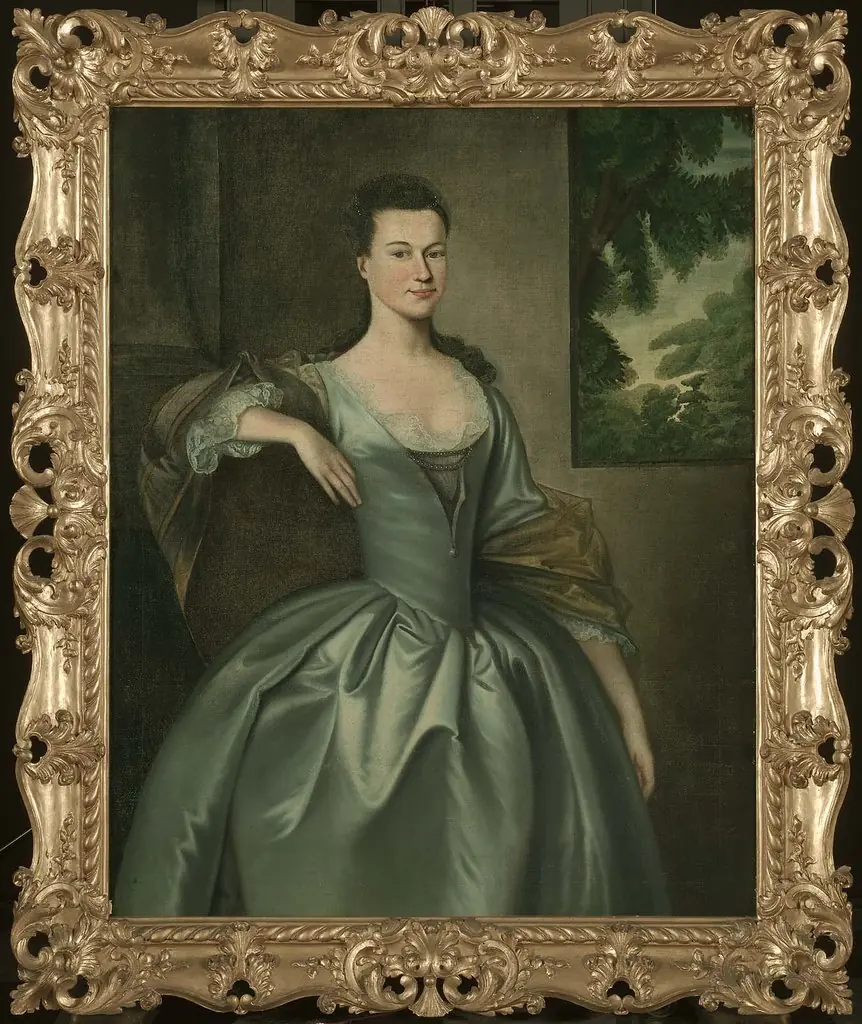
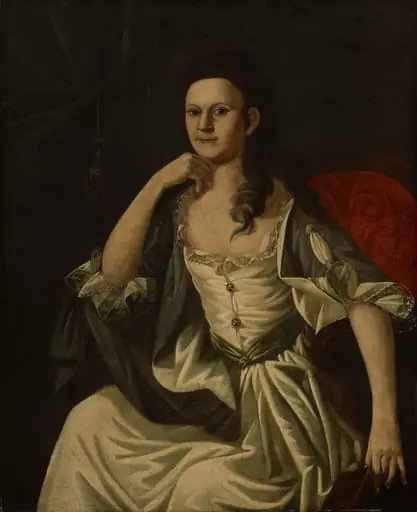
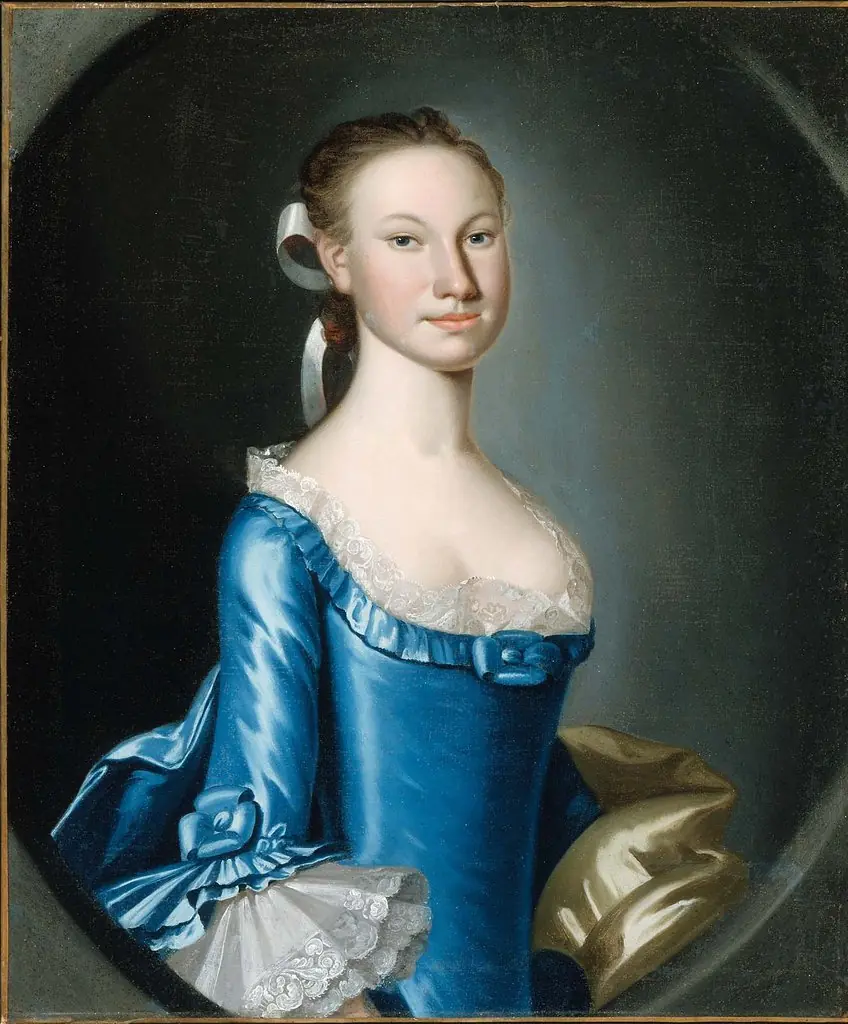
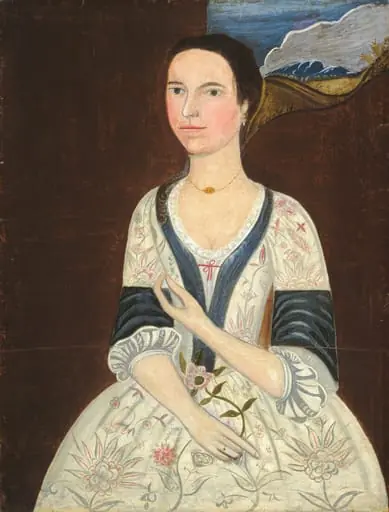
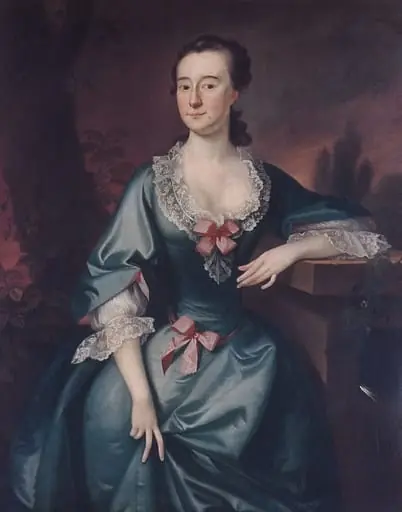
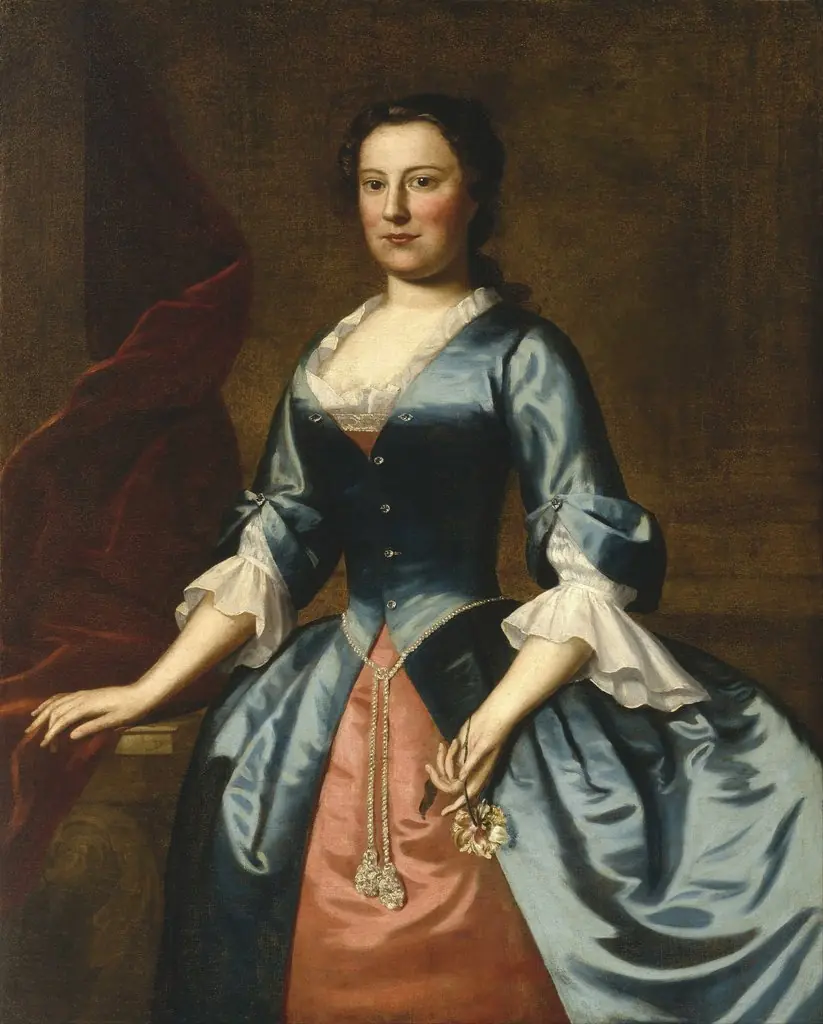
Elizabeth Storer (Mrs. Isaac Smith) is an oil painting by the Rococo painting artist Joseph Badger. It dates from 1746 and is held in the collection of the Museum of Fine Arts Boston.
About this work
Overview
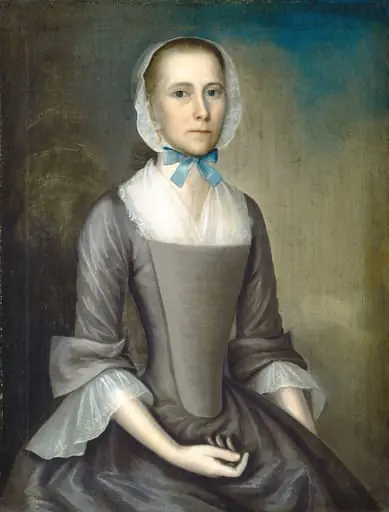
Painted in 1746 by Joseph Badger, this oil portrait depicts Elizabeth Storer, wife of Isaac Smith, seated in a composed, upright posture.
Painted in 1746 by Joseph Badger, this oil portrait depicts Elizabeth Storer, wife of Isaac Smith, seated in a composed, upright posture. The work is part of the Museum of Fine Arts, Boston’s collection and exemplifies early American portraiture from the mid-18th century. Its restrained composition and muted palette reflect the period’s emphasis on dignity and social standing rather than flamboyance.
Subject & Meaning
Elizabeth Storer is portrayed with quiet solemnity, her hands folded in her lap and gaze directed outward with calm intensity. The absence of elaborate props or symbolic elements suggests a focus on personal presence rather than status markers. Her attire, though elegant, is understated, signaling modest refinement typical of New England’s merchant class. The portrait conveys a sense of inner steadiness, aligning with contemporary ideals of female virtue and decorum.
Technique & Style
Badger employed oil paint with a controlled brushwork, rendering fabric textures through subtle tonal shifts rather than detailed patterning. The dark, undefined background isolates the figure, directing attention to her form and expression. Ruffles at the neckline and cuffs are suggested with light highlights, avoiding excessive detail. The overall approach is pragmatic, prioritizing clarity and likeness over ornamental flourish, characteristic of provincial American portraiture of the time.
History & Provenance
The painting remained in the Smith family for generations before entering the Museum of Fine Arts, Boston’s collection. Its documented history traces back to its creation in 1746, with no evidence of significant alterations or reworking. Its preservation in a private collection until the 20th century contributed to its relatively intact condition, offering a rare, unaltered example of Badger’s early work.
Context
In mid-18th century New England, portraiture was a growing practice among affluent families seeking to assert social identity. Joseph Badger, a self-taught artist based in Boston, catered to this demand with accessible, straightforward likenesses. Unlike European counterparts, his work lacked grandeur or mythological references, instead focusing on individual presence within a domestic, mercantile culture that valued restraint and moral character.
Legacy
Elizabeth Storer’s portrait stands as a representative example of colonial American portraiture that prioritized sincerity over spectacle. While Badger was not widely celebrated in his lifetime, his body of work now provides insight into the visual culture of early New England. This painting, in particular, illustrates how ordinary individuals were rendered with dignity in an era before professional art academies shaped aesthetic norms.
Artist & collection

Artist
Joseph Badger was born on March 14, 1707/8, in Charlestown, Massachusetts, the son of Stephen Badger, a tailor, and Mercy Kettell.