Artwork
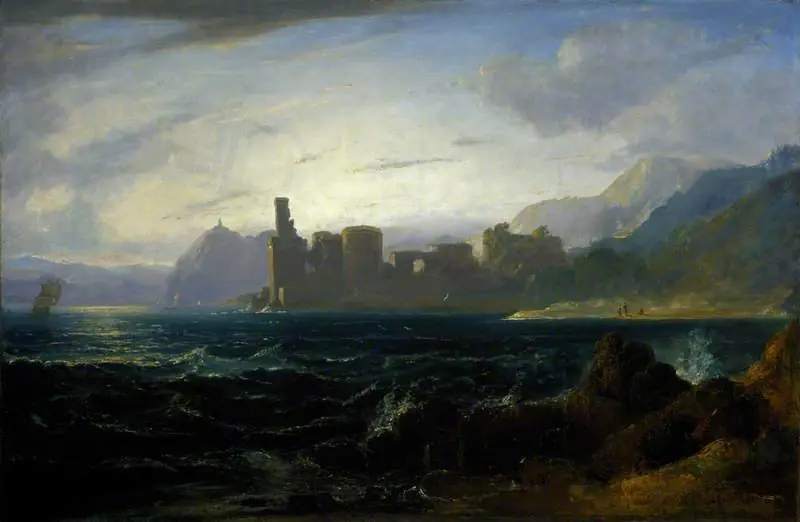
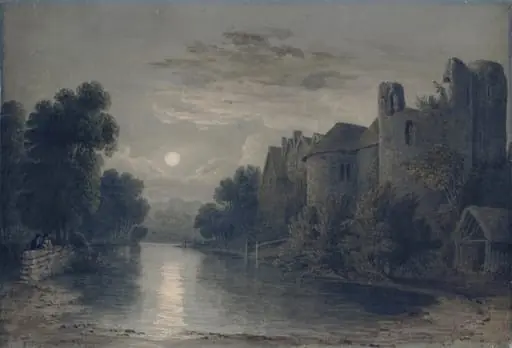
Conway Castle: Moonlight Effect
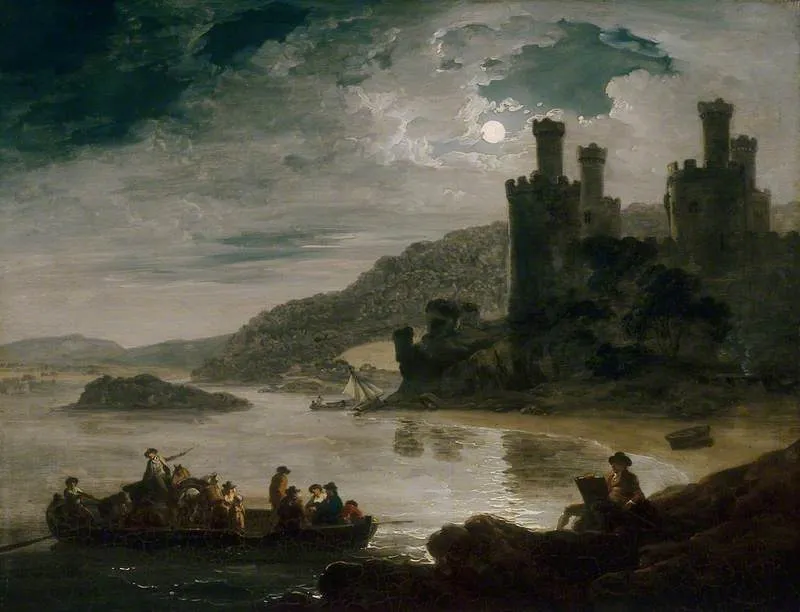
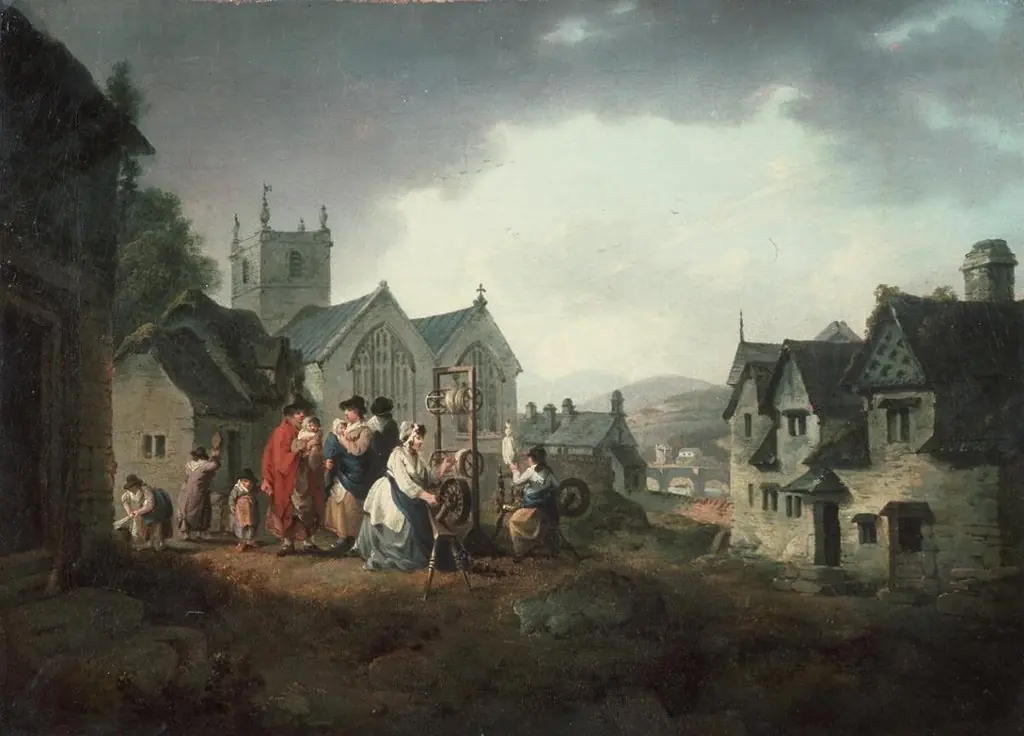
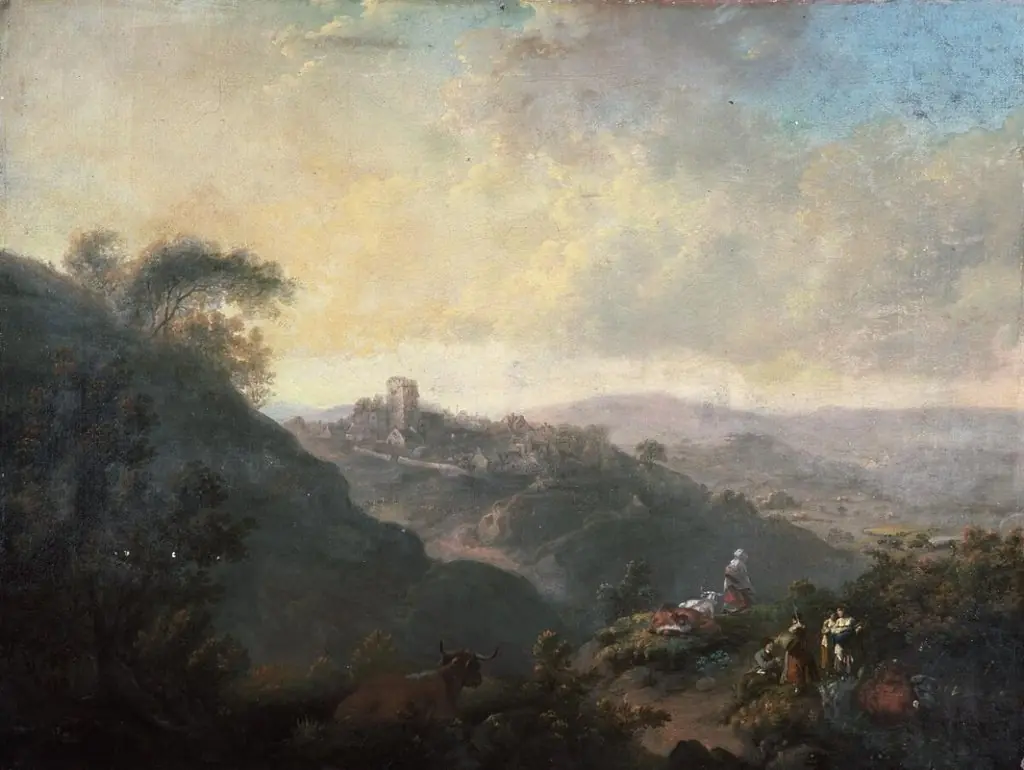
Conway Castle: Moonlight Effect is an oil painting by the British Romanticist artist Julius Caesar Ibbetson. It dates from 1798 and is held in the collection of the Victoria and Albert Museum.
About this work
Overview
The work reflects Ibbetson’s interest in atmospheric effects and topographical accuracy, blending observational detail with a quiet, contemplative mood.
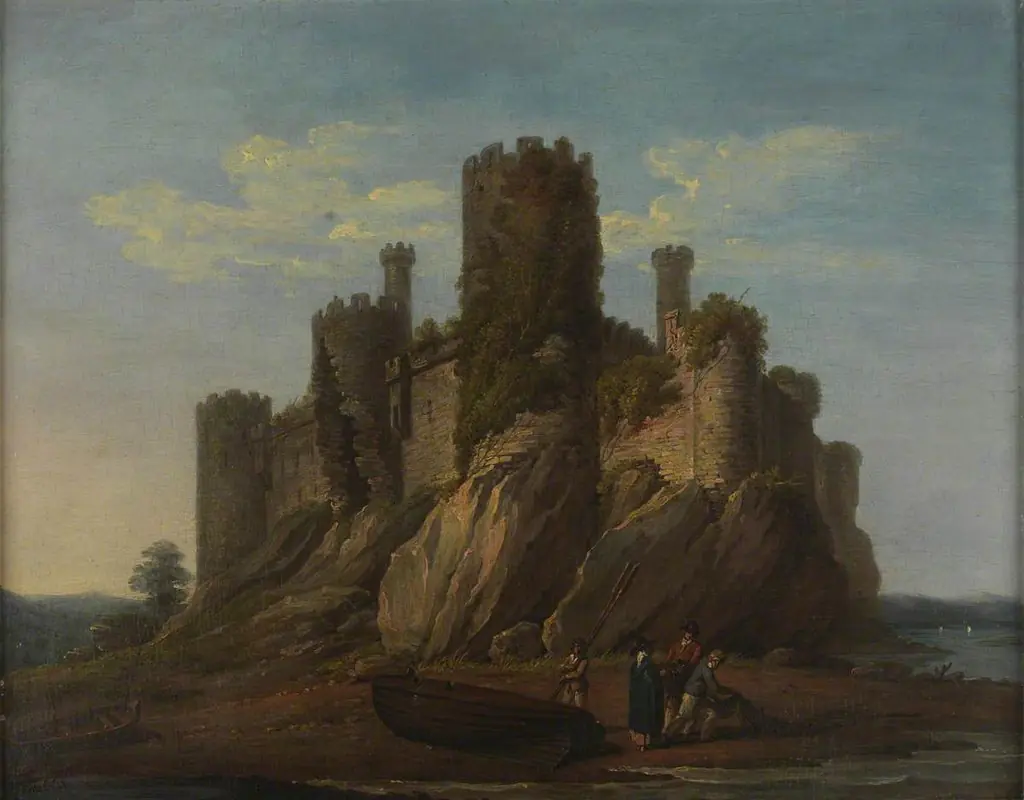
Painted in 1798 by British artist Julius Caesar Ibbetson, *Conway Castle: Moonlight Effect* is an oil-on-canvas landscape that captures the medieval fortress of Conway in northern Wales under nocturnal conditions. The work reflects Ibbetson’s interest in atmospheric effects and topographical accuracy, blending observational detail with a quiet, contemplative mood. It is part of the Victoria and Albert Museum’s permanent collection.
Subject & Meaning
The painting presents Conway Castle as a silent, enduring presence beside a dark river, illuminated by a pale moon breaking through scattered clouds. Small figures in a boat suggest quiet human passage through the landscape, emphasizing scale and solitude. The scene evokes a sense of timelessness, where nature and architecture coexist without drama, inviting reflection rather than narrative.
Technique & Style
Ibbetson employed oil paint to achieve subtle gradations of light and shadow, using dark, muted tones to heighten the luminosity of the moonlit sky and castle walls. Brushwork is restrained, favoring smooth transitions over texture, which enhances the hushed, dreamlike quality of the scene. The composition directs the eye from the foreground boat toward the castle’s silhouette, reinforcing depth and stillness.
History & Provenance
Created during Ibbetson’s mature period, the painting was likely made during one of his sketching trips to Wales, a region he frequently visited for its historic sites. It entered the Victoria and Albert Museum’s collection in the 19th century, where it has remained as part of its holdings of British landscape art. No significant alterations or reworkings are documented.
Context
In late 18th-century Britain, interest in ruins and nocturnal landscapes grew alongside Romantic sensibilities. Ibbetson’s work aligns with this trend, though his approach is quieter than contemporaries like Turner. His focus on precise topography and subtle lighting reflects a transitional phase between topographical drawing and expressive Romanticism, bridging documentary and emotional modes of landscape representation.
Legacy
Though not widely known today, Ibbetson’s *Conway Castle: Moonlight Effect* exemplifies a thoughtful, understated strand of British landscape painting. It contributes to the historical record of how artists engaged with heritage sites through light and atmosphere, offering a counterpoint to more dramatic interpretations of the same subjects in the 19th century.
Artist & collection
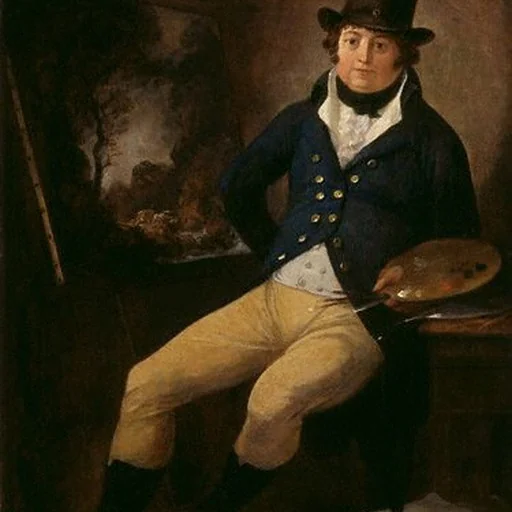
Artist
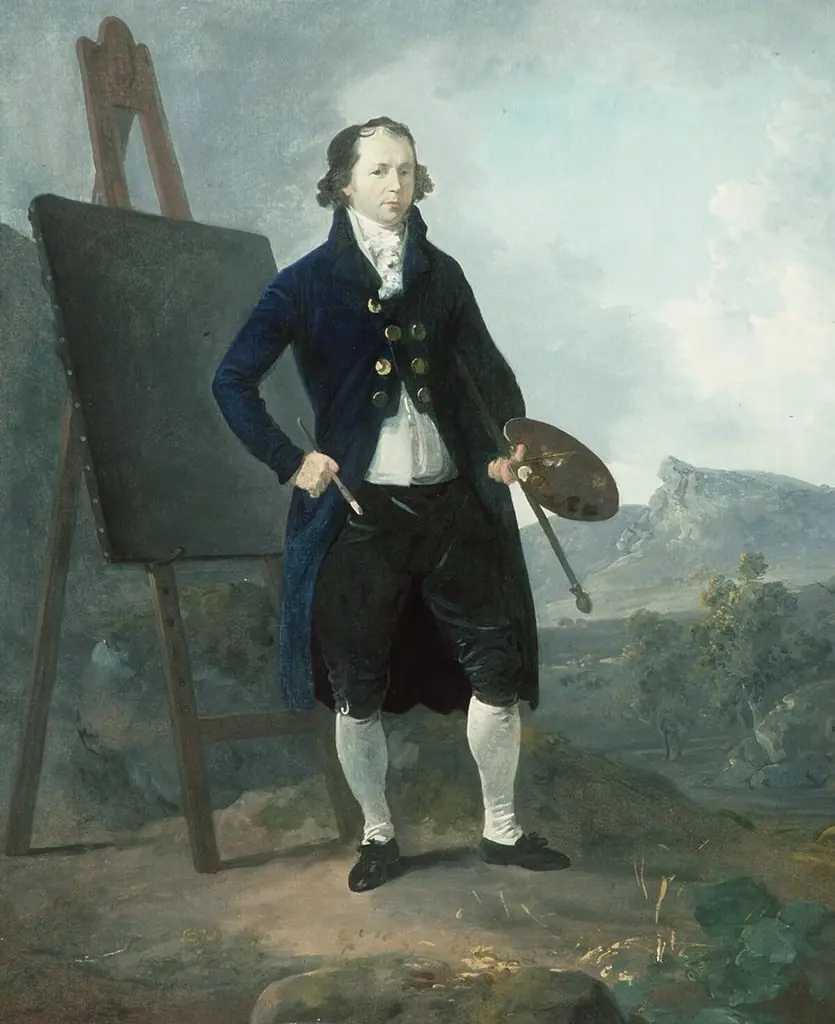
Julius Caesar Ibbetson (29 December 1759 – 13 October 1817) was a British 18th-century landscape and watercolour painter.