Artwork
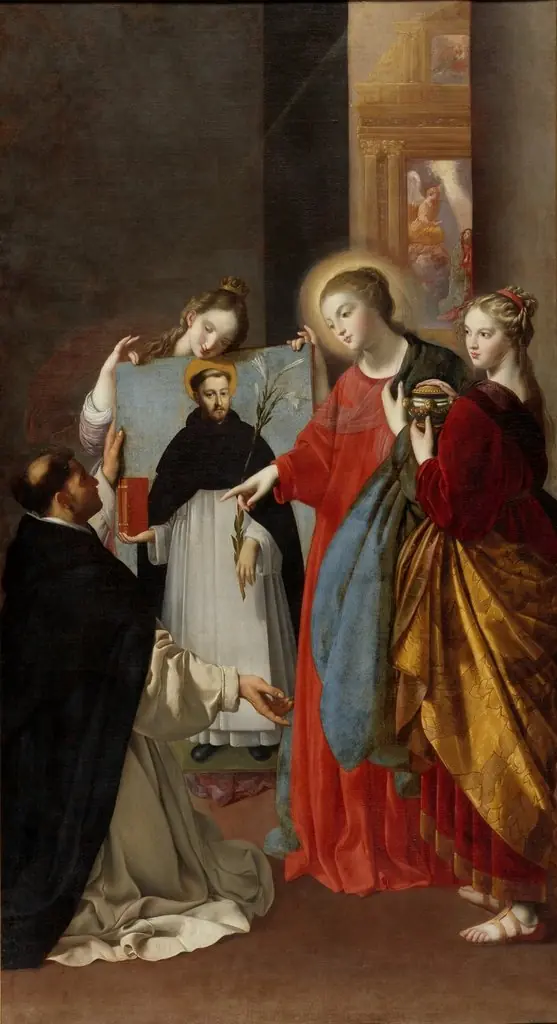
The Miracle of Saint Dominic at Soriano
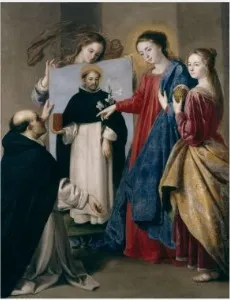
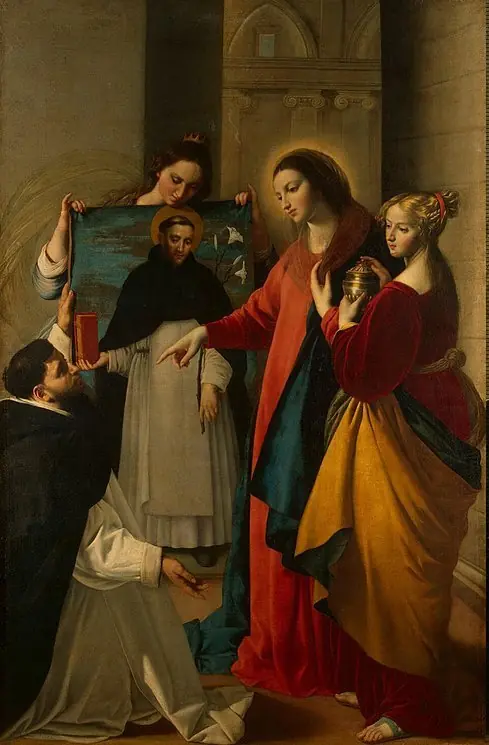
The Miracle of Saint Dominic at Soriano is an oil painting by the Spanish Baroque Tenebrist artist Jusepe Leonardo. It dates from 1636 and is held in the collection of the National Gallery of Ireland.
About this work
Overview
The Miracle of Saint Dominic at Soriano is an oil painting created by Spanish Baroque artist Jusepe Leonardo around 1636. It is characterized by strong chiaroscuro contrasts, typical of the tenebrist movement, and is now part of the National Gallery of Ireland's collection.
Subject & Meaning
The painting depicts a serene religious scene centered on Saint Dominic, surrounded by a group of figures including a prominent woman in red and blue, a kneeling man in a dark robe, and others engaged in reverent activities, conveying a sense of calm and devotion.
Technique & Style
Leonardo employed tenebrist techniques, emphasizing dramatic shadow and light contrasts through chiaroscuro. The composition's harmony and the strategic use of color (notably red, blue, and white) enhance the scene's depth and dimensionality.
History & Provenance
Created circa 1636 for Madrid's royal court, the painting is now housed in the National Gallery of Ireland, reflecting its journey from a Spanish royal commission to an international collection.
Context
As a product of the Baroque period and the tenebrist movement, the painting reflects the artistic trends of 17th-century Spain, characterized by intense emotional and visual drama, often in service of religious themes.
Legacy
While specific lasting impacts of *The Miracle of Saint Dominic at Soriano* on art history are not widely documented, it remains a notable example of Jusepe Leonardo's contribution to Spanish Baroque painting and the tenebrist style.
Artist & collection
Artist
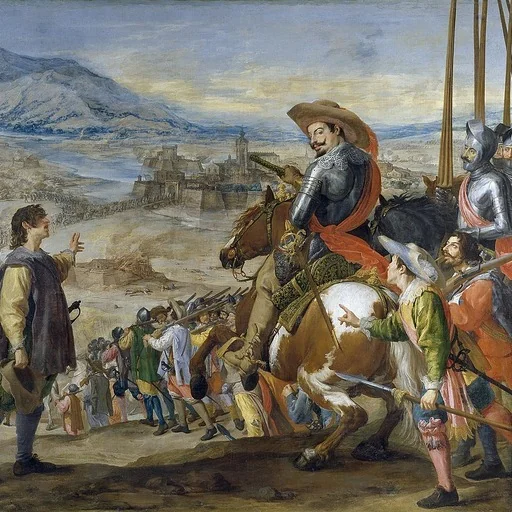
José Leonardo, known also as Jusepe Leonardo (1601–1652), was a Spanish painter of the Baroque period, active during his maturity in the royal court in Madrid.